DbcultAccessing Vault...
6.2/10
Senior Film Conservator
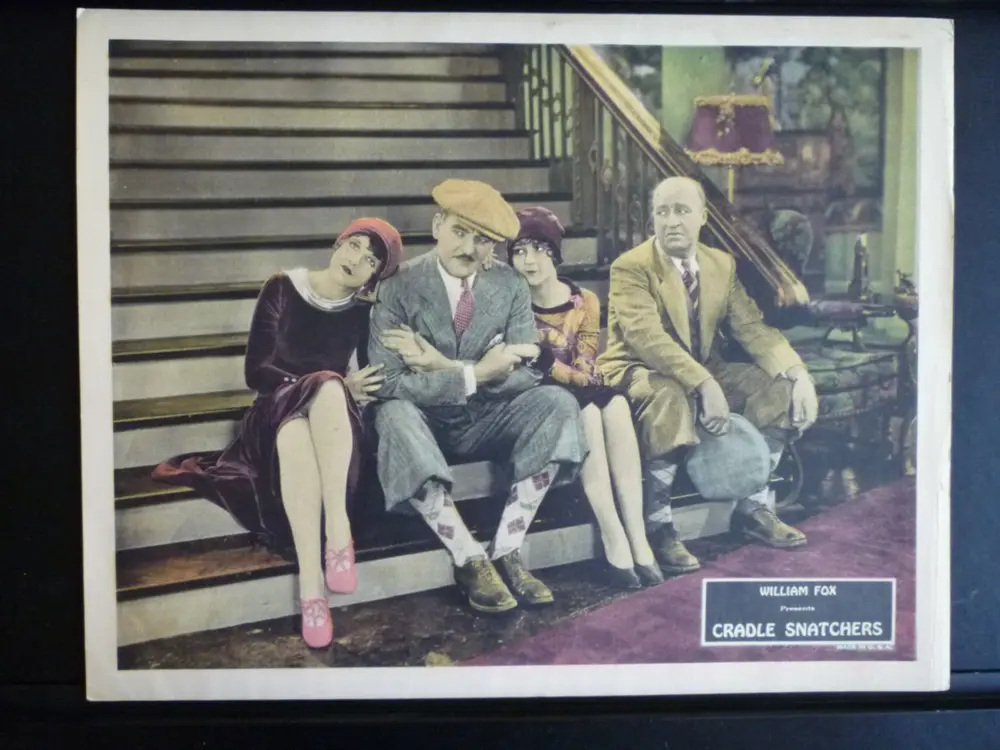
A definitive 6.2/10 rating for a film that redefined the boundaries of cult cinema. The Cradle Snatchers remains a cornerstone of transgressive art.
Does The Cradle Snatchers deserve a spot on your watchlist today? Short answer: Yes, but only if you appreciate the frantic, slightly cynical energy of late-period silent comedy and can stomach the rigid social archetypes of 1927.
This film is specifically for fans of early Howard Hawks and those interested in the evolution of the 'battle of the sexes' on screen. It is certainly not for viewers who demand modern pacing or those who find the slapstick theatricality of the 1920s grating.
1) This film works because it leans into the absurdity of its premise with a relentless, rhythmic energy that mirrors the Jazz Age itself.
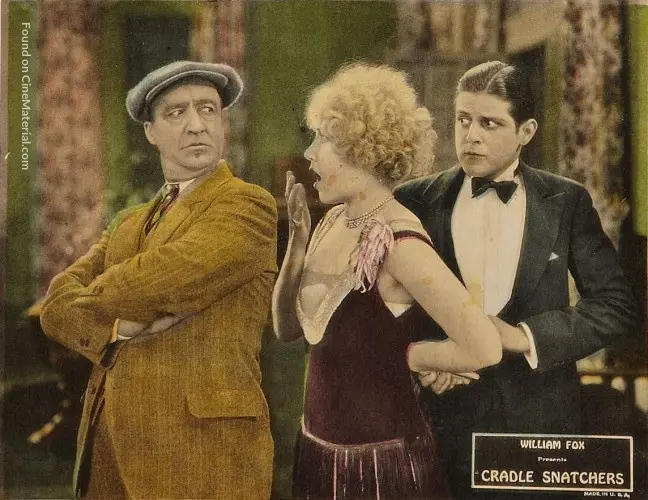
2) This film fails because its transition from a stage play is often too literal, leaving some scenes feeling claustrophobic and static.
3) You should watch it if you want to see a proto-feminist revenge plot that prioritizes female agency over domestic reconciliation.
The Cradle Snatchers is an adaptation of the 1925 stage hit by Russell G. Medcraft and Norma Mitchell. While many silent films of this era struggled to escape their proscenium arch origins, director Howard Hawks—even in this early stage of his career—attempts to inject a sense of visual dynamism into the drawing-room setting. The film doesn't just record a play; it tries to weaponize the edit to highlight the hypocrisy of its male characters.
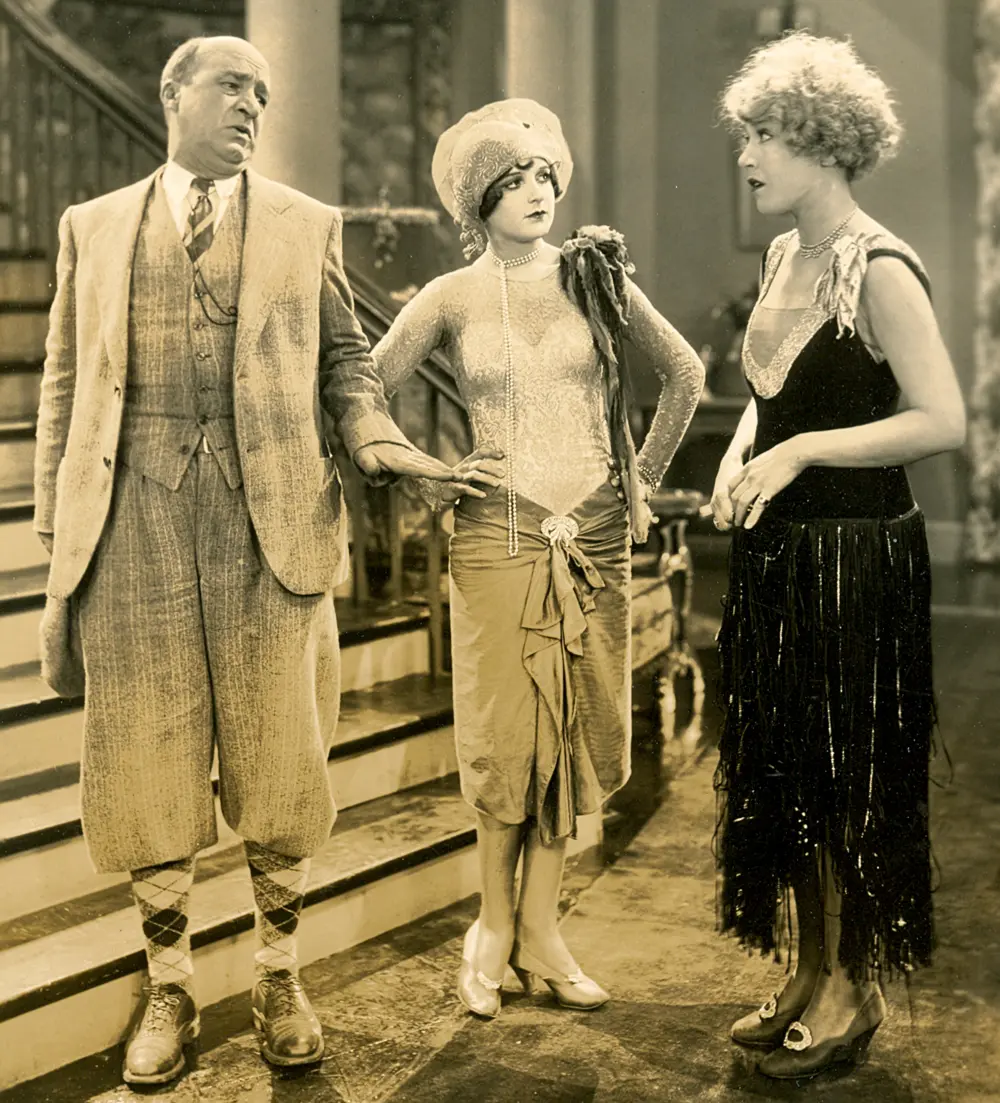
The premise is deceptively simple but was scandalous for its time. Three middle-aged women, played with varying degrees of manic energy by Louise Fazenda, Ethel Wales, and Dorothy Phillips, realize they are being neglected. Their husbands are chasing 'flappers' and 'youth.' The solution? Hire youth of their own. This setup creates a fascinating mirror to films like The Secretary of Frivolous Affairs, but where that film plays with social climbing, The Cradle Snatchers plays with social destruction.
The husbands are idiots. That is the fundamental truth the film operates on. William B. Davidson and his cohort represent a specific type of bumbling patriarchy that feels almost contemporary in its entitlement. When they are confronted with their wives' 'affairs' with college boys, their immediate transition from predators to victims is handled with a sharp, satirical edge that keeps the movie from feeling like a mere period piece.
If there is one reason to sit through the grainy frames of this 1927 relic, it is Louise Fazenda. She was a master of the physical gag, and here, she uses her face as a percussion instrument. In the scene where she first meets her 'hired' college boy, her transition from skeptical matron to wide-eyed flirt is a masterclass in silent timing. It’s clunky. But it’s brilliant. She manages to convey a sense of genuine liberation that transcends the script's farcical requirements.
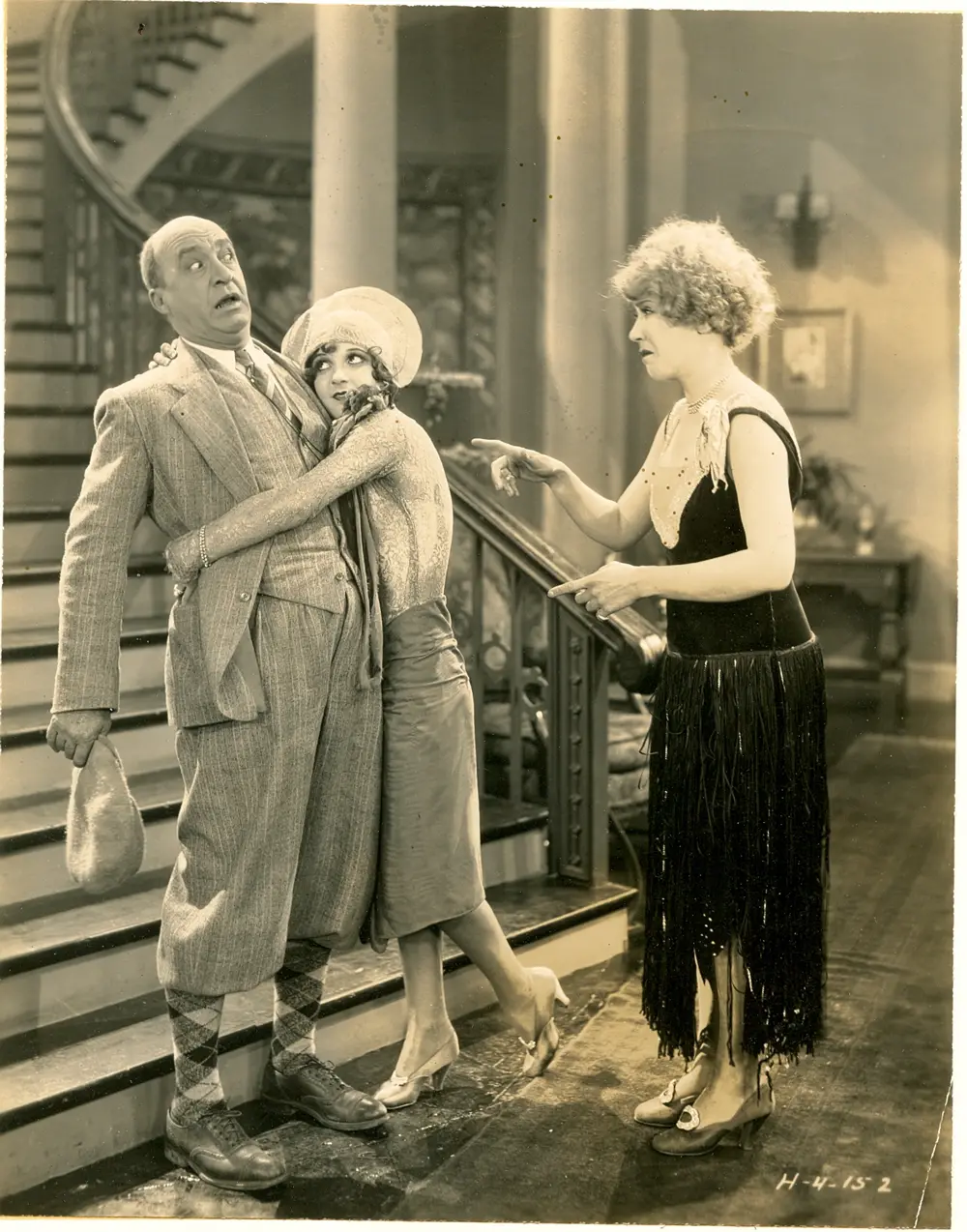
Contrast this with the more somber, psychological depth found in European imports of the time, such as Die suchende Seele. While the Europeans were exploring the soul, Hawks and Fazenda were exploring the funny bone and the social friction of the American living room. The college boys, including a young Arthur Lake, play their roles as 'objects' with a surprising amount of charm. They are essentially the 'man-flappers,' a reversal of the trope that dominated the decade.
One specific moment stands out: the dance sequence at the house party. The way the camera moves to capture the frantic, uncoordinated energy of the wives trying to keep up with the 'collegiate' styles of the boys is both hilarious and slightly pathetic. It captures a specific anxiety about aging that feels remarkably modern. It’s not just about cheating; it’s about the fear of becoming obsolete in a culture that worships the new.
If you are looking for a deep, emotional journey, look elsewhere—perhaps to something like J'accuse! for a dose of heavy cinematic artistry. However, if you want to understand how the 1920s viewed the shifting power dynamics of the American family, The Cradle Snatchers is an essential document. It is a loud, proud, and occasionally messy comedy that refuses to apologize for its female characters' desires.
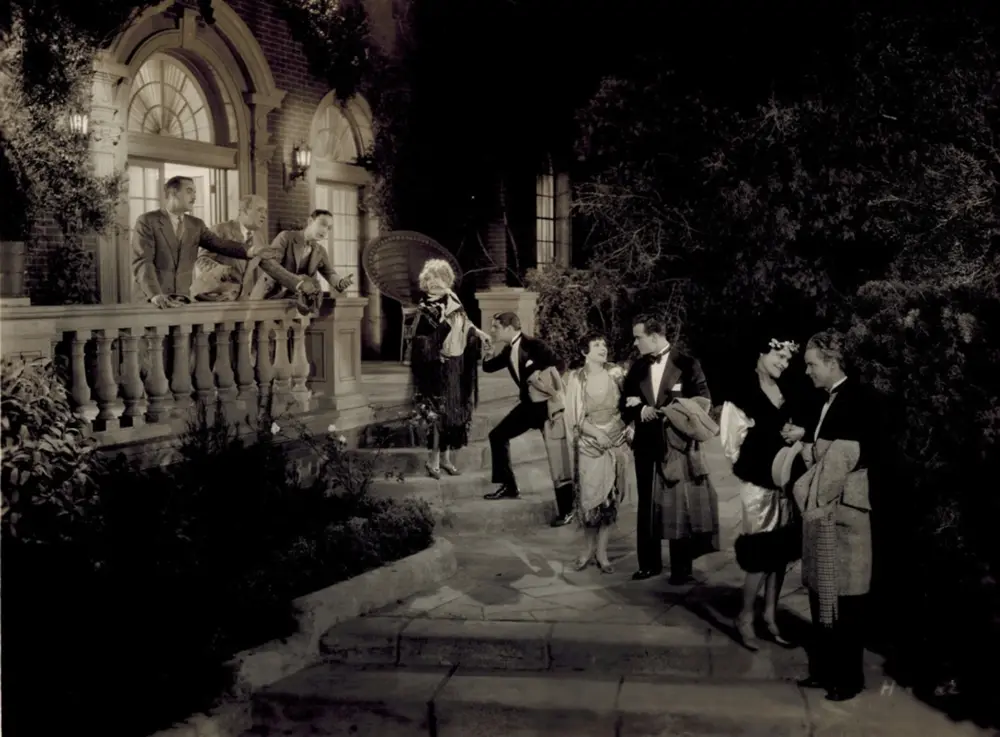
The film’s pacing is its biggest hurdle. Like many stage-to-screen adaptations, there are long stretches of intertitles that explain dialogue that should have been conveyed through action. Yet, when the action does hit—particularly in the final act confrontation—it hits with the force of a well-timed punchline. It is a film that rewards patience with a very specific kind of Jazz Age catharsis.
While Howard Hawks is better known for his later masterpieces like Rio Bravo or His Girl Friday, his DNA is visible here. There is a burgeoning interest in group dynamics and rapid-fire interaction. Even without sound, you can feel the 'overlapping dialogue' style he would later perfect. The way characters are positioned in the frame—often in clusters of three—creates a sense of visual harmony that offsets the narrative chaos.
The cinematography by L. William O'Connell is standard for the era but effective. He uses soft lighting for the wives to maintain their 'dignity' while using harsher, more direct lighting for the husbands when they are caught in their lies. It’s a subtle visual storytelling technique that elevates the film above the standard 'B-movie' fare of the late twenties. It lacks the experimental shadows of Alraune, but it fits the bright, cynical world of American high society.
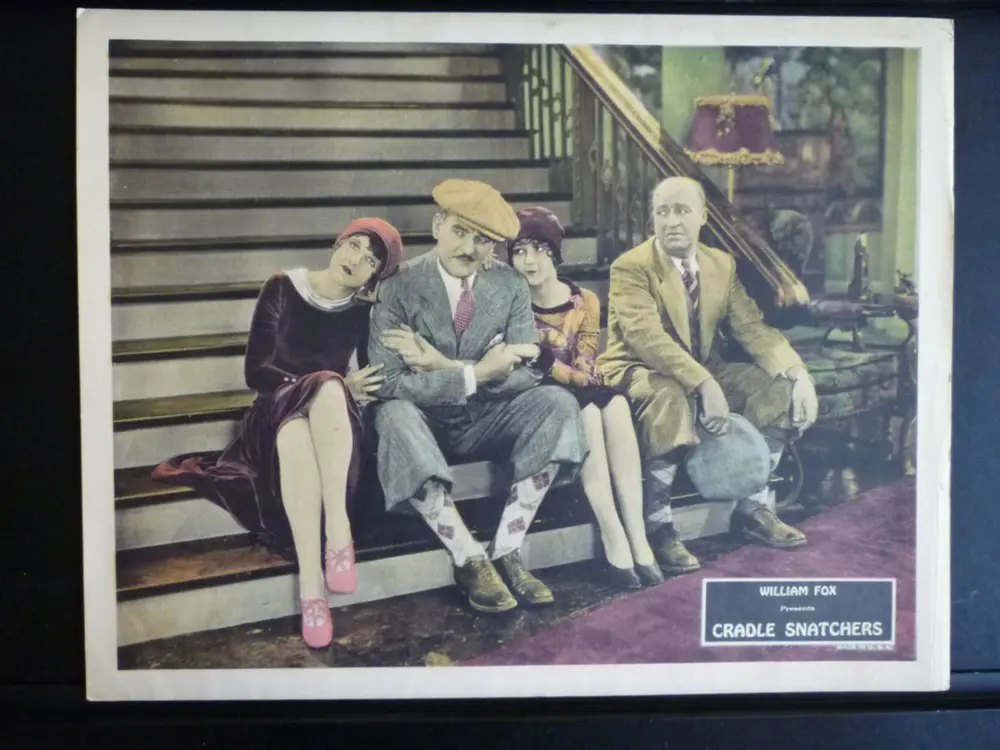
"The film is a fascinating relic of a time when the 'cougar' trope was being born out of a genuine frustration with patriarchal hypocrisy."
When you compare The Cradle Snatchers to other contemporary works like Her Sturdy Oak, you see a clear divide. Where other films might suggest that a wife's duty is to 'fix' her husband, The Cradle Snatchers suggests that a wife's duty is to humiliate him into submission. It is a much more aggressive form of comedy. It lacks the tragic weight of Medea di Portamedina, but it shares that film’s interest in the 'woman scorned'—just with more gin and dancing.
The film also stands in contrast to the more romanticized versions of marriage seen in Hooked at the Altar. In Hawks' world, marriage is a negotiation, often a hostile one. This cynical outlook is what makes the film feel so fresh nearly a century later. It doesn't believe in 'happily ever after'; it believes in 'getting even.'
The Cradle Snatchers is a loud, vibrant, and occasionally exhausting piece of silent cinema. It isn't a masterpiece of the form, but it is a fascinating example of how popular entertainment began to pivot toward more complex, albeit farcical, gender dynamics. The film is a bridge between the Victorian morality of the past and the modern, liberated sensibilities that would eventually dominate the screen.
Is it perfect? No. The husbands are caricatures and the plot is thin. But the central performances and the sheer audacity of the premise make it a worthwhile watch for any serious cinephile. It is a reminder that the 'war between the sexes' has always been a bloody, hilarious mess. and deeply entertaining affair. Go for the history, stay for Louise Fazenda’s face.
IMDb —
1927
Community
Log in to comment.