DbcultAccessing Vault...
6.2/10
Senior Film Conservator
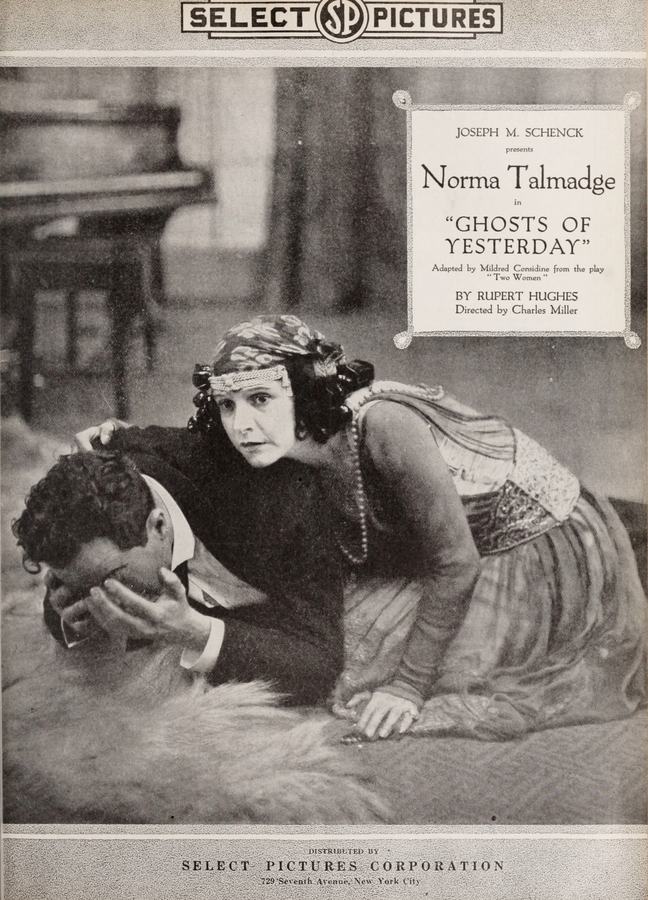
A definitive 6.2/10 rating for a film that redefined the boundaries of cult cinema. The Ghosts of Yesterday remains a cornerstone of transgressive art.
In the annals of early cinema, certain films transcend their technical limitations to tap into the raw, universal currents of human emotion. Mildred Considine and Rupert Hughes's collaborative vision, 'The Ghosts of Yesterday', stands as a testament to this enduring power, a poignant and sometimes harrowing exploration of grief, artistic obsession, and the uncanny echoes of a love lost. It's a melodrama, yes, but one imbued with a psychological depth that elevates it beyond mere tear-jerking, delving into the very fabric of memory and identity. From the first flickering frames, we are drawn into a world where the lines between life and art, reality and illusion, become irrevocably blurred, leaving an indelible mark on the viewer long after the final title card fades.
The narrative unfurls around an impoverished artist, a soul consumed by his craft yet unable to escape the clutches of destitution. His world, a canvas of vibrant possibility, collapses inward when his beloved wife, also his muse, succumbs to the tragic inevitability of starvation. This isn't merely a plot point; it's the cataclysmic event that defines the entire emotional landscape of the film. The unfinished portrait of his dying wife becomes a cruel monument to both his artistic failure and his profound personal loss. It's a striking visual metaphor for unfulfilled potential and the brutal reality that often stalks creative spirits. The film doesn't shy away from the harshness of this reality, presenting it with a starkness that, even in the silent era, must have resonated deeply with audiences grappling with similar societal inequalities. The artist's despair isn't just a character trait; it's a palpable force that permeates every scene, a heavy shroud that threatens to suffocate any glimmer of hope.
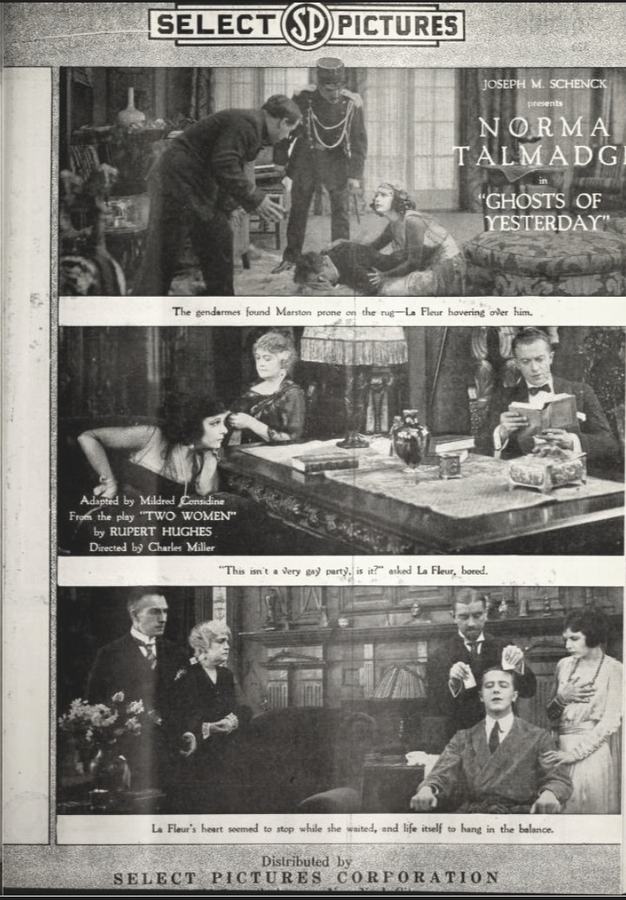
Amidst this profound and suffocating grief, a woman appears. Her resemblance to the deceased wife is not merely striking; it's uncanny, a mirror image that jolts the artist — and the audience — into a disorienting blend of hope and horror. Is this a cruel trick of fate, a ghostly apparition, or a chance for redemption? This central conceit, while potentially verging on the melodramatic, is handled with a delicate touch that explores the psychological ramifications of such an encounter. It forces us to question the nature of identity, memory, and the human capacity for delusion in the face of unbearable pain. The introduction of this doppelgänger isn't just a plot device; it's a catalyst for the artist's tormented journey, blurring the boundaries between his past and an impossibly hopeful present.
The film's emotional core, undoubtedly, rests on the shoulders of Norma Talmadge. As both the tragically deceased wife and her mysterious doppelgänger, Talmadge delivers a performance that is nothing short of mesmerizing. Her ability to convey profound emotion through subtle gestures, expressive eyes, and nuanced body language is a testament to her legendary status in silent cinema. She doesn't merely play two roles; she embodies two distinct presences, one a ghost of memory, the other a living, breathing enigma. The challenge of portraying a character who is simultaneously a reflection of grief and a beacon of potential new beginnings is immense, yet Talmadge navigates this complex duality with an elegance and conviction that anchors the entire narrative. Her portrayal of the starving wife is heartbreakingly fragile, while her second incarnation carries a different kind of weight, a blend of vulnerability and an almost ethereal quality that keeps the audience guessing. Eugene O'Brien, as the tormented artist, provides a compelling counterpart, his anguish palpable, his descent into obsession both believable and tragic. The supporting cast, including Blanche Douglas, Stuart Holmes, Henry Hebert, Ida Darling, and John Daly Murphy, lend their talents to flesh out the world, but it is the central dynamic, powered by Talmadge's star presence, that truly captivates.
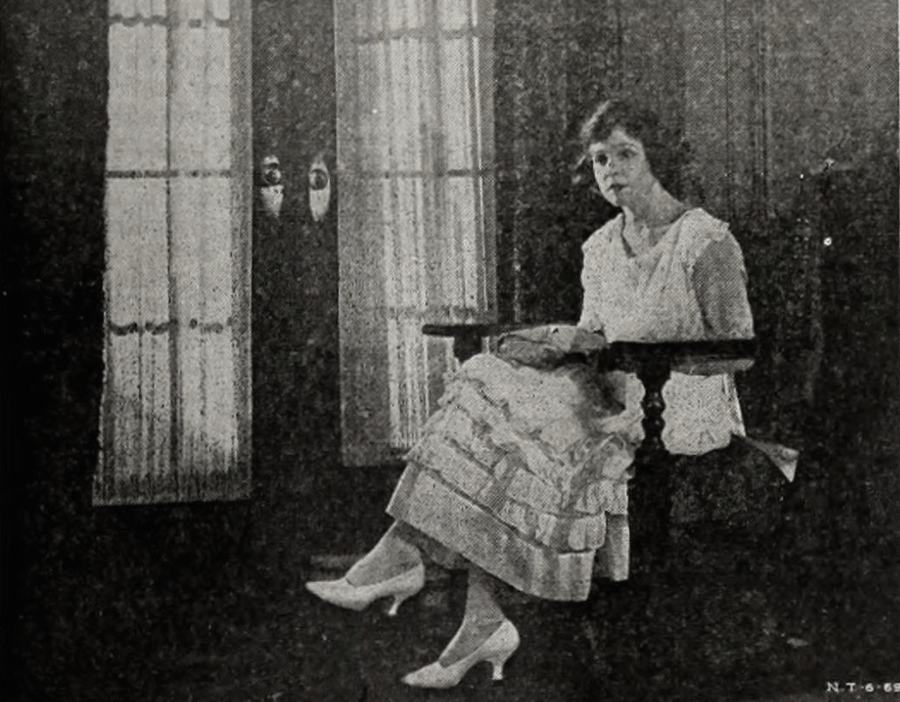
'The Ghosts of Yesterday' is rich with thematic layers. At its heart lies the destructive power of grief when left unchecked. The artist's inability to move past his wife's death, exacerbated by the constant reminder of her unfinished portrait, transforms his studio into a shrine of sorrow. This obsession with the past, a common thread in many melodramas, is here explored with a psychological acuity that feels remarkably modern. The film also delves into the nature of art itself – its power to immortalize, but also to trap, to create illusions that can be both beautiful and devastating. The artist's desperate attempt to complete his masterpiece through the new woman is not just about finishing a painting; it's an attempt to resurrect a love, to rewrite a tragic ending, to cheat death through creation. This conflation of art and life, of muse and beloved, offers a fascinating commentary on the artist's psyche.
The notion of a 'second chance' is central, yet it is presented with an underlying tension. Is this new woman truly a gift, or merely a projection of the artist's fractured mind? The film masterfully plays with this ambiguity, keeping the audience on edge, questioning the reality of what unfolds. It's a thematic cousin to films like 'Der Weg des Todes' (The Way of Death), which similarly explores the profound impact of loss and the dark paths grief can lead one down, though perhaps with a different existential bent. While 'When a Woman Sins' might explore the societal repercussions of transgression, 'The Ghosts of Yesterday' focuses more intently on the internal landscape of a man broken by circumstance and haunted by an unbearable resemblance.
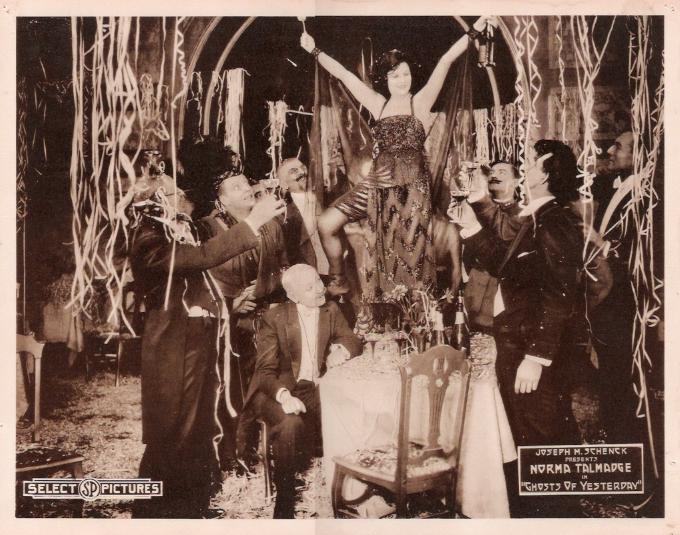
Mildred Considine and Rupert Hughes, as writers, crafted a narrative that, despite its potential for sensationalism, maintains a remarkable degree of emotional integrity. Their screenplay carefully builds the artist's world, establishes his despair, and then introduces the disruptive element of the doppelgänger with precision. The direction, likely a collaborative effort in an era where directorial credits were sometimes less clear-cut, uses the visual language of silent film to its utmost effect. The stark contrasts between light and shadow, typical of the period, are employed here to underscore the artist's internal turmoil. Close-ups on Talmadge's expressive face are used judiciously to convey complex emotions, from sorrow to confusion to a burgeoning, dangerous hope. The setting of the artist's studio, initially a place of creation, transforms into a crucible of memory and obsession, its cluttered corners and unfinished canvases speaking volumes about the protagonist's fractured state.
The pacing, a crucial element in silent film, is deliberate, allowing scenes to breathe and emotions to register. There's a certain theatricality to the performances, characteristic of the era, but it's tempered by a genuine pathos that prevents it from veering into caricature. The film understands the power of suggestion, often leaving certain psychological ambiguities unresolved, forcing the audience to grapple with the implications. This subtle approach to narrative, when compared to more overtly dramatic works like 'The Tiger' or even the broader societal commentary of 'Darkest Russia', highlights its focus on interiority and personal tragedy. The visual composition often frames the artist in isolation, emphasizing his profound loneliness and the mental prison he constructs around himself.
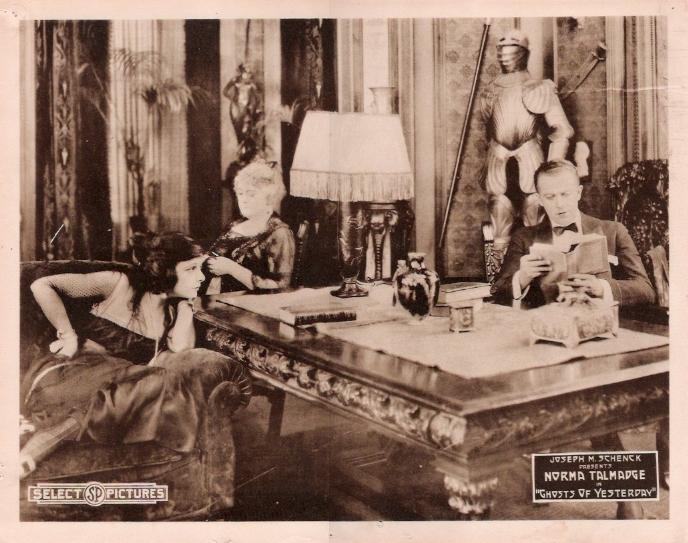
'The Ghosts of Yesterday', in its quiet intensity, offers a compelling reflection on how we cope with irreversible loss. It posits that while art can be a solace, it can also become a dangerous echo chamber, amplifying our grief and distorting our perception of reality. The film's enduring appeal lies in its exploration of themes that remain timeless: the agony of unfulfilled potential, the yearning for what was, and the disquieting allure of a second chance, even if that chance is merely a spectral illusion. It doesn't offer easy answers, nor does it provide a neatly wrapped resolution, which is precisely where its power lies. Instead, it invites contemplation, leaving the viewer to ponder the delicate balance between remembrance and moving forward.
It's a film that, despite its vintage, speaks volumes about the human condition. It reminds us that the ghosts of our past are not always malevolent spirits, but often the lingering echoes of love and longing, shaping our present in ways we may not fully comprehend. For fans of classic cinema, and for anyone who appreciates a narrative that delves deep into the human psyche, 'The Ghosts of Yesterday' is an essential viewing experience. It's a reminder that silent films, far from being quaint relics, were capable of profound emotional resonance and sophisticated storytelling, often tackling complex psychological landscapes with an artistry that continues to inspire and intrigue. Its narrative audacity and the sheer emotional weight carried by its lead performances cement its place as a significant, albeit perhaps lesser-known, gem of its era. The film is not just a historical artifact; it's a vibrant, aching heart beating from a bygone age, a testament to the enduring power of cinema to capture the ephemeral and make it eternal.
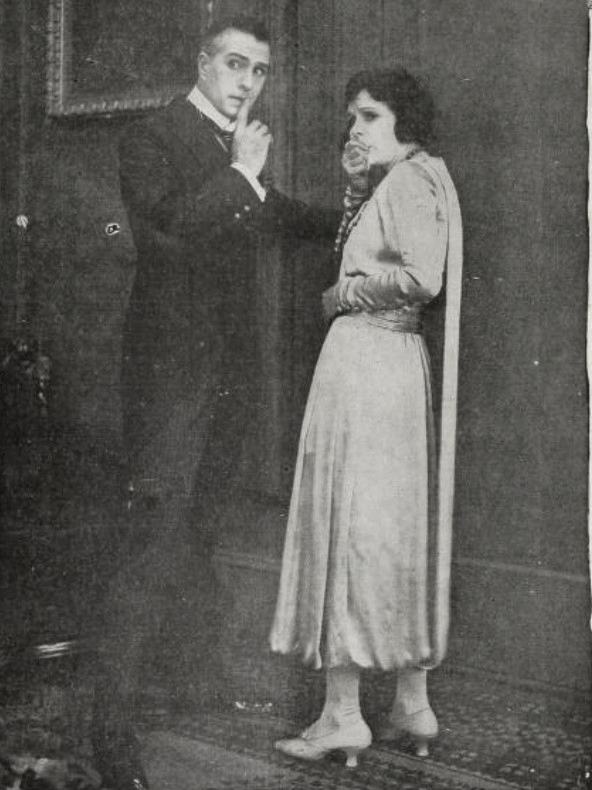
The film's exploration of artistic creation as both a salvation and a curse is particularly compelling. The artist's brush, once a tool of expression, becomes an instrument of his torment, forever binding him to the image of his lost love. This dynamic is a powerful examination of how passion, when entwined with tragedy, can lead to a beautiful madness. It's a story that resonates with the struggles of many creative individuals throughout history, highlighting the sacrifices often made at the altar of art. The stark portrayal of poverty, leading to the wife's tragic demise, also serves as a subtle yet potent critique of societal conditions, suggesting that even the most profound love cannot always overcome the harsh realities of economic hardship. This undercurrent of social commentary adds another layer of depth to what might otherwise be perceived as a straightforward romantic melodrama. It elevates the film from a personal tragedy to a broader statement on the human struggle within an indifferent world.
Moreover, the film's title itself, 'The Ghosts of Yesterday', perfectly encapsulates its essence. It's not about literal specters, but the pervasive, haunting presence of past events and relationships that refuse to be laid to rest. These are the ghosts that reside within us, shaping our perceptions and driving our actions, sometimes towards healing, sometimes towards deeper despair. The film invites us to reflect on our own 'ghosts' – the memories, regrets, and unfulfilled desires that continue to influence our present. It's a powerful narrative about finding a way to live with these specters, or perhaps, to finally let them go. The final moments of the film, without revealing too much, provide a resolution that is both poignant and thought-provoking, leaving the audience with a sense of the cyclical nature of grief and the enduring power of hope, even if fragile. It stands as a timeless piece, a quiet masterpiece that continues to resonate with its exploration of the human heart's most profound afflictions and its remarkable capacity for resilience.
IMDb 6.4
1930
Community
Log in to comment.