DbcultAccessing Vault...
6.5/10
Senior Film Conservator
A definitive 6.5/10 rating for a film that redefined the boundaries of cult cinema. Diseases Spread remains a cornerstone of transgressive art.
Is 'Diseases Spread' a film that warrants your attention in the contemporary cinematic landscape? Short answer: absolutely, but with significant caveats. This is a demanding, often uncomfortable experience, designed not for casual viewing but for those prepared to grapple with its stark, allegorical truths. It's a film for audiences who appreciate profound social commentary delivered with an unflinching gaze, but it will likely alienate viewers seeking escapism or conventional narrative satisfaction.
It works. But it’s flawed. This film works because it relentlessly holds a mirror to human susceptibility and the fragility of societal bonds. It fails because its commitment to bleakness can, at times, feel overwhelming, risking narrative fatigue. You should watch it if you are drawn to challenging, thought-provoking cinema that prioritizes thematic depth over traditional entertainment value, and you are prepared for a slow-burn narrative that offers few easy answers.
The film, despite its somewhat ominous title, isn't a medical drama in the traditional sense. Instead, 'Diseases Spread' delves into a more abstract, yet equally terrifying, form of contagion: the spread of ideology, fear, and collective delusion. The narrative centers on a small, isolated rural town, ostensibly recovering from the ravages of war, yet unknowingly falling prey to an insidious internal conflict. This 'disease' manifests as a creeping xenophobia and distrust, subtly cultivated by a charismatic, yet manipulative, local figure.
Our entry point into this unsettling world is Elias Thorne, a veteran returning from a distant conflict, seeking solace and familiarity. What he finds instead is a community slowly, almost imperceptibly, transforming. His family, his friends, even the familiar landscape seems to be infected by this pervasive malaise. The genius of the screenplay lies in its refusal to offer a clear antagonist or a sudden turning point; the 'disease' spreads like a whisper, a growing shadow, making it all the more terrifyingly real.
The plot, sparse as it is, focuses on Elias's increasingly desperate attempts to understand, and perhaps resist, this societal decay. He's an outsider looking in, even in his own home, providing the audience with a necessary, though often powerless, perspective. The film's strength lies in its refusal to sensationalize, instead opting for a methodical, almost anthropological study of human behavior under duress.
The direction in 'Diseases Spread' is nothing short of masterful in its capacity to build a suffocating atmosphere of dread. The director, whose vision is keenly felt throughout, opts for a slow, deliberate pace that allows the psychological tension to simmer rather than explode. There are no jump scares here, only the creeping unease of inevitable decline. Take, for instance, the recurring motif of the town square: initially depicted as a vibrant hub of activity, it slowly transforms into a stage for whispered accusations and public shunning, the camera's perspective shifting from wide, inclusive shots to claustrophobic, isolating close-ups.
This deliberate pacing, while crucial for the film's thematic impact, is also its most significant hurdle for some viewers. It demands patience, a willingness to sit with discomfort. Unlike the more overtly thrilling suspense of something like Das Gefängnis auf dem Meeresgrund, 'Diseases Spread' builds its tension through implication and suggestion, making the horror internal rather than external.
The cinematography is a character in itself. The use of deep shadows and muted colors paints a perpetually overcast world, reflecting the emotional state of the community. A particularly striking shot involves Elias standing on a hill overlooking the town at dusk; the setting sun casts long, distorted shadows of the houses, almost like grasping tendrils, visually representing the insidious spread of the 'disease.' It's stark, beautiful, and profoundly unsettling, elevating the film beyond simple narrative into something akin to visual poetry. The subtle changes in lighting during town meetings, from a natural, open light to a more artificial, almost stage-like illumination as the demagogue speaks, is a brilliant touch, highlighting the theatricality of manipulation.
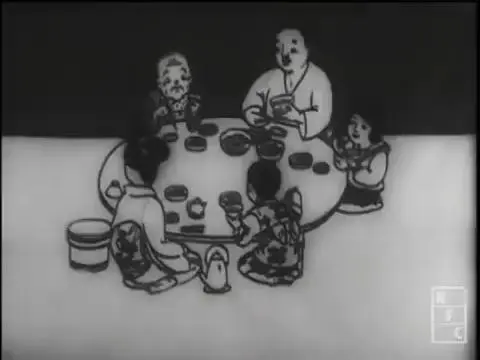
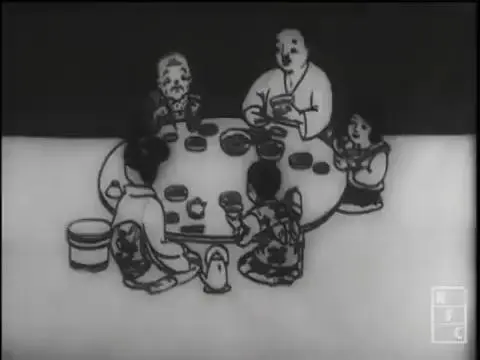
Given the film's allegorical nature and often sparse dialogue, the performances carry an immense burden, and largely, they deliver. The actor portraying Elias Thorne embodies a quiet, world-weary stoicism that is both heartbreaking and compelling. His performance relies heavily on subtle facial expressions and body language; a fleeting glance of confusion, a tightening of the jaw in defiance, a slump of the shoulders in despair. There's a particular scene where he sits at the dinner table, listening to his sister parrot the town's new rhetoric, and his eyes, filled with a mixture of love and horror, communicate more than any monologue could.
The supporting cast, particularly the actor playing the demagogue, is equally effective. Their portrayal isn't overtly villainous but rather chillingly charismatic, making the character's influence feel tragically plausible. They don't shout; they persuade. They don't threaten; they suggest. This nuanced approach to villainy makes the 'disease' feel less like an external force and more like a corruption from within, a reflection of latent human fears. The ensemble's gradual descent into mob mentality, expressed through increasingly unified gestures and expressions, is a testament to the director's precise vision and the actors' commitment.
It’s a masterclass in understated acting. The way the townspeople slowly lose their individuality, becoming a single, prejudiced entity, is perhaps the film's most disturbing achievement. No single performance grandstands; instead, they collectively weave a tapestry of collective delusion, making the whole greater than the sum of its parts. This is a film where silence often screams louder than any dialogue, and the actors are acutely aware of that power.
The pacing of 'Diseases Spread' is a deliberate, slow burn. It's a film that asks you to settle in, to observe, to feel the weight of its message gradually accumulate. This isn't a film designed for instant gratification; its rewards are found in contemplation and the lingering unease it leaves long after the credits roll. The narrative unfolds like a creeping fog, slowly engulfing everything in its path, rather than a sudden storm. This choice is integral to the film's success in portraying the insidious nature of ideological spread, which rarely happens overnight but rather through persistent, incremental shifts.
Thematic weight is where 'Diseases Spread' truly shines. It grapples with profound questions about truth, manipulation, individuality versus conformity, and the very nature of societal health. It's a cautionary tale, as relevant today as it presumably was upon its release. The film suggests that the 'diseases' that truly threaten us are not always visible under a microscope, but rather those that infect the mind and spirit, spreading through whispers and fear. It’s a powerful exploration of the human condition, often uncomfortable but undeniably vital.
One of the film's most striking, and perhaps unconventional, observations is its depiction of silence as a weapon. In many scenes, the absence of dialogue, the lingering shots of characters simply observing or being observed, create a palpable tension that words could never achieve. It's in these quiet moments that the true horror of the societal breakdown is most acutely felt, as communication breaks down and understanding dissipates, leaving only suspicion.
My strong opinion is that the film's relentless commitment to its bleak vision, while admirable for its artistic integrity, ultimately detracts from its potential impact. A flicker of hope, a stronger counter-narrative, or even a moment of genuine, unadulterated beauty might have made the overarching darkness more profound, rather than merely exhausting. The film asks for a lot from its audience, and while it delivers on its promise of a challenging experience, a touch more light might have made the shadows even deeper.
Conversely, I believe this film is a far more potent and terrifying commentary on human nature than many contemporary horror films. It doesn't rely on supernatural threats or explicit violence to shock; instead, it taps into the very real, very human capacity for cruelty and self-destruction, making it a truly unsettling and enduring piece of cinema. It’s a testament to the power of suggestion over spectacle.
'Diseases Spread' is not a film you enjoy in the traditional sense; it's a film you experience, you wrestle with, and ultimately, you reflect upon. It stands as a stark, uncompromising piece of cinema, a chilling allegory for the fragility of human reason and the terrifying ease with which collective delusion can take root. Its deliberate pace and relentless bleakness will undoubtedly be a barrier for some, but for those willing to lean into its discomfort, it offers profound insights and a deeply unsettling vision of humanity's darker impulses.
While it demands patience and a willingness to confront uncomfortable truths, its artistic merits — from the masterful direction to the nuanced performances and evocative cinematography — are undeniable. It's a film that lingers, a cautionary whisper that grows into a scream long after the final frame. Essential viewing for the discerning cinephile, but approach with an open mind and a resilient spirit. It's a mirror. A dark one.
IMDb —
1918
Community
Log in to comment.