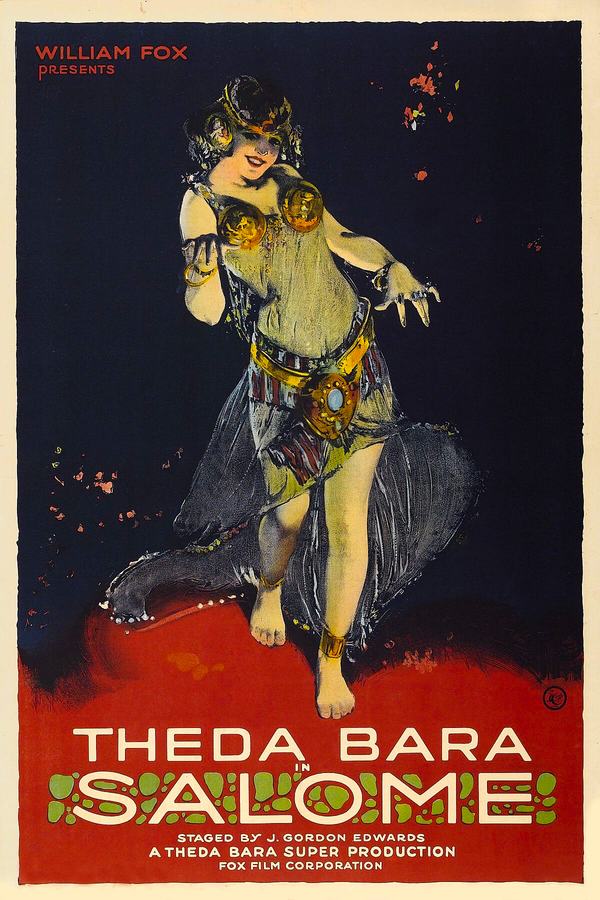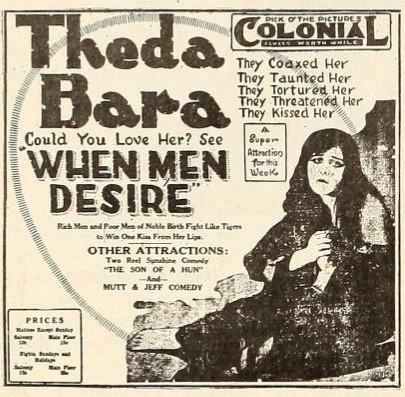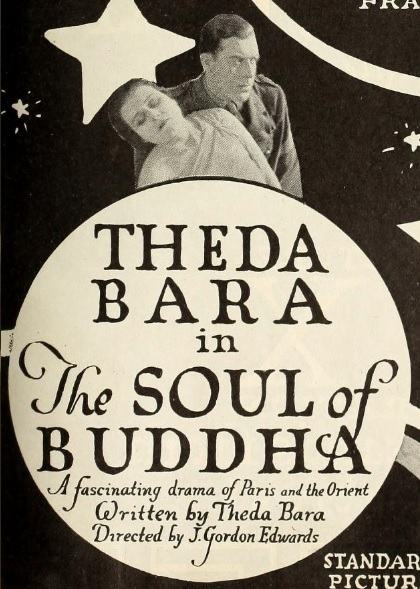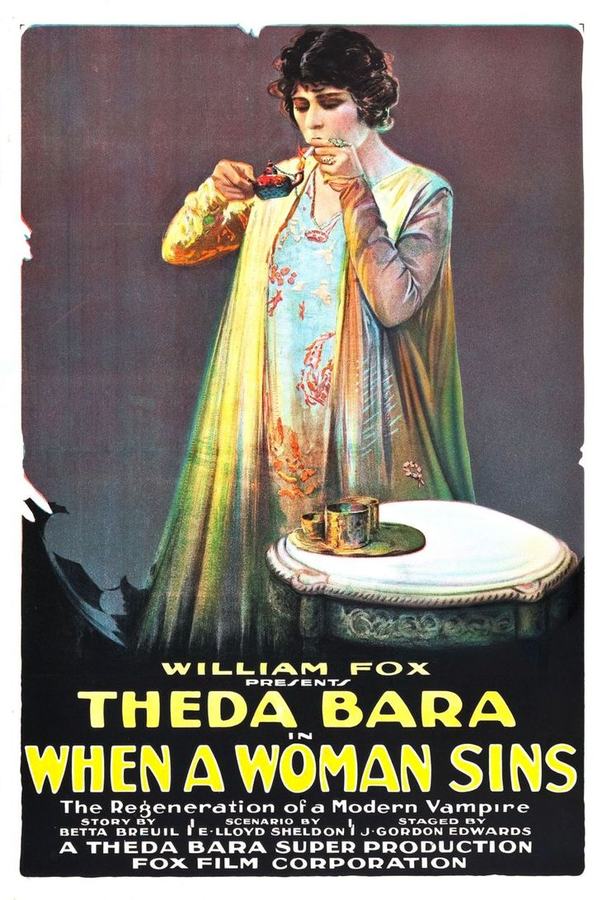
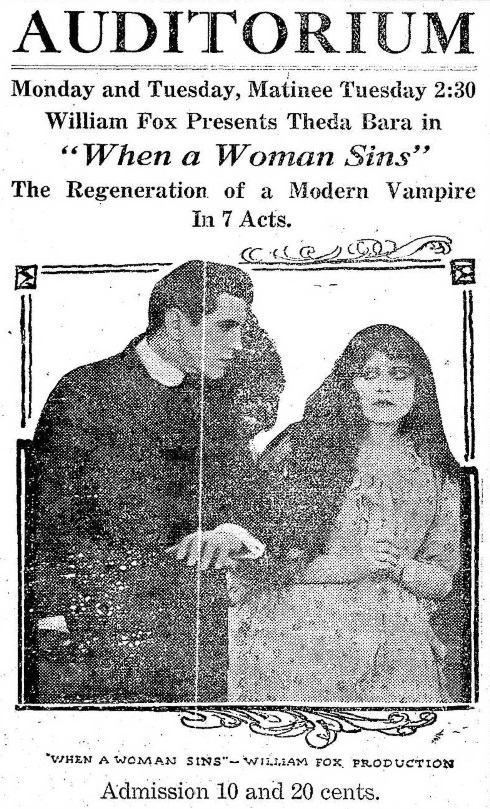
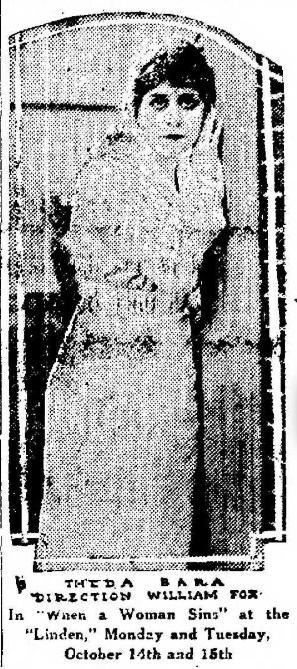
Bara is unusually cast as a nearly virginal nurse and actress. She does manage to get one man to blow his brains out before she reforms and marries an Episcopal priest.
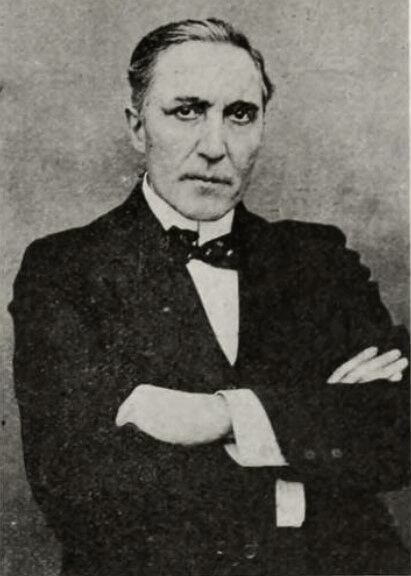
Beta Breuil, E. Lloyd Sheldon
United States
The first time I saw When a Woman Sins I was alone in a loft built inside a deconsecrated church; the projector’s clack echoed off stained glass still cracked from the 1906 quake. That felt right. This picture doesn’t merely screen—it exorcises. Theda Bara, the studio’s designated man-destroyer, here dons the starch ...
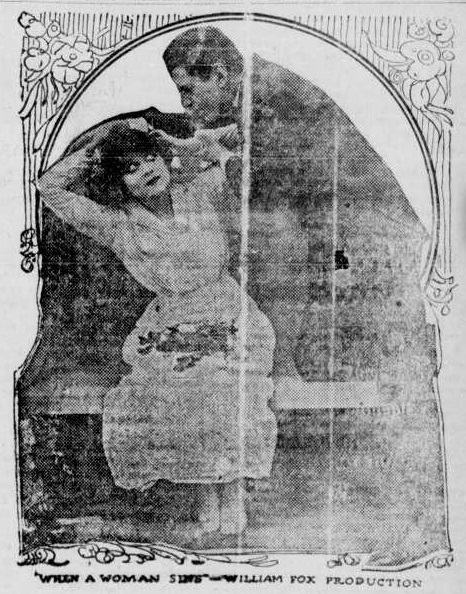
still_frame
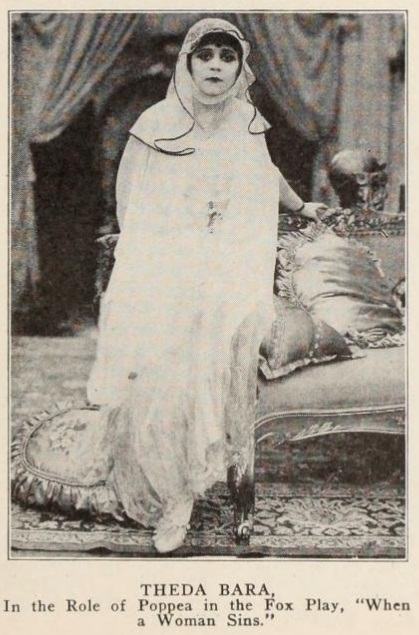
still_frame
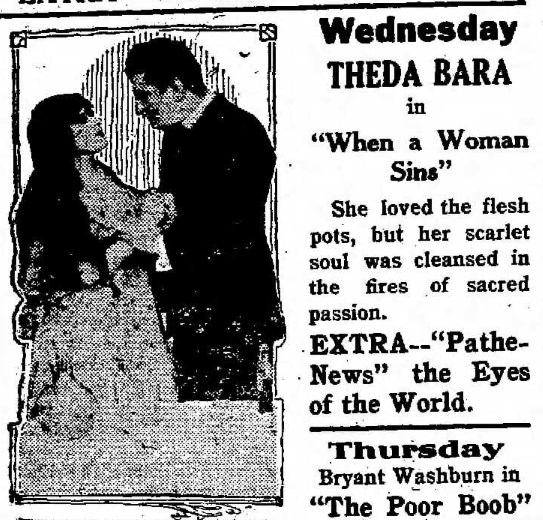
publicity
publicity
still_frame
still_frame

Comparing the cinematic DNA and archive impact of two defining moments in cult history.
J. Gordon Edwards
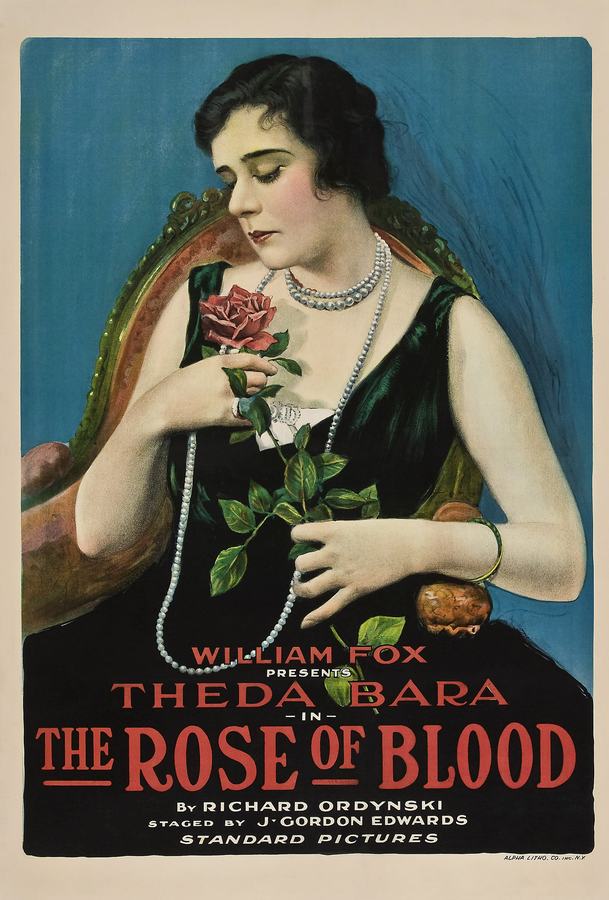
J. Gordon Edwards
Community
Log in to comment.
" The first time I saw When a Woman Sins I was alone in a loft built inside a deconsecrated church; the projector’s clack echoed off stained glass still cracked from the 1906 quake. That felt right. This picture doesn’t merely screen—it exorcises. Theda Bara, the studio’s designated man-destroyer, here dons the starch of innocence with the same scorn a panther might wear lace. Her nurse—nameless, billed only as “Lil” in the surviving continuity sheets—glides through hospital corridors like a can..."
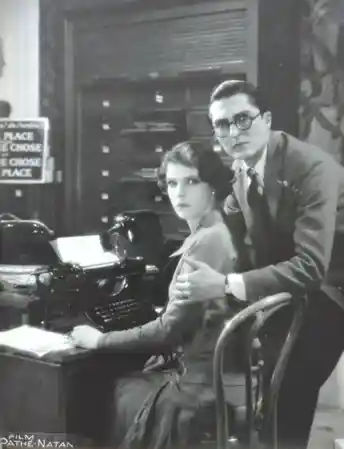

Deep dive into the cult classic
Discover similar cinematic experiences
A Directorial Spotlight on J. Gordon Edwards