DbcultAccessing Vault...
Cult Review
Senior Film Conservator
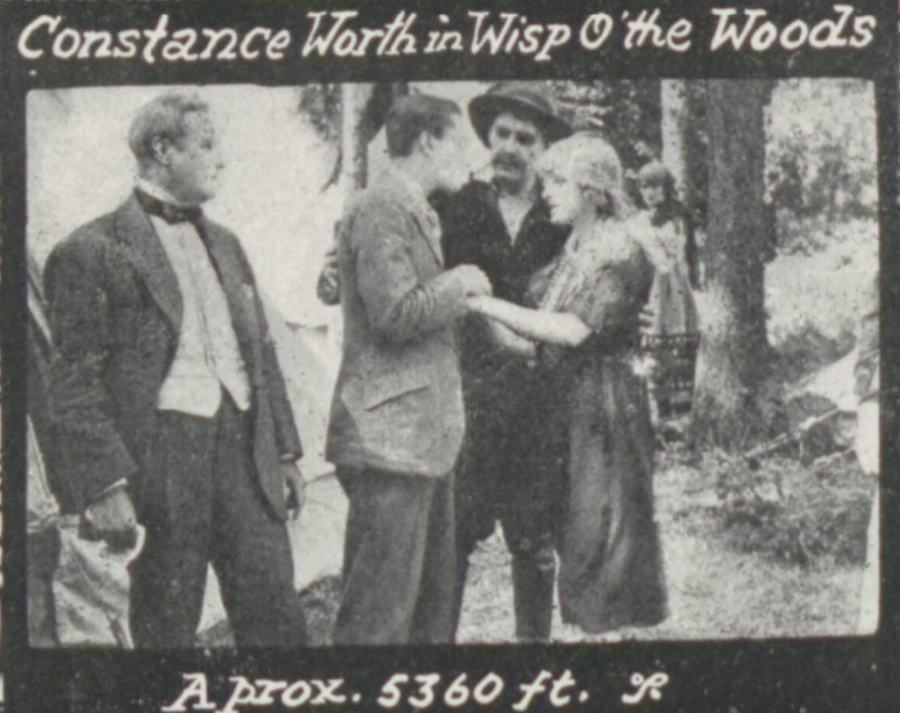
Ah, the allure of the untamed, the whisper of forgotten paths, and the intricate dance of hearts entangled by fate and societal decree. Such is the enduring charm of Wisp o' the Woods, a cinematic experience that, despite its vintage, resonates with a timeless exploration of love, identity, and the relentless chasm between rigid social strata and the wild, free spirit. It’s a narrative tapestry woven with threads of fervent passion, class conflict, and a familial secret so profound it threatens to unravel the very fabric of its characters’ existences. This isn't merely a story; it's a deep dive into the human condition, presented with a dramatic flair that was the hallmark of its era, yet feels strikingly relevant even today.
Normand McDonald, the prodigious writer behind this captivating drama, crafts a scenario that is both idyllic and fraught with impending tragedy. At its core lies a love triangle, but one imbued with layers of social disparity and a shocking twist of consanguinity. We are introduced to a wealthy scion, a young man of privilege and refined sensibilities, whose world is irrevocably altered by his encounter with a ‘nature girl’. She is a creature of the woods, untamed and unburdened by the stifling conventions of polite society, a stark contrast to his own upbringing. Their burgeoning affection forms the central axis of the narrative, a magnetic pull between two disparate worlds that seems destined for both bliss and inevitable friction. Yet, their romance is shadowed by another, more primal attachment: a mysterious gypsy, whose rugged charm and deep connection to the nature girl hint at a bond far more profound than mere affection. This gypsy, an embodiment of the wild spirit that the rich man's son finds so captivating in the girl, harbors a secret – a truth that, when revealed, will shatter preconceptions and redefine every relationship in its wake: he is her half-brother. This revelation transforms a conventional love story into a poignant exploration of forbidden desire, familial duty, and the crushing weight of hidden truths.
The ensemble cast of Wisp o' the Woods is tasked with embodying these complex roles, bringing to life the emotional turmoil and societal pressures inherent in McDonald’s script. Micheline Colleen, as the titular 'wisp' of the woods, delivers a performance that is both ethereal and grounded. Her portrayal of the nature girl is not merely one of innocence, but of an intrinsic connection to her environment, a freedom that makes her all the more alluring and, tragically, vulnerable to the machinations of a world she barely comprehends. Her eyes, often wide with wonder or clouded with burgeoning sorrow, speak volumes, conveying a depth of emotion without the need for extensive dialogue, a testament to her skill in the silent era.
Eric Maturin, cast as the rich man's son, navigates the delicate balance between aristocratic breeding and a genuine, almost primal, attraction to the nature girl. His character arc is one of awakening – from a life of predictable luxury to the tumultuous waters of forbidden love and moral quandary. Maturin imbues his role with a believable earnestness, allowing the audience to empathize with his plight as he grapples with his desires versus his societal obligations. His internal struggle, a quiet storm beneath a polished exterior, is palpable.
Perhaps the most pivotal and intriguing performance comes from S.J. Warmington as the gypsy. Warmington masterfully crafts a character shrouded in mystery and intensity. His initial portrayal evokes a sense of wildness, a possessive tenderness towards the nature girl that hints at something deeper than mere romantic rivalry. The revelation of his true relationship to her requires a nuanced performance, one that shifts the audience's perception from antagonist to a figure of tragic familial loyalty. Warmington’s ability to convey this seismic shift in character is central to the film's dramatic impact, reminding one of the complex, often morally ambiguous figures found in films like Le coupable, where hidden identities drive the core conflict.
The supporting cast members, including Maude Zimbla, Evan Thomas, Constance Worth, and Arthur M. Cullin, each contribute to the rich tapestry of this cinematic world. Their roles, whether as disapproving society figures, concerned relatives, or agents of fate, serve to underscore the pervasive societal norms and the personal stakes involved. Zimbla, in particular, may offer a contrasting figure of conventional femininity, highlighting the nature girl's unique appeal, while Thomas and Worth might embody the rigid structures that seek to contain or control the burgeoning romance. Cullin, often a figure of authority or gravitas, could be the one to reveal the devastating truth, or perhaps a sympathetic elder figure navigating the fallout.
Wisp o' the Woods is more than just a melodramatic tale; it's a philosophical inquiry into the dichotomies that define human existence. The most prominent theme is, undoubtedly, the clash between nature and civilization. The nature girl represents an idyllic, uncorrupted existence, a stark contrast to the structured, often hypocritical, world of the rich man's son. Her freedom is both her strength and her tragic flaw, as she is ill-equipped to navigate the complexities and judgments of a society alien to her.
The theme of class divide is equally potent. The wealthy heir's love for a girl from a lower, less 'civilized' background challenges the rigid social hierarchy of the era. This forbidden romance echoes narratives seen in films like Fedora or even Bread, where social expectations and inherited status often dictate the course of love and life, frequently leading to heartbreak or profound sacrifice. The film asks whether love can truly transcend these artificial barriers, or if they are, ultimately, insurmountable.
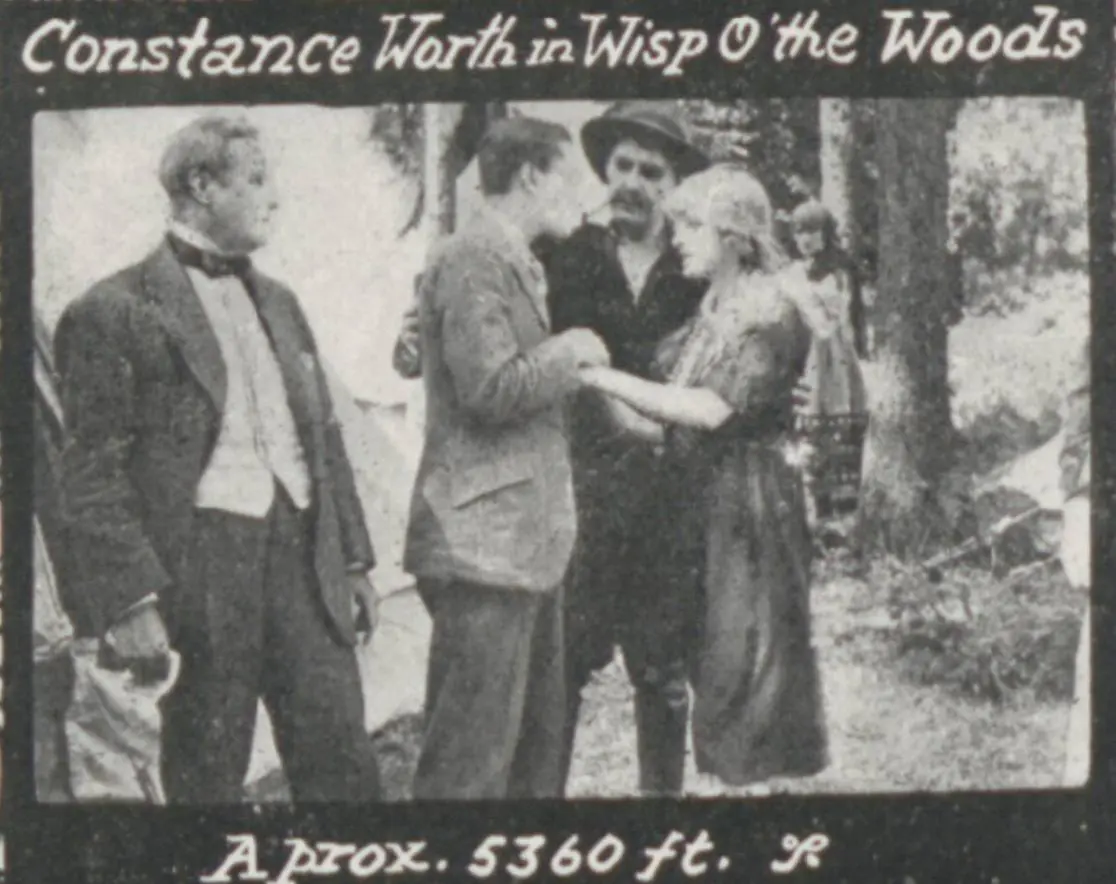
However, it is the theme of identity and hidden kinship that truly elevates Wisp o' the Woods beyond a simple romance. The gypsy's true relationship to the nature girl introduces an element of Greek tragedy, a cruel twist of fate that irrevocably alters the landscape of their affections. This exploration of secret parentage and forbidden love (in the incestuous sense, even if unintentional) resonates with the dramatic power found in works like A Sleeping Memory or Halbe Unschuld, where revelations about one's past or true lineage upend carefully constructed lives. The film delves into the moral and emotional fallout of such a discovery, forcing characters and audience alike to confront uncomfortable truths about love, family, and destiny.
While Normand McDonald is credited as the writer, in the nascent years of cinema, the vision of the scriptwriter often heavily influenced the overall directorial aesthetic. One can imagine the visual language of Wisp o' the Woods emphasizing the contrast between the lush, untamed beauty of the natural world and the opulent, yet often sterile, interiors of the wealthy estate. Cinematography would likely have played a crucial role in highlighting the nature girl's connection to the environment, perhaps through sweeping shots of forests, sun-dappled glades, and rustic settings, juxtaposed with the formal gardens and grand halls of the rich man's world. The use of natural light for outdoor scenes would imbue them with an authentic, almost spiritual quality, while the interiors might rely on more artificial, controlled lighting to reflect the societal constraints.
The pacing of the narrative, characteristic of silent-era dramas, would likely build tension through prolonged gazes, subtle gestures, and carefully orchestrated dramatic moments. The revelation of the gypsy's true identity would undoubtedly be a masterclass in visual suspense and emotional impact, perhaps utilizing close-ups to capture the shock and despair on the characters' faces. This deliberate tempo, allowing emotions to simmer and build, is a hallmark that distinguishes these early cinematic gems from the rapid-fire editing of modern film, fostering a deeper engagement with the characters' inner lives. This thoughtful construction of dramatic arcs and character development is what elevates films like The Mad Lover or The Venturers, where emotional journeys are paramount.
To fully appreciate Wisp o' the Woods, it's beneficial to consider it within the broader landscape of its contemporary cinema. The early 20th century was a fertile ground for melodramas exploring societal norms, forbidden passions, and the burgeoning consciousness of individual agency. Films like To-Day often tackled issues of morality and social standing with a directness that could be both shocking and enlightening for audiences of the time. The film's emphasis on a 'nature girl' character also ties into a romanticized view of the wilderness and purity, a trope seen in various forms across different cultures, from the noble savage archetype to the idealized pastoral life.
The narrative's exploration of a wealthy individual falling for someone outside their class was a popular dramatic device, allowing for critiques of aristocratic rigidity and the celebration of genuine emotion over inherited status. This can be seen in the romantic entanglements of films like Betty of Greystone, where social barriers are a primary source of conflict and dramatic tension. The unexpected twist of familial relation, however, injects a layer of complexity that elevates Wisp o' the Woods beyond a simple 'rich boy meets poor girl' story, pushing it into the realm of profound psychological and ethical drama.
Furthermore, the character of the gypsy, often portrayed with a mix of exoticism and suspicion in early cinema, adds another layer of social commentary. His 'otherness' makes his love for the nature girl both passionate and potentially dangerous in the eyes of conventional society. The revelation of his kinship then reframes this 'otherness' into a deeply personal, almost inescapable, bond, transforming societal prejudice into a more intimate, tragic dilemma. This kind of identity reveal, where a character's true background upends their current reality, can also be paralleled with films such as The Princess of Patches or even the more adventurous spirit of Rustling a Bride, albeit with very different tones and outcomes.
In its essence, Wisp o' the Woods is a testament to the power of storytelling to explore the deepest recesses of the human heart and the most formidable obstacles placed in its path. It is a film that, through its intricate plot and evocative characterizations, delves into questions of belonging, the nature of love, and the devastating consequences of secrets. The performances, particularly by Micheline Colleen and S.J. Warmington, would have undoubtedly left a profound impression on contemporary audiences, drawing them into a world where the lines between right and wrong, love and duty, are blurred by the cruel hand of fate.
While comparisons to more overtly adventurous or comedic films like Cyclone Smith Plays Trumps or Heap Big Chief are obviously inappropriate given the dramatic weight, the film's ability to captivate and provoke thought places it firmly alongside other significant dramas of its time, such as The Devil's Bondwoman, which similarly grappled with intense emotional conflicts and moral dilemmas.
Ultimately, Wisp o' the Woods stands as a powerful example of early cinematic artistry, a reminder that the enduring themes of love, loss, and the search for identity have captivated audiences across generations. It’s a film that invites us to reflect on the forces that shape our lives – be they societal expectations, personal desires, or the inescapable bonds of blood – and leaves us pondering the delicate, often tragic, balance between them. A truly remarkable piece of cinematic history, deserving of its place in the annals of classic drama.
IMDb 6.9
1933
Community
Log in to comment.