DbcultAccessing Vault...
5.2/10
Senior Film Conservator
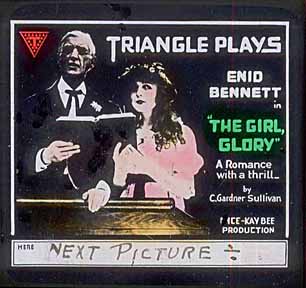
A definitive 5.2/10 rating for a film that redefined the boundaries of cult cinema. The Girl, Glory remains a cornerstone of transgressive art.
In the annals of early cinema, certain films, though perhaps not immediately recognized by contemporary audiences, possess an undeniable resonance, offering profound insights into the human condition. 'The Girl, Glory' stands as one such cinematic artifact, a narrative tapestry woven with threads of unwavering familial devotion, the insidious grip of addiction, and the quiet heroism found in everyday struggles. Directed with a keen eye for emotional nuance and penned by C. Gardner Sullivan, this 1917 feature transcends its era, presenting a timeless tale that continues to provoke thought and stir the heart long after the flickering images fade.
At the core of this compelling drama is Glory Wharton, brought to life with remarkable sensitivity and understated power by the luminous Enid Bennett. Bennett, a prominent star of the silent era, imbues Glory with a profound sense of purpose that belies her youthful demeanor. Her performance is a masterclass in conveying complex emotions through subtle gestures and expressive eyes, a hallmark of the finest silent acting. Glory is not merely a dutiful granddaughter; she is the moral compass and emotional anchor of her small world, a beacon of hope against the encroaching darkness of her grandfather's alcoholism. Her determination to pry Jed from the clutches of his vice is not born of judgment, but of an unconditional love that refuses to surrender. We witness her quiet despair, her moments of exasperation, and her persistent, almost saintly patience as she navigates the unpredictable currents of Jed's addiction. It’s a performance that reminds one of the quiet strength often found in female protagonists of the era, much like the resilient spirit seen in films such as M'Liss, where a young girl must also find her inner fortitude amidst challenging circumstances.
Opposite Bennett, J.P. Lockney delivers a truly unforgettable performance as Jed Wharton, the Civil War veteran whose glory days are now overshadowed by a relentless thirst for drink. Lockney’s portrayal is multi-faceted, avoiding the simplistic caricature of an alcoholic. Jed is not merely a drunkard; he is a man haunted by memories, perhaps seeking solace in the bottom of a bottle from the very war stories he so readily shares. His ability to captivate an audience with his vivid war narratives stands in stark contrast to his private torment, a dichotomy that Lockney handles with masterful skill. The film subtly suggests that his drinking problem might be a form of self-medication, a way to numb the lingering psychological scars of conflict, a concept that resonates deeply even today. Lockney conveys Jed's moments of remorse, his fleeting promises, and his inevitable relapses with a heartbreaking authenticity that elicits both pity and frustration from the viewer. It's a portrayal that captures the tragic cycle of addiction, much like the destructive forces explored in The Grasp of Greed, though here the vice is personal rather than purely financial.
'The Girl, Glory' excels in its exploration of themes that remain perpetually relevant. The struggle against addiction is depicted not as a moral failing, but as a profound illness that impacts not only the individual but also their entire familial ecosystem. Glory’s unwavering commitment to her grandfather becomes a powerful testament to the redemptive power of love and perseverance. The film deftly avoids didacticism, instead presenting a nuanced portrayal of a pervasive social issue. It highlights the often-unseen sacrifices made by family members, the emotional toll of constant vigilance, and the fragile hope that fuels their efforts. The narrative arc, while seemingly simple, is imbued with significant emotional weight, drawing the audience into Glory's world of quiet desperation and tenacious hope.
Furthermore, the film subtly touches upon the lingering shadows of war. Jed Wharton's war stories, while entertaining, are also a constant reminder of a traumatic past. His drinking can be seen as a coping mechanism, a way to escape the ghosts of battle. This adds a layer of psychological complexity to his character, transforming him from a simple 'drunk' into a man grappling with deep-seated trauma. The film, in its own way, foreshadows later cinematic explorations of post-traumatic stress, demonstrating a remarkable prescience for its time. The domestic drama unfolds against this larger societal backdrop, giving the personal struggle a broader, more universal significance. The emotional intensity often rivals that found in other powerful domestic dramas of the era, such as The Fatal Wedding, which also delves into the complex dynamics within a family unit.
C. Gardner Sullivan, primarily known as a prolific writer, crafts a screenplay here that is both economical and emotionally rich. In the silent era, the screenplay's power lay not just in dialogue (which was limited to intertitles) but in its ability to construct situations ripe for visual storytelling and emotional expression. Sullivan’s narrative structure for 'The Girl, Glory' is a testament to this craft, allowing the actors ample scope to convey internal states through physicality and facial expression. The pacing is deliberate, allowing the audience to fully absorb the emotional beats of Glory's struggle and Jed's intermittent moments of clarity and weakness. The intertitles, rather than merely advancing the plot, often serve to deepen our understanding of the characters' inner thoughts or to provide poignant commentary on the unfolding drama. This thoughtful approach ensures that even without spoken words, the audience feels intimately connected to the characters' plight.
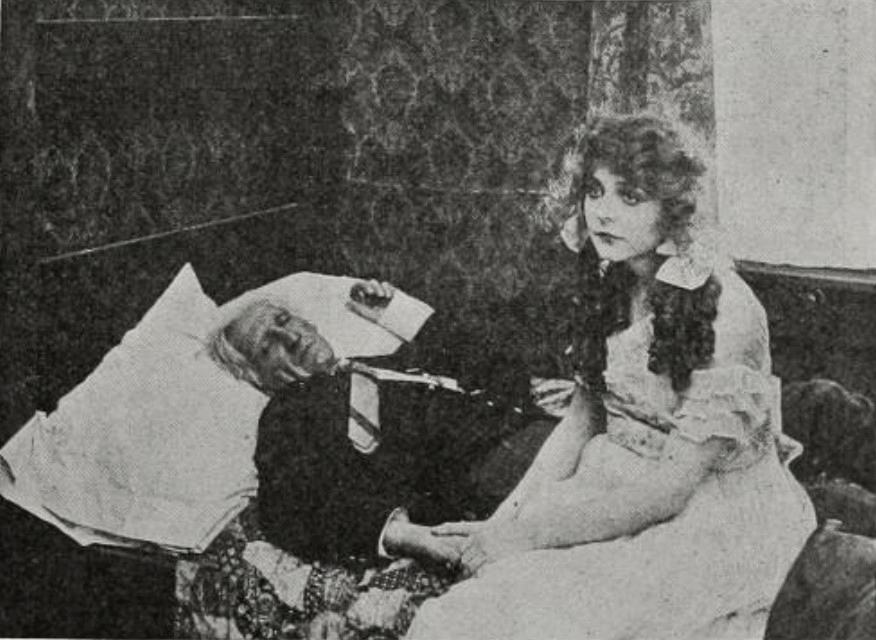
The direction, while perhaps less ostentatious than some of its contemporaries, is effective in its focus on character and emotional impact. Close-ups are utilized judiciously, drawing the viewer into the characters' internal worlds, particularly those of Enid Bennett and J.P. Lockney. The visual composition often underscores the isolation Jed feels in his addiction, and Glory’s solitary burden. Scenes depicting Glory's attempts to hide liquor or Jed's furtive search for it are handled with a realistic tension that builds palpable suspense. The film’s aesthetic, while adhering to the conventions of the time, prioritizes clarity of narrative and emotional resonance over grand spectacle, a choice that ultimately serves the intimate nature of the story.
While Enid Bennett and J.P. Lockney anchor the film, the supporting cast, including Marjorie Bennett, Walt Whitman, Darrell Foss, and William Warters, contribute significantly to the film's texture. Their presence helps to establish the community context, showing how Jed's addiction impacts not just his immediate family but also those around him. Marjorie Bennett, in particular, often provides a contrasting perspective or a moment of relief, however brief, from the central drama. These characters, though perhaps not as deeply explored, serve as vital components in painting a complete picture of the film's world, offering reactions and interactions that underscore the human cost of Jed's struggle and the widespread admiration for Glory's tenacity. Their roles, though seemingly secondary, are crucial in grounding the narrative in a believable social fabric, much like how the surrounding community influences the central figures in a film like The White Scar, albeit with different thematic concerns.
'The Girl, Glory' might not possess the grand scale or revolutionary techniques of some of its more celebrated contemporaries, but its strength lies in its profound humanity and unwavering focus on character. It reminds us that even in the earliest days of cinema, filmmakers were grappling with complex social issues and exploring the intricate workings of the human heart. The film’s portrayal of addiction and recovery, viewed through the lens of familial love, remains surprisingly fresh and relevant. It eschews easy answers, presenting the struggle as an ongoing battle, a series of small victories and disheartening setbacks, a cycle familiar to anyone who has witnessed or experienced such a fight. This realism, combined with the powerful performances, elevates the film beyond a mere historical curiosity into a work that still resonates emotionally.
For modern audiences, 'The Girl, Glory' offers a valuable window into the narrative sensibilities and acting styles of the silent era. It demonstrates the immense power of non-verbal communication and the ability of cinema to convey deep emotional truths without a single spoken word. The film challenges the notion that silent films are simplistic or melodramatic, instead revealing a sophisticated understanding of human psychology and social dynamics. Its quiet intensity and poignant narrative make it a compelling watch for anyone interested in the evolution of storytelling in film or those seeking a moving drama about resilience and the enduring strength of human connection. It stands as a testament to the fact that compelling narratives, regardless of their age, possess an inherent capacity to move and inspire, much like the timeless moral dilemmas explored in The Crucible, though through a starkly different historical and narrative lens.
Ultimately, 'The Girl, Glory' is more than just a historical film; it is a profound meditation on the nature of love, sacrifice, and perseverance. It asks us to consider the depths of our commitment to those we cherish, even when faced with seemingly insurmountable obstacles. Glory Wharton's journey is a powerful reminder that true strength often lies not in grand gestures, but in the quiet, day-to-day struggle to uplift and support those we love. The film’s narrative, while specific to its time and characters, taps into universal emotions, making its message of hope and resilience eternally relevant. It encourages empathy, understanding, and a renewed appreciation for the quiet battles fought within the confines of a home. This cinematic gem, though perhaps overshadowed by more famous titles, deserves to be rediscovered and celebrated for its genuine emotional power and its timeless exploration of the human spirit's capacity for unwavering devotion.
The film's exploration of Jed's addiction and Glory's tireless efforts to help him transcends a mere plot point; it becomes a symbol for any deeply entrenched personal struggle that requires immense courage and consistent support to overcome. The nuanced performances, especially from Bennett and Lockney, ensure that these characters feel less like archetypes and more like real individuals caught in a painful, yet ultimately hopeful, cycle. The subtle visual cues, the deliberate pacing, and the well-crafted intertitles all converge to create an experience that is deeply affecting, demonstrating the sophisticated artistry present in early cinema. It is this unwavering focus on the human element, rather than sensationalism, that grants 'The Girl, Glory' its enduring charm and its continued relevance in the discourse of cinematic history. This dedication to portraying the raw, often difficult, facets of human existence can be seen as a precursor to later, more explicit dramas, highlighting the film's surprisingly modern sensibility despite its age. It stands as a powerful testament to how early filmmakers could tackle sensitive subjects with both grace and profound insight.
IMDb 6.1
1933
Community
Log in to comment.