DbcultAccessing Vault...
Cult Review
Senior Film Conservator
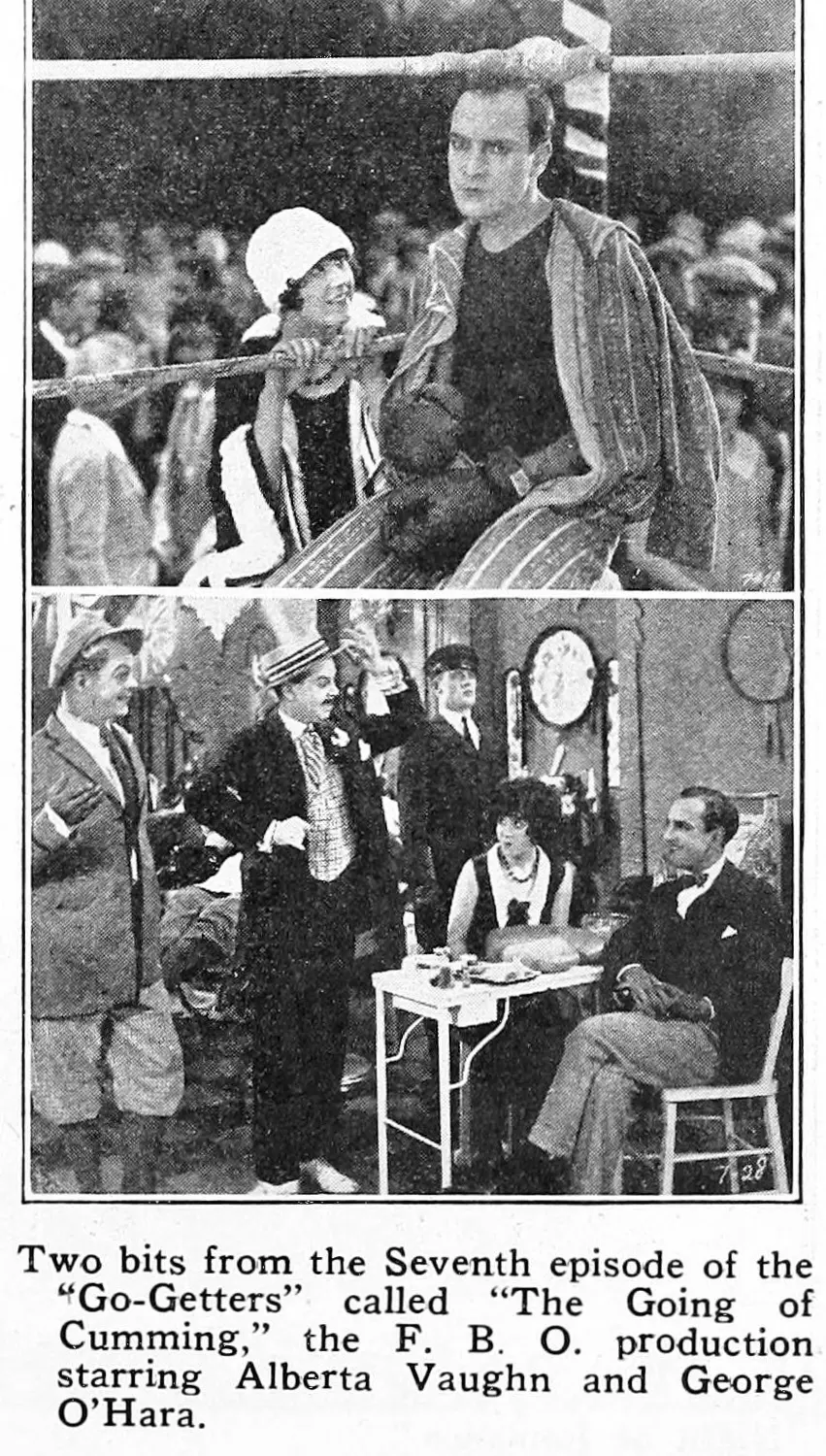
The screen opens to a gritty boxing ring, the tension palpable as Harold squares off against Ted. The atmosphere is charged with anticipation, the fate of the bout hanging in the balance. Yet, an unexpected twist is about to change everything. A regular fighter, Cumming, is hastily brought in, and Harold, already at a disadvantage, seems to be struggling. The narrative takes a turn when Peggy, his ally, recalls a peculiar quirk of Harold's – his penchant for being utterly flustered by a stuttering song called 'Katy.' With a stroke of ingenuity, she brings a phonograph into the ring, and the song's unexpected performance sends Cumming to the floor, leaving Harold with a decisive victory. This film, a delightful mix of comedy and drama, offers a fresh perspective on the genre, blending elements of the boxing subculture with a touch of whimsy.
Stanley Taylor delivers a commendable performance as Harold, navigating the complexities of a character who is both a fighter and a man of quirks. His physicality and emotional range are on full display, making the audience empathize with his journey. Al Cooke and Alberta Vaughn also stand out, bringing depth and nuance to their roles, particularly in scenes that require subtle emotional subtext. The chemistry between these actors is palpable, enhancing the film's overall impact.
George Marion Jr., the writer, has crafted a screenplay that is both clever and poignant. The plot, while seemingly simple, is imbued with layers of meaning, inviting viewers to ponder the finer points of human nature. The use of music as a plot device is particularly inventive, providing a thematic undercurrent that runs throughout the film. This creative element not only adds to the entertainment value but also serves as a poignant reminder of how external stimuli can influence our actions.
When compared to other films such as 'Kennedy Square' and 'The Drivin' Fool,' 'The Going of Cumming' stands out with its unique blend of genres. The boxing sequences are engaging without being overly graphic, and the comedic elements are well-timed, ensuring that the audience is never left cold. The film's pacing is well-managed, allowing for both tension and relief to build organically. The supporting cast, including George O'Hara and Kit Guard, contribute significantly to the film's success, adding depth to the ensemble and ensuring that no character feels two-dimensional.
The setting, a boxing ring, serves as a microcosm of the broader themes explored in the film. It is a place of competition, where winners and losers are determined, but also a space where characters find moments of connection and humanity. The film's exploration of these themes is both nuanced and accessible, making it a film that is suitable for a wide audience. The use of the boxing ring as a backdrop also serves as a metaphor for the film's structure, where each round represents a new challenge or revelation.
One of the standout aspects of 'The Going of Cumming' is its ability to balance comedy and drama seamlessly. The film does not shy away from the darker aspects of human nature, but it also finds moments of levity, creating a dynamic that keeps the audience engaged. The performances are another highlight, with each actor contributing to the film's overall tone and atmosphere. The chemistry between the lead actors and the supporting cast is evident, creating a sense of cohesion that is rarely seen in films of this era.
The film's cinematography is another strength. The boxing sequences are captured with a sense of urgency and intensity, while the quieter moments are filmed with a more contemplative eye. The use of the phonograph to bring about Cumming's downfall is a masterful stroke, providing a moment of pure visual and auditory delight. The film's visual style complements the narrative, enhancing the storytelling and making the experience more immersive.
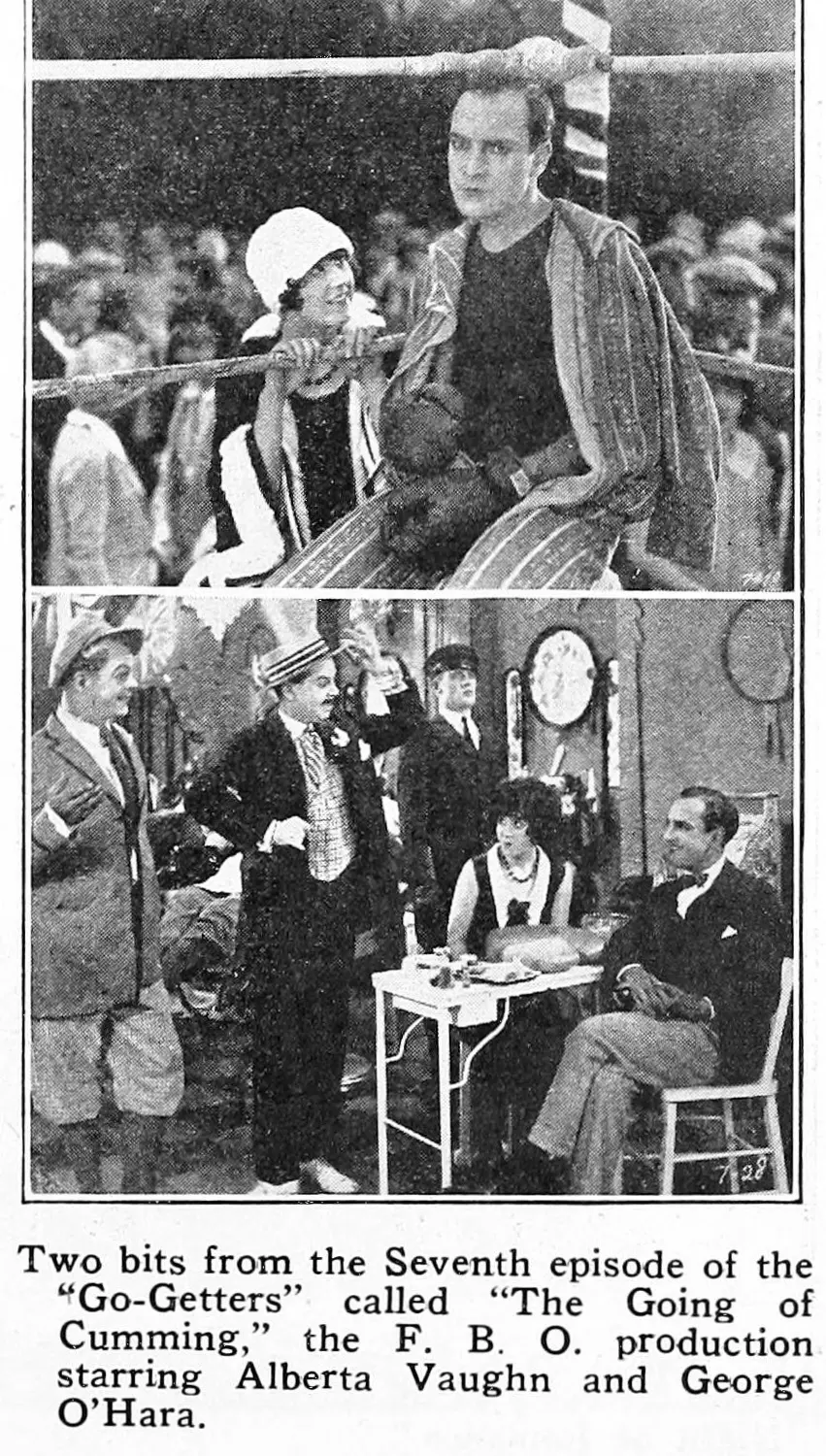
While 'The Going of Cumming' may not be a film that will achieve widespread recognition, it is a gem that deserves to be rediscovered. It offers a fresh perspective on the boxing genre, blending it with elements of drama and comedy in a way that is both innovative and accessible. The film's ability to evoke a range of emotions, from tension to laughter, makes it a standout in its category. For those with a keen interest in classic films, 'The Going of Cumming' is a must-see.
Stanley Taylor's portrayal of Harold is a tour de force, showcasing a range of emotions that resonate deeply with the audience. His physicality and the way he interacts with his surroundings add a layer of authenticity to the character. In a boxing context, this is particularly important, as the fight sequences require a blend of strength and agility. Taylor's performance is anchored by a strong central core, making the character relatable and endearing.
The supporting cast, particularly Al Cooke and Alberta Vaughn, bring a wealth of experience to their roles. Cooke's portrayal of Ted is nuanced, drawing the audience into the character's psyche and motivations. His interactions with Taylor are a highlight, providing moments of tension and camaraderie that are both believable and engaging. Vaughn's character, Peggy, is a focal point of the film's emotional arc. Her presence is felt throughout, providing a counterpoint to the boxing scenes and adding a layer of complexity to the narrative. Her interactions with Taylor are particularly poignant, creating a sense of connection that is both moving and authentic.
The film's soundtrack is another standout feature. The use of the 'Katy' song as a plot device is both innovative and effective. Its inclusion in the boxing ring serves as a powerful metaphor, highlighting the character's vulnerability and the way external stimuli can influence his actions. The song's presence is felt throughout the film, creating a thematic undercurrent that ties the narrative together. The music is not just a backdrop but an integral part of the storytelling, enhancing the emotional impact of key scenes.
One of the strengths of 'The Going of Cumming' is its ability to balance drama and comedy. The film does not rely on one genre to the exclusion of the other, but instead finds a harmonious balance. The comedy is well-timed and delivered with a sense of wit, while the drama is handled with sensitivity and nuance. The film's pacing is well-managed, allowing for both tension and relief to build organically. The use of the boxing ring as a setting is particularly effective, as it is a place where the characters can be pushed to their limits, both physically and emotionally.
The film's exploration of the boxing subculture is also a strength. It provides a glimpse into a world that is both familiar and alien, offering insights into the lives of those who participate in this sport. The film's portrayal of the boxing ring is both realistic and stylized, creating a sense of authenticity that is rare in films of this era. The fight scenes are well-choreographed, providing a sense of realism without being overly graphic. The use of the ring as a metaphor for the broader narrative is particularly effective, as it serves as a microcosm of the characters' journeys.
One of the film's most significant strengths is its ability to evoke a range of emotions. The film is not just a piece of entertainment, but also a work of art that explores the human condition. The way it handles the theme of vulnerability is particularly effective, drawing the audience into the characters' experiences and making them feel a sense of connection. The film's ability to balance these emotions is a testament to the skill of the cast and crew.
In conclusion, 'The Going of Cumming' is a film that deserves to be celebrated for its unique blend of genres, its strong performances, and its innovative use of music as a plot device. It is a film that offers a fresh perspective on the boxing genre and provides a glimpse into a world that is both familiar and alien. For those with an interest in classic films, 'The Going of Cumming' is a must-see, a reminder of the power of cinema to explore the human experience in a meaningful and engaging way.

IMDb —
1928
Community
Log in to comment.