DbcultAccessing Vault...
6.2/10
Senior Film Conservator
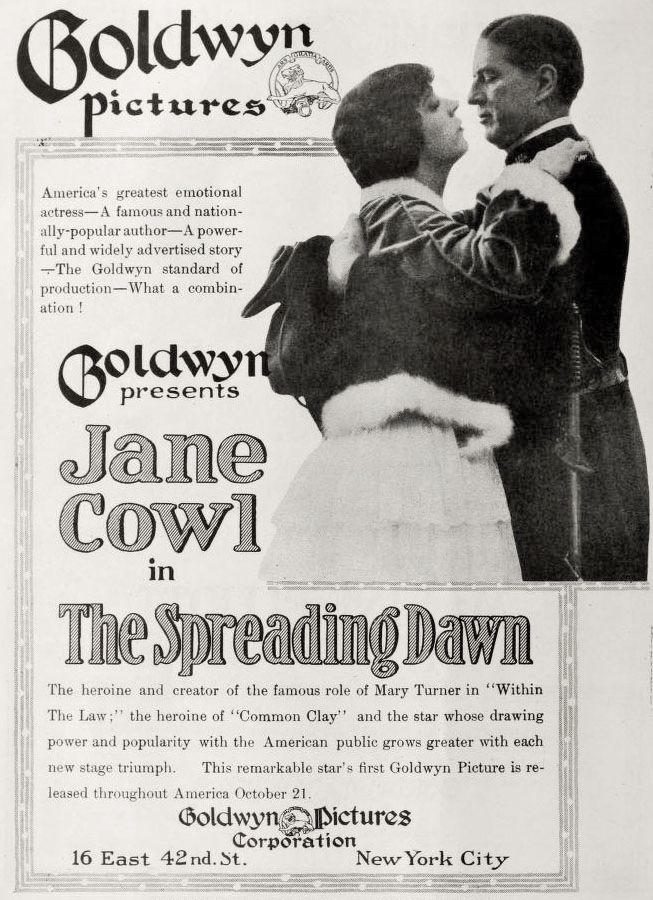
A definitive 6.2/10 rating for a film that redefined the boundaries of cult cinema. The Spreading Dawn remains a cornerstone of transgressive art.
In the pantheon of early silent cinema, few works achieve the sheer atmospheric density and emotional gravitas found in The Spreading Dawn. Released in 1917, a year defined by the global upheaval of the Great War, this film serves as a poignant mirror, reflecting contemporary anxieties through the prism of the American Civil War. It is not merely a melodrama; it is a sophisticated study of how the specters of the past can paralyze the living, and how the simple act of reading—of uncovering a hidden truth—can catalyze a profound spiritual liberation.
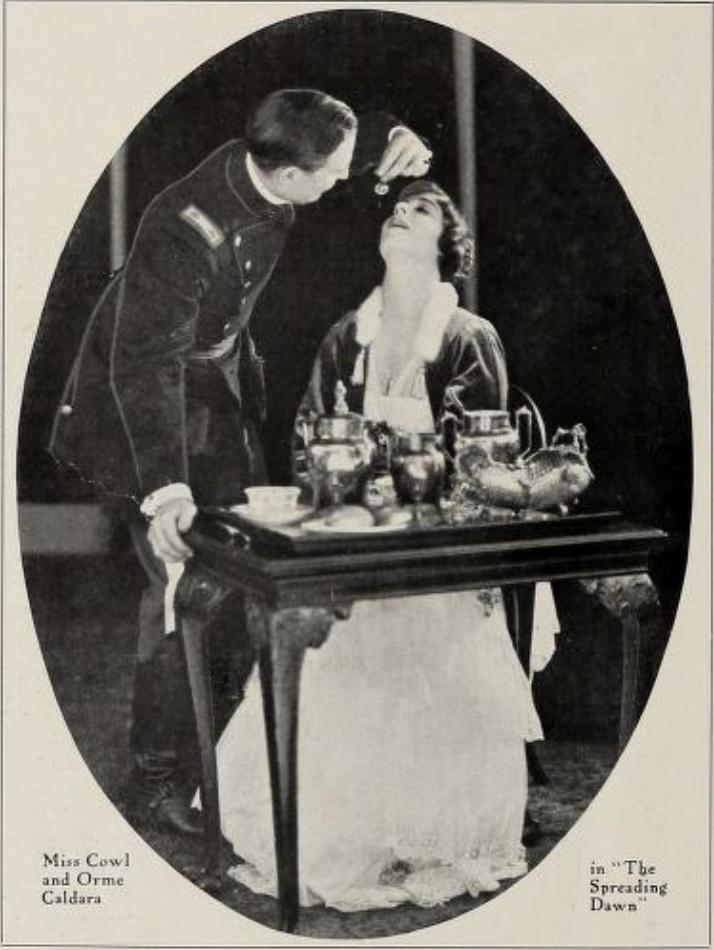
The centerpiece of this production is undoubtedly Jane Cowl. Transitioning from the stage to the flickering light of the silver screen, Cowl brings a nuanced physicality that avoids the overwrought gesticulation common in the era's lesser works. As Patricia Mercer Vanderpyl, she occupies two distinct temporalities: the withered, cynical matriarch of the 1910s and the vibrant, hopeful bride of the 1860s. Her performance is a masterclass in internal conflict, illustrating the slow calcification of a heart under the weight of perceived betrayal.
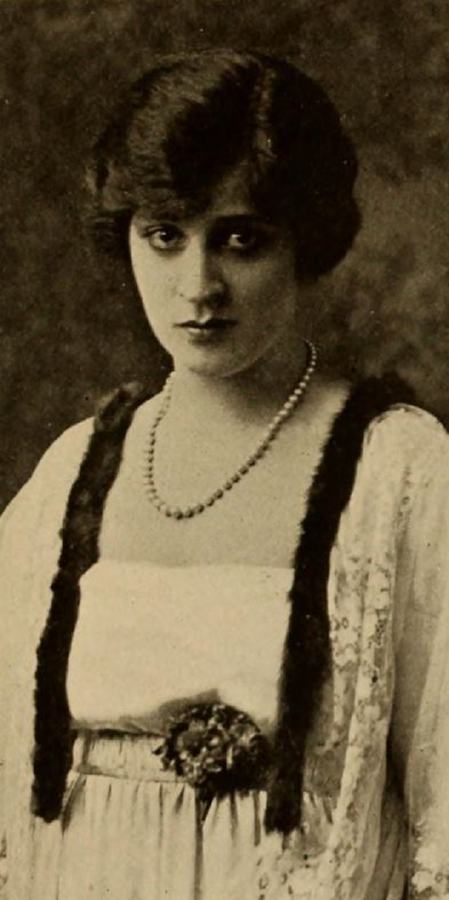
Unlike the more overtly moralistic tones found in Enlighten Thy Daughter, which sought to instruct through social warning, The Spreading Dawn operates on a more intimate, psychological level. Cowl’s face becomes a landscape of grief, her eyes capturing the stygian darkness of a woman who has lived for fifty years in a self-imposed prison of silence. It is a performance that resonates with the same intensity seen in The Recoil, yet it possesses a unique, ethereal quality that is entirely its own.
The film’s structural brilliance lies in its use of the diary as a narrative conduit. This epistolary framing device allows the director and writer Basil King to weave a complex tapestry of causality. The transition from the "present"—where Georgina (played with a delicate earnestness by Mabel Ballin) pleads for her future—to the antebellum past is handled with a fluidity that was revolutionary for 1917. We are not merely told of Patricia’s pain; we are immersed in the very moments of its inception.
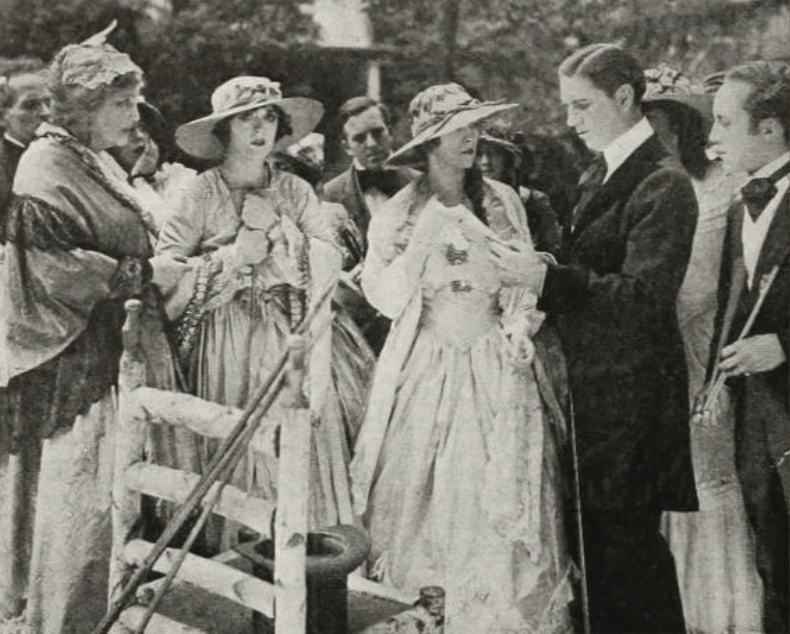
The depiction of the Civil War is notably personal rather than panoramic. While films like The Second in Command often lean into the martial spectacle of military life, The Spreading Dawn focuses on the domestic casualties of war. The conflict serves as a catalyst for Anthony Vanderpyl’s departure, but the true battleground is the morality of the characters involved. The tension between duty to country and duty to family is palpable, particularly in the scenes involving Anthony’s brother, Bentley, whose moral failings provide the catalyst for the central misunderstanding.
At the heart of the film’s tension is the sealed letter—a physical manifestation of Patricia’s refusal to confront the possibility of her own error. This motif of the unread message is a powerful cinematic trope, one that echoes through the decades of film history. By refusing to open the letter, Patricia preserves her anger, using it as a shield against the vulnerability of loss. She would rather believe her husband was a philanderer than face the agonizing ambiguity of his death.
The cinematography during these sequences utilizes the interplay of light and shadow to emphasize Patricia’s isolation. The mansion she inhabits is a mausoleum of memory, filled with the dust of half-forgotten dreams. This aesthetic of decay stands in stark contrast to the vibrant, albeit tragic, flashbacks. The visual language here is far more sophisticated than the straightforward storytelling found in What Happened to Father, opting instead for a symbolic depth that rewards the attentive viewer.
The final act of The Spreading Dawn is a masterstroke of early cinema emotionalism. When Georgina finally breaks the seal of the letter, the revelation of Anthony’s innocence is not just a plot twist; it is a spiritual exorcism. The letter reveals that Anthony’s visit to Mrs. Le Roy was an act of sacrificial love, an attempt to save his brother’s reputation at the risk of his own. The irony is crushing: Patricia’s fifty years of hatred were built upon a foundation of absolute virtue.
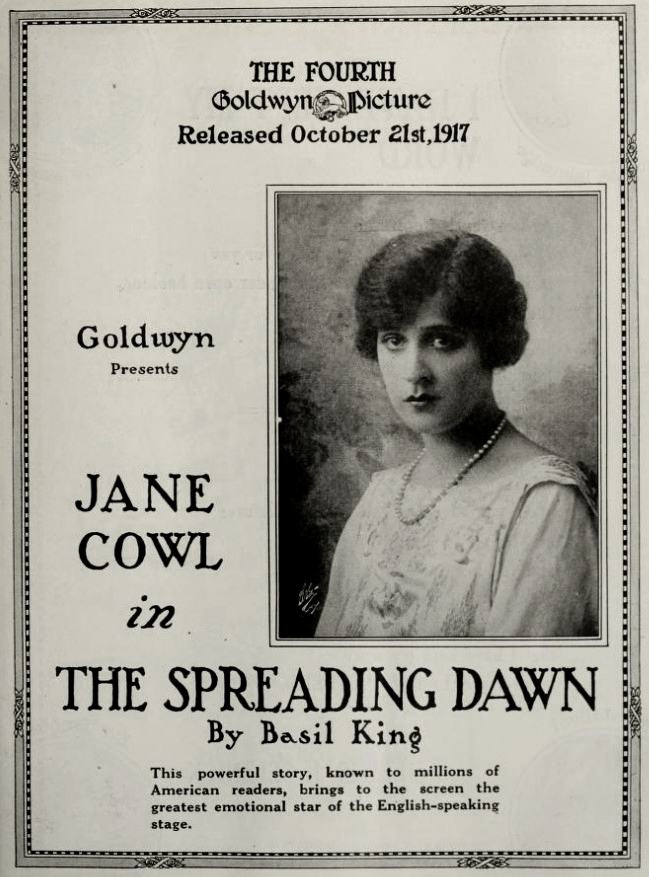
The death of Patricia, occurring almost immediately after this revelation, is depicted not as a tragedy, but as a homecoming. The "spreading dawn" of the title refers to the afterlife, a celestial space where the misunderstandings of the material world are dissolved. The visual effects used to depict Patricia’s transition—her reunion with Anthony—are remarkably poignant for the era. It evokes a sense of cosmic justice that is often missing from contemporary dramas, which frequently favor cynical resolutions.
In comparing this work to other films of the period, such as The Fortunes of Fifi or the haunting The Doom of Darkness, one notes a significant difference in thematic maturity. While many 1917 films were content with simple archetypes, The Spreading Dawn explores the grey areas of human motivation. Anthony is not a flawless hero; he is a man caught in a web of familial loyalty that ultimately costs him his life and his reputation.
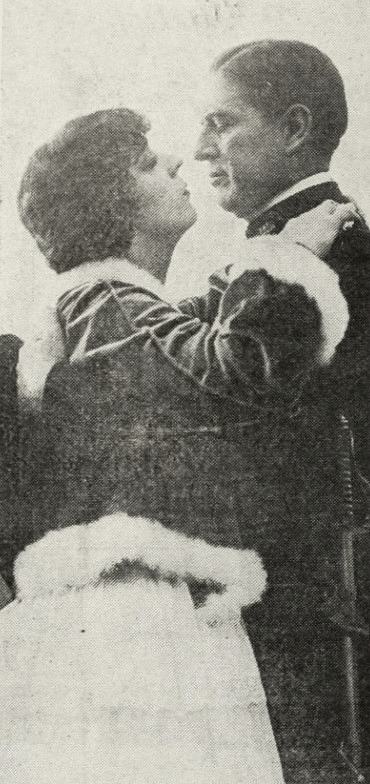
Furthermore, the film’s treatment of the "fallen woman" (Mrs. Le Roy) and the "jealous husband" is handled with a restraint that prevents the film from descending into pure camp. There is a tragic inevitability to the violence, a sense that these characters are all puppets of a larger, historical destiny. This depth of characterization is what elevates the film above standard melodramatic fare like Lord Loveland Discovers America.
The direction (often attributed to the collaborative efforts of the studio's top talent under the Goldwyn banner) showcases a keen eye for composition. The use of depth of field, though primitive by modern standards, effectively separates the characters from their environments, emphasizing their psychological isolation. The costumes and set design for the 1860s sequences are meticulously crafted, providing a sense of historical verisimilitude that anchors the more fantastical elements of the story.
Special mention must be made of the editing. The way the film cuts between the reading of the diary and the enactment of the scenes creates a rhythmic pulse that mirrors the act of remembering. This is a far cry from the disjointed pacing of Bristede Strenge or the experimental but sometimes confusing Dämon und Mensch. In The Spreading Dawn, every frame serves the central emotional arc.
As a critic, one is often searching for those rare instances where the limitations of an era’s technology are transcended by the universality of its story. The Spreading Dawn is such an instance. It deals with themes that are as relevant today as they were over a century ago: the danger of assumptions, the weight of family secrets, and the redemptive power of the truth. It is a film that demands to be seen not just as a historical curiosity, but as a living, breathing piece of art.
Whether you are a devotee of silent film or a casual viewer looking for a story with genuine heart, this film offers a rich, rewarding experience. It stands alongside classics like A Daughter of the Sea in its ability to evoke a specific time and place while speaking to the eternal human condition. In the end, we are all like Patricia, waiting for our own "spreading dawn" to clear the shadows of our misunderstandings and lead us toward a place of peace.
IMDb 4.8
1928
Community
Log in to comment.