DbcultAccessing Vault...
5.2/10
Senior Film Conservator
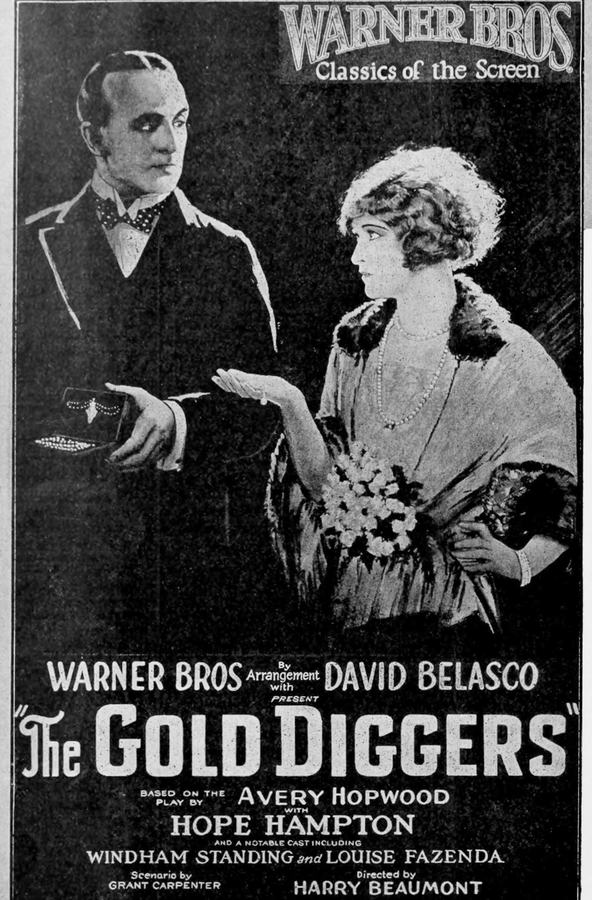
A definitive 5.2/10 rating for a film that redefined the boundaries of cult cinema. The Gold Diggers remains a cornerstone of transgressive art.
The year is 1923, and the silver screen, still largely silent, hums with the vibrant energy of the Roaring Twenties. Amidst this cultural effervescence arrives The Gold Diggers, a film that, even a century later, feels remarkably prescient in its dissection of societal prejudices, the intoxicating allure of wealth, and the unexpected pathways of the human heart. Far from a mere period piece, this cinematic gem, adapted from Avery Hopwood’s immensely popular 1919 Broadway play, stands as a testament to the enduring power of narrative to explore the complexities of human motivation and the often-comical dance between perception and reality. It’s a delightful, insightful romp that challenges its audience to look beyond superficial labels and consider the genuine article beneath the glittering facade.
At its core, The Gold Diggers is a masterful exploration of class, suspicion, and the transformative power of love. The narrative pivots around Stephen Lee, a man of considerable means but rigid principles, portrayed with a compelling blend of gravitas and eventual vulnerability by Michael Dark. Stephen is convinced that all chorus girls are, by definition, fortune hunters – a sweeping condemnation born more of societal stereotype than personal experience. This deep-seated cynicism forms the primary dramatic engine, driving the initial conflict as he vehemently opposes his nephew Wally’s (John Harron) sincere affection for Violet (Peggy Browne), a charming, unassuming chorus girl.
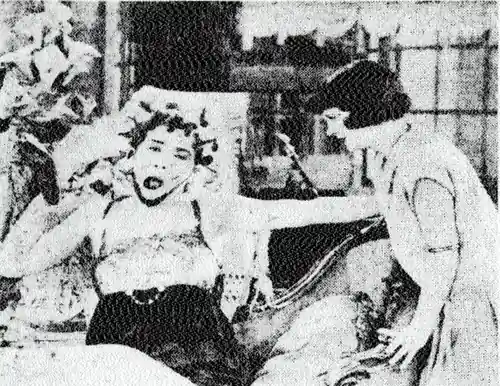
The film brilliantly sets up this dichotomy: the innocent, genuine love of Wally and Violet, contrasted sharply with Stephen’s hardened, cynical worldview. It's a classic setup, but the genius lies in the execution, particularly through the character of Jerry, brought to life with captivating vivacity by Anne Cornwall. Jerry, Violet’s fiercely loyal friend, observes Stephen’s obstinate prejudice and concocts a plan both audacious and morally ambiguous: she will impersonate the very archetype Stephen despises, a calculating gold digger, to expose the folly of his blanket judgments. Her intention is noble – to clear Violet’s name and prove that sincerity can exist even in the most maligned professions. Yet, as so often happens in the intricate ballet of human interaction, intentions can diverge from outcomes, leading to a delightful, unforeseen romantic entanglement.
Anne Cornwall’s portrayal of Jerry is nothing short of magnetic. She embodies the spirit of the era – a woman of wit, independence, and a keen understanding of social dynamics. Her initial performance as a gold digger is a masterclass in calculated charm, a delightful charade designed to manipulate Stephen’s prejudices. She is bold, direct, and utterly charming in her audacity, making it easy to understand why Stephen, despite his initial wariness, finds himself increasingly drawn to her. This isn't just about a woman scheming for money; it's about a woman using intelligence and theatricality to challenge a societal norm. It’s a far cry from the more passive female roles sometimes seen in films of the period, like certain depictions in Woman and Wife, where women often navigate societal constraints with less overt agency. Jerry, by contrast, takes the reins of her own narrative.
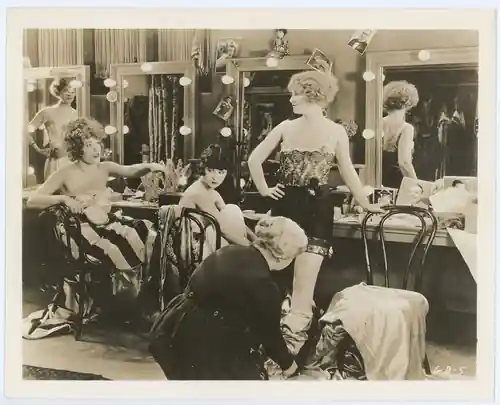
The beauty of the plot, skillfully adapted by Grant Carpenter and Avery Hopwood, lies in the gradual, almost imperceptible shift in Jerry’s motivations. What begins as a strategic maneuver slowly morphs into genuine affection. As she spends more time with Stephen, she begins to see beyond his gruff exterior and his ingrained biases, discovering a man capable of warmth and depth. Simultaneously, Stephen, confronted by Jerry’s vivacious presence and her surprisingly direct, if ostensibly mercenary, charm, finds his rigid worldview beginning to crack. His initial disdain for her perceived intentions gives way to an undeniable attraction, creating a delicious irony that propels the latter half of the film.
This transformation is handled with a delicate touch, avoiding heavy-handed melodrama. The silent film medium, with its reliance on exaggerated expressions and nuanced body language, proves particularly effective here. Cornwall and Dark communicate volumes with a glance, a subtle smile, or a hesitant gesture. The audience is privy to Jerry’s internal conflict, the battle between her original mission and her burgeoning feelings, making her a deeply sympathetic and complex character. It’s a narrative arc that speaks to the unexpected nature of love, how it can bloom in the most unlikely of circumstances and challenge even the most entrenched beliefs.
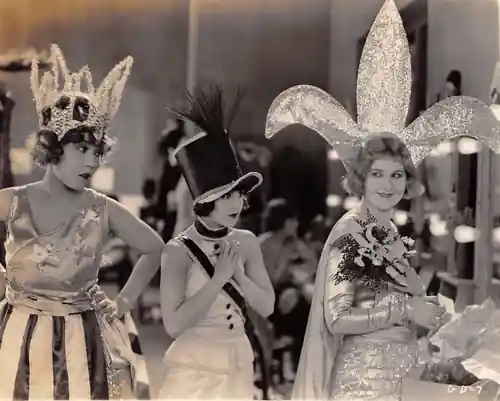
While Cornwall and Dark anchor the film, the supporting cast provides a rich tapestry of performances that elevate The Gold Diggers beyond a simple romantic comedy. John Harron, as the earnest Wally, perfectly embodies the youthful innocence and unwavering devotion that sets the initial conflict in motion. His love for Violet (Peggy Browne), portrayed with a gentle sweetness, provides the moral compass against which Stephen’s prejudice is measured. Browne’s performance is understated but effective, conveying Violet’s genuine nature and her quiet dignity in the face of unfair judgment. Their storyline, while secondary, is crucial; it’s the catalyst for Jerry’s intervention and the emotional bedrock that validates the film’s central message about true affection.
No discussion of The Gold Diggers would be complete without acknowledging the inimitable Louise Fazenda. A prolific comedic actress of the silent era, Fazenda brings her signature brand of physical comedy and expressive charm to her role, providing much-needed levity and a vibrant counterpoint to the more dramatic elements. Her presence is a delightful reminder of the era's unique comedic sensibilities, where exaggerated gestures and perfectly timed reactions could elicit roars of laughter without a single spoken word. Her ability to steal a scene with a mere glance or a quirky movement is a testament to her comedic genius and adds another layer of enjoyment to the film.
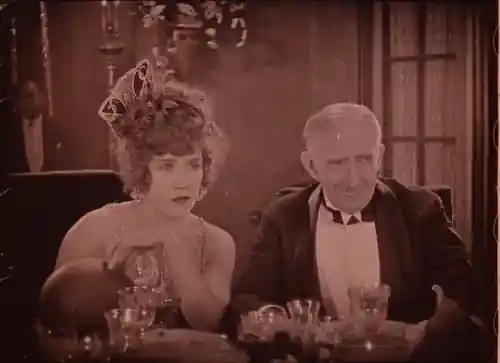
The entire ensemble, including Jed Prouty, Frances Ross, and the myriad of chorus girls, contribute to the film’s vibrant atmosphere. They paint a vivid picture of the theatrical world of the 1920s, a realm often viewed with suspicion by polite society but teeming with life, talent, and camaraderie. The collective energy of these performances captures the zeitgeist of the era, the bustling excitement, and the underlying social tensions that defined the decade. It's a world where appearances are everything, yet genuine connections can still break through the most carefully constructed facades.
The success of The Gold Diggers owes a significant debt to its writers, Grant Carpenter and Avery Hopwood. Hopwood’s original play was a sensation, tapping into contemporary anxieties and fascinations surrounding wealth, ambition, and the changing roles of women. Carpenter’s adaptation for the screen skillfully translated the stage’s witty dialogue and intricate plot into the visual language of silent cinema. This wasn't merely a transcription; it required an understanding of how to convey humor, emotion, and character development through action, expression, and the judicious use of intertitles. The screenplay maintains the play’s sharp social commentary and its delightful comedic timing, proving that a well-crafted story can transcend its original medium.
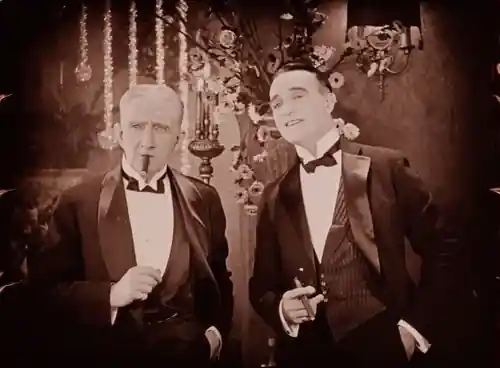
Their collaboration results in a narrative that is both entertaining and thought-provoking. The characters are well-defined, their motivations clear (even when hidden), and the dramatic tension builds effectively. The writers deftly explore the theme of societal judgment, particularly towards women in certain professions, a theme that resonates with other films of the era exploring female roles and morality, such as The Scarlet Woman. However, The Gold Diggers takes a more lighthearted, yet no less incisive, approach, ultimately championing authenticity over superficial judgment.
Watching The Gold Diggers today offers a fascinating glimpse into the artistry of silent film. The exaggerated yet precise gestures, the expressive facial contortions, and the carefully composed shots all contribute to a unique storytelling experience. The film’s pacing is brisk, a testament to effective editing, ensuring that the comedic beats land and the romantic developments unfold naturally. The absence of spoken dialogue forces a heightened reliance on visual cues, making the performances all the more remarkable. The actors truly “speak” with their entire bodies, conveying complex emotions and intentions without uttering a single word.
The themes explored in The Gold Diggers remain remarkably pertinent. The notion of judging individuals based on their profession or social status is a timeless human failing. The film gently, yet firmly, critiques this tendency, arguing for the importance of looking beyond surface-level assumptions. It’s a celebration of genuine character over perceived status, of love’s capacity to break down barriers, and of the inherent comedy in human foibles. The idea of someone deliberately 'performing' a role to achieve a goal, only to find genuine emotion emerging, is a powerful narrative device that continues to captivate audiences. This echoes the sophisticated social maneuvering seen in films like Trix, der Roman einer Millionärin, though with a distinct comedic and romantic flavor.
The Gold Diggers is more than just a historical artifact; it’s a vibrant, engaging piece of cinema that continues to charm and entertain. Its witty script, memorable characters, and superb performances ensure its place as a significant entry in the silent film canon. It’s a film that reminds us of the universal nature of human desires – for love, acceptance, and understanding – and the often-circuitous routes we take to find them. The film’s comedic elements are still fresh, its romantic core still heartwarming, and its social commentary still relevant.
In an era that often glorified wealth and success, The Gold Diggers dared to suggest that true value lies not in one's bank account or social standing, but in the sincerity of one's heart. It's a delightful experience that transports viewers back to the effervescent spirit of the 1920s while delivering a message that transcends time. For anyone seeking a compelling narrative, stellar silent performances, and a good laugh, The Gold Diggers is an absolute must-watch. It's a reminder that even without spoken words, cinema can deliver profound insights and boundless entertainment, proving that some stories are truly timeless.
IMDb —
1936
Community
Log in to comment.