DbcultAccessing Vault...
Cult Review
Senior Film Conservator
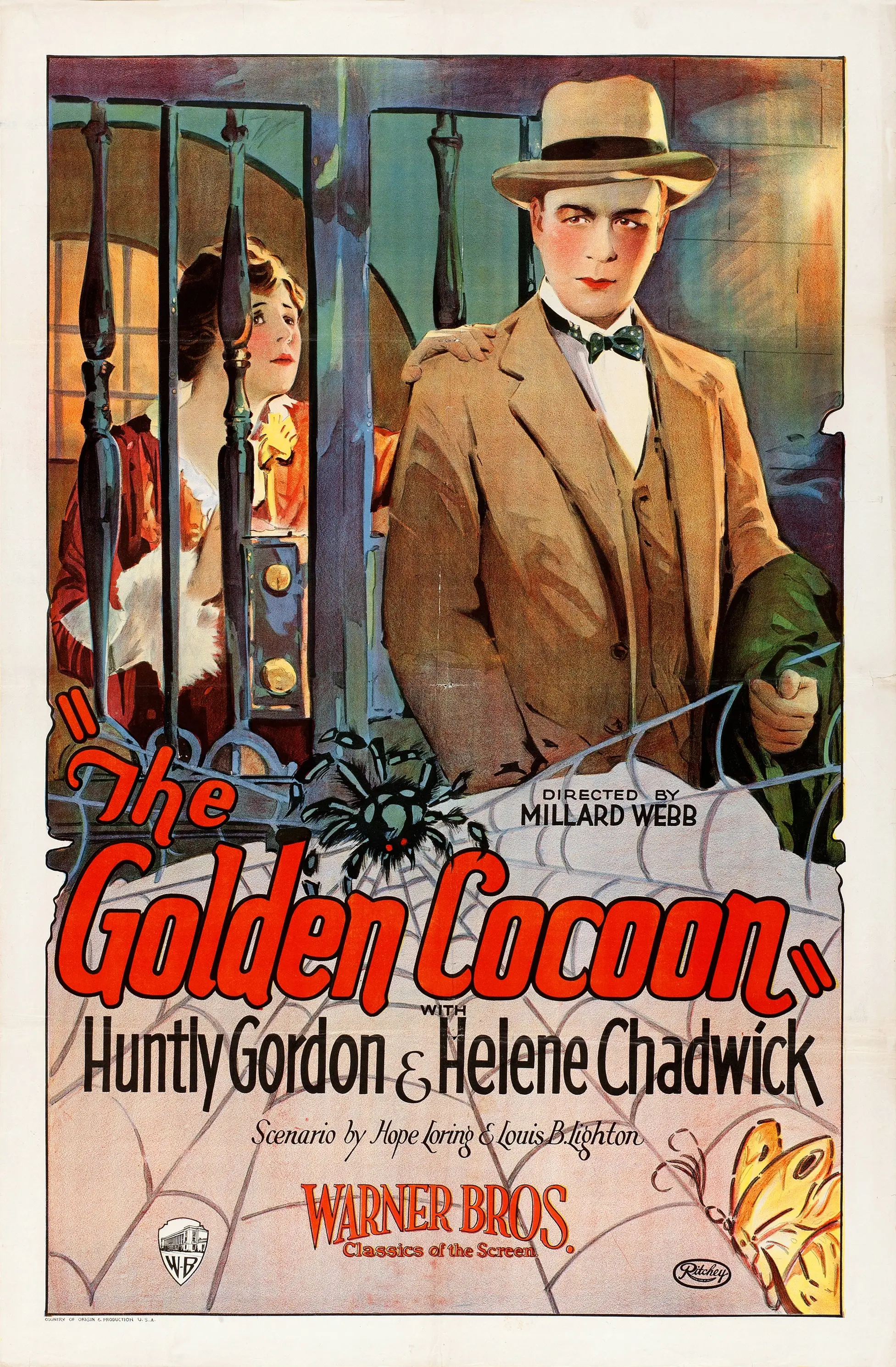
Is 'The Golden Cocoon' worth watching today? Short answer: yes, but with significant caveats. This silent-era drama offers a fascinating, if sometimes frustrating, window into early 20th-century social dynamics and cinematic storytelling, making it a valuable experience for cinephiles and historians.
However, for casual viewers accustomed to modern narrative pacing and character depth, its appeal might be limited. It’s a film that demands patience, rewarding those willing to engage with its historical context and the unique expressive language of silent cinema.
This film works because it captures a raw, unvarnished look at social ambition and betrayal, particularly through Helene Chadwick's earnest performance. Her portrayal of a woman caught in a cruel societal trap feels genuinely affecting, even a century later.
This film fails because its narrative can feel overly melodramatic and its pacing often drags, typical of some films from its era but less engaging today. The dramatic beats are often telegraphed, lacking the subtlety we expect from contemporary storytelling.
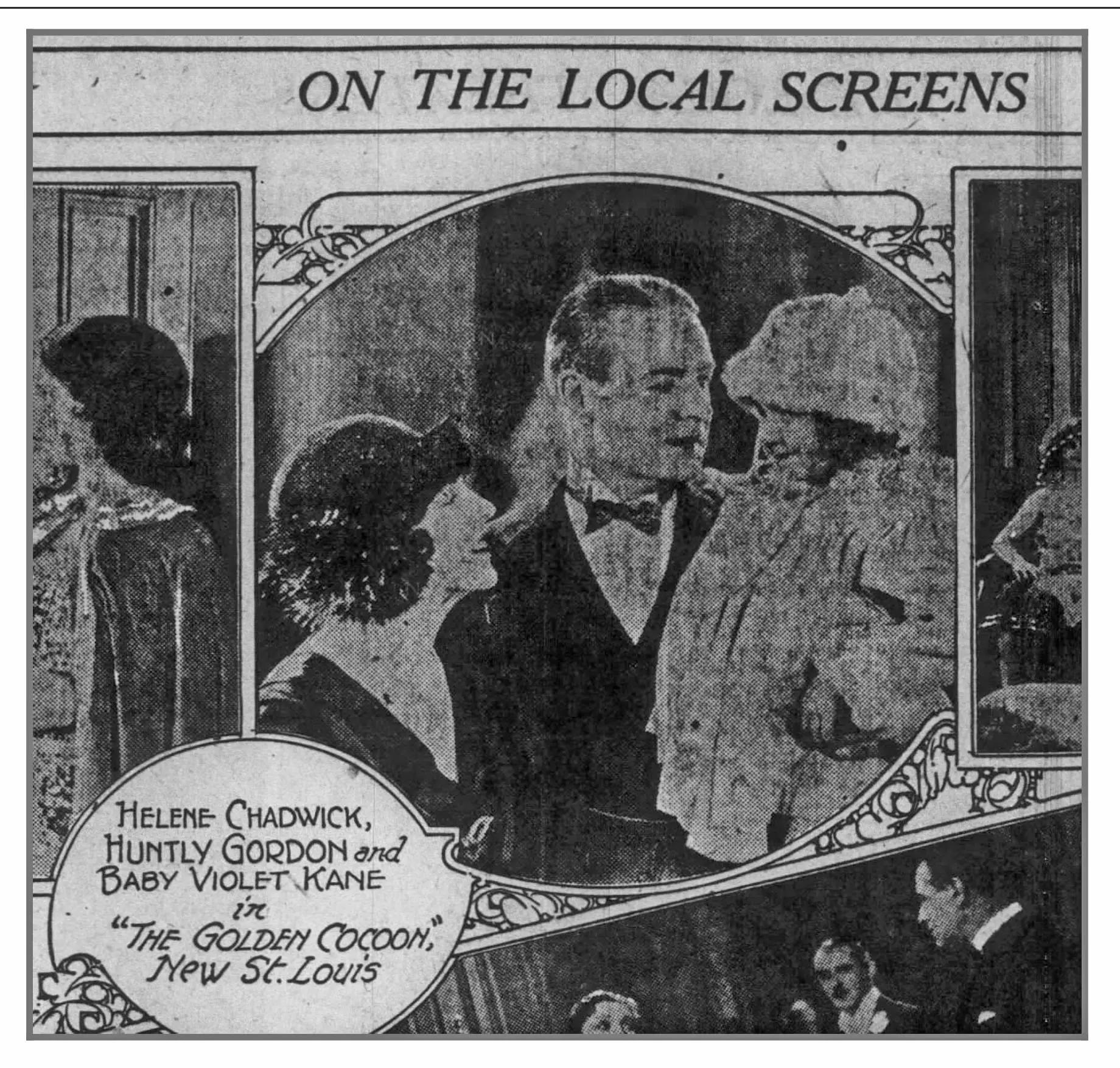
You should watch it if you are a dedicated student of silent cinema, interested in the evolution of melodrama, or keen to see how foundational themes of class and personal sacrifice were explored before the talkies. It’s a historical document as much as it is a piece of entertainment.
"The Golden Cocoon" unravels the poignant narrative of a woman navigating the unforgiving social strata of her era, whose aspirations for stability and affection are cruelly dashed. Her fragile hope, initially kindled by a relationship with a seemingly enlightened professor of political economy, proves fleeting. This liaison, promising an intellectual and emotional refuge, ultimately exposes her vulnerability when the professor, driven by social climbing or financial expediency, abandons her for the more advantageous match with a wealthy businessman’s daughter.
It’s a stark portrayal of societal pressures dictating personal destinies, particularly for women of limited means. The film posits a world where personal merit often takes a backseat to material advantage, a theme that, regrettably, remains relevant.
The title itself, "The Golden Cocoon," hints at both luxury and entrapment. For the protagonist, the professor represents a potential escape from her 'put-upon' existence, a chrysalis of intellectual companionship. Yet, this cocoon is spun not of true affection, but of the professor's self-serving ambition, ultimately leaving her more exposed than before. It’s a surprisingly cynical take on romance for its time.
Ruth Cross, Hope Loring, and Louis D. Lighton, the writers behind this narrative, craft a story that, while simple in its premise, touches on complex social anxieties. They don't shy away from depicting the harsh realities faced by women without independent means, forced to rely on the whims of men and the structures of class. This isn't a fairy tale; it’s a cautionary tale wrapped in melodrama.
The story’s strength lies in its ability to evoke empathy for the protagonist’s plight, even if the specific plot beats feel somewhat predictable by modern standards. We see her hopes rise, only to be systematically crushed, a narrative arc designed to elicit strong emotional responses from its original audience.
In silent cinema, acting is a delicate balance of exaggerated expression and subtle gesture, a language often lost to contemporary viewers. "The Golden Cocoon" relies heavily on its cast to convey emotion without dialogue, and for the most part, they deliver, albeit with varying degrees of success.
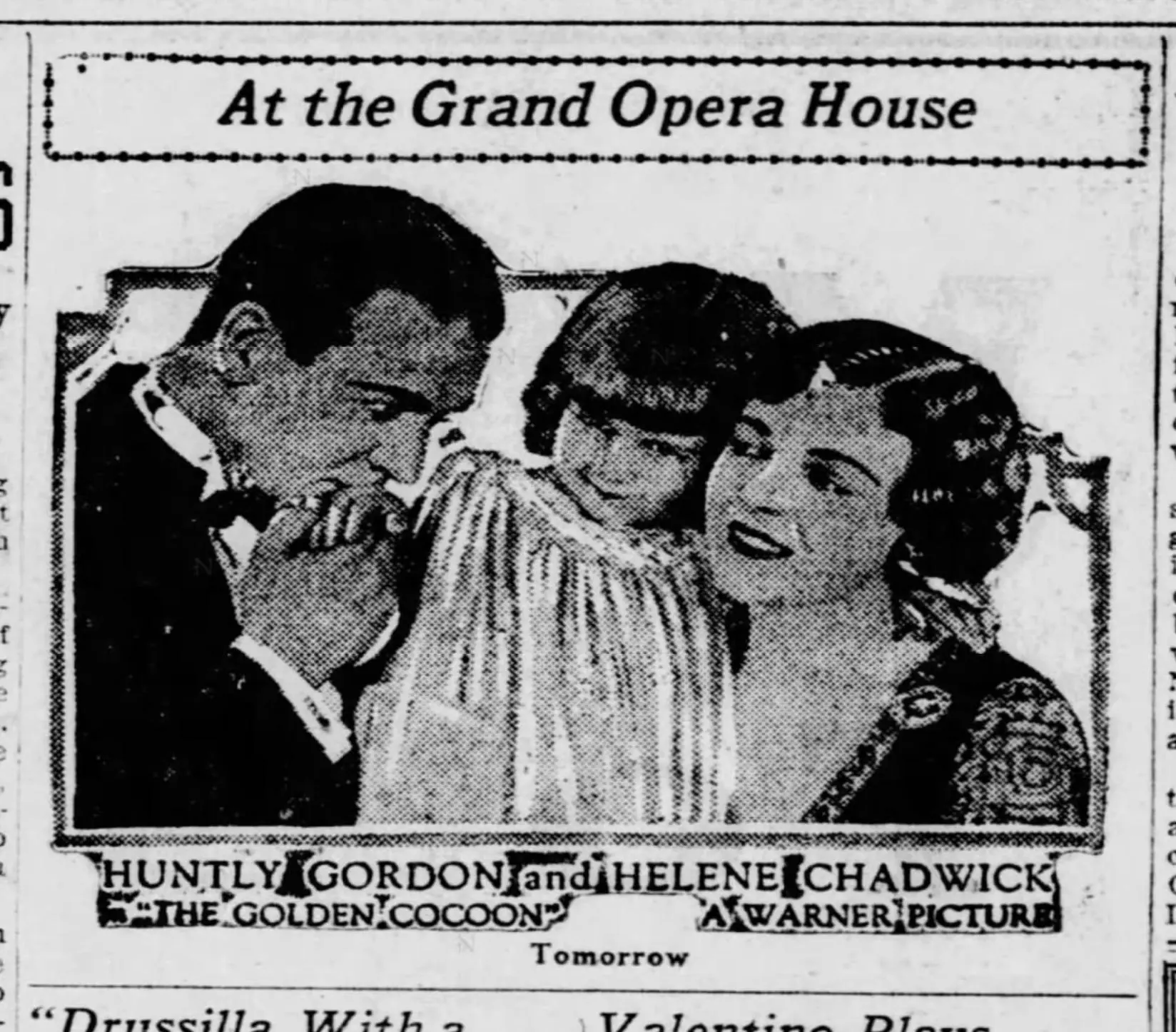
Helene Chadwick, as the much-put-upon woman, is the undeniable heart of the film. Her performance is imbued with a quiet dignity that prevents her character from becoming a mere object of pity. When she realizes the professor's betrayal, her face registers a profound, almost physical ache that transcends the theatricality common to the era. It’s a genuinely moving turn, reminiscent of Lillian Gish's more restrained moments in films like Garrison's Finish, though perhaps less iconic.
Huntley Gordon, playing the professor of political economy, embodies the charming yet ultimately opportunistic cad with a slick ease. His smiles are just a little too practiced, his gestures a touch too theatrical to be entirely sincere. Gordon manages to convey a sense of intellectual superiority intertwined with moral weakness, making his character's eventual betrayal feel earned rather than sudden. You can almost see the gears turning in his head as he calculates his next move.
Violet N. Cane, as the daughter of the wealthy businessman, is given less to do but effectively portrays the unwitting rival. Her character is more

IMDb 5.8
1932
Community
Log in to comment.