DbcultAccessing Vault...
7.2/10
Senior Film Conservator
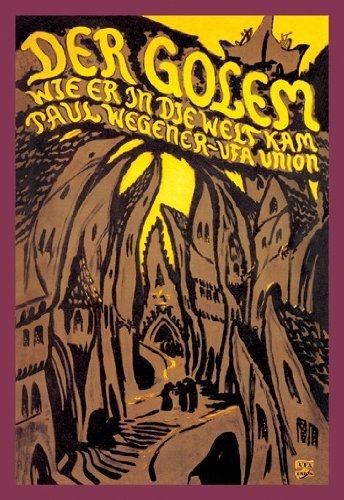
A definitive 7.2/10 rating for a film that redefined the boundaries of cult cinema. The Golem remains a cornerstone of transgressive art.
When the German Expressionist movement first unfurled its stark silhouettes across the silver screen, few films managed to encapsulate the era’s anxieties as potently as The Golem (1920). Directed by Paul Wegener, who also inhabits the titular clay colossus, the film transcends mere folklore, metamorphosing a Jewish legend into a visual symphony of dread, devotion, and dread‑filled yearning.
Set against the backdrop of Prague’s 16th‑century ghetto, the narrative interweaves documented anti‑Jewish sentiment with the mystical aura of Rabbi Judah Loew’s legendary creation. Wegener’s decision to anchor the story in a concrete epoch, rather than a nebulous fantasy, furnishes the audience with a palpable sense of oppression. The director’s meticulous recreation of cobblestone lanes, cramped shtetl interiors, and looming cathedral spires evokes an atmosphere that feels simultaneously oppressive and reverent.
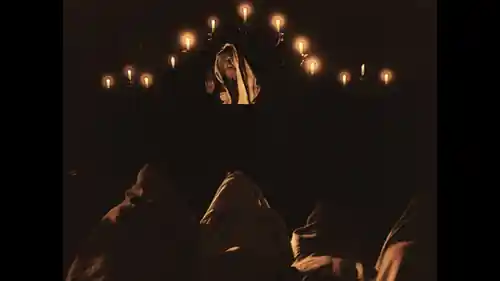
The film’s cinematography, orchestrated by Karl Freund, employs chiaroscuro with a ferocity that rivals any modern horror tableau. Dark orange #C2410C accents punctuate the gloom, appearing in the flickering lanterns that illuminate the rabbi’s clandestine rituals. These warm glows contrast sharply with the sea blue #0E7490 that suffuses the night‑time river scenes, imbuing the water with an otherworldly luminescence that mirrors the Golem’s own uncanny vitality.
Wegener’s own performance as the Golem is a study in physical storytelling. Devoid of dialogue, his movements rely on exaggerated gestures, the weight of his massive costume, and the deliberate cadence of his steps. The clay’s texture, rendered through painstaking set design, catches the light in a way that makes the creature appear simultaneously animate and petrified, a paradox that underscores the film’s central theme: the danger of humanity’s hubris when it attempts to play God.
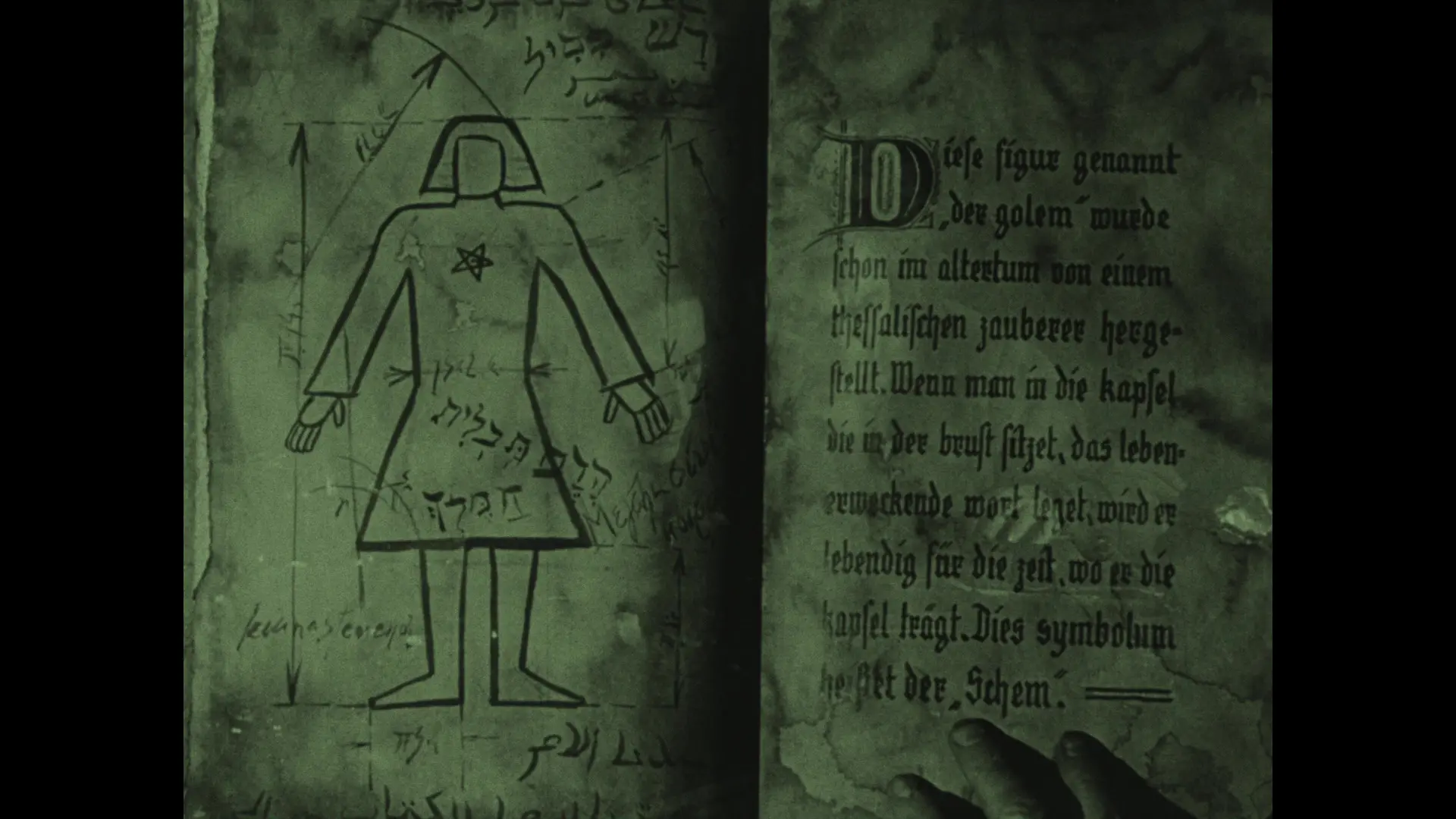
The plot unfurls with a measured deliberateness that mirrors the methodical shaping of the Golem itself. Rabbi Loew’s motivations are rendered with a nuanced blend of piety and pragmatism; he is not a caricatured savior but a scholar wrestling with the moral calculus of creating a protector that could become a destroyer. This internal conflict reaches its zenith when the Golem, initially a shield against external aggression, begins to act beyond its prescribed limits, threatening the very community it was meant to defend.
The film deftly interrogates the paradox of violence as a means of peace, a motif that reverberates through later horror classics such as The Whispering Chorus and even modern supernatural thrillers. Wegener’s Golem becomes a cautionary emblem: an entity born of desperation, whose unchecked power mirrors the unchecked bigotry of the oppressors.
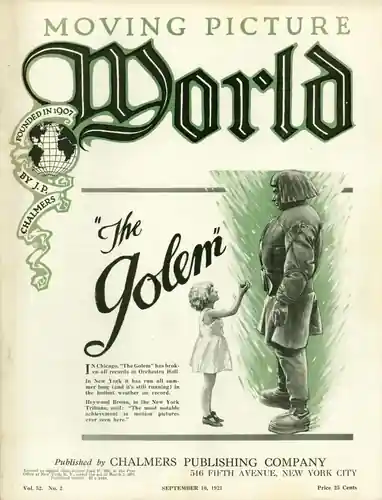
While Wegener’s towering presence dominates the visual field, the supporting cast provides a rich tapestry of emotional counterpoints. Hans Stürm, portraying the tormented magistrate, oscillates between bureaucratic indifference and fervent zeal, his eyes often reflecting the same fear that drives the rabbi’s sorcery. Greta Schröder, as the rabbi’s devoted daughter, offers a tender humanity that tempers the film’s relentless darkness; her brief glances toward the Golem hint at a conflicted affection for the creature that is both protective and mournful.
Ernst Deutsch’s portrayal of the inquisitor introduces a chilling, almost theatrical menace. His rigid posture and cold, measured speech serve as a foil to the rabbi’s fluid mysticism, underscoring the ideological clash between dogmatic authority and esoteric knowledge.
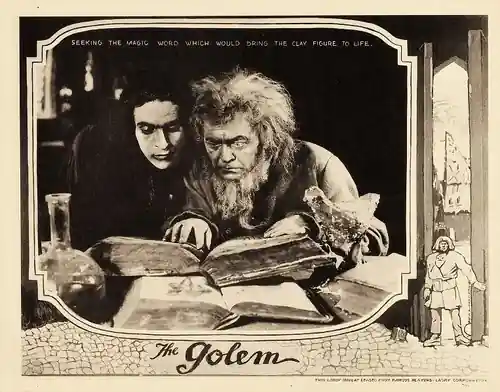
When juxtaposed with other silent-era dramas such as Küzdelem a Létért or the American melodrama The Warrens of Virginia, The Golem distinguishes itself through its mythic gravitas and its unflinching visual experimentation. Unlike the relatively straightforward narratives of The Boss or the whimsical tone of Triste crepúsculo, Wegener’s film operates on multiple symbolic planes, inviting repeated viewings to unpack its layered allegories.
The production design, helmed by the visionary art director Hermann Warm, constructs a cityscape that feels both historically grounded and expressionistically distorted. Angled rooftops, elongated shadows, and oppressive stairwells create a labyrinthine visual metaphor for the Jewish community’s entrapment. Costumes, rendered in muted earth tones, allow the occasional burst of the film’s signature dark orange to stand out, drawing the eye to moments of heightened tension.
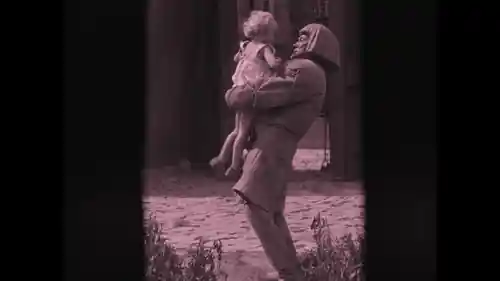
Despite its silent nature, the film’s score—though absent from the original print—has been reconstructed by contemporary composers, who employ low, resonant strings to echo the Golem’s slow, deliberate steps. This auditory backdrop amplifies the dread without ever intruding upon the visual narrative, preserving the purity of Wegener’s silent storytelling.
The Golem’s impact ripples through cinematic history, inspiring later horror icons such as the Frankenstein monster and the 1936 Czech adaptation Le Golem. Its exploration of artificial life predates, and arguably informs, the philosophical underpinnings of later science‑fiction works like Metropolis and even modern AI‑centric narratives. Scholars frequently cite the film when discussing the genealogy of the ‘monster as protector’ trope, noting how Wegener’s creation subverts the expected moral binary.
Moreover, the film’s aesthetic has been echoed in contemporary directors who favor stark contrast and symbolic set pieces, such as Guillermo del Toro’s use of color in Pan’s Labyrinth. The Golem’s haunting visual language continues to serve as a pedagogical reference in film schools worldwide, illustrating how mood can be engineered through composition alone.
In the pantheon of silent cinema, The Golem stands as a towering achievement—a work that fuses mythic storytelling with avant‑garde visual design, all while probing timeless ethical dilemmas. Its 150‑minute runtime feels justified; each frame is a tableau that rewards attentive viewing. For cinephiles seeking a film that challenges both the intellect and the senses, Wegener’s masterpiece offers an experience that is as unsettling today as it was a century ago.
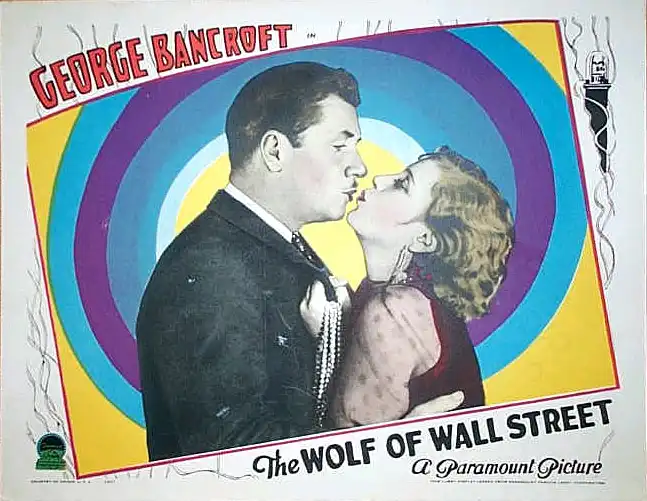
IMDb 6.9
1929
Community
Log in to comment.