DbcultAccessing Vault...
5.8/10
Senior Film Conservator
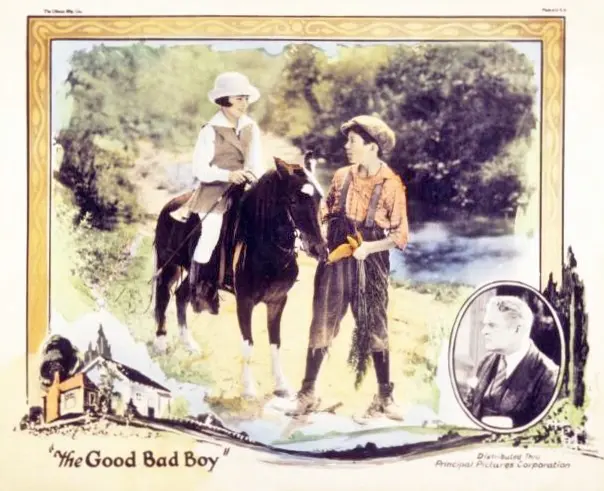
A definitive 5.8/10 rating for a film that redefined the boundaries of cult cinema. The Good Bad Boy remains a cornerstone of transgressive art.
Stepping back into the cinematic tapestry of the silent era, one occasionally stumbles upon a gem that, despite its age, resonates with an enduring emotional truth. Such is the case with *The Good Bad Boy*, a film that, while perhaps not as widely celebrated as some of its contemporaries, offers a compelling exploration of familial bonds, societal prejudice, and the indomitable spirit of youth. It’s a narrative steeped in the kind of melodramatic intensity that characterized early 20th-century storytelling, yet it navigates its dramatic contours with a sincerity that elevates it beyond mere theatricality. The film asks profound questions about perception, justice, and the lengths to which a child will go to protect the only family they know, delivering a powerful experience that transcends the limitations of its medium.
At the heart of this poignant drama lies John Benson, portrayed with a nuanced vulnerability by Arthur Stuart Hull. Benson is presented not merely as an alcoholic, but as a man haunted by unfulfilled potential, a dreamer whose inventive spirit is perpetually undermined by a lack of commercial success and an unfortunate reliance on the bottle. His character serves as a stark commentary on the unforgiving nature of a society that often conflates struggle with inherent worthlessness. Hull's performance, though devoid of spoken dialogue, masterfully conveys Benson's internal conflict: the flicker of hope in his eyes when a new idea sparks, quickly extinguished by the weight of past failures and the numbing comfort of drink. It’s a portrayal that evokes both pity and a degree of frustration, painting a complex portrait of a man teetering on the precipice of ruin. The film deftly avoids simplistic moralizing, instead inviting the audience to understand the systemic and personal pressures that contribute to Benson's predicament. This character study is reminiscent of the down-and-out protagonists seen in films like The Bargain, where individuals grapple with their own failings and external pressures in a world that offers little quarter.
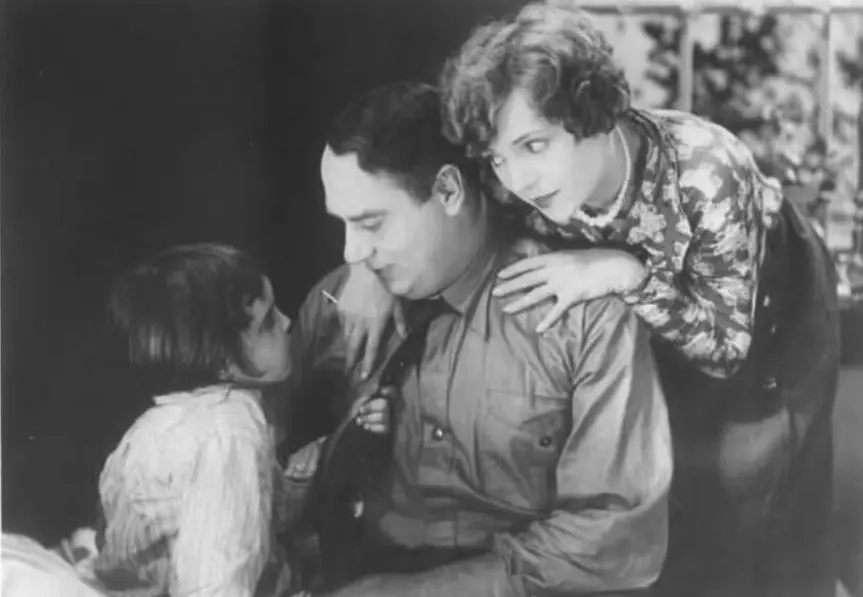
The emotional core of *The Good Bad Boy* unequivocally rests upon the shoulders of young Billy, played with remarkable intensity by Forrest Robinson. Billy is a character forged in the crucible of adversity, his childhood defined by the constant need to defend his father from the scorn and derision of their community. His fists, often his only recourse, become symbols of his unwavering loyalty, yet also serve as barriers to forming friendships. Robinson’s portrayal captures the raw, untamed spirit of a boy who knows no other way but to protect his beleaguered parent. There’s a palpable sense of isolation surrounding Billy, a profound loneliness born from his unique circumstances, yet it’s precisely this isolation that hones his resilience and determination. His interactions, or lack thereof, with other children underscore the social cost of his devotion. This dynamic between a child and their flawed parent, and the child's subsequent self-reliance, echoes the thematic undercurrents found in films such as The Whistle, where a young protagonist navigates a challenging world with an admirable, albeit sometimes misguided, sense of duty.
The narrative’s pivotal turning point arrives with the unexpected success of one of John Benson’s inventions. After a lifetime of tinkering and failure, a moment of genuine brilliance finally shines through, offering a tantalizing glimpse of redemption and prosperity. This moment is depicted with a delicate balance of triumph and apprehension, as the audience understands that such a significant shift in fortune rarely comes without its own set of complications. The invention itself, while not explicitly detailed, serves as a powerful MacGuffin, a symbol of potential and a magnet for human avarice. It represents not just a monetary value, but the validation John Benson has desperately sought, and by extension, the stability Billy has yearned for. The film masterfully builds suspense around this newfound success, hinting at the dangers lurking just beneath the surface. The visual storytelling, through the reactions of the characters, clearly communicates the profound impact of this breakthrough, setting the stage for the dramatic conflict that is to follow. It’s a classic narrative device, but executed here with a quiet power that underscores the fragility of their newfound hope.
No compelling drama is complete without a formidable antagonist, and *The Good Bad Boy* delivers two exceptionally despicable figures in Sidney Martin and Walter Howe. These characters are not merely villains; they are embodiments of unchecked greed and moral bankruptcy. Sidney Martin, the crooked lawyer, likely portrayed with a slick, manipulative demeanor, represents the insidious corruption that can fester within systems meant to uphold justice. His cohort, Walter Howe, would embody the more brute-force aspect of their scheme, a willing accomplice to Martin’s intellectual perfidy. Their plan to steal Benson’s invention is not born of desperation, but of pure, calculated avarice, making their actions all the more reprehensible. The film uses these characters to explore the darker facets of human nature, demonstrating how ambition, when untethered from ethics, can lead to profound injustice. The visual language of silent film would undoubtedly exaggerate their villainy, making their sneers and gestures overtly theatrical yet undeniably effective in conveying their threat. Their machinations, culminating in the cruel framing and incarceration of Benson, ignite the central conflict and provide Billy with a clear, albeit daunting, mission. The contrast between their polished deceit and Benson’s humble, if flawed, genius is stark and serves to heighten the audience's emotional investment in the protagonists' plight.
With his father unjustly imprisoned, the narrative shifts entirely to Billy’s shoulders, transforming the film into an exhilarating tale of a child’s heroic quest. This transition is handled with a remarkable sense of urgency and emotional weight. Billy’s mission is multifaceted: he must clear his father's name, secure his release, and retrieve the stolen invention. This is no small feat for an adult, let alone a young boy who has largely been ostracized. Forrest Robinson’s portrayal of Billy during this phase of the film is truly captivating. He conveys a deep well of resourcefulness, courage, and an unwavering moral compass that guides him through perilous situations. The film would employ classic silent film techniques to depict his struggle: suspenseful chases, dramatic confrontations, and moments of quiet determination where Billy, against all odds, refuses to yield. His journey is fraught with danger, demanding cunning and bravery beyond his years. This arc positions Billy as a miniature folk hero, a testament to the power of innocence and conviction against the forces of corruption. The emotional resonance of his struggle is amplified by the knowledge that he is fighting not just for an invention or a reputation, but for the very essence of his family, for the restoration of his father’s dignity and freedom. His fight is a universal cry against injustice, making the audience root for him with every frame. The sheer tenacity of a child in the face of overwhelming odds is a theme beautifully explored in films like The Little Fool, where youthful determination becomes the driving force against adversity.
The success of *The Good Bad Boy* hinges significantly on its cast’s ability to convey complex emotions and propel the narrative forward without the aid of spoken dialogue. Forrest Robinson, as Billy, delivers a performance that is both physically dynamic and emotionally profound. His youthful energy, combined with moments of deep vulnerability and fierce resolve, makes him an incredibly compelling protagonist. Mary Jane Irving, likely in a supporting role that offers moments of tenderness or perhaps a youthful counterpoint to Billy’s intensity, would bring a necessary warmth or innocence to the proceedings. Arthur Stuart Hull’s John Benson is a masterclass in portraying a man consumed by his demons yet capable of flashes of brilliance. The ensemble, including Richard Wayne, Joe Butterworth, Edwards Davis, Julie Bishop, Dorothy Seay, and Lucy Beaumont, would each contribute to the rich tapestry of the film’s world, inhabiting their roles with the exaggerated yet effective gestures and facial expressions characteristic of the silent era. These actors understood that every tilt of the head, every hand gesture, every widened eye had to communicate volumes, and their collective effort creates a believable, if heightened, reality. The silent film actor’s craft was a unique blend of pantomime and raw emotion, and in *The Good Bad Boy*, this craft is evidently put to excellent use, drawing the audience into the characters’ struggles and triumphs on a deeply empathic level. The ability of these performers to elicit such strong reactions without a single spoken word is a testament to their talent and the enduring power of visual storytelling.
*The Good Bad Boy* delves into themes that remain profoundly relevant even today: the unyielding nature of a child's love, the corrosive power of greed, and the pursuit of justice against seemingly insurmountable odds. It’s a story that champions the underdog, celebrating the small victories of the marginalized and the power of individual courage. The film subtly critiques societal judgments, particularly how a person’s worth is often tied to their material success or adherence to conventional norms. John Benson’s struggles, though framed in the early 20th century, resonate with contemporary issues of addiction, mental health, and the pressures of economic precarity. Billy's journey, on the other hand, is a timeless narrative of innocence confronting corruption, a motif that has captivated audiences across generations. His unwavering belief in his father, despite all evidence to the contrary, speaks to a deeper, unconditional love that transcends judgment. This emotional core is what gives the film its lasting impact, moving it beyond a simple period piece into a universal fable about family and resilience. The film’s title itself, *The Good Bad Boy*, encapsulates this duality, suggesting that goodness can be found even in those deemed 'bad' by societal standards, and that heroism can emerge from the most unexpected places. It’s a powerful reminder that appearances can be deceiving, and true character is often revealed in moments of crisis. This exploration of complex characters and moral ambiguity can be seen in other silent era dramas, such as Devil McCare or The Halfbreed, where characters defy easy categorization and navigate their own unique moral landscapes.
Beyond its narrative strengths, *The Good Bad Boy* serves as a fascinating artifact of silent cinema’s unique artistry. The reliance on visual storytelling, exaggerated expressions, and the strategic use of title cards to convey dialogue and exposition, all contribute to a distinct cinematic experience. The pacing, often deliberate in the early reels to establish character and setting, likely accelerates into a whirlwind of action and suspense as Billy embarks on his quest. The cinematography, though perhaps not groundbreaking for its time, would skillfully employ close-ups to capture the raw emotion of the actors and wider shots to establish the urban or rural settings. The editing would be crucial in building tension during the confrontations with Martin and Howe, and in portraying Billy’s clever maneuvers. The film’s ability to evoke such strong emotional responses without a single spoken word is a testament to the ingenuity of the filmmakers and the profound connection they forged with their audience through purely visual means. It highlights a period where storytelling was an art of suggestion and powerful imagery, relying on the audience's imagination to fill in the gaps. This meticulous crafting of a visual narrative is a hallmark of the era, and films like Robinson Crusoe Hours also demonstrate how silent cinema could weave intricate tales through visual cues alone.
"The film stands as a testament to the enduring power of a well-told story, proving that even without dialogue, the human heart can be stirred, and the spirit uplifted by acts of profound loyalty and courage."
In conclusion, *The Good Bad Boy* is far more than a simple relic of a bygone cinematic era. It is a compelling and emotionally resonant drama that, through its vivid characters and gripping plot, explores universal themes of family, justice, and perseverance. It reminds us of the power of youthful innocence to challenge entrenched corruption and the profound strength found in unconditional love. For enthusiasts of silent film, or anyone seeking a story with genuine heart and a thrilling sense of adventure, this picture offers a richly rewarding experience. It's a film that, despite its lack of sound, speaks volumes, echoing the sentiment of other powerful dramas of its time, like Blind Man's Holiday or The Alaskan, which similarly captured the human spirit's tenacity. Its legacy lies not just in its historical context, but in its ability to captivate and move audiences even a century later, solidifying its place as a quiet, yet powerful, testament to early filmmaking's enduring magic.
IMDb —
1928
Community
Log in to comment.