DbcultAccessing Vault...
Cult Review
Senior Film Conservator
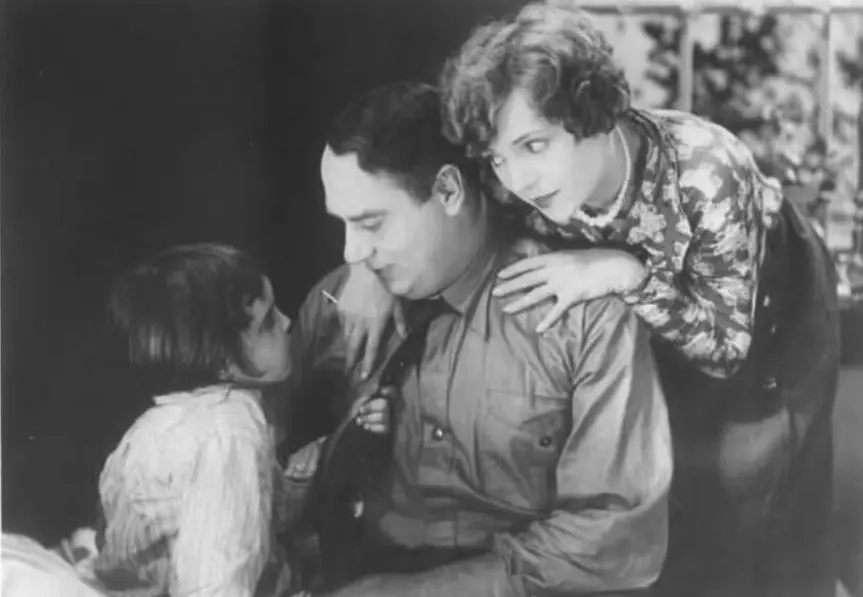
Is Die vom Schicksal Verfolgten worth watching today? Short answer: yes, but with significant caveats. This early 20th-century German drama, a stark exploration of predetermined destiny and human struggle, offers a powerful, albeit often bleak, viewing experience for those with a deep appreciation for cinematic history and thematic depth. It is a film for cinephiles, historians, and anyone who finds beauty in the raw, unfiltered emotionality of early cinema. It is emphatically not for viewers seeking fast-paced plots, lighthearted escapism, or modern narrative conventions.
To engage with Die vom Schicksal Verfolgten is to step into a bygone era, one where storytelling relied heavily on visual metaphor, intense physical performance, and the sheer evocative power of its central theme. The film works because it commits wholeheartedly to its premise, fails because its pacing can feel glacial to contemporary audiences, and you should watch it if you are prepared for a profound, often sorrowful, journey into the human condition.
At its core, Die vom Schicksal Verfolgten, or 'The Persecuted by Fate', is a brutal meditation on the concept of destiny. The film doesn't merely present a series of unfortunate events; it crafts a world where every glimmer of hope for our protagonist, Karl (Henkie Klein), is systematically extinguished. This isn't just bad luck; it's an almost cosmic conspiracy, a relentless tide that pulls him further into despair.
The screenplay, credited to Kurt Steinbrück, Henk Kleinmann, and Herman Heijermans, exhibits a remarkable commitment to its fatalistic worldview. There's no convenient deus ex machina, no sudden reversal of fortune. Instead, the narrative meticulously builds a case for the inescapable nature of Karl’s plight. It's a challenging watch, precisely because it refuses to offer easy answers or comforting resolutions.
One particularly striking moment occurs when Karl, having finally saved enough to buy a small fishing boat, watches it consumed by a sudden storm. The scene isn't just about the loss of an object; it's the visual shattering of hope, rendered with a stark, almost documentary-like realism that makes his subsequent despair feel entirely earned. This unrelenting narrative drive is both the film's greatest strength and its most demanding aspect.
While the directorial credit isn't explicitly detailed in the provided context, the visual language of Die vom Schicksal Verfolgten speaks volumes about a guiding hand deeply attuned to expressionistic tendencies common in German cinema of the period. The film’s cinematography, often stark and high-contrast, perfectly mirrors its thematic bleakness. Shadows are not just shadows; they are encroaching despair, consuming the characters and their environments.
Consider the recurring shots of the desolate fishing village, often shrouded in mist or perpetually overcast skies. These aren't merely establishing shots; they are psychological landscapes, externalizing Karl's internal state. The camera frequently frames characters against vast, empty backdrops, emphasizing their isolation and insignificance in the face of overwhelming forces. This is a deliberate choice, designed to evoke a sense of oppressive realism.
The use of close-ups, particularly on the faces of Henkie Klein and Aud Egede-Nissen, is also noteworthy. These moments are raw, unfiltered windows into their characters' torment and fleeting moments of connection. The film understands that in the absence of dialogue, the human face becomes the primary vehicle for emotion, and it leverages this masterfully. It's a testament to the era's visual storytelling prowess, where every flicker of an eye or clench of a jaw carried immense weight.
The cast of Die vom Schicksal Verfolgten delivers performances that, even without spoken words, resonate with profound emotional intensity. Henkie Klein, as the perpetually beleaguered Karl, carries the film's immense emotional burden on his shoulders. His portrayal is a masterclass in silent acting, conveying hope, despair, resilience, and ultimately, resignation through subtle shifts in posture, expressive eyes, and a palpable weariness that deepens with each setback.
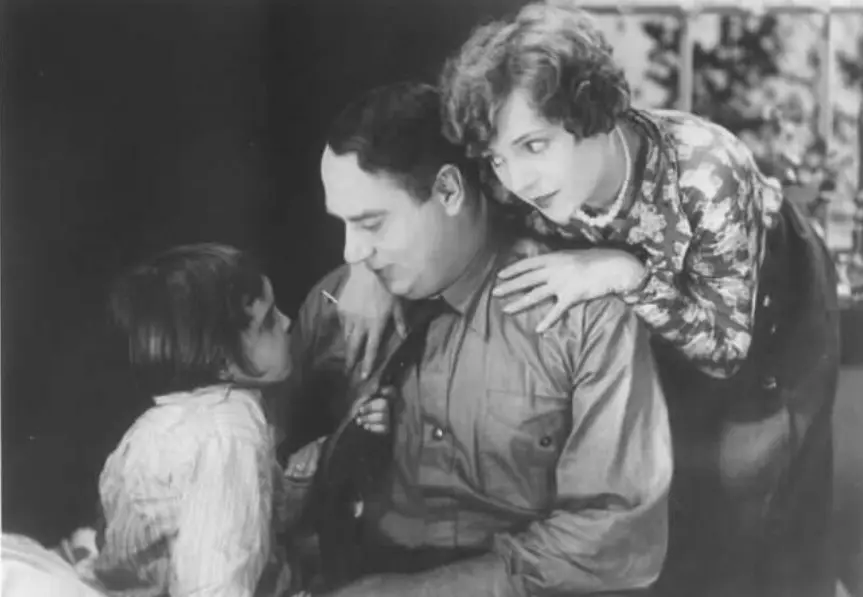
Aud Egede-Nissen, as Lena, provides a crucial counterpoint to Karl's spiraling fate. Her character embodies steadfast love and a quiet strength, a beacon of light that, while often dim, never fully extinguishes. Her scenes with Klein are particularly affecting, offering brief respites of tenderness amidst the pervasive gloom. The chemistry between them is understated but powerful, making their shared struggles all the more heartbreaking.
Adele Sandrock, portraying the formidable Frau Schmidt, is a force of nature. Her stern demeanor and imposing presence perfectly encapsulate the rigid, judgmental societal forces that contribute to Karl’s undoing. It's a performance that, while lacking overt villainy, exudes an almost indifferent cruelty, making her a truly memorable, if unsympathetic, figure. William Dieterle and Henri De Vries also contribute solid supporting turns, grounding the tragic narrative in believable human interactions, even if those interactions often lead to further despair.
The pacing of Die vom Schicksal Verfolgten is undeniably deliberate. This is not a film that rushes its narrative; it unspools slowly, allowing each tragedy to sink in, each emotional beat to resonate. For modern audiences accustomed to faster cuts and more dynamic storytelling, this can be a challenge. However, to truly appreciate the film, one must surrender to its rhythm, allowing the gradual accumulation of misfortune to build its crushing effect.
The tone is overwhelmingly somber, almost elegiac. There are very few moments of levity, and even those are tinged with a sense of impending doom. This consistent tone is crucial to the film's impact. It creates an immersive, albeit heavy, atmosphere that pulls the viewer into Karl's seemingly inescapable world. While some might find it relentlessly depressing, I argue that this steadfast commitment to its tragic vision is what elevates it beyond mere melodrama. It feels authentic, a raw depiction of a life lived under a perpetual cloud.
It's a tone that, while not universally appealing, is impeccably maintained throughout. The film refuses to flinch from its premise, even when the audience might wish for a moment of respite. This uncompromising vision is, in my view, a mark of its artistic integrity. It challenges you to confront the darker aspects of human existence and the arbitrary cruelty of fate.
Absolutely, but only if you approach it with the right mindset. Die vom Schicksal Verfolgten is a significant piece of cinematic history, offering a window into early German filmmaking and the thematic concerns of its era. Its powerful performances and stark visual storytelling hold up remarkably well, provided you appreciate the conventions of silent or early sound cinema.
However, if you're looking for a casual viewing experience, or if narratives of relentless misfortune leave you feeling drained rather than reflective, this might not be the film for you. It demands patience and a willingness to engage with its challenging themes. This isn't a film to passively consume; it's one to actively experience. Its enduring relevance lies in its unflinching portrayal of human resilience in the face of overwhelming odds, a theme as timeless as cinema itself.
“To watch Die vom Schicksal Verfolgten is to witness the birth of a certain kind of cinematic realism, one that doesn't shy away from life's inherent cruelties. It's a challenging, yet ultimately rewarding, experience that resonates far beyond its runtime.”
Die vom Schicksal Verfolgten is not an easy film. It is a demanding, often sorrowful, cinematic experience that asks a great deal of its audience. Yet, for those willing to meet its challenges, it offers profound rewards. Its exploration of human resilience against an indifferent, almost cruel, fate is as relevant now as it was a century ago. It works. But it’s flawed. The performances are compelling, the visual storytelling evocative, and its central theme resonates with a quiet power that lingers long after the final frame.
It serves as a powerful reminder of the enduring strength of early cinema to convey complex emotional landscapes without the aid of spoken dialogue. While it may not convert skeptics of silent film, it certainly deepens the appreciation for those already initiated. If you've enjoyed other early dramas like A Petal on the Current or even the more overtly melodramatic Madonnas and Men, then Die vom Schicksal Verfolgten is an essential, if somber, addition to your watchlist. It’s a film that earns its place in the annals of cinema, not with grand gestures, but with quiet, devastating honesty.

IMDb 5.8
1926
Community
Log in to comment.