DbcultAccessing Vault...
6.6/10
Senior Film Conservator
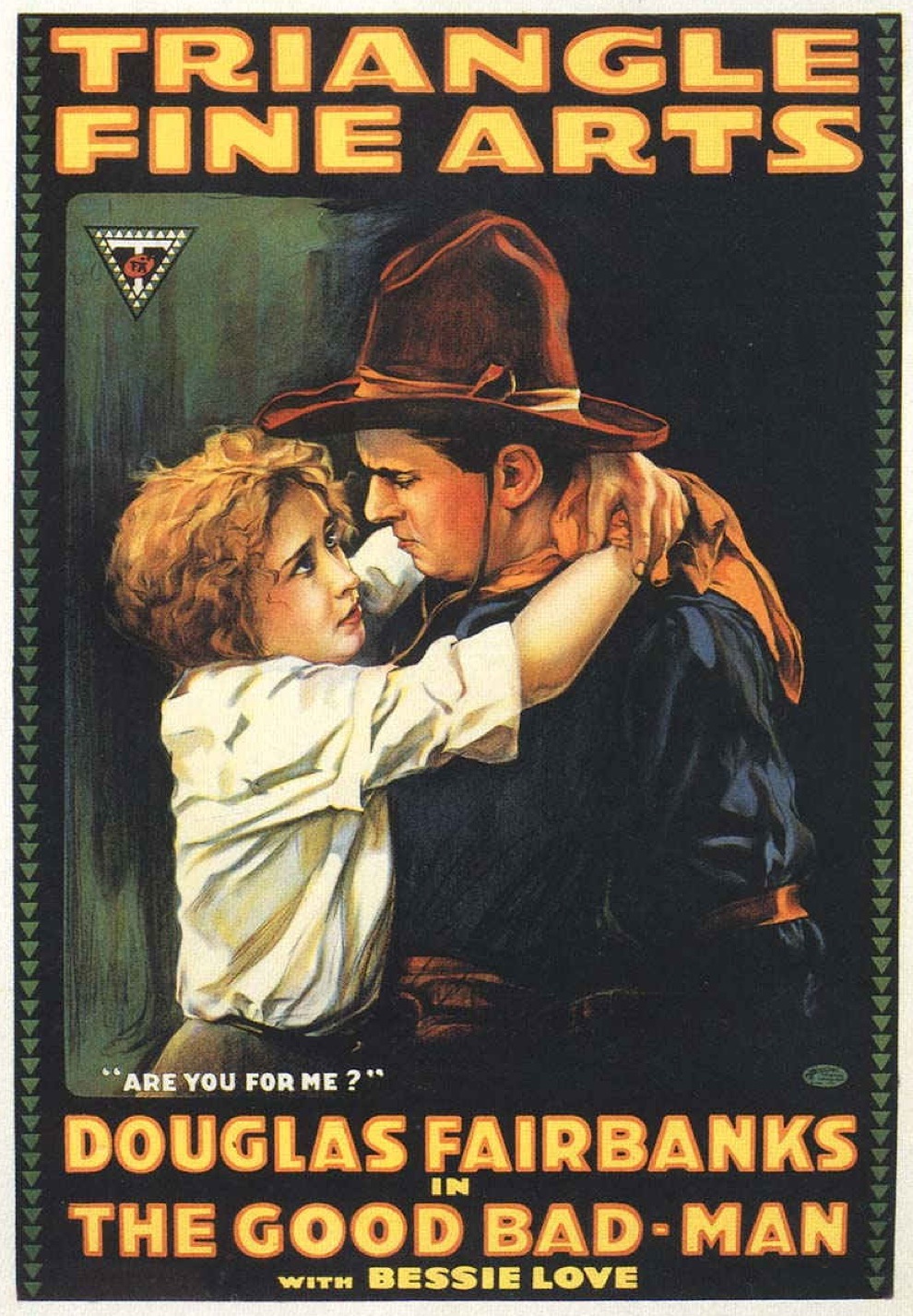
A definitive 6.6/10 rating for a film that redefined the boundaries of cult cinema. The Good Bad-Man remains a cornerstone of transgressive art.
Stepping back into the sepia-toned embrace of early cinema, one often finds themselves navigating a landscape both familiar and utterly alien. The silent era, with its grand gestures and melodramatic flourishes, frequently delivered narratives of stark moral clarity. Yet, every so often, a film emerges from the archives, shimmering with a nuanced complexity that transcends its time. Douglas Fairbanks' 1916 vehicle, The Good Bad-Man, is precisely such a gem, a Western that dares to explore the mutable boundaries between villainy and virtue, all while showcasing the boundless charisma of its star. It's a testament to Fairbanks' prescient understanding of character and audience, crafting a tale that, even a century later, resonates with an undeniable charm and depth.
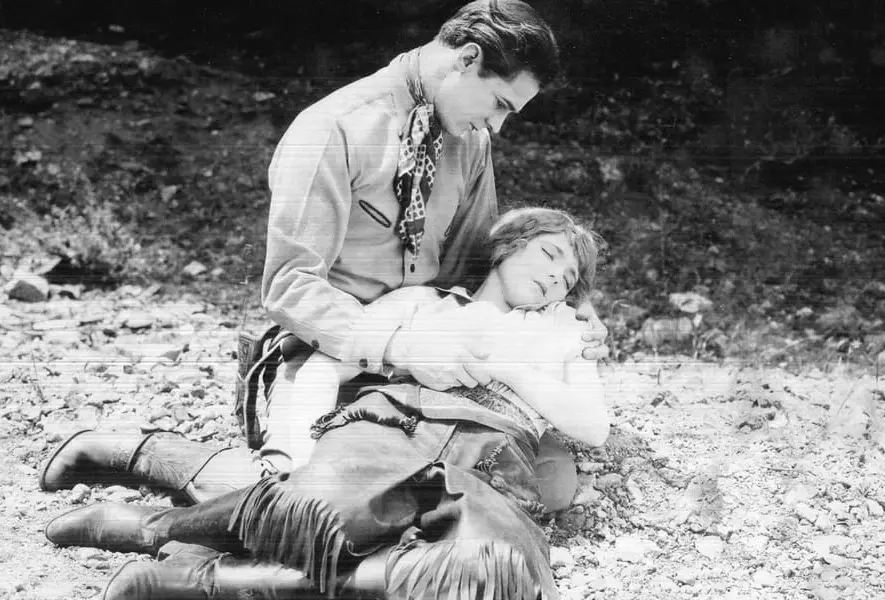
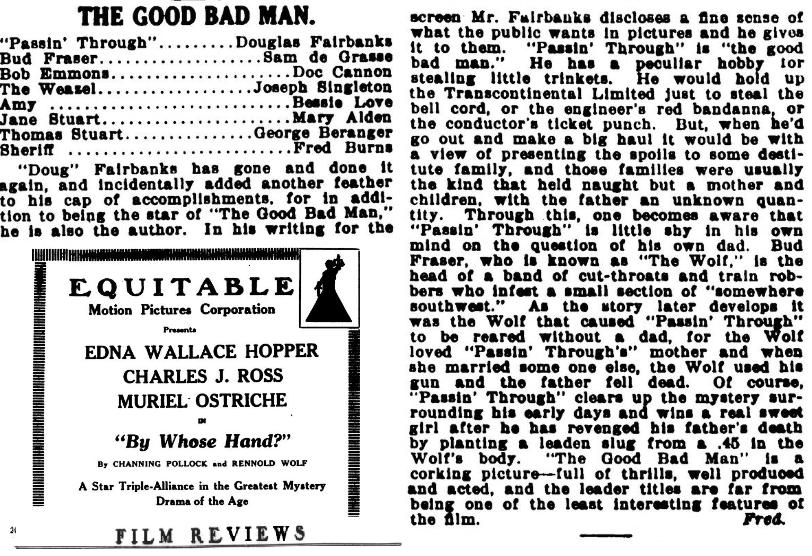
The premise is deceptively simple: an outlaw, aptly named Passin' Through, finds his nefarious trajectory interrupted by the unexpected plight of vulnerable children. This narrative kernel, however, blossoms into a rich tapestry of moral introspection and spirited adventure. Fairbanks, who also penned the story, crafts a character that is at once roguish and deeply empathetic, a duality he masterfully conveys through his athletic prowess and expressive pantomime. The film doesn't merely present an outlaw with a change of heart; it meticulously charts the gradual erosion of his hardened exterior, revealing a core of inherent goodness that had merely been obscured by circumstance and a life lived on the fringes of society. It’s a compelling study in contrasts, where the dusty, lawless frontier becomes a crucible for unexpected heroism.
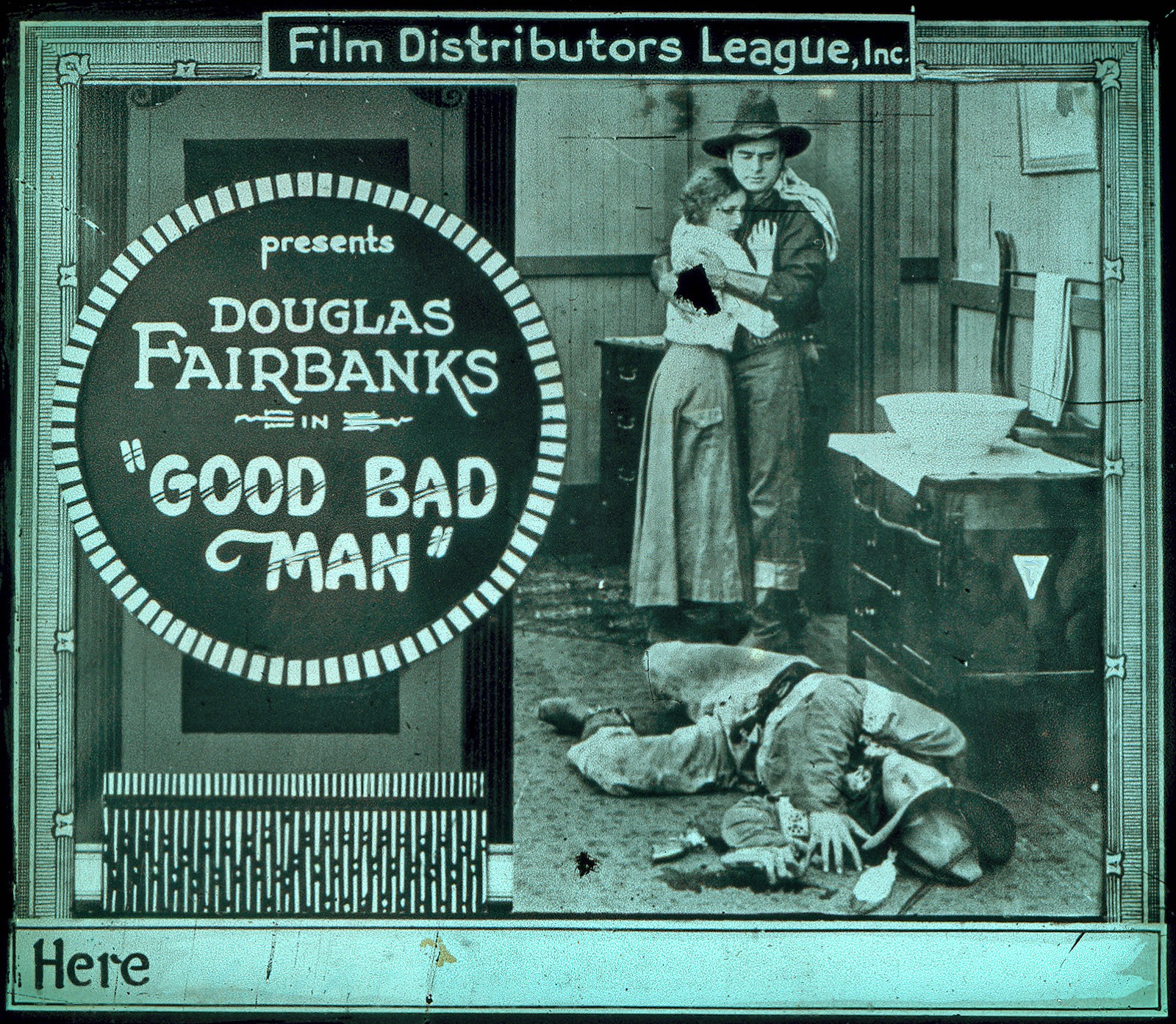
Fairbanks, as Passin' Through, is a whirlwind of kinetic energy, his every movement imbued with a captivating blend of danger and playful mischief. He's not the brooding, stoic Western hero we might associate with later eras; instead, he embodies a more dynamic, almost acrobatic form of heroism. One can sense the nascent evolution of his iconic swashbuckling roles in this performance, a precursor to the daring feats that would define films like The Mark of Zorro. His interactions with the children, played with an affecting innocence, are particularly noteworthy. These scenes allow Fairbanks to temper his usual effervescence with a tender, protective instinct, offering a glimpse into the emotional range that underpinned his larger-than-life persona. The silent film era often relied heavily on visual storytelling, and Fairbanks was a master orator of the body, communicating volumes with a mere glance or a perfectly timed leap.
The supporting cast, while perhaps less prominent, contributes significantly to the film's texture. Mary Alden, as the love interest, brings a quiet strength, embodying the resilient spirit of frontier women. Actors like Joseph Singleton, Fred Burns, and Charles Stevens, typical of the era, provide solid, if sometimes broadly drawn, portrayals of the various denizens of the Western landscape – from menacing villains to unsuspecting townsfolk. The chemistry, though largely unspoken, between Fairbanks and his co-stars is palpable, creating a believable world despite the technical limitations of the time. Bessie Love, in a smaller role, adds to the film's charming ensemble, hinting at the burgeoning talent that would see her through several decades of Hollywood. Even Sam De Grasse, often cast in more villainous parts, finds his niche here, contributing to the film's lively atmosphere.
What truly elevates The Good Bad-Man beyond a simple Western adventure is its exploration of moral ambiguity. Passin' Through isn't an inherently evil character; he's a product of his environment, a man who has chosen a life outside the law, but one who retains a fundamental sense of right and wrong. His decision to aid the children isn't a calculated move for personal gain or societal acceptance, but a spontaneous act of compassion. This makes his redemption feel earned and authentic, rather than a convenient plot device. It's a narrative choice that anticipates later, more complex anti-heroes, demonstrating Fairbanks' keen eye for character development even within the confines of a relatively short runtime. Unlike the clear-cut moralizing seen in some contemporary films, like perhaps The Legend of Provence, which often leaned into more traditional allegories, Fairbanks' Western offers a protagonist whose journey is more about self-discovery than fulfilling a preordained heroic destiny.
The film's direction, while uncredited, expertly frames the action, utilizing the vast Western landscapes to great effect. The cinematography, typical of the period, relies on static shots and carefully composed frames, but the dynamism of Fairbanks' performance breathes life into every scene. There’s a particular sequence involving a chase that showcases the impressive stunt work and athletic choreography that would become Fairbanks’ trademark. It’s a reminder that even in an era without sophisticated special effects, the sheer physicality of actors could create moments of breathtaking excitement. The editing, though rudimentary by today's standards, maintains a brisk pace, ensuring the audience remains engaged in Passin' Through's evolving predicament. The visual storytelling is paramount, with intertitles used sparingly but effectively to convey dialogue and crucial plot points, allowing the action and performances to speak volumes.
One cannot discuss The Good Bad-Man without acknowledging its place within the broader context of the Western genre. At a time when Westerns were a burgeoning and immensely popular form of entertainment, Fairbanks infused the genre with his unique brand of optimistic, energetic heroism. He took the dusty tropes of cowboys and outlaws and injected them with a vibrant, almost whimsical spirit. This film stands as a fascinating precursor to later, more psychologically complex Westerns, but it retains a pioneering charm that is entirely its own. It's less about the gritty realism of the frontier and more about the romanticized ideal of individual freedom and unexpected heroism. In some ways, it contrasts with the more stark and perhaps didactic portrayals of justice and incarceration seen in films like Life in a Western Penitentiary, offering a lighter, more hopeful vision of moral rectification.
The script, primarily attributed to Fairbanks himself, is remarkably tight for a silent film, avoiding unnecessary exposition and driving the narrative forward with a clear sense of purpose. The character of Passin' Through is not only well-conceived but perfectly tailored to Fairbanks' strengths. He understood his own appeal – the dashing rogue with a twinkle in his eye – and crafted stories that allowed him to fully embody that persona. This self-awareness in writing contributed significantly to his enduring popularity and the consistent quality of his films. It’s a testament to his multifaceted talent that he could not only star in but also shape the very narratives that would become classics.
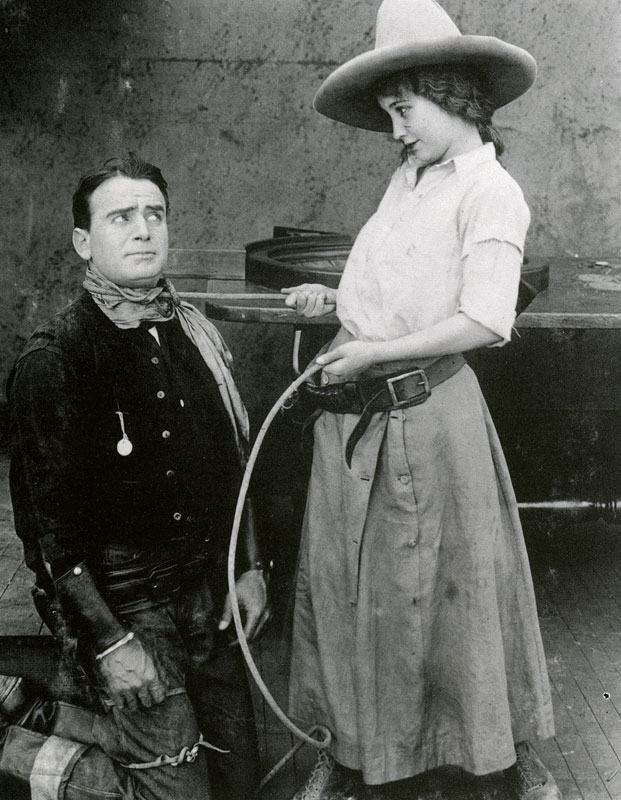
The emotional core of the film, the bond between Passin' Through and the children, is handled with a delicate touch. There's no heavy-handed sentimentality, but rather a genuine portrayal of burgeoning affection and responsibility. This element adds a layer of warmth to the rugged landscape, making the stakes feel more personal and profound. The children's vulnerability acts as a catalyst, not just for Passin' Through's actions, but for the audience's empathy. We root for him not just because he's a charismatic hero, but because he's doing something inherently good for those who cannot help themselves. This dynamic is a powerful one, elevating the film beyond mere entertainment into something more resonant and meaningful.
From a technical standpoint, while silent films might seem primitive to modern eyes, The Good Bad-Man showcases the evolving artistry of the medium. The use of natural light, the construction of sets (even if rudimentary), and the careful staging of crowd scenes all speak to the dedicated craftsmanship of early filmmakers. The film provides a valuable window into the production values of the era, demonstrating how much could be achieved with limited resources but abundant creativity. It's a reminder that storytelling prowess often triumphs over technological sophistication. One can draw parallels to the ingenuity required in stage productions or even early cinematic endeavors like Julius Caesar, where the spectacle was created through meticulous staging and powerful performances rather than digital wizardry.
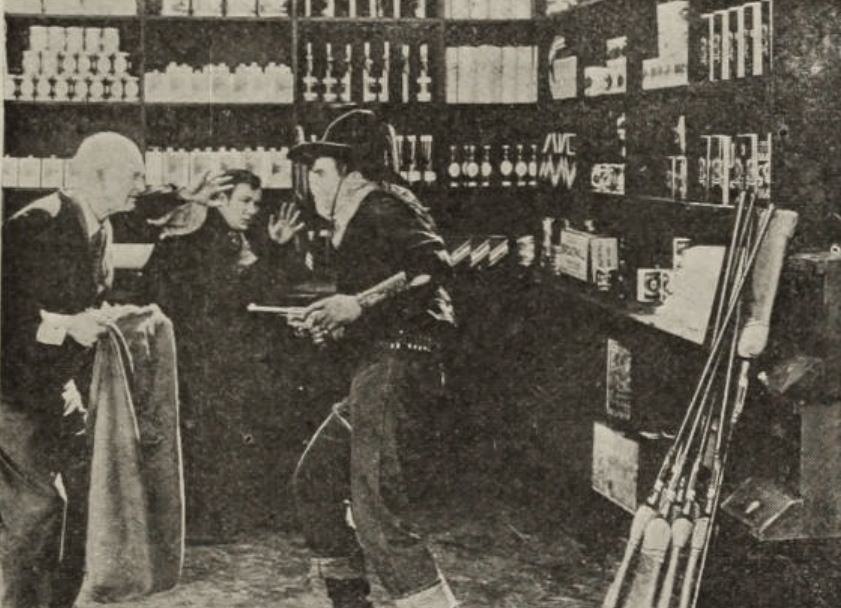
Revisiting The Good Bad-Man today is more than just a historical exercise; it’s an opportunity to appreciate the foundational elements of cinema and the enduring appeal of a well-told story. Fairbanks' performance is timeless, his energy infectious, and his portrayal of a morally conflicted hero remains compelling. The film serves as a powerful reminder that even in the most unlikely of individuals, and in the most challenging of circumstances, the capacity for goodness can ultimately prevail. It's a joyous romp, a thrilling adventure, and a surprisingly heartfelt character study, all rolled into one captivating package.
The lasting legacy of this film, and indeed of Douglas Fairbanks' early career, lies in its ability to blend action, humor, and genuine emotion. He crafted a persona that was aspirational yet relatable, a hero who was flawed but ultimately good. This nuanced approach to character was quite forward-thinking for the period, setting him apart from many of his contemporaries. While some films of the era, such as The Walls of Jericho, might have focused on more rigid societal constructs or moral failings, Fairbanks consistently championed a spirit of individual agency and the potential for personal transformation.
In conclusion, The Good Bad-Man is far more than a historical curiosity; it is a vibrant, engaging piece of cinematic art that continues to entertain and inspire. It’s a testament to the power of silent film to convey complex narratives and emotions without a single spoken word. For aficionados of classic cinema, fans of Douglas Fairbanks, or anyone simply looking for a compelling story of redemption and adventure, this film is an essential watch. It reminds us that sometimes, the most heroic acts come from the most unexpected places, proving that even a 'bad man' can find his way to good. Its enduring appeal is a clear indication of Fairbanks' genius, both as an actor and a storyteller, solidifying its place as a significant contribution to the early Hollywood landscape.
IMDb —
1935
Community
Log in to comment.