DbcultAccessing Vault...
Cult Review
Senior Film Conservator
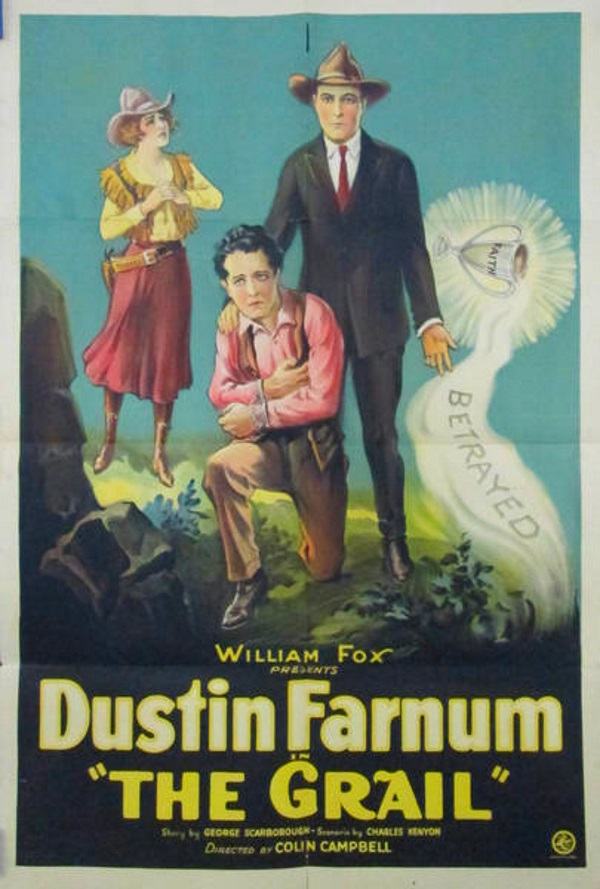
The Grail, a silent film from 1921, presents a complex tapestry of themes and characters, woven together by the skilled hands of its writers, George Scarborough and Charles Kenyon. The film's narrative is set against the backdrop of a cattle war, a conflict that has ravaged the Texas mountains, leaving in its wake a trail of bloodshed and betrayal. It is within this tumultuous environment that Texas Ranger Chic Shelby operates, a man of unwavering principle and unorthodox methodology.
Shelby's mission is to capture James Trammel and his son John, two outlaws who have been embroiled in the cattle war. The elder Trammel is a man hardened by the harsh realities of his existence, while John, despite being implicated in the killing of a cattleman, exhibits a profound sense of vulnerability and moral conflict. It is this vulnerability that Shelby astutely identifies and exploits, adopting the guise of an itinerant preacher to deliver a sermon on eternal love. This act, replete with pathos and sincerity, profoundly moves John, who, overcome by a sense of remorse and the desire for redemption, decides to surrender.
However, this poignant moment of surrender is soon eclipsed by an act of treachery, as Sam Hervey, driven by the fear of James Trammel's wrath, commits a heinous crime, shooting James and blaming the deed on Shelby. This betrayal sets in motion a chain of events that threatens to destroy not only the lives of the characters but also the very fabric of justice. Hervey's actions are a stark reminder of the destructive nature of fear and the devastating consequences of unchecked ambition.
As the narrative unfolds, Shelby finds himself at the center of a maelstrom, falsely accused and with his reputation in tatters. Yet, with unwavering determination, he sets out to clear his name, navigating a complex web of deceit and betrayal. His pursuit of the truth is a testament to his unshakeable commitment to justice, a quality that defines his character throughout the film. The eventual capture of Hervey and the subsequent acquittal of John serve as a vindication of Shelby's methods and a powerful affirmation of the enduring power of justice.
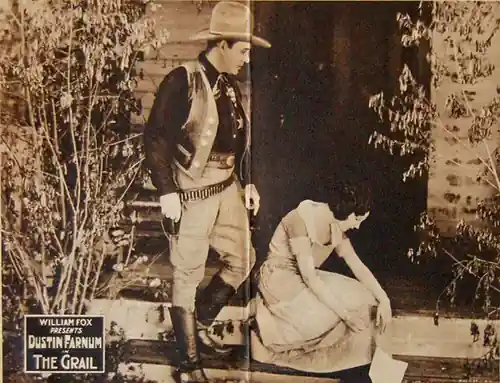
The film's climax, however, is tinged with tragedy, as Susie, John's sister, overwhelmed by the tumultuous events and the ultimate betrayal, ends her life in a heart-wrenching finale. This tragic conclusion serves as a stark reminder of the human cost of conflict and the devastating impact of betrayal on the innocent. The use of dark orange hues in the cinematography during these scenes adds a sense of foreboding and melancholy, underscoring the gravity of the events unfolding on screen.
In comparison to other films of the era, such as The Valley of the Giants, Father's Close Shave, and Atonement, The Grail stands out for its nuanced exploration of human nature and its unflinching portrayal of the consequences of violence. The film's themes of deception, redemption, and justice are timeless, resonating deeply with audiences even today. The cinematography, often bathed in yellow and sea blue tones, adds a layer of depth and complexity to the narrative, visually encapsulating the emotional turmoil of the characters.
The performances of the cast, including Carl Stockdale, James Gordon, and Frances Hatton, bring a level of authenticity to the film, their portrayals of the characters imbued with a sense of realism and emotional depth. The chemistry between the actors is palpable, adding a layer of tension and drama to the already complex narrative. The direction, coupled with the cinematography, weaves a visual tapestry that is both haunting and beautiful, a testament to the artistic vision of the filmmakers.
In conclusion, The Grail is a film that masterfully explores the intricacies of the human condition, presenting a narrative that is both gripping and thought-provoking. Through its complex characters, nuanced themes, and poignant conclusion, the film offers a powerful commentary on the nature of justice, deception, and redemption. As a piece of cinematic history, it stands as a testament to the enduring power of silent films to captivate, to move, and to challenge audiences, its relevance and impact undiminished by the passage of time.
IMDb 5.7
1930
Community
Log in to comment.