DbcultAccessing Vault...
Cult Review
Senior Film Conservator
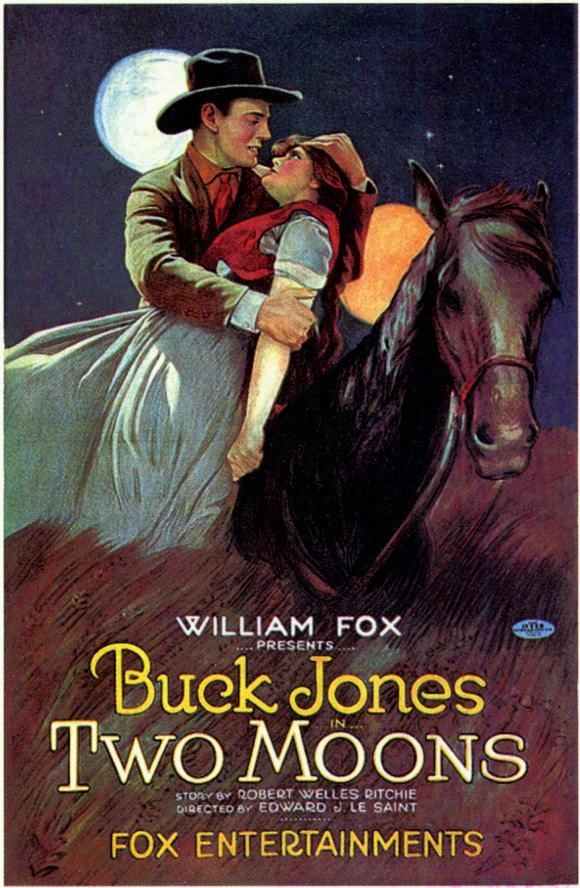
The early cinematic landscape, particularly the burgeoning Western genre, often served as a crucible for exploring foundational American myths: the struggle for land, the clash of civilizations, and the birth of a rugged justice. Edward LeSaint's 1920 feature, Two Moons, stands as a compelling, if sometimes overlooked, testament to these enduring themes. It’s a film that, even a century later, resonates with a raw, untamed energy, capturing the visceral essence of a frontier teetering on the brink of anarchy. Here, the picturesque vastness of Wyoming becomes less a backdrop and more a character, its sprawling plains and formidable mountains bearing witness to a conflict as ancient as human ambition itself: the contest for grazing lands between two diametrically opposed livelihoods – the cattlemen and the sheep herders.
From its opening frames, Two Moons plunges us into a world defined by escalating tension. The economic realities of the turn of the century West, where land was wealth and resources finite, are dramatized with stark clarity. Five sheep-men have been brutally murdered, each discovery marked by the chilling, ritualistic placement of a mysterious stone between their eyes. This isn't merely a series of killings; it's a declaration, a grim message etched in blood and stone, elevating the conflict beyond simple economics to something almost mythical, a primal struggle for dominance that echoes the stark, unforgiving landscape. The film's ability to imbue these early acts of violence with such symbolic weight is a testament to its narrative ambition, setting a tone of foreboding mystery that underpins the entire drama.
Further complicating this already volatile situation is the figure of Sheriff Red Agnew, portrayed with a sinister gravitas by Edward Peil Sr. Agnew is not the archetypal, impartial lawman of Western lore; he is, pointedly, a hireling of the sheep interests. This deliberate subversion of the traditional justice figure immediately signals the film's intent to explore the moral ambiguities of the frontier. When law and order are corrupted, when the very institutions meant to uphold peace are partisan, the stage is set for a descent into self-administered justice, or worse, unchecked vigilantism. Agnew’s presence doesn't just add to the conflict; it intensifies it, pushing the cattlemen, already feeling disenfranchised, towards more desperate measures. His character is a pivotal example of how early cinema, even in its silent form, could convey complex ethical dilemmas through performance and narrative framing.
Against this backdrop of simmering resentment and open hostility, we are introduced to Bill Blunt, played with a stoic intensity by Bert Sprotte. Blunt is a man of the land, a representative of the cattlemen, embodying their rugged independence and their deep-seated grievances. His role is not merely to inspect grazing lands but to act as a sentinel, a protector of his people's way of life. It is during one such inspection that he encounters Hilma Ring, a sheep-man's daughter, brought to life by the evocative performance of Carol Holloway. The screenplay, penned by Robert Welles Ritchie and Edward LeSaint, describes Hilma as of the "primitive" sort, a descriptor that, in the context of the era, likely aimed to convey a sense of untamed beauty, fierce independence, and perhaps a closeness to the elemental forces of nature, rather than any pejorative connotation. Holloway’s portrayal captures this essence, presenting Hilma as a woman whose spirit is as wild and unyielding as the Wyoming winds.
The initial interactions between Bill and Hilma are, predictably, fraught with the animosity of their respective factions. They are antagonists by birthright, their every glance and gesture laden with the weight of generations of conflict. Yet, it is precisely this tension that makes their eventual reconciliation so compelling. The film meticulously charts their journey from mutual suspicion to a grudging respect, and finally, to an undeniable affection. This slow burn of a romance, unfolding amidst the backdrop of violence and prejudice, is the beating heart of Two Moons. It suggests that even in the most entrenched divisions, human connection can transcend inherited hatreds, offering a fragile glimmer of hope for unity. This narrative arc, where love blossoms in the most improbable of circumstances, is a classic trope, but Two Moons executes it with a sincerity that feels remarkably fresh, unburdened by saccharine sentimentality.
The performances are central to this emotional resonance. Bert Sprotte, as Bill Blunt, conveys a deep-seated weariness beneath his rugged exterior, a man burdened by the weight of his community's struggles yet capable of profound tenderness. Carol Holloway, as Hilma, is a revelation. Her "primitive" portrayal is not one of crudeness but of an innate strength and a profound connection to her environment. She is a woman who understands the harsh realities of her world but possesses an inner fire that allows her to see beyond the narrow confines of tribal loyalties. Their chemistry, though conveyed through the nuanced gestures and expressive eyes of silent cinema, is palpable, lending credibility to their forbidden romance.
Director Edward LeSaint, an experienced hand in early cinema, masterfully utilizes the vast Wyoming landscapes to underscore the film's themes. Wide shots of rolling plains and towering peaks emphasize the insignificance of human squabbles against the grandeur of nature, while simultaneously highlighting the immense stakes of controlling such resources. The cinematography, though limited by the technology of the era, captures the raw beauty and inherent danger of the frontier, making the setting an active participant in the drama rather than a mere backdrop. The stark contrasts of light and shadow, typical of silent films, are employed effectively to enhance the mood, from the sun-drenched plains of a tense standoff to the shadowed interiors where conspiracies might be hatched.
The narrative structure, co-written by LeSaint himself and Robert Welles Ritchie, is surprisingly intricate for its time. It weaves together elements of a murder mystery, a social drama, and a forbidden romance with a deft hand. The mystery of the stones, for instance, adds an intriguing layer, keeping the audience engaged in not just the 'who' but the 'why' of the escalating violence. This multi-faceted approach prevents the film from devolving into a simplistic good-versus-evil narrative, instead presenting a more nuanced exploration of human motivations and the corrosive effects of prejudice.
In its exploration of social strife and the pursuit of justice, Two Moons finds thematic kinship with other films of its period. One might draw parallels to the raw, visceral conflict depicted in a film like Fires of Rebellion, which similarly delved into societal unrest and the fight against oppressive forces. Both films, in their own ways, capture the spirit of an era grappling with rapid change and the often-violent consequences of clashing interests. The portrayal of a corrupt official, Sheriff Agnew, also resonates with the broader cinematic trend of questioning authority, a theme that would continue to evolve in subsequent decades.
Furthermore, the film's central romance, born from antagonism, harks back to timeless narrative devices. The idea of love as a bridge over seemingly insurmountable divides is a universal one, and Two Moons executes it with a particular frontier grit. The 'primitive' nature ascribed to Hilma also aligns with a certain romantic idealization of the 'natural' woman, a figure often seen in early American cinema as embodying a purer, less corrupted spirit, contrasting with the perceived artifice of urban life. This characterization is handled with a delicate balance, ensuring Hilma remains a strong, independent agent rather than a mere object of affection.
The cast, though largely operating within the conventions of silent film acting, delivers performances that are both expressive and understated. Beyond Sprotte and Holloway, the supporting players, including William Ellingford, Edwin B. Tilton, and the legendary Buck Jones, contribute to the authenticity of the frontier world. Their collective presence grounds the fantastical elements of the murder mystery in a believable, lived-in reality. The silent era demanded a particular kind of physicality and facial expression, and this ensemble rises to the occasion, communicating complex emotions without the aid of dialogue.
What truly elevates Two Moons beyond a simple genre piece is its willingness to grapple with the inherent complexities of its subject matter. It doesn't shy away from depicting the brutality of the conflict, nor does it offer simplistic solutions. The resolution, while ultimately leaning towards reconciliation through love, is earned through significant struggle and sacrifice. It suggests that true peace often requires individuals to rise above the prejudices of their communities, to forge new paths guided by empathy rather than inherited animosity. This message, perhaps more than any other, gives the film its enduring power.
The writers, Robert Welles Ritchie and Edward LeSaint, craft a narrative that, despite its period setting and silent format, feels remarkably modern in its exploration of themes that continue to resonate today: land rights, environmental conflict, the corruption of power, and the redemptive power of human connection. The mysterious stones, for instance, remain a potent symbol throughout, representing the deep-seated, almost mystical animosity that fuels the feud, a stark reminder of the ancient, almost tribal nature of the conflict. This subtle narrative device elevates the plot beyond a mere Western shootout, adding layers of psychological and cultural depth.
One could argue that the film’s depiction of the feud also touches on the concept of retribution and consequence, a theme explored in other international silent films like Odin nasladilsya, drugoy rasplatilsya, where actions inevitably lead to their respective payoffs. In Two Moons, the escalating violence is a direct consequence of the initial murders and the partisan sheriff's actions, demonstrating a clear chain of cause and effect that drives the narrative forward with relentless momentum. The film doesn't preach, but rather allows the unfolding events to illustrate the dire consequences of unchecked hatred.
The challenges faced by Bill and Hilma, caught between warring factions, also evoke the difficult moral choices presented in films such as The Primrose Path, where characters must navigate treacherous social landscapes. Their personal journey of falling in love is not merely a romantic subplot; it is intrinsically linked to the larger struggle for peace in Wyoming. Their union symbolizes the potential for a new order, one built on understanding rather than animosity, a fragile hope for a future where the 'two moons' – perhaps representing the two warring factions – might finally coexist in harmony.
In conclusion, Two Moons is more than just an artifact of early cinema; it is a vibrant, engaging Western that transcends its silent origins to deliver a powerful narrative about conflict, love, and the relentless human spirit. Its detailed portrayal of a frontier feud, the compelling mystery of the murders, and the heartfelt romance between Bill and Hilma make it a film worthy of rediscovery. It reminds us that even in the absence of spoken dialogue, cinema can convey profound truths about the human condition, painting vivid pictures of a world where survival often depended on both strength and compassion. It stands as a testament to the enduring power of storytelling, a silent epic that speaks volumes about the American West and the universal quest for peace amidst discord.
The film's exploration of character depth, particularly in Hilma Ring, distinguishes it. Her 'primitive' description is ultimately revealed as a strength, a primal connection to the land that allows her to see beyond the petty squabbles. This nuanced characterization, coupled with Bert Sprotte's grounded performance as Bill Blunt, elevates the central romance from a mere plot device to a genuine emotional anchor. Their journey is one of overcoming ingrained prejudice, a difficult path that ultimately promises a brighter future for the embattled Wyoming landscape. The enigmatic stones, symbolizing the deep-seated hatred, ultimately yield to the greater power of empathy and love, a poignant message delivered with remarkable clarity in this silent masterpiece.
For those who appreciate the foundational works of American cinema, and especially for enthusiasts of the Western genre, Two Moons offers a rich and rewarding experience. It's a film that not only entertains with its dramatic plot and compelling characters but also provides valuable insight into the social and cultural anxieties of its time. The meticulous direction of Edward LeSaint, combined with the robust performances of a dedicated cast, ensures that this silent epic continues to resonate, proving that some stories are timeless, their power undiminished by the passage of a century.
IMDb —
1936
Community
Log in to comment.