DbcultAccessing Vault...
6.6/10
Senior Film Conservator
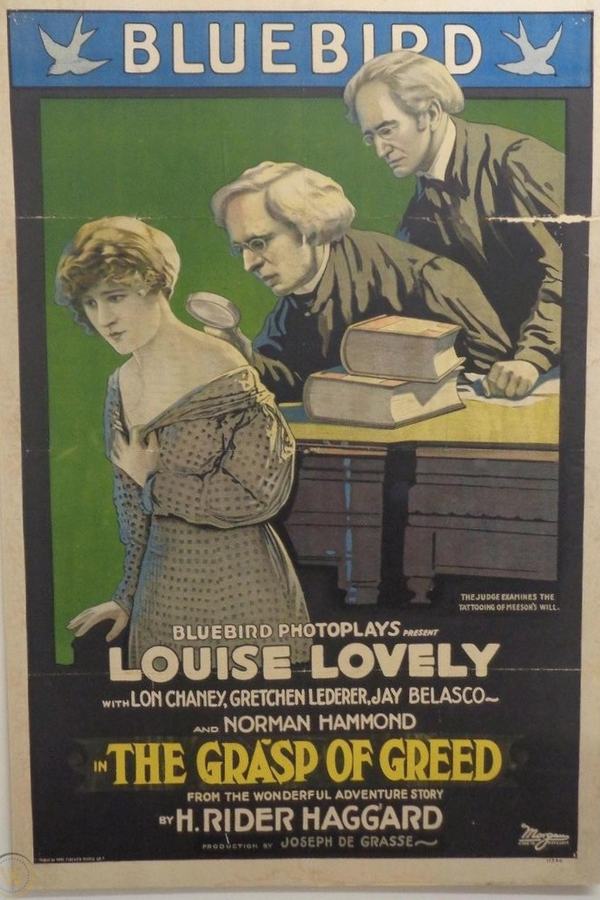
A definitive 6.6/10 rating for a film that redefined the boundaries of cult cinema. The Grasp of Greed remains a cornerstone of transgressive art.
Ah, the silent era! A time when narratives unfolded through the sheer power of visual storytelling, where every gesture, every facial contortion, and every intertitle had to speak volumes. In this rich tapestry of early cinema, we find a gem like The Grasp of Greed (1916), a film that, even a century later, resonates with an unsettling contemporary relevance. It's a poignant exploration of artistic vulnerability, the ruthless machinery of commerce, and the complex dance between love and loyalty, all wrapped in the dramatic flair characteristic of its period. Directed with a keen eye for human emotion, this picture delves into themes that remain evergreen: the exploitation of creative talent, the moral compromises demanded by ambition, and the enduring quest for justice.
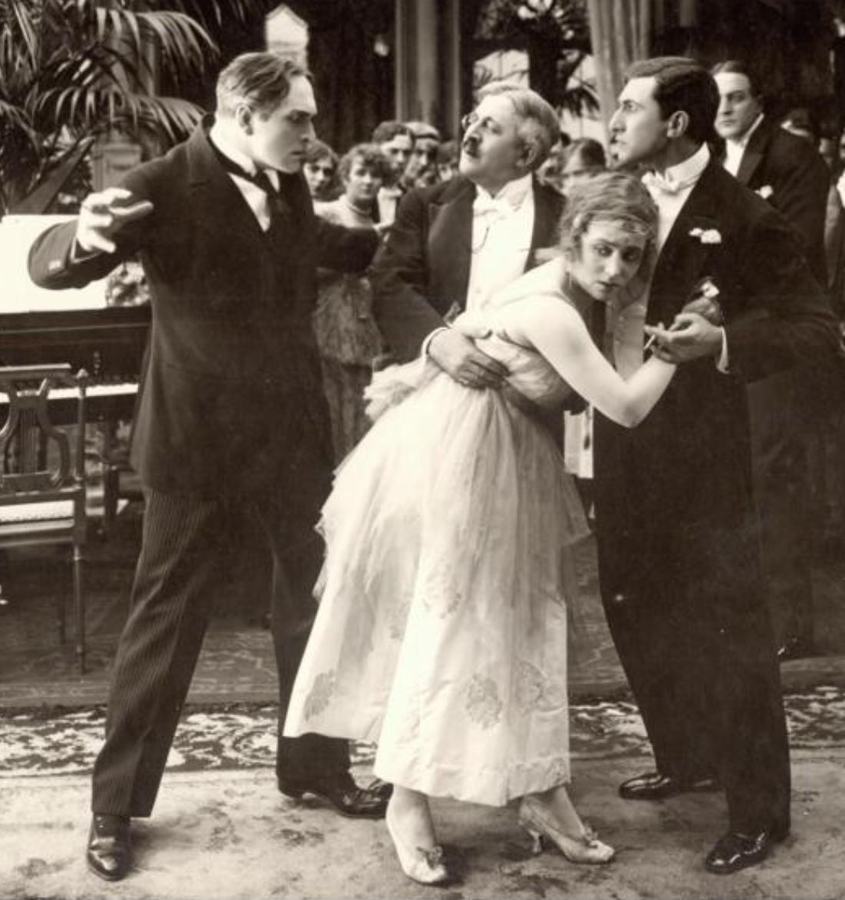
Our journey begins with the youthful exuberance of a burgeoning author, her heart swelling with the triumph of her first literary conquest. The sensation of seeing her words validated, her imagination brought to life on the printed page, must have been intoxicating. It’s a dream many aspiring writers chase, a moment of pure, unadulterated joy. Yet, this very elation, this innocent trust in the system, becomes her undoing. In a scene that perfectly encapsulates the film's central tragedy, she, with a flourish of her pen, unknowingly signs away not just her immediate rights, but her entire creative future to a publisher whose smile conceals a heart as cold and calculating as a winter's dawn. This isn't just a simple business transaction; it's a symbolic pact with a devil in tailored suits, a stark reminder that the fine print often holds the most potent venom.
The film masterfully builds this sense of impending doom without resorting to overt villainy in the initial stages. The publisher, portrayed with chilling effectiveness by Lon Chaney, doesn't need to brandish a literal weapon; his weapon is the legal document, his battlefield the unsuspecting artist's naive optimism. Chaney, even in these nascent stages of his career, already possessed that uncanny ability to imbue his characters with layers of psychological complexity, making his avarice feel less like a caricature and more like a pervasive, deeply ingrained aspect of his being. The audience, privy to the sinister undertones, watches with a growing sense of dread as the author, full of hope, walks willingly into her own intellectual servitude. It's a narrative device that, while simple, remains incredibly effective, drawing us into the protagonist's plight with an almost visceral empathy.
The book, as fate would have it, becomes a phenomenal success. A bestseller. Its words resonate with the public, its story captures hearts and minds, and its author should, by all rights, be basking in the glow of both critical acclaim and financial prosperity. But the cruel twist of this tale is that her triumph is simultaneously her greatest torment. The financial rewards, the veritable goldmine generated by her creativity, flow exclusively into the coffers of her greedy publisher. She is a spectator to her own success, an architect of wealth she cannot touch, a creator whose creation has been utterly alienated from her. This scenario, unfortunately, is not confined to the silent era; it echoes through the annals of artistic history, a recurring lament of creators across various mediums. One cannot help but draw parallels to modern struggles over intellectual property in the digital age, where artists often grapple with opaque contracts and the disproportionate power of distributors.
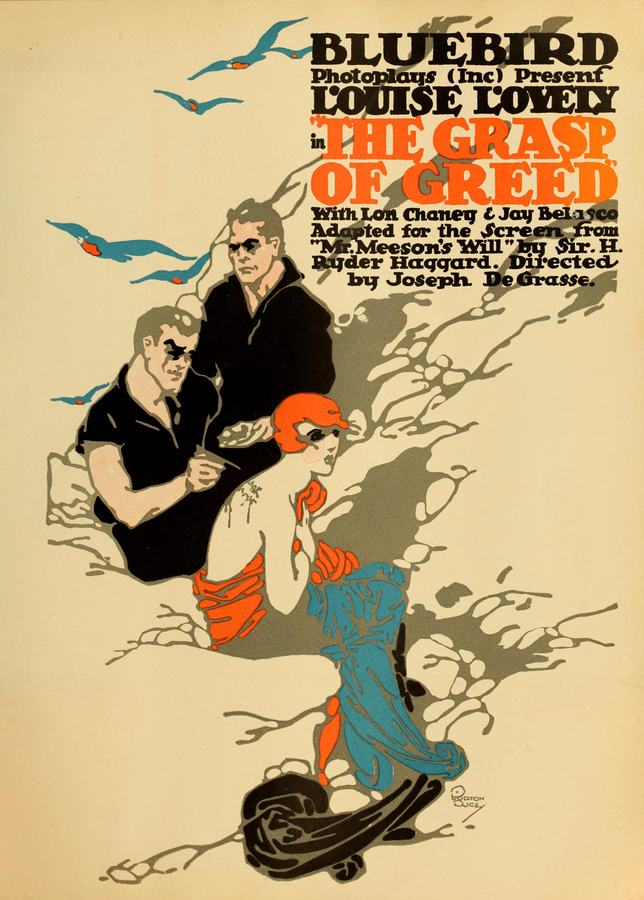
The emotional weight of this realization on the young author, eloquently conveyed through Louise Lovely's nuanced performance, is palpable. Her initial joy transforms into a profound anguish, a sense of betrayal that cuts deeper than any physical wound. Lovely, with her expressive eyes and delicate yet determined demeanor, makes us feel every flicker of hope extinguished, every spark of injustice ignited. It's a portrayal that transcends the limitations of silent film, communicating a universal human experience of being wronged when one least expects it. The film doesn't just show us her plight; it invites us to feel it, to understand the psychological toll of watching one's dreams become another's profit.
Into this morally compromised world steps the publisher's nephew, a character who embodies the film's exploration of redemption and moral awakening. Jay Belasco portrays him not as a mere plot device, but as a man caught in a profound ethical dilemma. He is an inheritor, a beneficiary of the very system that has exploited the author, yet he possesses a conscience that rebels against the injustice he witnesses. His burgeoning affection for the author isn't merely a romantic subplot; it's the catalyst for his moral transformation. He sees her not as a commodity, but as a person, an artist, and this recognition compels him to act. The film cleverly uses their growing relationship as a narrative engine, transforming a personal connection into a quest for justice.
The dynamic between the nephew and his uncle is particularly fascinating. It highlights the generational divide in values, perhaps even a nascent critique of unchecked capitalism. The nephew represents a glimmer of hope, a belief that integrity can still exist within a system often devoid of it. His struggle is internal, a battle between loyalty to family and adherence to a higher moral code. This internal conflict is a common thread in cinema, often explored in films where individuals stand against powerful, corrupt establishments. One might consider the thematic echoes in a film like The Revolutionist, where personal conviction drives defiance against an oppressive regime, albeit on a grander political scale. Here, the revolution is personal, a quiet rebellion against familial wrongdoing.
The heart of The Grasp of Greed beats strongest in its depiction of the nephew's determined efforts to help the author reclaim her rightful property. This isn't a simple legal battle; it's a moral crusade. The odds are stacked against them. The publisher, a master manipulator and legal tactician, wields the full force of his power and connections to maintain his ill-gotten gains. Lon Chaney's performance here is critical, his silent menace radiating from the screen. He embodies the very essence of avarice, a character driven solely by profit, devoid of empathy or ethical boundaries. His portrayal is a masterclass in silent film villainy, relying on subtle gestures, piercing stares, and a palpable air of authority to convey his ruthlessness. It's a performance that stands out even among his impressive early filmography, laying groundwork for the more grotesque yet equally compelling characters he would later become famous for.
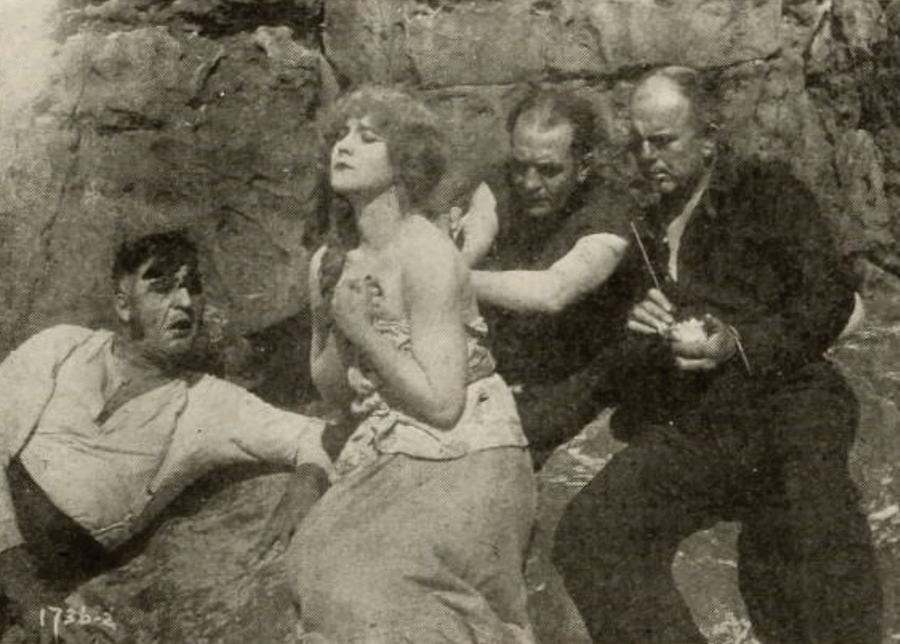
The narrative deftly navigates the complexities of this struggle. It’s not just about winning a lawsuit; it’s about restoring dignity, validating artistic effort, and proving that justice, however elusive, can sometimes prevail. The film avoids overly simplistic resolutions, instead portraying the arduous nature of battling a well-entrenched power. This struggle for fairness against overwhelming odds can be seen in other cinematic narratives of the era, such as Judge Not, which similarly explores the moral quandaries and societal pressures faced when seeking truth and rectitude. The emotional stakes are continually heightened, with each setback for the protagonists making their eventual triumph, or indeed their potential failure, feel all the more impactful.
The cast of The Grasp of Greed delivers performances that are both era-appropriate and surprisingly nuanced. Louise Lovely, as the beleaguered author, is particularly compelling. Her face, a canvas for profound emotion, transitions seamlessly from youthful optimism to heart-wrenching despair, and eventually, to a quiet resilience. She conveys the intellectual and emotional agony of her character without uttering a single word, a testament to her skill in the silent medium. Her chemistry with Jay Belasco as the nephew is tender and believable, providing a much-needed warmth amidst the cold machinations of the publisher. Belasco, in turn, portrays a man grappling with his conscience, his growing affection for the author slowly but surely overriding his family loyalties. His transformation from a potentially passive observer to an active agent of change is one of the film's most satisfying arcs.
And then, there's Lon Chaney. Even in a relatively straightforward villainous role, Chaney brings an intensity that is captivating. His physical presence, the subtle shifts in his posture, the predatory gleam in his eyes – all contribute to a character that is genuinely menacing. He doesn't need grand gestures to convey his malevolence; it emanates from him, a quiet, insidious force. Gretchen Lederer and Lillian Leighton, though in supporting roles, add depth to the ensemble, portraying characters who react to the unfolding drama with their own distinct emotional responses, further grounding the narrative in a believable human context. C. Norman Hammond and Louise Emmons also contribute to the film's texture, ensuring that even minor characters feel integrated into the larger moral landscape.
The direction, likely by Joe De Grasse (though not explicitly stated in all records, his frequent collaboration with Chaney and Lovely around this period makes it a strong possibility), showcases a solid understanding of silent film aesthetics. The cinematography, while not groundbreaking by today's standards, is effective in conveying mood and advancing the plot. Close-ups are used judiciously to emphasize emotional reactions, drawing the audience deeper into the characters' inner worlds. The use of intertitles is skillful, providing necessary exposition and dialogue without disrupting the visual flow, often serving to amplify the drama or highlight crucial contractual clauses. The pacing is deliberate, allowing the emotional beats to land with appropriate weight, building tension gradually towards the climactic confrontation.
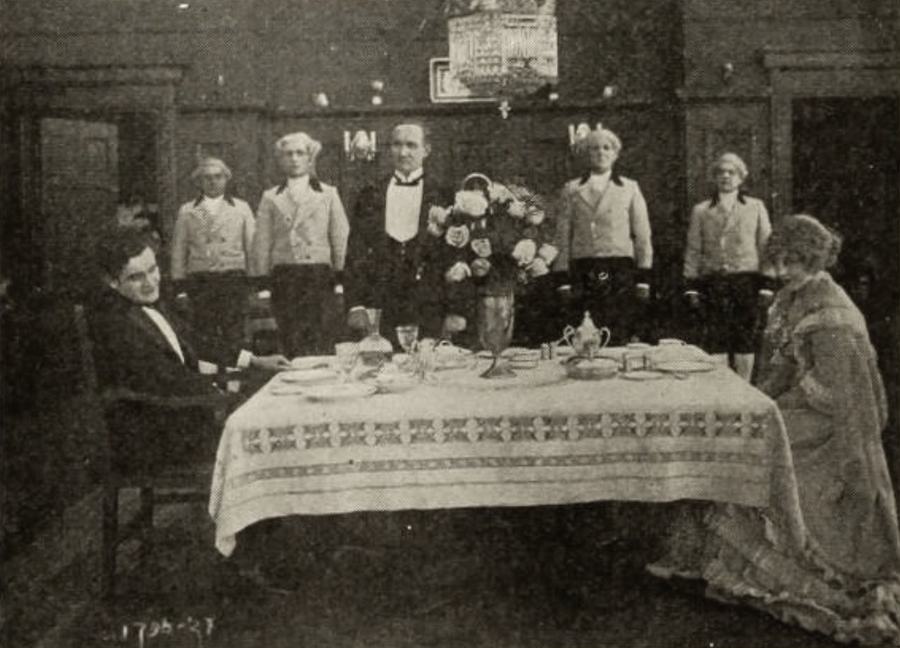
The sets and costumes, while indicative of the period, also serve the narrative. The publisher's opulent office, for instance, contrasts sharply with the author's more modest surroundings, visually reinforcing the disparity in their power and wealth. This visual language, inherent to silent cinema, allowed filmmakers to communicate complex ideas and social commentary without the need for spoken dialogue, relying instead on symbolism and juxtaposition. The film's overall aesthetic contributes significantly to its atmosphere, creating a world where ambition and vulnerability clash in a dramatic fashion.
What makes The Grasp of Greed endure is its exploration of themes that remain profoundly relevant. The battle for intellectual property rights, the ethical responsibilities of those in power, and the potential for redemption are not confined to the early 20th century. In an age where digital content is easily commodified and creators often struggle to maintain ownership and fair compensation for their work, the film's central conflict feels remarkably prescient. It serves as a stark reminder that the 'grasp of greed' is not merely a historical artifact but a persistent force that artists and innovators must continually contend with.
The film also touches upon broader societal issues. The vulnerability of the individual against powerful corporations or individuals, the insidious nature of legal loopholes, and the moral imperative to stand up for what is right are all explored with a surprising depth for a film of its time. It’s a narrative that champions the underdog, celebrates integrity, and offers a glimmer of hope that even the most entrenched injustices can be challenged. This resilience in the face of overwhelming power can be observed in other narratives of the era, such as The Price of Tyranny, which directly confronts the consequences of unchecked power and the fight against it. While the scale differs, the underlying human spirit of resistance remains a compelling commonality.
The ending, without giving away explicit details, delivers a satisfying resolution that upholds the principles of justice and love. It's a conclusion that feels earned, a triumph forged through perseverance and moral courage. The film, in its quiet way, asserts the value of artistic labor and the sanctity of personal integrity over the cold, hard logic of profit. It leaves the viewer not just entertained, but also with a lingering sense of reflection on the ethical landscape of creative industries, both then and now. The Grasp of Greed, penned by H. Rider Haggard and Ida May Park, proves that a century-old silent film can still speak volumes, its narrative echoes reverberating through our contemporary world with startling clarity, reminding us that the fight for fairness in creative endeavors is a perpetual one.
IMDb —
1929
Community
Log in to comment.