DbcultAccessing Vault...
Cult Review
Senior Film Conservator
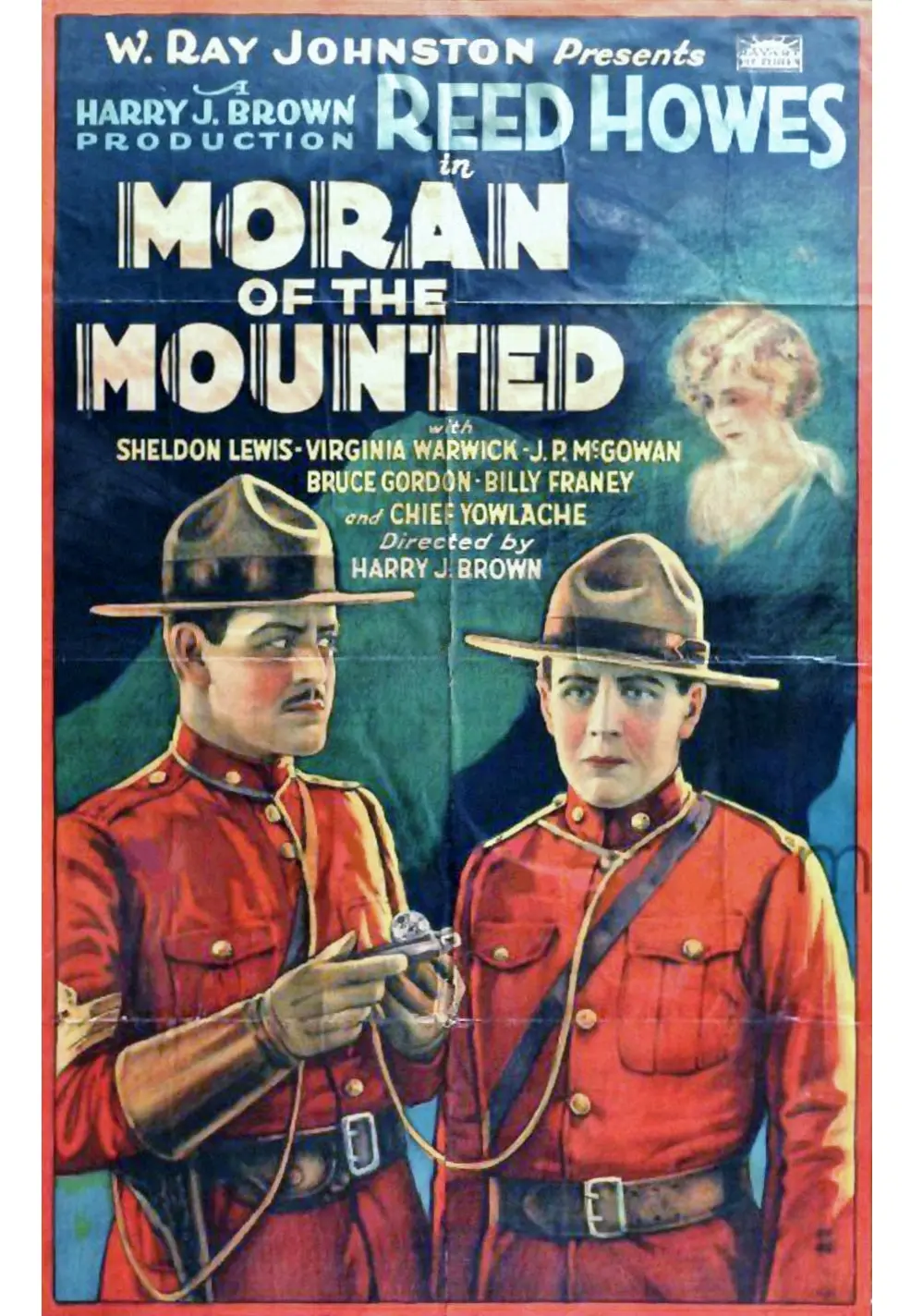
Short answer: yes, but only if you have a stomach for the unvarnished, often-clunky mechanics of 1920s B-circuit thrillers. This is not a polished prestige picture; it is a desperate, low-budget sprint through the woods that happens to feature a genuinely dark narrative hook. This film is for the silent cinema completionist who values historical grit over modern polish. It is certainly NOT for those who find the slow, exaggerated pantomime of early action films tedious or those looking for the nuance of modern crime procedurals.
This film works because the central conceit—a man given a week to find a killer or kill himself—adds a layer of psychological pressure that was rare for the Northwest Mounted Police subgenre at the time.
This film fails because the resolution relies on a sudden, almost unearned confession from a villain who appears far too late to feel like a meaningful threat.
You should watch it if you enjoy seeing how early filmmakers handled 'ticking clock' narratives without the benefit of rapid-fire editing or synchronized sound.
Trooper Moran, played with a stiff-lipped intensity by Bruce Gordon, is not your typical boy-scout Mountie. While the genre often portrays these men as infallible icons of the crown, Moran of the Mounted places its protagonist in a position of extreme vulnerability. The film opens with a murder that feels personal, not just professional. When Moran is accused of killing the father of the woman he loves, the stakes aren't just his career; they are his very soul.
The most striking element of the screenplay by Jack Natteford is the ultimatum. Giving a lawman seven days to solve a crime or commit suicide is a brutally simple narrative engine. It’s effective. It’s punchy. It strips away the fluff. Unlike the more whimsical tone found in Sally of the Sawdust, this film leans into the isolation of the frontier. Every shot of Moran riding through the brush feels like a second hand ticking on a clock we can't see.
One of the most surprising elements of this 1926 production is the presence of Chief Yowlachie. In an era where indigenous roles were frequently played by white actors in heavy makeup, Yowlachie brings a level of gravitas to the 'Indian trader' character. While the script still operates within the tropes of the time, his performance provides a necessary counterpoint to Moran's frantic energy. When Moran corners him, the tension is palpable. It isn't just a hero-versus-suspect dynamic; there is a sense of two different worlds colliding under the harsh light of the northern sun.
Billy Franey provides the comic relief, which, to be honest, feels like it belongs in a different movie. It’s a common flaw in silent features—the fear that the audience will grow too bored with the drama, so they inject a 'funny man.' In Moran of the Mounted, these moments often undercut the tension. You’ll find yourself wishing the camera would stay on Gordon’s brooding face rather than cutting to a physical gag that feels dated even by 1926 standards. It’s a jarring shift, similar to the tonal inconsistencies seen in Hands Up! from the same year.
J.P. McGowan, who also appears in the film, was a veteran of the 'action-thriller' long before the term was codified. His direction here is utilitarian. He doesn't go for the artistic flourishes of a Griffith or the scale of a DeMille. Instead, he focuses on the hunt. The cinematography, while basic, makes excellent use of depth. There is a specific scene where Moran trails the trader through a dense thicket; the way the branches obscure our view of the protagonist mirrors his own confusion and desperation.
The pacing of the film is its greatest asset and its greatest liability. The first two acts move with a commendable speed. We feel the weight of the days passing. However, the final act suffers from a 'fast-tracked' resolution. The French trapper, played with sneering efficiency by Harry Semels, is introduced and defeated with such haste that it almost feels like the production ran out of film. It works. But it’s flawed. The climax doesn't have the emotional payoff of a film like The Northern Code, which handled similar themes with a bit more grace.
Because this was a 1926 release, we are seeing the silent era at its technical peak just before the transition to sound. The intertitles are concise, which is a blessing. Too many films of this era, like Where Are My Children?, rely on heavy-handed text to explain morality. Moran of the Mounted trusts the audience to understand the stakes through visual cues. The sight of Moran looking at his watch or the sun setting over the trees tells us everything we need to know about his impending doom.
The costumes and sets are remarkably grounded. There is a lived-in quality to the cabins and the Mountie uniforms. They look dusty, sweat-stained, and real. This realism helps ground the somewhat melodramatic 'suicide pact' plot point. If the world looked too theatrical, we wouldn't believe Moran’s desperation. But because the environment feels harsh, his ultimatum feels plausible within that specific frontier logic.
The film’s lean runtime ensures that the central conflict is never far from the surface. Bruce Gordon delivers a physical performance that conveys the exhaustion of a man literally running for his life. The location shooting provides an authenticity that studio-bound films of the era lacked, capturing the ruggedness of the terrain that Moran must navigate. It’s an honest piece of genre filmmaking that doesn’t pretend to be more than it is.
The romantic subplot with Virginia Warwick feels like a mandatory checklist item rather than a burning passion. Their chemistry is serviceable but lacks the spark needed to make the 'murdered father' angle truly gut-wrenching. Additionally, the final confrontation with the French trapper feels physically underwhelming; after such a long build-up, the actual 'catch' happens in a flash, leaving the viewer wanting a more substantial showdown.
Moran of the Mounted is a fascinating artifact of a bygone era of storytelling. It demonstrates how early filmmakers used high-concept stakes to keep audiences engaged. While it lacks the psychological depth of later noir or the visual grandeur of epic westerns, it remains a punchy, effective thriller. It is a testament to the efficiency of B-movie production in the late silent period. It isn't a masterpiece, but it is a solid, workmanlike film that delivers on its promise of adventure and suspense. If you can overlook the dated comic relief and the rushed ending, you'll find a story that still has a surprisingly sharp edge. It’s a ride worth taking, even if the destination is a bit predictable.
IMDb 6.1
1936
Community
Log in to comment.