DbcultAccessing Vault...
Cult Review
Senior Film Conservator
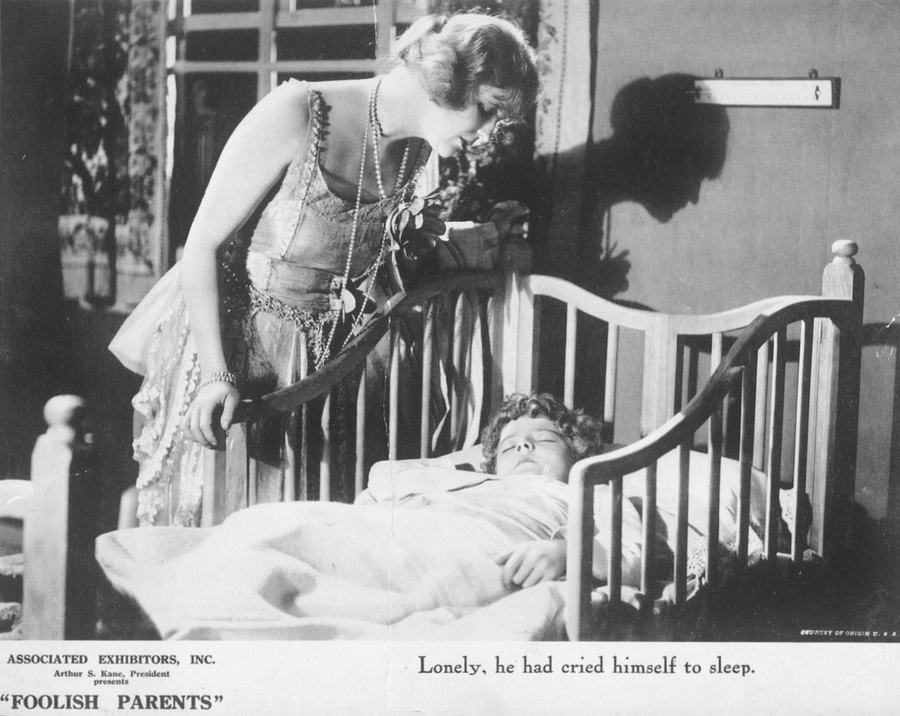
The Grass Orphan presents a fascinating dichotomy, juxtaposing the opulent lifestyle of its protagonists with the harsh realities of economic struggle. As the couple, played by Hugh Clifton and Ann Trevor, embark on their journey towards financial independence, the film masterfully weaves a narrative that is both poignant and thought-provoking. The uncle's ingenious plan, though unorthodox, serves as a catalyst for the couple's metamorphosis, as they gradually shed their extravagant facade and develop a deeper appreciation for the value of hard work and perseverance.
One of the most striking aspects of The Grass Orphan is its thoughtful exploration of the human condition. Through the characters' experiences, the film raises essential questions about the nature of identity, the importance of personal growth, and the impact of external influences on our lives. The couple's transformation is not merely a product of their changed circumstances but also a result of their own introspection and self-awareness. As they navigate the complexities of their new reality, they are forced to confront their own flaws and weaknesses, leading to a more authentic and meaningful existence.
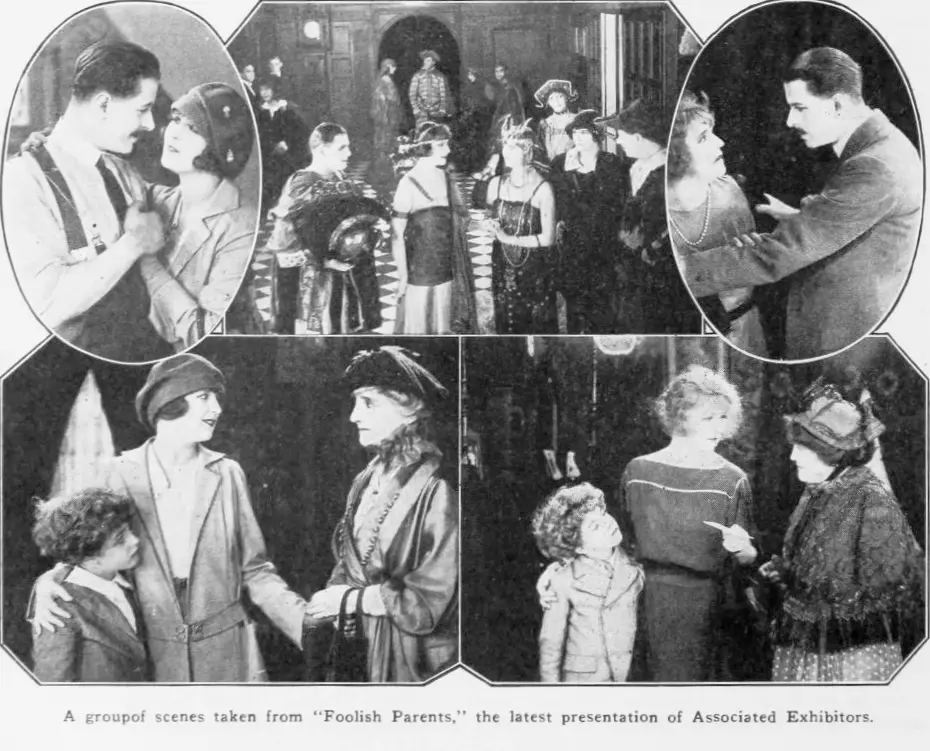
The film's cinematography is equally impressive, with a keen attention to detail that transports the viewer to the world of the early 20th century. The use of warm, golden tones and soft, muted hues creates a visually stunning backdrop for the narrative, drawing the audience into the lives of the characters. The camerawork is equally noteworthy, with a mix of close-ups and wide shots that adds depth and nuance to the storytelling.
In comparison to other films of the era, such as Monte Carlo and The Flame of Hellgate, The Grass Orphan stands out for its thoughtful and introspective approach to storytelling. While films like Hämnaren and LaRue of Phantom Valley rely on action and suspense to drive their narratives, The Grass Orphan focuses on the quiet, inner struggles of its characters, creating a more contemplative and emotionally resonant viewing experience.
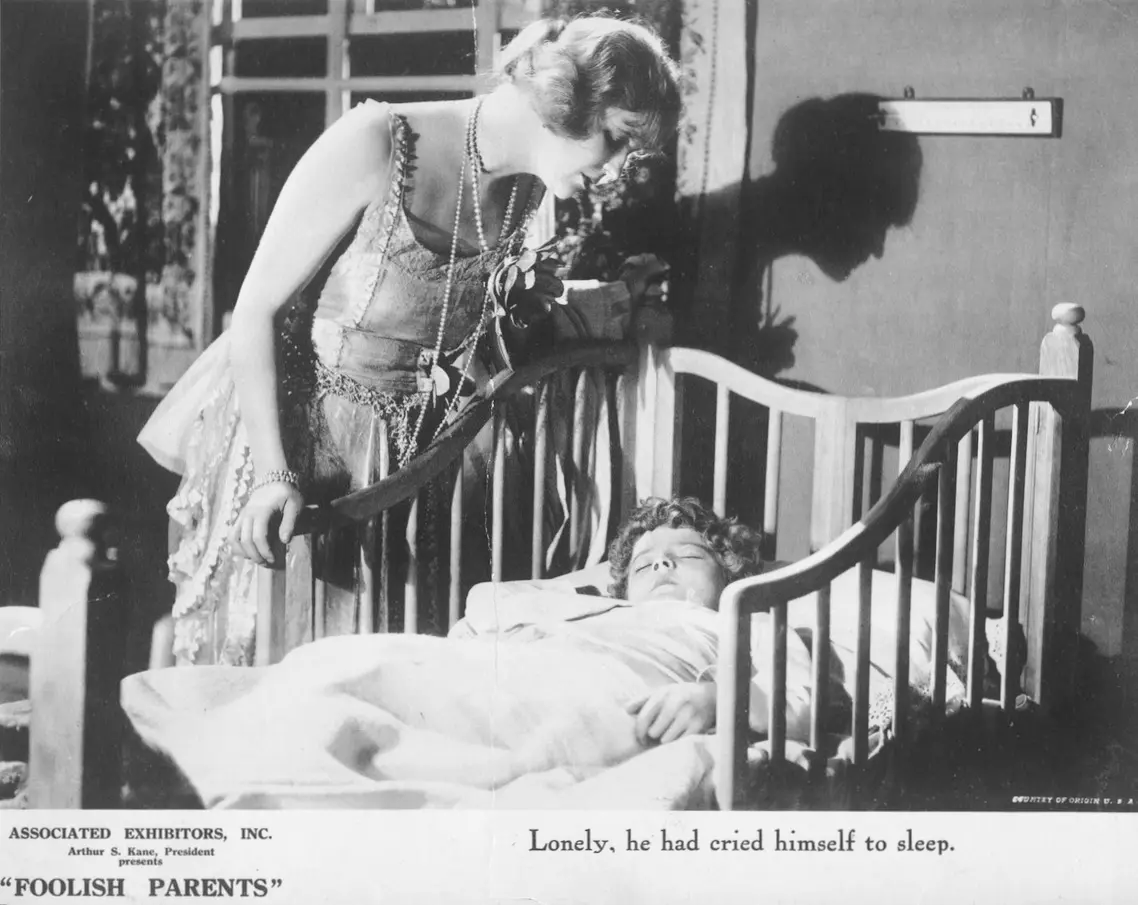
The supporting cast, including Jack Trevor, Lawford Davidson, and Marie Ault, delivers solid performances that add depth and complexity to the narrative. The characters' interactions are believable and nuanced, with a clear sense of chemistry and camaraderie that enhances the overall impact of the film. The script, penned by Eliot Stannard and I.A.R. Wylie, is equally impressive, with a keen sense of pacing and dialogue that draws the viewer into the world of the story.
As the narrative unfolds, the couple's transformation becomes a powerful metaphor for the human capacity for growth and change. Through their experiences, the film shows that even the most extravagant and privileged individuals can find a deeper sense of purpose and meaning by embracing the challenges and uncertainties of life. This message is both poignant and timely, resonating with audiences on a fundamental level and inviting reflection on our own values and priorities.
In terms of its place within the broader cinematic landscape, The Grass Orphan can be seen as a precursor to later films that explore similar themes of identity, class, and personal growth. Films like Enchantment and The Magic Cup also delve into the human condition, albeit in different contexts and with varying degrees of success. The Grass Orphan, however, stands out for its thoughtful and introspective approach, creating a lasting impact on the viewer that lingers long after the credits roll.
Ultimately, The Grass Orphan is a film that will appeal to audiences who appreciate thoughtful, character-driven storytelling. With its richly nuanced characters, poignant themes, and stunning cinematography, it is a must-see for anyone interested in exploring the human condition. As a work of cinematic art, it is a testament to the power of film to inspire, to educate, and to transform, leaving an indelible mark on the viewer that will resonate for years to come. For those who appreciate the beauty of sea blue skies and dark orange sunsets, The Grass Orphan is a cinematic treasure that will not disappoint, offering a world of depth, complexity, and beauty that invites exploration and reflection.
IMDb —
1921
Community
Log in to comment.