DbcultAccessing Vault...
Cult Review
Senior Film Conservator
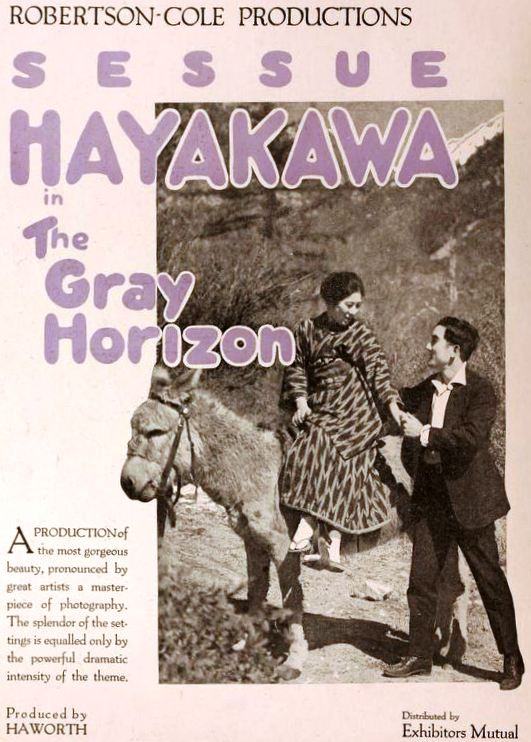
The opening frames of The Gray Horizon establish a visual paradox: the austere, snow‑capped mountains loom like silent judges over a modest settlement where Yano Masata (Sessue Hayakawa) ekes out a meager existence. The director’s choice to bathe the landscape in muted grays, punctuated only by the occasional flash of amber sunrise, mirrors Yano’s internal chiaroscuro—his art is both a refuge and a battlefield.
Hayakawa delivers a performance that is less about melodrama and more about the quiet erosion of dignity. His eyes, often fixed on a blank canvas, betray a storm of suppressed fury. When John Furthman (Bertram Grassby) proposes the illicit tinting of counterfeit bonds, Yano’s refusal is not merely a moral stance; it is a declaration of artistic sovereignty. The tension crackles in the sparse dialogue, each word weighed like pigment on a palette.
Eileen Percy, as the unnamed woman from the Japanese mission, functions as a moral compass and a narrative conduit. Her soft-spoken interventions are underscored by a subtle sea‑blue wardrobe (#0E7490), a visual cue that she is both an anchor and a tide that will eventually pull Yano into uncharted waters.
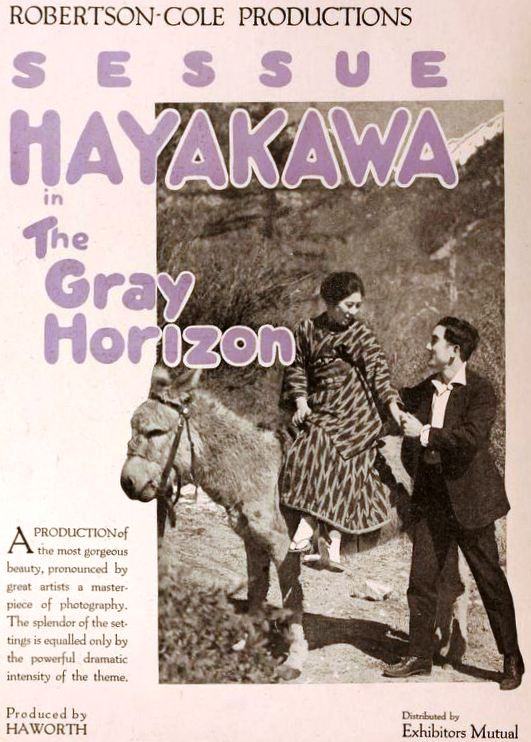
O Haru San (Tsuru Aoki) arrives with the urgency of a storm‑driven wind, her presence a stark reminder of Yano’s roots and obligations. Her quest to locate a deserter husband is rendered with a poignant blend of hope and desperation. The scene where she first meets Yano, illuminated by a flickering lantern, employs a chiaroscuro technique reminiscent of classic Japanese ukiyo‑e prints, emphasizing the cultural dislocation both siblings endure.
The revelation that Furthman is Haru’s husband is executed with a cruel elegance: a close‑up of Furthman’s gaunt features, the camera lingering just long enough for the audience to sense the betrayal before the inevitable clash erupts.
The fight between Yano and Furthman is choreographed with a brutal minimalism that feels more like a desperate dance than a staged brawl. When Furthman's gun discharges, killing Haru, the sound is muffled, as if the mountain itself is absorbing the tragedy. Yano’s subsequent act—hurling Furthman over the precipice—transforms the landscape into a metaphorical graveyard for falsehoods.
The aftermath, where Yano thanks the mission woman, is a study in restrained gratitude. Their burgeoning friendship is signaled by the recurring motif of a yellow scarf (#EAB308) that the woman wears, symbolizing both caution and illumination.
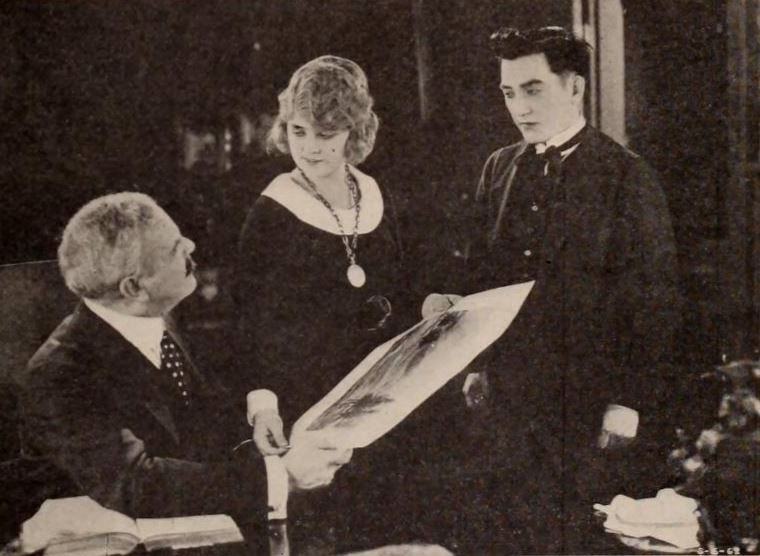
The decision to have Yano paint Furthman's portrait—using only a photograph—introduces an uncanny layer of self‑reflection. As his brush sweeps across the canvas, the audience witnesses an artist confronting his own culpability. The portrait, when completed, is a grotesque amalgam of fidelity and revulsion.
Yano’s impulsive destruction of the painting is a cathartic rupture, a visual scream that reverberates through the film’s silence. His confession to Mrs. Furthman's financial adviser (Mary Jane Irving) is delivered in a dimly lit office, the walls painted a sea‑blue hue that evokes the cold depth of his remorse.
By burning the incriminating documents, Yano assumes the role of a tragic guardian, shielding the innocent from the corrosive truth of Furthman's treachery. Yet his altruism is paradoxically self‑destructive, culminating in his arrest—a poetic justice that feels both inevitable and heartbreaking.
The thematic resonance of The Gray Horizon finds kinship with classics such as The Conscience of John David and The Moral Code. Like those films, it interrogates the fragile boundary between personal integrity and societal pressure. However, where The Conscience of John David leans on overt melodrama, The Gray Horizon opts for a restrained, almost painterly approach, allowing the audience to fill the emotional voids.
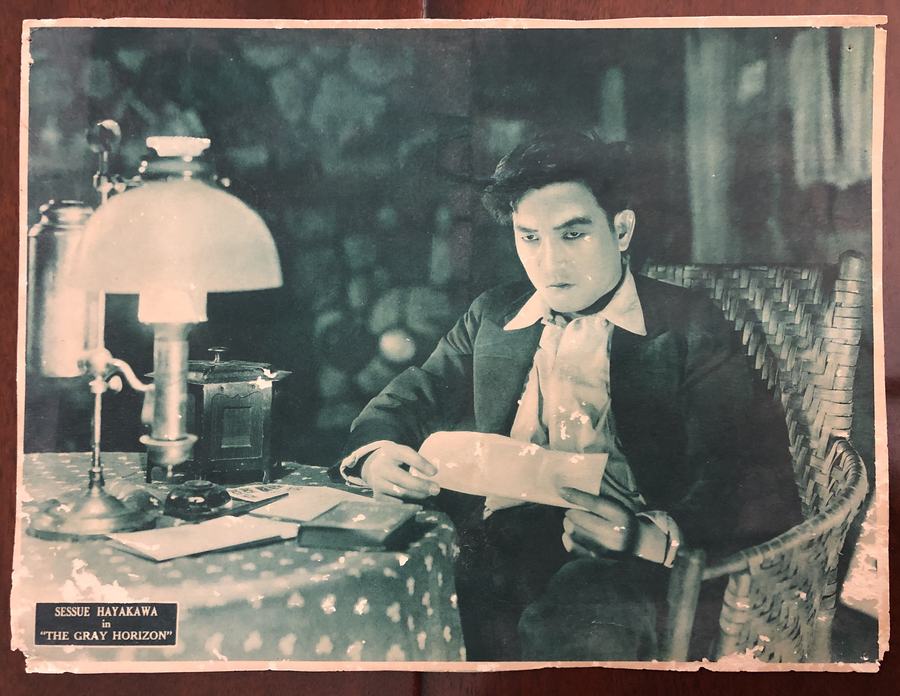
Cinematographer Andrew Robson employs a palette that is both literal and symbolic. The pervasive black backdrop of the film’s world is offset by strategic bursts of dark orange (#C2410C) in moments of revelation—most notably when Yano discovers Furthman's true identity. These flashes act as visual exclamation points, punctuating the narrative’s most critical beats.
The use of natural light during the mountain sequences imbues the film with an authenticity that feels almost tactile. Night scenes are lit with a soft, amber glow, casting long shadows that echo the characters’ hidden motives.
The score, composed with sparse strings and occasional low‑frequency drones, mirrors the film’s visual austerity. Moments of silence are deliberately prolonged, allowing the audience to sit with the weight of Yano’s choices. The sound of wind rustling through pine needles becomes a recurring auditory motif, underscoring the relentless passage of time and the inevitability of fate.
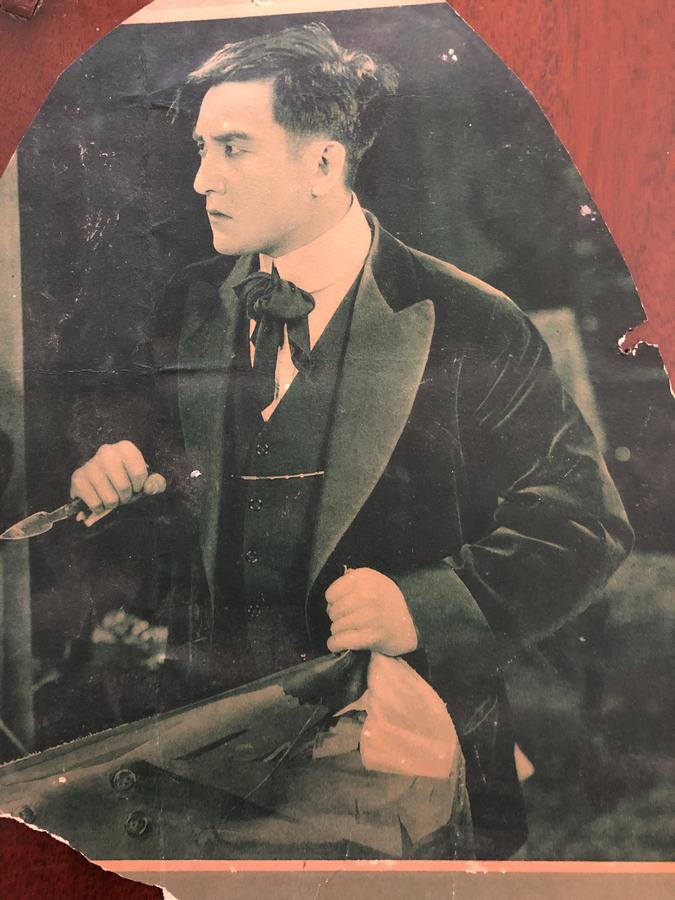
Sessue Hayakawa commands the screen with a gravitas that transcends language barriers. His subtle facial micro‑expressions convey a spectrum of emotions without the need for verbose exposition.
Eileen Percy provides a grounding presence; her nuanced portrayal of the mission woman balances empathy with a quiet resolve, making her the emotional anchor for Yano’s tumultuous journey.
Bertram Grassby as John Furthman delivers a performance that oscillates between charismatic affluence and chilling duplicity, embodying the film’s central theme of deceptive appearances.
The film’s pacing is deliberately measured, allowing each character’s arc to unfurl organically. The first act establishes Yano’s isolation; the second act introduces the familial crisis, and the third act culminates in moral reckoning. This tripartite structure, while conventional, is executed with such precision that it feels refreshingly organic.
The decision to intersperse flashbacks of Haru’s life in Japan adds a layer of cultural context, reminding viewers that the characters are not merely isolated figures but are tethered to a broader diaspora narrative.
At its core, The Gray Horizon is an exploration of the artist’s burden: the responsibility to bear witness, to resist commodification, and to confront personal demons. Yano’s refusal to tint counterfeit bonds is an act of artistic defiance, a refusal to let his craft become a tool of corruption.
The film also interrogates the concept of redemption. Yano’s final act—burning evidence to protect the innocent—suggests that redemption is not a clean absolution but a sacrifice that may lead to one’s own downfall. This moral ambiguity aligns the film with the philosophical inquiries found in The Governor and Arms and the Girl.
The representation of Japanese characters in an American setting is handled with a rare sensitivity for its era. The film avoids exoticism, instead presenting Yano and Haru as fully realized individuals whose cultural heritage informs but does not define their motivations. This approach predates contemporary discussions about authentic representation, marking the film as a quiet pioneer.
While the narrative may appear straightforward—a tale of betrayal, vengeance, and moral compromise—the execution elevates The Gray Horizon to a work of cinematic artistry. Its deliberate use of color, sound, and performance coalesce into a haunting meditation on the cost of integrity.
For viewers seeking a film that challenges the palate as much as the conscience, this is a work that rewards repeated viewings. Each frame, each brushstroke of dialogue, reveals new subtleties, ensuring that the gray horizon it portrays remains ever‑present, ever‑intriguing.
IMDb 6.8
1929
Community
Log in to comment.