DbcultAccessing Vault...
7.2/10
Senior Film Conservator
A definitive 7.2/10 rating for a film that redefined the boundaries of cult cinema. Études sur Paris remains a cornerstone of transgressive art.
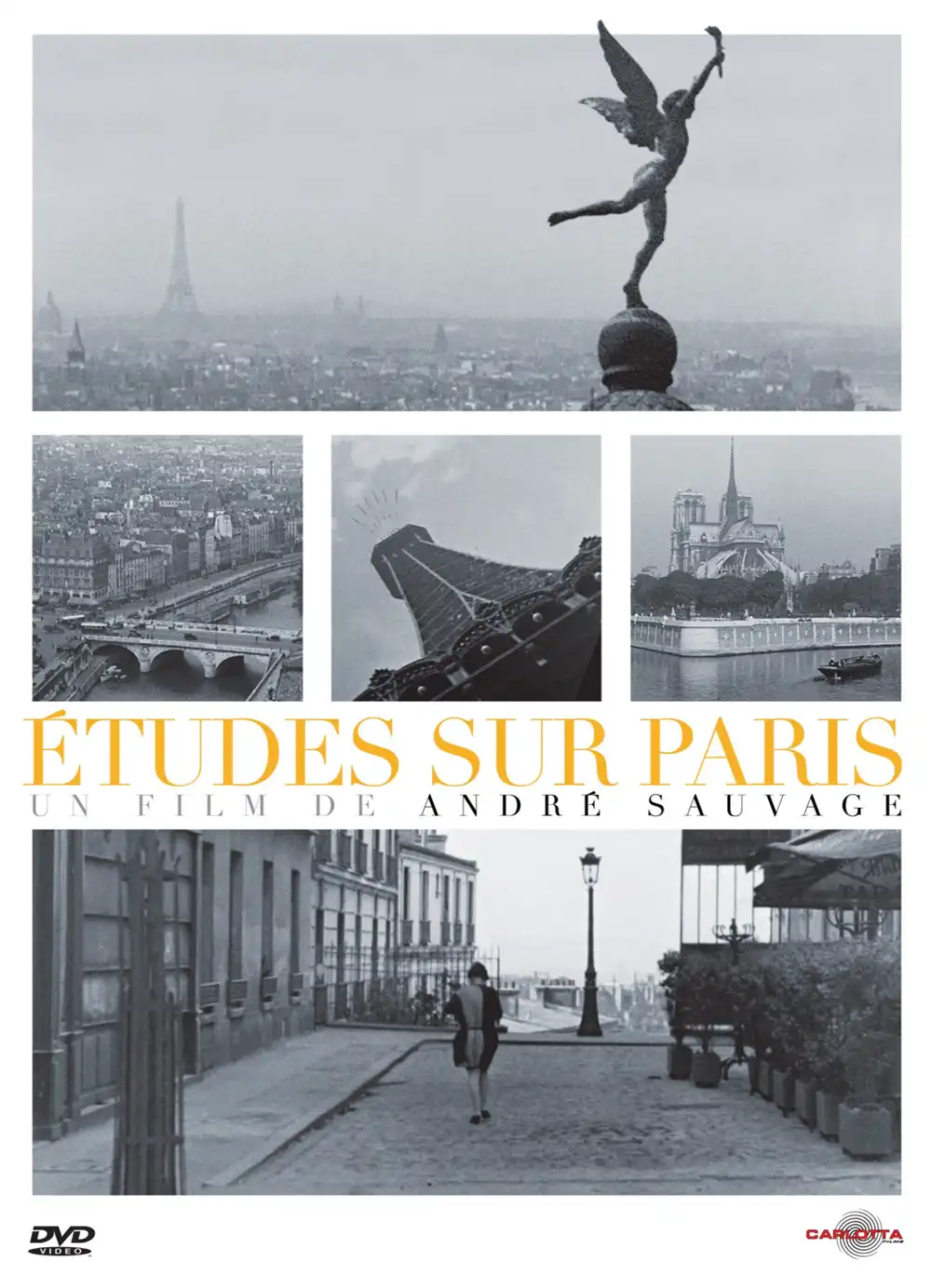
Alright, so 'Études sur Paris.' If you’re heading in expecting a plot, or even, you know, characters, you've taken a wrong turn on the Boulevard Saint-Germain. This is a trip. A big one, back to 1928 Paris, a pure visual experience that feels less like a movie and more like a very long, very thoughtful scroll through a forgotten Instagram account.
For the film buffs, the documentary lovers, or anyone who just digs soaking up the past, this is definitely worth a look. Especially with the Jeff Mills score – that’s a whole different beast. But if silent films aren't your usual cup of tea, or if you simply need a story to keep you hooked, honestly, you might find yourself checking your watch. Nothing wrong with that, just setting expectations. 🤷♀️
André Sauvage, he was one of those avant-garde artists, and you can really feel that here. He's not telling you a story; he's showing you moments. He's collecting glimpses. The film opens, and immediately you're thrown into the rhythm of the city. There's this shot, pretty early on, of a street sweeper, just moving methodically. The camera holds on him for what feels like a long time, and you start noticing the dust, the way his brush pushes it along the cobblestones. It’s mundane, but then it becomes almost hypnotic.
Then you get these quick cuts to people rushing past, carriages clattering. The energy shifts so fast. One moment it's quiet, reflective, then suddenly it’s a whirlwind of activity. It’s like Sauvage is playing with the city’s pulse. The traffic, believe it or not, is a big part of it. The sheer number of cars, even back then, is kinda wild. Horse-drawn carriages still mixed in with early automobiles. You see the collision of old and new everywhere.
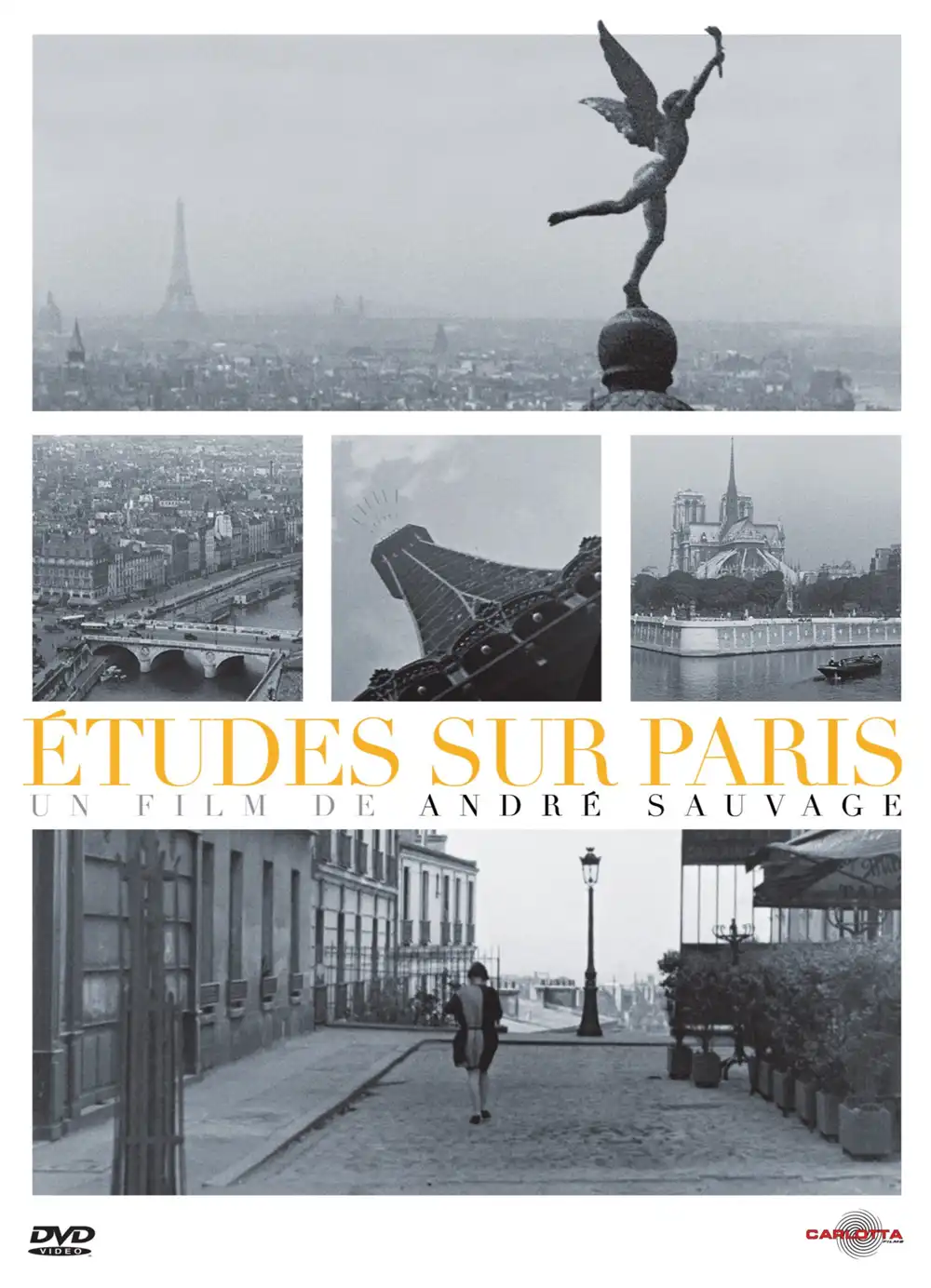
What really makes this version pop, though, is that Jeff Mills soundtrack. Oh man. It’s not the original score, obviously, but it adds this incredible, almost *thumping* energy. Suddenly, those seemingly random street scenes, the quick flashes of a market stall or a boat on the Seine, they feel like part of a techno symphony. It's a bold choice, and it really works to pull a modern audience in. Without it, I think it might be a much harder watch for some. It gives the old footage a new heartbeat. 💓
There are these fantastic sequences where Sauvage plays with reflections. Puddles mirroring buildings, shop windows showing fragmented images of passersby. It's not just pretty; it makes you think about how we perceive things, how the city itself is a collection of reflections and fleeting images. One particularly good shot, a reflection of a lamppost on wet pavement, it just glows. It’s subtle, but it sticks with you.
He's also really into shadows. There's a part where people are walking under an arcade, and their shadows stretch out long and distorted. It gives the whole thing a slightly dreamlike, almost surreal quality. You can almost feel the sun. Or maybe the light from a window.
Sometimes, the camera just lingers on a detail. A clock tower. A sign for a bakery. It's like Sauvage is making sure you see these things, not just glance at them. He's making a case for the beauty in the ordinary. And often, it’s beautiful.
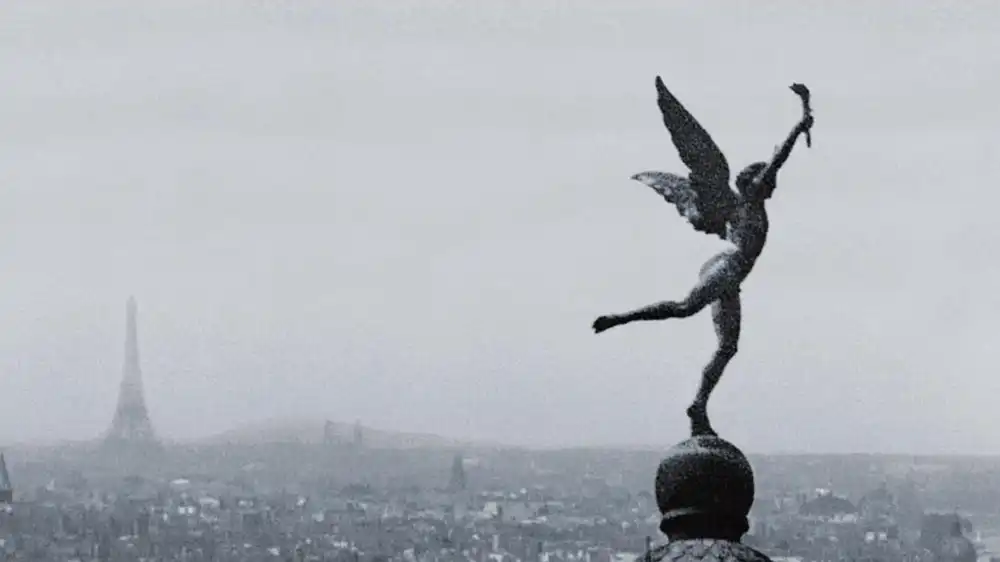
The crowds too, they’re fascinating. You see people from all walks of life, just going about their day. There’s a scene near a bridge where everyone is just moving, a real blur of activity. It’s not staged. It feels so raw, so unscripted. And that’s what makes it so powerful, really. You get a real sense of Paris as a living, breathing thing, not just a postcard.
I did find myself drifting off a little during some of the longer, more abstract sequences. Not because it was bad, but because it really asks you to just *be* with it. To let the images wash over you. It’s a meditative experience, if you let it be. But sometimes my brain just wants a story. My bad. 😅
So, is it worth your time? Yes, if you're up for something different. If you appreciate cinema as an art form beyond simple storytelling. If you're curious about how a city was seen nearly a century ago, and how a modern soundscape can totally reframe that view. The Eye of God it is not, but it's a unique beast. It's a reminder that sometimes, the best way to understand a place is just to watch it, really watch it, for a while.
IMDb —
1917
Community
Log in to comment.