DbcultAccessing Vault...
5.6/10
Senior Film Conservator
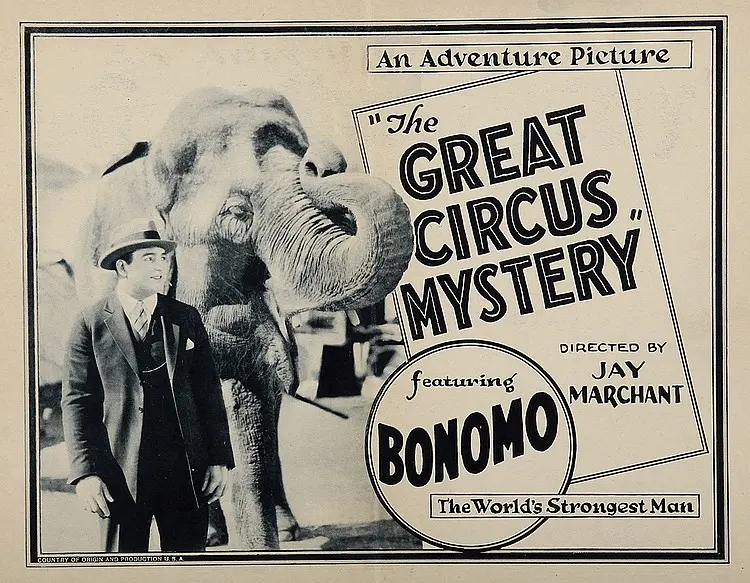
A definitive 5.6/10 rating for a film that redefined the boundaries of cult cinema. The Great Circus Mystery remains a cornerstone of transgressive art.
In 'The Great Circus Mystery,' director Isadore Bernstein weaves a tale of suspense and camaraderie within the enchanting confines of a traveling circus, where Minnie the Elephant is both a central character and a symbol of the film's underlying themes of loyalty and discovery.
The film opens with a grandiose introduction to the circus, its canvas tents billowing under a clear, azure sky. The camera pans across a lively scene, capturing the bustling activity of performers preparing for their acts. We are immediately immersed in a world of vibrant colors and intricate details, from the swirling red and gold drapes to the intricately designed tents and the towering trapeze frames.
Minnie, played with remarkable grace by the talented Minnie herself, is introduced as the star of the show. She performs a breathtaking aerial routine, her trunk expertly manipulating a large hoop while she hangs suspended from a high wire. The scene is a masterclass in animation, blending fluid motion with detailed character design. Minnie's performance is a testament to the skill of the animators, each frame meticulously crafted to convey her strength and agility.
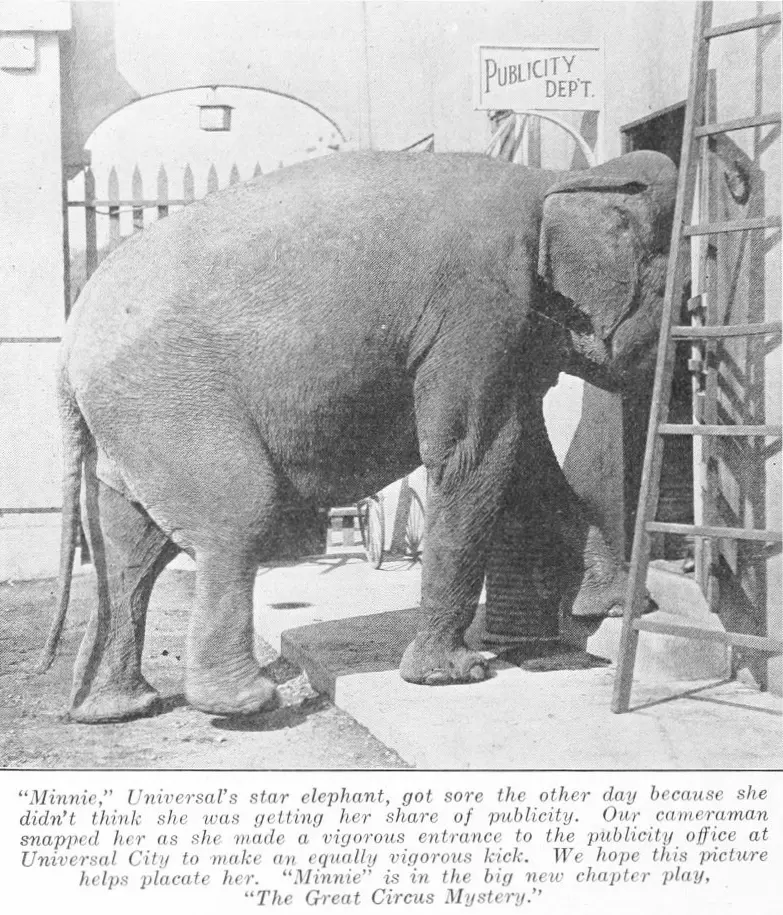
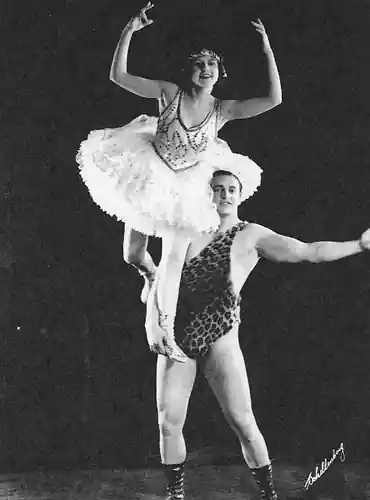
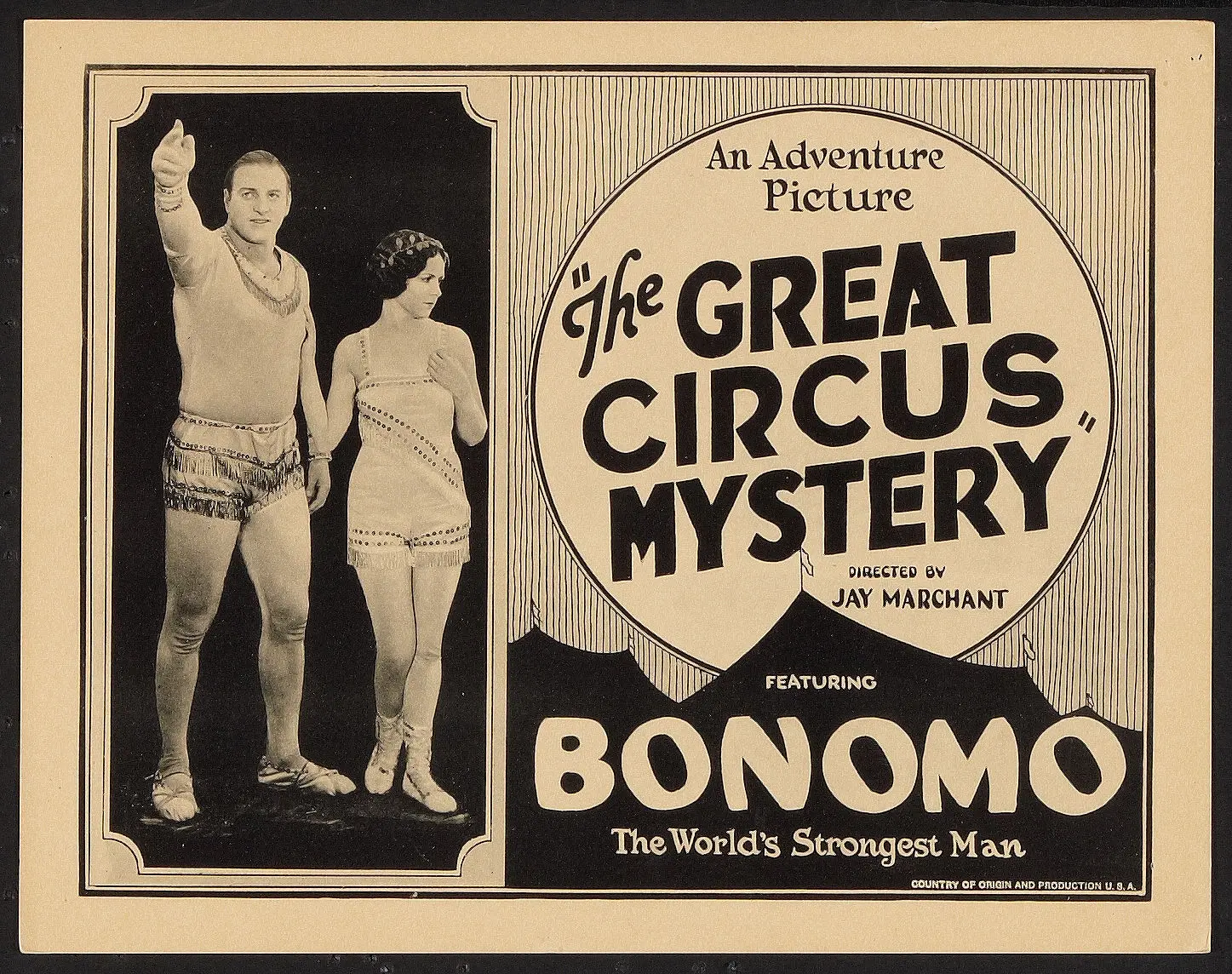
As the performance concludes, the focus shifts to the supporting cast. Morgan Brown, Albert Prisco, Charles Magetti, and Floyd Criswell are among the acrobats and clowns, each bringing their own unique talents and quirks to the mix. Tul Loraine, Sam Polo, Eduardo Martini, and Joe Bonomo add layers of humor and character depth, their interactions providing a delightful contrast to Minnie's more serious moments. The ensemble cast is expertly blended, creating a rich tapestry of personalities within the circus community.
The narrative begins to unfold as various characters become entangled in a mystery that threatens the very fabric of the circus. The central plot revolves around a stolen prop, a magic lantern that is crucial to one of the most popular acts. As the lantern vanishes, so does a sense of security and stability. The disappearance sets in motion a series of events that challenge the characters to uncover the truth and restore order to their world.
The mystery is woven through a series of vignettes, each one showcasing a different character's perspective and leading us closer to the solution. Isadore Bernstein's direction is both subtle and precise, allowing the story to unfold organically while maintaining a strong narrative thread. The pacing is impeccable, with moments of tension balanced by lighthearted interludes that keep the audience engaged.
Central to the narrative is the character of Carlotta, a mysterious figure whose background is shrouded in mystery. Her interactions with other characters, particularly Minnie and Morgan Brown, add depth and complexity to the story. The relationship between these characters is both tense and supportive, highlighting themes of trust and betrayal.
The art direction is a standout feature of 'The Great Circus Mystery.' Every scene is meticulously crafted, from the intricate backgrounds to the detailed character designs. The use of color is particularly noteworthy, with a palette that evokes the golden hues of the circus tent and the vibrant tones of the performers' costumes. The animation, while not as sophisticated as modern standards, is highly skilled and effectively conveys the emotions and actions of the characters.
Lighting plays a crucial role in setting the mood and enhancing the narrative. Soft, diffused lighting during the performance scenes creates a sense of wonder and magic, while more dramatic lighting in the mystery sequences heightens the tension and suspense. The sound design is equally impressive, with a score that complements the visuals and a sound effects library that brings the circus to life.
The film's pacing is a standout feature, balancing moments of high drama with lighter, more comedic sections. This contrast not only keeps the audience engaged but also deepens the emotional investment in the characters and their journey. The mystery itself is well-constructed, with enough clues to keep viewers intrigued without feeling overly complicated or convoluted.
One of the strengths of 'The Great Circus Mystery' is its ability to blend genres seamlessly. It is at once a comedy, a drama, and a mystery, each element contributing to a cohesive and engaging story. The performances by the cast, particularly Morgan Brown and Albert Prisco, are standout moments. Their chemistry and physical comedy add a layer of humor that elevates the narrative and provides much-needed relief from the more intense moments of the plot.
While 'The Great Circus Mystery' may not be without its flaws, it stands out as a remarkable achievement in its genre. The technical limitations of the era are evident, but they do not detract from the film's charm and the quality of its storytelling. The use of color, the intricate animation, and the thoughtful pacing all contribute to a viewing experience that is both visually stunning and emotionally engaging.
In comparison to other works of the era, such as 'All Wet' and 'Unclaimed Goods,' 'The Great Circus Mystery' holds its own. It offers a fresh take on the circus genre, blending elements of mystery, drama, and comedy to create a unique and memorable experience. While it may not reach the heights of some of the more technically advanced productions of later decades, it is a testament to the skill and creativity of its creators.
Overall, 'The Great Circus Mystery' is a gem of early animation, a film that captivates with its vibrant visuals, clever storytelling, and memorable characters. It stands as a reminder of the artistry and ingenuity that defined the early years of animation, and it remains a delightful and engaging experience for both children and adults alike.
For those interested in delving deeper into the world of early animation, 'The Great Circus Mystery' is a must-watch. It is available for viewing and offers a fascinating glimpse into the art of storytelling through animation during a pivotal period in media history.
IMDb 1.8
1926
Community
Log in to comment.