DbcultAccessing Vault...
6.2/10
Senior Film Conservator
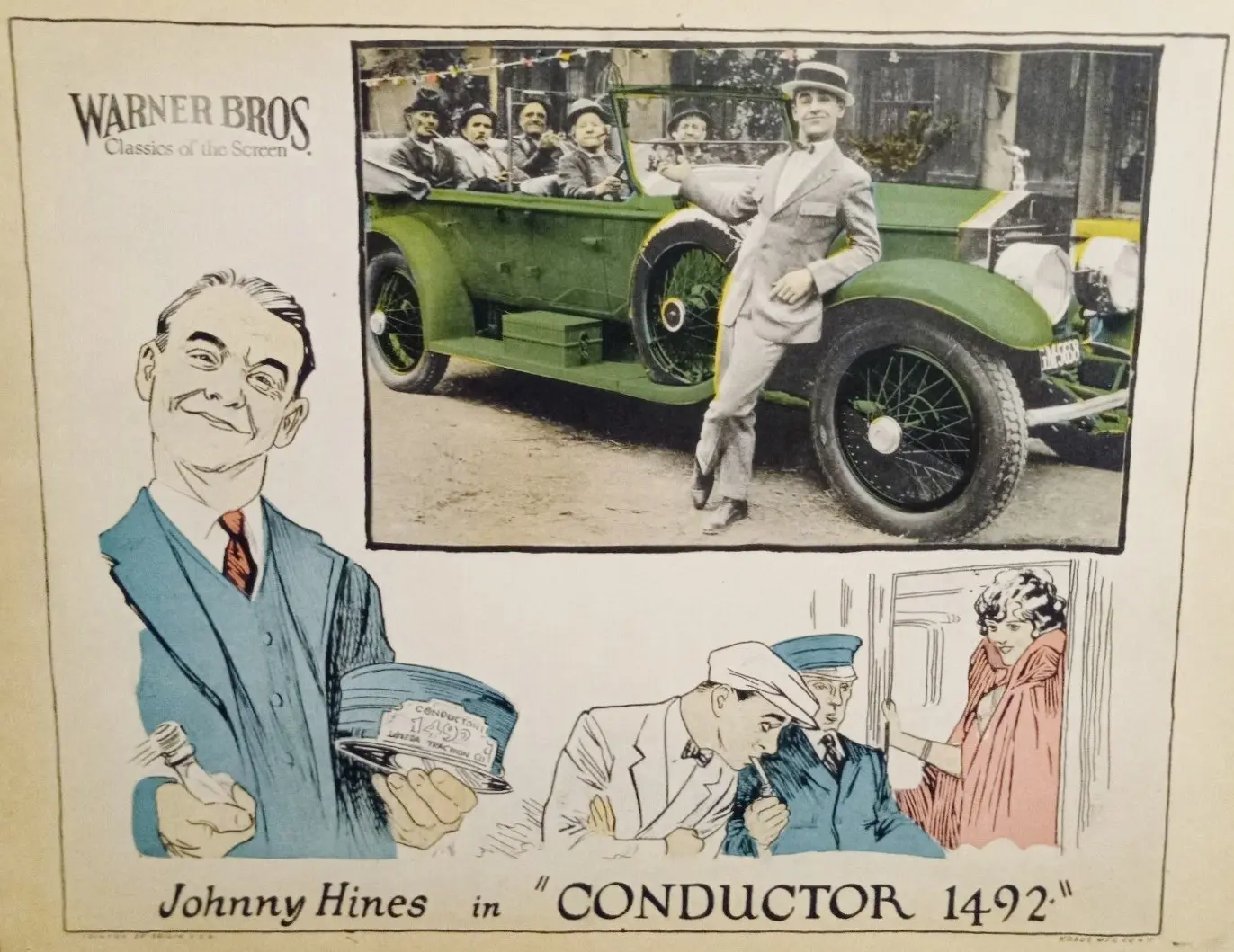
A definitive 6.2/10 rating for a film that redefined the boundaries of cult cinema. Conductor 1492 remains a cornerstone of transgressive art.
Stepping back into the roaring twenties, the cinematic landscape was a fertile ground for burgeoning talents and innovative storytelling, often without the aid of spoken dialogue. Among the myriad gems of this era, Conductor 1492 emerges as a vibrant, often overlooked, testament to the era's boundless energy and the magnetic charisma of its star, Johnny Hines. This isn't merely a film; it's a rollicking ride through an America brimming with opportunity and peril, delivered with a comedic precision that belies its age. For those with a penchant for the foundational narratives of cinema, this picture offers a delightful blend of romantic comedy, underdog triumph, and thrilling corporate intrigue, all wrapped in a package of remarkable visual storytelling.
At its core, Conductor 1492 introduces us to a spirited young Irish immigrant, Pat O'Shaughnessy, portrayed with an endearing blend of earnestness and physical comedic prowess by Johnny Hines himself. Arriving on American shores with little more than his wits and an unyielding optimism, Pat's journey swiftly leads him to the bustling heart of urban transit: a streetcar. Not just any streetcar, mind you, but one emblazoned with the titular '1492', a subtle yet potent symbol of new worlds and uncharted territories awaiting discovery. Pat secures a position as a conductor, a seemingly mundane role that quickly becomes the nexus of a far grander conflict. His daily routine of clanging bells and collecting fares is abruptly disrupted by the insidious machinations of a shadowy cabal of crooks, determined to seize control of the streetcar company through nefarious means. Their scheme is not a simple hostile takeover, but a calculated campaign of sabotage, financial manipulation, and intimidation, threatening to dismantle the very fabric of the city's public transport system and the livelihoods it supports. Pat, despite his recent arrival and relatively humble station, finds himself inexorably drawn into this high-stakes battle, becoming an unexpected defender of corporate integrity.
Simultaneously, Pat's heart is captured by the effervescent charm of the streetcar company owner's daughter, a role brought to life with captivating grace by Ruth Renick. Her character is not merely a damsel in distress but a woman of intelligence and spirit, whose affection Pat endeavors to earn amidst the chaos. This intertwining of corporate espionage and blossoming romance provides a rich narrative tapestry, elevating the film beyond a simple chase sequence. Pat's quest becomes dual-pronged: to outwit the cunning adversaries threatening his newfound stability and to prove his worthiness to the boss's daughter. It’s a testament to the film's writing, penned by Hines himself, that these two distinct narrative threads are woven together with such fluidity and compelling momentum. The stakes are palpable, the humor genuine, and the romantic tension delightfully understated, a hallmark of silent-era storytelling where gestures and expressions conveyed volumes. The film navigates these complexities with a deft touch, ensuring that neither the thrilling fight for the company nor the tender pursuit of love feels secondary, but rather integral to Pat's journey of assimilation and triumph.
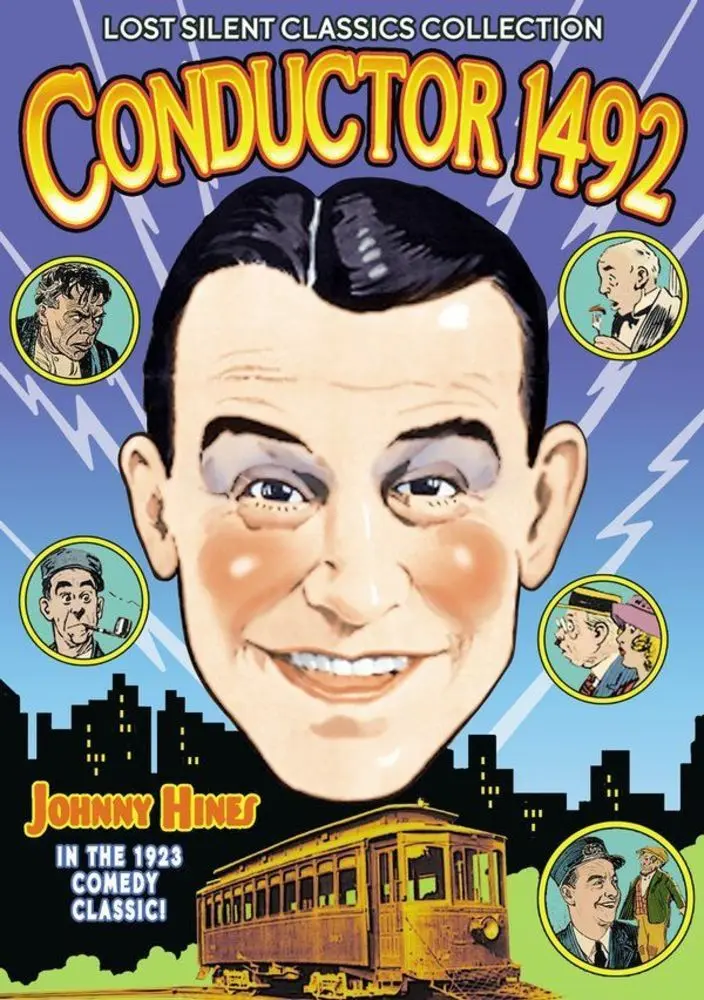
Johnny Hines, as the protagonist, is nothing short of a revelation. His performance in Conductor 1492 showcases a remarkable range, effortlessly transitioning between slapstick comedy, earnest dramatic moments, and thrilling action sequences. Hines possessed that rare quality of being both relatable and aspirational, an everyman who, through sheer grit and good humor, could overcome insurmountable odds. His physical comedy is precise and inventive, often utilizing the very environment of the streetcar and city streets to maximum effect. Yet, beneath the comedic veneer lies a genuine warmth and sincerity that makes his character, Pat, instantly endearing. He is not a clown but a hero with a twinkle in his eye, a man whose determination is as infectious as his smile. His ability to convey complex emotions without a single spoken word is a masterclass in silent acting, reminding us of the profound power of pantomime and facial expression.
Ruth Renick, as Pat's love interest, complements Hines perfectly. Her portrayal is one of elegance and quiet strength, a woman who sees beyond Pat's humble beginnings to the genuine character within. Their on-screen chemistry, a delicate dance of stolen glances and tentative gestures, provides the emotional anchor for the film. The supporting cast, including the inimitable Cameo the Dog, adds further layers of charm and comedic relief. Cameo, a loyal companion to Pat, is more than just an animal sidekick; the dog often serves as a catalyst for comedic situations or even an unwitting aid in Pat’s detective work, a delightful addition that further humanizes the narrative. Dan Mason, Dorothy Vernon, Fred Esmelton, and the rest of the ensemble fill out the world of Conductor 1492 with vivid characterizations, from the blustering villains to the sympathetic colleagues, each contributing to the film's rich tapestry. The collective talent elevates what could have been a simple genre piece into a captivating and memorable cinematic experience, much like the intricate character work found in a film such as The Social Code, which also relied on a strong ensemble to convey its message.
As both writer and star, Johnny Hines clearly had a singular vision for Conductor 1492. The script is remarkably well-paced, building tension and comedic payoffs with expert timing. The narrative flows with an energetic rhythm, characteristic of the best silent comedies, ensuring that the audience remains engaged through every twist and turn. The direction, while not explicitly credited to Hines, certainly bears the hallmarks of a clear and confident hand, focusing on dynamic compositions and effective visual gags. The use of practical effects, particularly involving the streetcars themselves, is impressive, lending an authentic sense of scale and danger to the action sequences. Whether it's a daring chase across rooftops or a climactic confrontation aboard a runaway trolley, the film delivers its thrills with conviction and ingenuity.
The cinematography captures the bustling energy of an early 20th-century city, with its distinctive architecture, street life, and the ubiquitous presence of the streetcar network. The visual language is clear and concise, essential for conveying plot and emotion in the absence of dialogue. The film's aesthetic is robust, capturing the period with an authenticity that transports the viewer directly into its world. The visual dynamism, combined with Hines' expressive performance, ensures that no moment is lost, no emotion uncommunicated. This meticulous attention to visual detail and narrative clarity places Conductor 1492 in the esteemed company of silent films that understood the power of the frame, much like the compelling visual storytelling found in a drama such as Der Eid des Stephan Huller, which also relied heavily on its mise-en-scène.
Beyond its surface-level entertainment, Conductor 1492 resonates with timeless themes that continue to captivate audiences. The narrative of the immigrant striving for the American Dream is powerfully depicted through Pat's journey. His initial struggles, his perseverance in finding work, and his eventual rise to a position of responsibility and heroism embody the very essence of this enduring ideal. It’s a story of resilience against adversity, a theme explored with poignant depth in films like The Man Life Passed By, though Conductor 1492 infuses it with a lighter, more optimistic spirit.
The film also delves into the classic underdog narrative, pitting the honest, hardworking individual against the ruthless forces of corporate greed. The crooks attempting the takeover represent a darker side of unchecked capitalism, a force that Pat, with his unwavering moral compass, must confront. This struggle between good and evil, integrity and corruption, provides a compelling dramatic backbone, reminiscent of the moral quandaries presented in The Burning Question, albeit with a more comedic resolution. Furthermore, the romantic subplot between Pat and the boss's daughter explores themes of class distinction and the power of genuine affection to bridge societal divides. It’s a charming portrayal of love blossoming under pressure, a common trope in cinema, yet handled here with a fresh and endearing touch, echoing the romantic idealism found in The Lady of the Photograph.
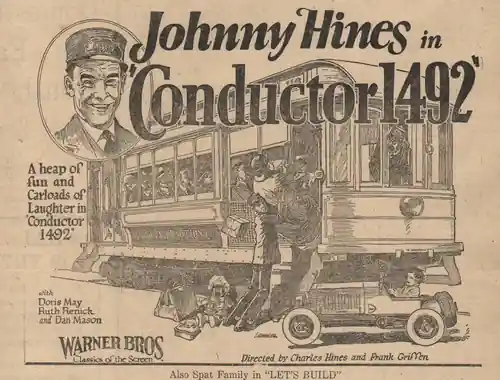
The film's setting in early 20th-century urban America is not merely a backdrop but an active participant in the story. The streetcars themselves are central to the plot, serving as both means of transport and sites of dramatic action. This period detail, from the costumes to the bustling cityscapes, immerses the viewer in a bygone era, offering a fascinating glimpse into the past. It’s a film that not only entertains but also subtly educates, providing a window into the social and economic dynamics of the time. The sense of adventure and discovery that permeates the narrative makes it a spiritual cousin to grander episodic narratives like Die Herrin der Welt 8. Teil - Die Rache der Maud Fergusson, even if its scope is more localized.
In an age dominated by CGI and rapid-fire dialogue, the quiet charm and ingenious physical storytelling of Conductor 1492 offer a refreshing antidote. It's a film that speaks volumes without uttering a single word, relying on the universal language of human emotion, comedic timing, and visual spectacle. Johnny Hines' unique blend of athleticism and heart makes Pat O'Shaughnessy an unforgettable character, a testament to the enduring appeal of the everyman hero. His legacy, though perhaps not as widely celebrated as some of his contemporaries, is undeniably significant, showcasing a talent that was both prolific and consistently entertaining. One might draw parallels to the spirited innocence found in The Right to Be Happy, where earnest efforts often lead to heartwarming outcomes.
For aficionados of silent cinema, this film is a must-see, offering a delightful example of the genre's capabilities when directed and performed with such skill. For newcomers, it serves as an excellent entry point, demonstrating that silent films are far from relics of the past but vibrant, engaging works of art. The film’s ability to balance thrilling action with genuine humor and heartfelt romance ensures its appeal across generations. It’s a narrative that, despite its period setting, feels remarkably current in its themes of corporate maneuvering and the pursuit of love and justice. The sheer ingenuity in its comedic setups and the heartfelt authenticity of its romantic beats are qualities that transcend time, much like the timeless tales of ambition depicted in Burning the Candle or the quirky humor of Her Temporary Husband.
The rediscovery of films like Conductor 1492 is crucial for understanding the evolution of cinematic language and appreciating the foundational talents that shaped the medium. It’s a joyful reminder of an era when storytelling was often more direct, more reliant on the sheer power of performance and visual narrative. This film stands as a vibrant example of Johnny Hines’ creative genius, not just as an actor but as a storyteller, cementing his place as an important figure in early American cinema. Its energetic pace and delightful characterizations make it a true pleasure to watch, inviting viewers to experience a slice of history that is as entertaining as it is historically significant. Much like the captivating journeys in One Wonderful Night or the engaging dilemmas in Some Judge, Conductor 1492 provides a compelling narrative that holds its own against the test of time. It’s a film that leaves a lasting impression, a testament to the enduring magic of the silent screen and the vibrant spirit of its creators.
In conclusion, Conductor 1492 is far more than just a historical artifact; it is a lively, engaging piece of cinema that continues to resonate with its blend of humor, heart, and thrilling action. It celebrates the underdog, champions integrity, and reminds us of the power of a single individual to make a difference, all while delivering a captivating love story. Whether you are a seasoned cinephile or simply curious about the silent era, this film, with its vibrant performances and ingenious plot, is an essential viewing experience. Its charm is undeniable, its energy infectious, and its place in the pantheon of silent comedies well-deserved. The film, like a well-oiled streetcar, runs smoothly from start to finish, leaving its audience with a sense of satisfaction and a renewed appreciation for the artistry of a bygone era. It echoes the simple yet profound appeal of films like The Dreamer or the heartfelt narratives of Waifs, proving that compelling storytelling needs no dialogue to make an impact. Even in comparison to the more rugged narratives such as The Brute Master, Conductor 1492 carves out its own niche with its unique blend of comedy and derring-do, making it a standout example of silent-era entertainment.
IMDb 6.4
1933
Community
Log in to comment.