DbcultAccessing Vault...
Cult Review
Senior Film Conservator
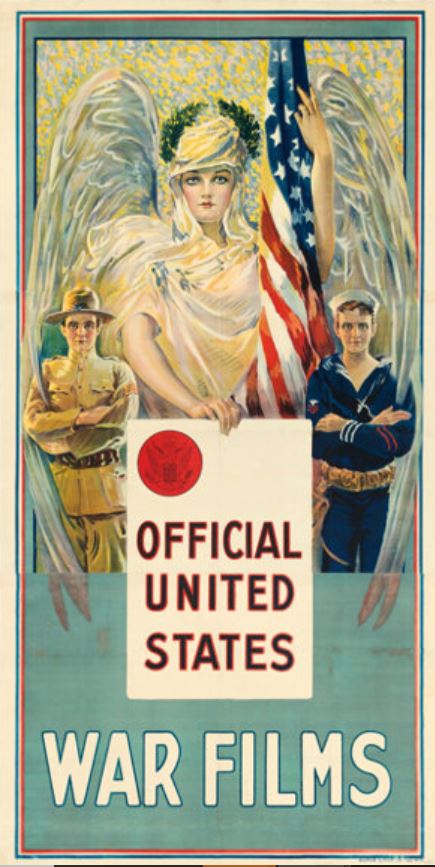
Stepping into the flickering historical light of Allies' Official War Review, No. 3 is to confront a cinematic artifact of profound weight and purpose. This isn't merely a film; it's a meticulously crafted dispatch from the crucible of global conflict, a potent blend of reportage, morale-boosting propaganda, and an unwavering declaration of intent. As the third installment in a series designed to keep Allied populations informed and unified, it arrives not with the dramatic arc of a fictional narrative, but with the stark, often brutal, authenticity of lived experience, filtered through the lens of strategic communication. It demands a different kind of engagement, one that acknowledges its inherent biases and objectives while appreciating its undeniable power as a historical mirror.
The film unfolds as a mosaic, a carefully assembled collage of diverse footage culled from various fronts and home territories. There is no singular protagonist, no conventional plot progression. Instead, the narrative thrust is collective: the Allied war effort itself. We are presented with vignettes designed to underscore specific messages: the bravery of the infantryman advancing through treacherous terrain, the precision of naval operations, the relentless industry of factory workers, and the stoic resilience of civilians enduring hardship. Each sequence, whether depicting the thunderous roar of artillery or the quiet dignity of a field hospital, serves a dual purpose: to inform the public of progress and to solidify their resolve. The underlying message is clear and resounding: despite the colossal price of conflict, victory is not only attainable but inevitable, forged by shared sacrifice and unwavering determination.
The artistry, if one can call it that in the traditional sense, lies in the editing. The rapid cuts between disparate scenes—a bustling munitions plant giving way to a muddy battlefield, then to a statesman addressing a crowd—create a sense of omnipresence, an all-encompassing view of a world mobilized for war. This stylistic choice amplifies the feeling of a unified, relentless push, suggesting that every individual contribution, no matter how small, is integral to the larger machinery of triumph. It is a masterclass in psychological conditioning, leveraging the raw power of moving images to shape public perception and galvanize national spirit.
Examining the technical aspects of Allies' Official War Review, No. 3 reveals the fascinating constraints and innovations of wartime filmmaking. Shot often under perilous conditions, the camerawork frequently possesses a raw, immediate quality that few studio productions could replicate. There’s a palpable sense of urgency in the handheld shots capturing the chaos of combat, a stark contrast to the more composed, almost ceremonial, footage of parades or industrial output. The black and white cinematography, while a product of its era, imbues the scenes with a stark, almost timeless gravity. Shadows deepen the furrows on a soldier’s brow, while stark highlights emphasize the gleam of weaponry or the determined gaze of a leader.
Sound, too, plays a crucial, if often overlooked, role. While early war reviews might have relied heavily on intertitles, by the time of "No. 3," synchronized sound would have added immense visceral impact. The roar of engines, the distant thud of explosions, the impassioned speeches — these auditory elements would have enveloped the audience, transporting them closer to the action and reinforcing the authenticity of the visual narrative. This immersive quality was essential for a film designed to bridge the chasm between the home front and the battlefront, fostering a shared experience of the conflict.
One cannot help but draw parallels to later cinematic efforts that grappled with similar themes of unseen threats and psychological warfare, albeit in fictionalized contexts. While Allies' Official War Review, No. 3 presents a tangible, external foe, its portrayal of the collective struggle against an omnipresent danger resonates with the atmospheric tension found in films like The Invisible Enemy. Both, in their distinct ways, aim to impress upon the audience the gravity of a threat that extends beyond conventional understanding, demanding vigilance and unity.
To discuss Allies' Official War Review, No. 3 without addressing its function as propaganda would be an oversight of critical magnitude. This film, like its predecessors and successors, was conceived as a deliberate instrument of national policy. It was designed to bolster morale, demonize the enemy, and justify the immense sacrifices demanded by the war. The narrative, though seemingly factual, is carefully curated to present a particular perspective. Enemy forces are often depicted in ways that dehumanize them, focusing on their destructive acts rather than individual faces, a technique reminiscent of the stark, almost archetypal antagonist portrayals seen in works like Die Silhouette des Teufels, where the 'devil' is less a person and more a looming, malevolent force.
The portrayal of Allied soldiers, conversely, is consistently heroic. Their faces are often framed to emphasize courage, determination, and camaraderie. The suffering, while acknowledged, is often presented as a noble sacrifice rather than gratuitous horror, careful to avoid undermining public confidence. This selective portrayal is not a flaw in its design but rather its very purpose. It is a testament to the power of cinema as a tool for shaping public consciousness, a testament to how images can be marshaled to serve a national agenda, fostering a collective identity and purpose.
Consider also the inclusion of scenes from the home front. Women working in factories, children participating in war bond drives, communities coming together – these elements are not incidental. They serve to reinforce the idea that the war is a total effort, involving every citizen. This communal spirit, depicted with an almost pastoral idealism, contrasts sharply with the grim realities of the battlefield, offering a vision of purpose and unity that was crucial for sustaining the war effort over prolonged periods. It’s a delicate dance between showcasing the brutal necessity of conflict and maintaining a hopeful, cohesive national identity.
Decades removed from its initial exhibition, Allies' Official War Review, No. 3 stands as an invaluable historical document. It offers a direct window into how a nation, or rather a coalition of nations, communicated its struggle to its populace during a time of existential crisis. Beyond its propaganda value, it provides historians with authentic, if curated, visual records of military technology, social conditions, and the prevailing sentiments of the era. The grainy footage, once a contemporary bulletin, now serves as primary source material, allowing us to glimpse the past with a vividness that mere text cannot replicate.
Its influence, while perhaps not as overt as a blockbuster feature film, is woven into the very fabric of documentary filmmaking. The techniques of rapid-fire editing, the use of voice-over narration to guide interpretation, and the strategic deployment of emotionally resonant imagery, all find their roots in these early war reviews. They established a template for how information could be disseminated and how public opinion could be swayed through visual media, a legacy that continues to resonate in modern news reporting and political communication. Even seemingly innocuous films of the era, such as the lighthearted antics of Hobbs in a Hurry, serve as a stark reminder of the escapism that audiences sought, contrasting with the grim realities presented in these official reviews.
From a modern critical perspective, viewing Allies' Official War Review, No. 3 requires a nuanced approach. We must acknowledge its inherent biases and the specific agenda it served. Yet, to dismiss it solely as propaganda would be to overlook its immense historical and even artistic merit. It is a powerful example of cinema at its most utilitarian, a medium harnessed for grand national objectives. It captures a moment in time with an urgency that fictional dramas, however well-intentioned, often struggle to achieve. Its power lies in its directness, its unvarnished (if carefully framed) presentation of an epoch-defining struggle.
The film also inadvertently highlights the psychological toll of war, even as it strives to present a brave face. The fleeting glimpses of exhaustion on soldiers' faces, the subtle tremor in a speaker's voice, the austere landscapes scarred by conflict — these moments, perhaps unintended by their original editors, speak volumes to a contemporary viewer. They hint at the human cost that no amount of patriotic rhetoric can fully obscure, offering a glimpse into the profound personal tragedy that underpins every grand military endeavor.
It’s a stark contrast to the escapist fantasies or intricate narratives of contemporary cinema. One would hardly compare it to the whimsical charm of Das rosa Pantöffelchen or the intricate character studies found in The Hater of Men. Its purpose is fundamentally different: not to entertain or explore individual psyche, but to inform, inspire, and unify. And in that crucial mission, it was undeniably effective. The review serves as a reminder that cinema's role extends far beyond mere entertainment; it can be a potent force in shaping history itself, a testament to the fact that even the most official and ostensibly objective accounts are, at their heart, constructed narratives designed to elicit specific responses.
Ultimately, Allies' Official War Review, No. 3 is more than a historical curiosity. It is a powerful cultural artifact, a testament to the era's communication strategies, and a poignant reminder of the human capacity for both immense destruction and unwavering resilience. Its continued study offers insights not just into the past, but into the enduring mechanisms by which societies rally, communicate, and endure in the face of overwhelming adversity. It is a stark, compelling, and utterly essential piece of cinematic history, demanding our attention and careful contemplation, reminding us that the cameras were rolling even when the world was burning, capturing fragments of truth, purpose, and the indomitable will to prevail.

IMDb —
1918
Community
Log in to comment.