DbcultAccessing Vault...
5.5/10
Senior Film Conservator
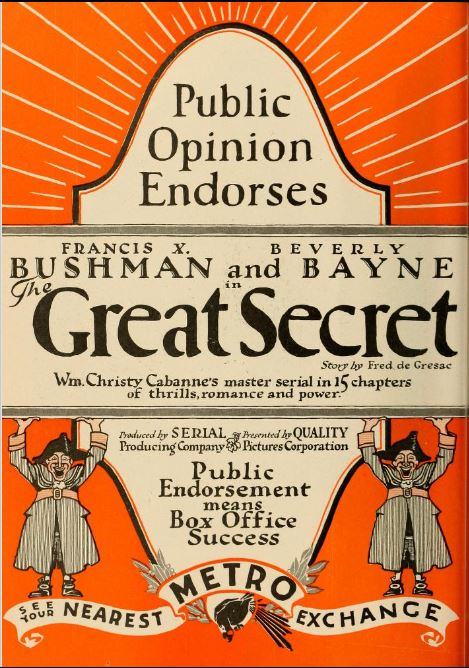
A definitive 5.5/10 rating for a film that redefined the boundaries of cult cinema. The Great Secret remains a cornerstone of transgressive art.
Stepping back into the formative years of cinematic storytelling, one encounters a peculiar charm in films like Christy Cabanne's The Great Secret. Released at a time when the nascent art form was still discovering its voice, this picture, with its grand title and even grander ambitions, plunges viewers into a world brimming with turn-of-the-century melodrama, high-stakes intrigue, and the ever-present battle between virtue and villainy. It’s a testament to the era’s fascination with serial narratives, where each installment promised a fresh peril and a new revelation, keeping audiences on the edge of their seats week after week. The film, in many ways, encapsulates the spirit of its time: a period of immense social change, technological marvels, and a burgeoning sense of American identity, all reflected through the lens of popular entertainment.
At its core, The Great Secret unfurls a narrative that is both archetypal and endlessly engaging. We are introduced to a beautiful heiress, whose substantial fortune, a hallmark of her social standing, becomes the unfortunate target of two dastardly antagonists: the shadowy 'Great Master' and the cunning 'Doctor Zulph.' This nefarious duo, embodying the era's archetypal villains, orchestrates a series of intricate schemes designed to divest the young woman of her inheritance. Into this maelstrom of financial peril and personal danger steps a wealthy young athlete, a paragon of physical prowess and moral fortitude. His unexpected intervention transforms the heiress's plight into a thrilling saga of rescue, pursuit, and the unraveling of a complex conspiracy. The plot, penned by Christy Cabanne, James Young Deer, and Frédérique De Grésac, is less about subtle character development and more about relentless forward momentum, a characteristic feature of the serial format it likely embraced. Each chapter, or 'episode,' would have ended on a cliffhanger, a dramatic pause designed to compel audiences back for the next installment, much like the serialized adventures seen in Lucille Love: The Girl of Mystery, or even the Russian serial Sonka zolotaya ruchka, which also captivated audiences with its episodic thrills.
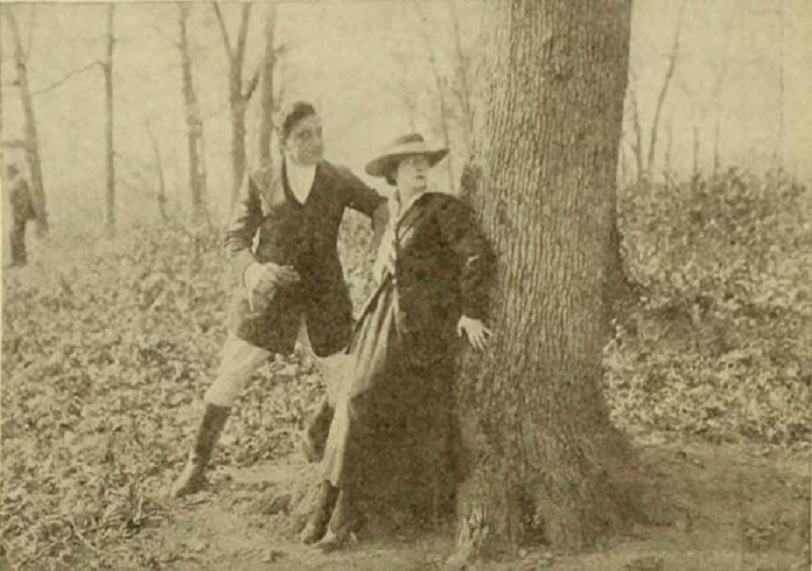
The film's narrative architecture is built upon a foundation of escalating stakes. What begins as a threat to an inheritance quickly morphs into a struggle for survival, with the heiress's very life hanging in the balance. The athlete, far from being a passive observer, is actively drawn into the fray, his privileged background providing him with the resources and connections necessary to combat the sophisticated machinations of his adversaries. This dynamic establishes a clear dichotomy: the forces of entrenched wealth and noble intentions pitted against the shadowy, grasping hands of criminal enterprise. It’s a classic tale of good versus evil, but imbued with the specific anxieties and fascinations of the early 20th century, particularly concerning the fragility of inherited wealth in a rapidly industrializing and modernizing world.
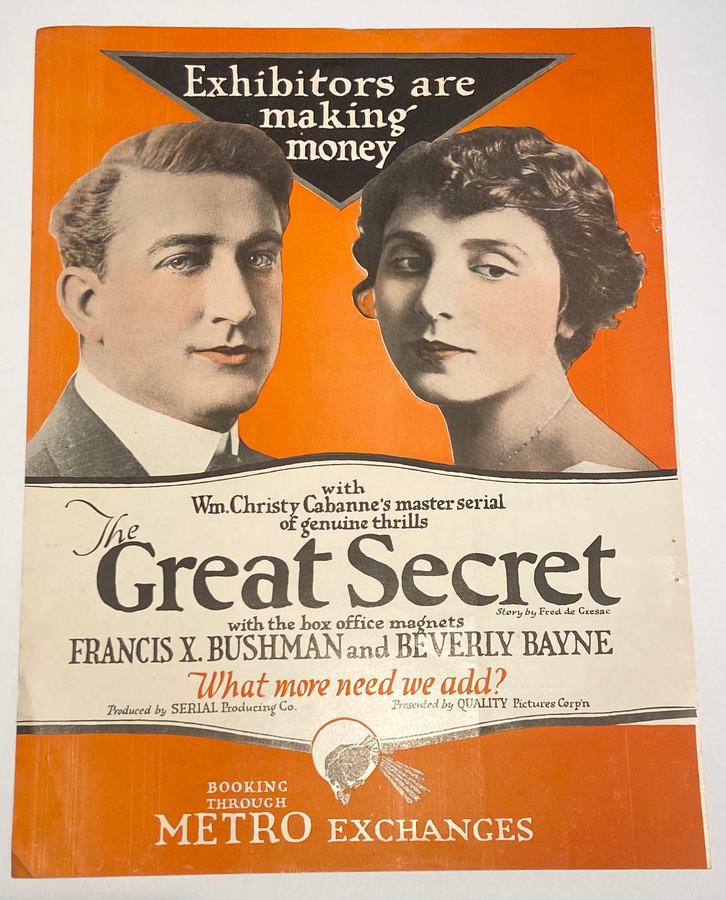
The extensive cast of The Great Secret reads like a who's who of early cinema, featuring many performers who would later become household names or remain iconic figures of the silent screen. Francis X. Bushman, a matinee idol of his time, likely embodies the heroic athlete, bringing his characteristic blend of dashing good looks and earnest heroism to the role. His screen presence, often characterized by a strong moral compass and athletic grace, would have been perfectly suited to the part of a wealthy protector. Beverly Bayne, frequently his leading lady, would undoubtedly portray the imperiled heiress with a delicate balance of vulnerability and spirited resilience. Their on-screen chemistry, a staple of many films of this period, would have provided a romantic anchor to the high-octane action.
Beyond the leads, the film boasts a truly prodigious roster of supporting players: Mathilde Brundage, Kid Broad, Eddie Kelly, Belle Bruce, Lillian Sullivan, Paddy Sullivan, Artie Ortego, Charles Fang, Edward Connelly, Ed Laurence, Helen Dunbar, Jim Quinn, Bert Keyes, Baby Ivy Ward, William Calhoun, Sue Balfour, J.J. Clark, Tammany Young, Dorothy Haydel, Neva Gerber, William J. Butler, Marie Du Chette, Charles Ripley, John Leach, Tom Blake, W.C. Robinson, Fred R. Stanton, and Jack Goodman. This vast ensemble speaks volumes about the production scale of serials, often requiring a diverse array of characters to populate their sprawling narratives. Each actor, from the most prominent to the briefest cameo, contributed to the rich tapestry of the film's world, creating a vibrant backdrop against which the central drama unfolds. The sheer number of named actors suggests an ambition to create a fully realized world, populated by distinct personalities, even if some roles were necessarily less developed than others. The performances, though constrained by the broader acting conventions of the silent era – reliance on exaggerated gestures, facial expressions, and title cards – would have been crucial in conveying emotion and advancing the plot without spoken dialogue.
Christy Cabanne, a director with a significant body of work during the silent era, helms The Great Secret with a keen eye for spectacle and suspense. His direction, typical of the period, would have emphasized clear visual storytelling, utilizing dramatic compositions and dynamic staging to keep the audience engaged. The action sequences, crucial for any adventure serial, would have been meticulously choreographed, perhaps featuring daring stunts or elaborate chase scenes that were a hallmark of the era. Cinematography in these early films, while lacking the sophisticated camera movements of later decades, often relied on striking lighting and carefully constructed sets to convey atmosphere and mood. Cabanne’s ability to weave together multiple plot threads and manage a large cast would have been essential in maintaining narrative coherence across what was likely a multi-part production.
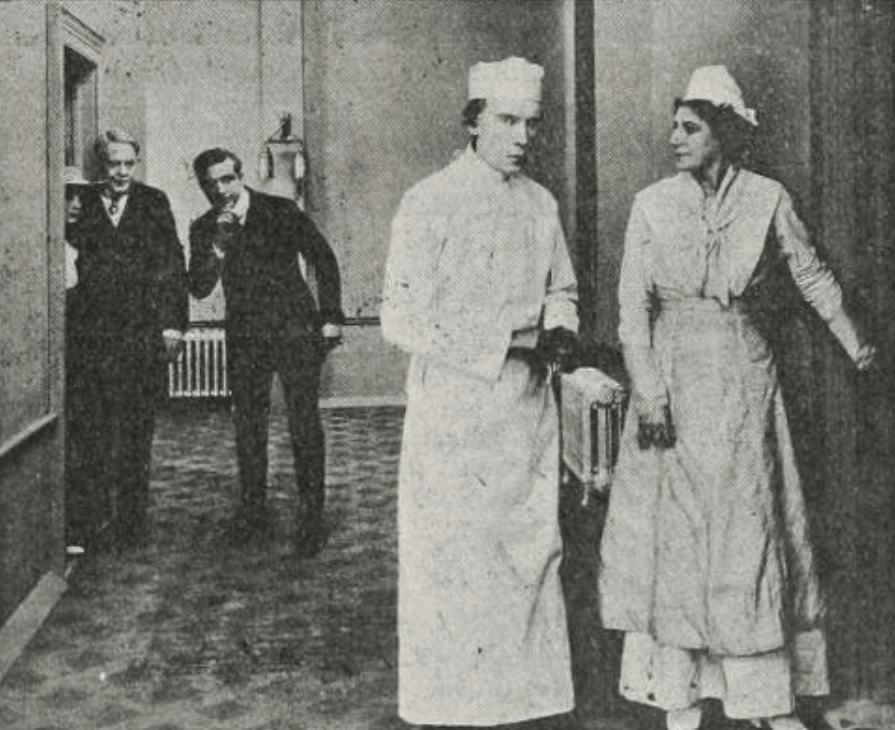
The film's visual style, while constrained by the technological limitations of the time, would have nevertheless striven for impact. The depiction of the heiress's lavish world, contrasted with the shadowy lairs of the villains, would have been achieved through meticulous set design and costume choices. The 'Great Master' and 'Doctor Zulph' would have been visually distinct, their costumes and mannerisms designed to immediately signal their villainous intent. This visual shorthand was vital in silent cinema, where character motivations and allegiances had to be conveyed instantly through appearance and action. The pacing, driven by the serial format, would have been brisk, ensuring that tension never flagged. Similar to the relentless pursuit of justice in The Closed Road, or the dramatic stakes in The World Against Him, Cabanne's direction would have focused on maximizing dramatic effect within each episode.
Beyond the thrilling surface, The Great Secret subtly explores several themes pertinent to its era. The vulnerability of inherited wealth, for instance, speaks to a societal anxiety about economic stability and the rise of new forms of crime. The figure of the 'Great Master' or 'Doctor Zulph' often represented the anonymous, insidious forces that threatened the established order, be it through financial manipulation or outright criminal schemes. The heroic athlete, on the other hand, embodies the ideal of American individualism and proactive heroism, a self-made (or at least self-reliant) figure capable of defending the innocent. This aligns with the public's fascination with strong, moralistic figures who could navigate complex challenges, a sentiment also present in films like Ready Money, which often explored the ethics and perils of finance.
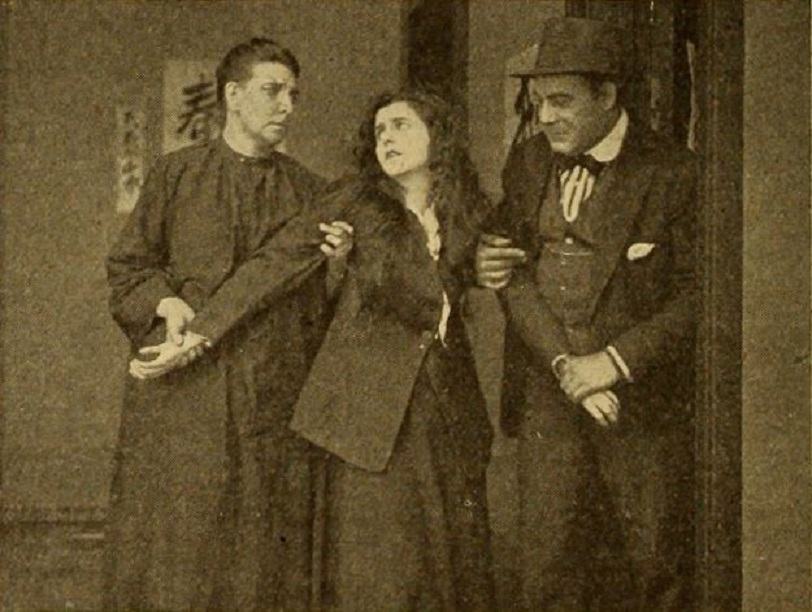
The presence of a strong female lead, even if she is initially in distress, is also noteworthy. While the heiress requires rescue, her inherent value (her fortune) and her personal plight drive much of the narrative. This reflects evolving gender roles, where women were increasingly depicted as agents within the story, even if their agency was often tied to romantic or familial relationships. The film, like many melodramas of the period such as A Butterfly on the Wheel or The Clemenceau Case, would have tapped into prevailing societal concerns about morality, justice, and the protective role of the hero. It’s a snapshot of a society grappling with its own modernity, finding comfort and excitement in narratives that reaffirmed traditional values while exploring contemporary threats.
The Great Secret, much like other serials of its time, played a crucial role in shaping audience expectations for cinematic storytelling. These episodic adventures were instrumental in developing narrative techniques that would become staples of filmmaking: the cliffhanger, the recurring villain, the hero's unwavering resolve, and the dramatic reveal. While perhaps not as widely remembered as some of its contemporaries, its contribution to the evolution of the action-adventure genre and the silent serial format is undeniable. It contributed to the language of suspense and the popularization of cinematic spectacle, paving the way for future thrillers and mystery films. The film's reliance on elaborate schemes and counter-schemes, for example, can be seen as a precursor to more sophisticated spy thrillers and detective stories that would emerge in later decades.
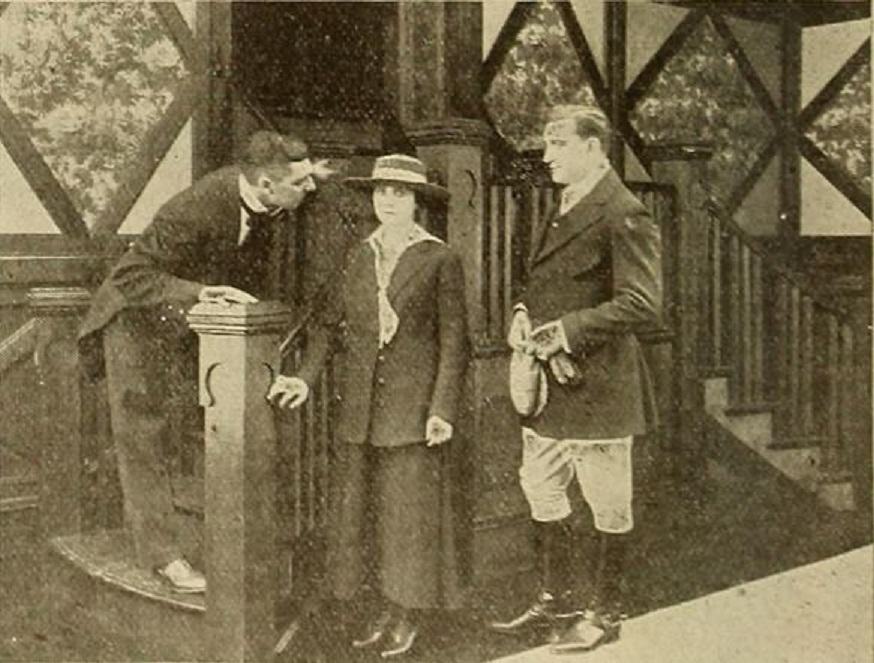
In a broader historical context, films like The Great Secret offered a form of escapism and entertainment that was accessible to a wide audience. They were communal experiences, enjoyed in nickelodeons and grand picture palaces alike, shaping public taste and influencing cultural norms. The enduring appeal of its core premise – a hero protecting the innocent from diabolical forces – speaks to universal human desires for justice and security. Even without the benefit of sound or color, the dramatic power of its narrative, brought to life by a dedicated cast and crew, would have resonated deeply with contemporary viewers, much like the compelling human dramas found in Fathers of Men or the intricate romantic woes of A Venetian Night. These films, though different in genre, shared a common goal: to transport and engage their audiences fully.
To watch The Great Secret today is to embark on a fascinating journey through cinematic history. It offers a window into the techniques, performances, and narrative conventions that defined an entire era of filmmaking. While some aspects might appear dated to modern sensibilities, the fundamental appeal of its thrilling plot and clear-cut morality remains potent. The film stands as a vibrant artifact, showcasing the ingenuity of early filmmakers who, with limited technology, managed to craft compelling stories that captivated millions. Its intricate web of deception, the daring heroics, and the palpable sense of danger all contribute to a viewing experience that is both historically illuminating and surprisingly entertaining. It’s a reminder that the foundational elements of suspense and adventure were established long before the advent of sound and special effects, relying instead on the power of visual storytelling and the dramatic capabilities of its performers. This film, alongside others of its kind, formed the bedrock upon which the vast edifice of modern cinema was built, demonstrating the timeless allure of a good mystery and a heroic quest. It's a foundational piece, much like The Price of Fame explored the costs of ambition, or It Happened in Honolulu offered exotic escapism, each contributing to the diverse tapestry of early film.
In conclusion, The Great Secret is more than just a historical curiosity; it is a vivid example of early cinematic prowess. It masterfully combines elements of romance, adventure, and mystery into a cohesive, exhilarating package. For enthusiasts of silent film, or anyone curious about the origins of popular genre storytelling, this film offers a rich and rewarding experience. Its expansive cast, dynamic direction, and an unyielding commitment to delivering thrills make it a notable entry in the annals of early American cinema. It’s a testament to the enduring power of narrative, proving that even without dialogue, a compelling story, brought to life by passionate artists, can transcend the boundaries of time and technology to engage and entertain. The film reaffirms that the 'great secret' of captivating audiences lies not in grand budgets or cutting-edge effects, but in the timeless art of crafting a compelling tale of human struggle and triumph against overwhelming odds.
IMDb 5.7
1913
Community
Log in to comment.