The dramatic story of Lady Hamilton's rise and fall in European society during the 1700s and early 1800s, including the romantic love story with Lord Nelson..
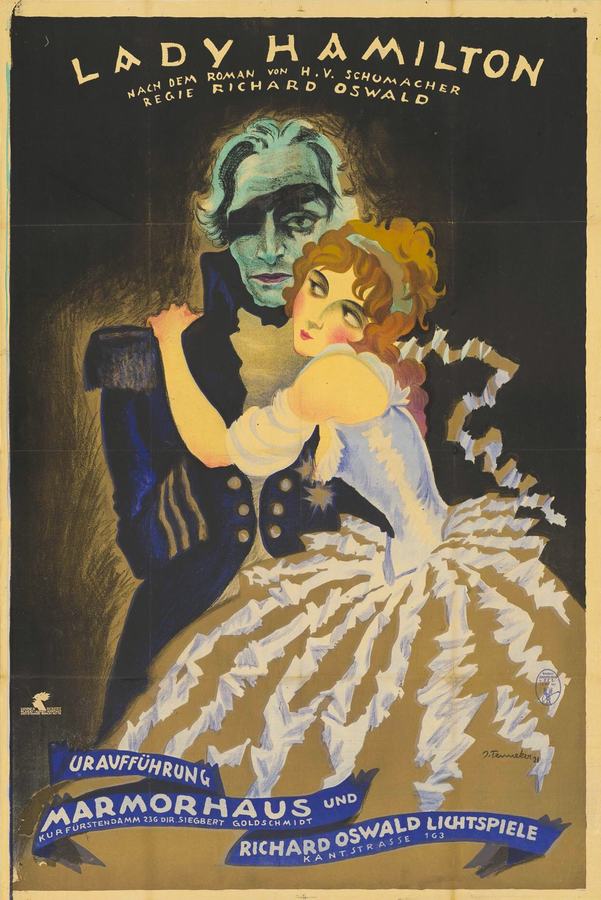
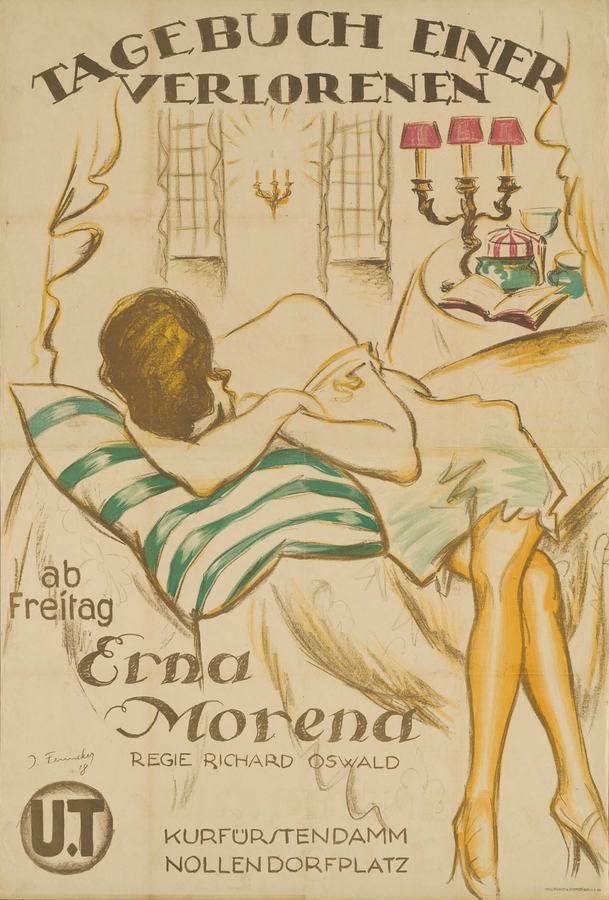
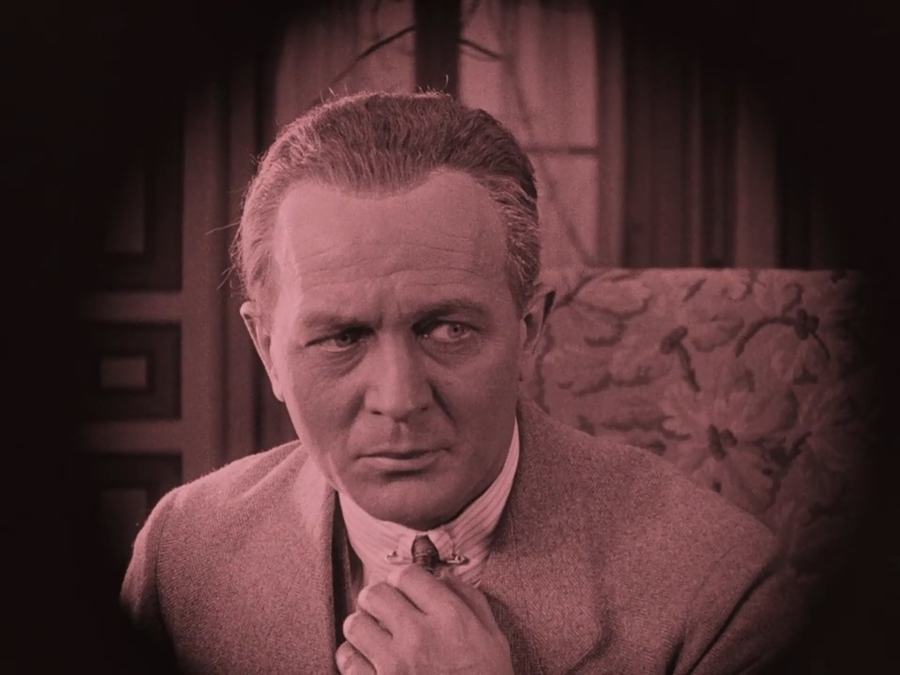
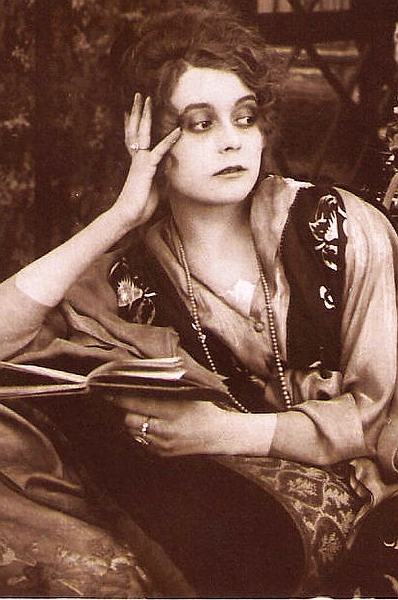
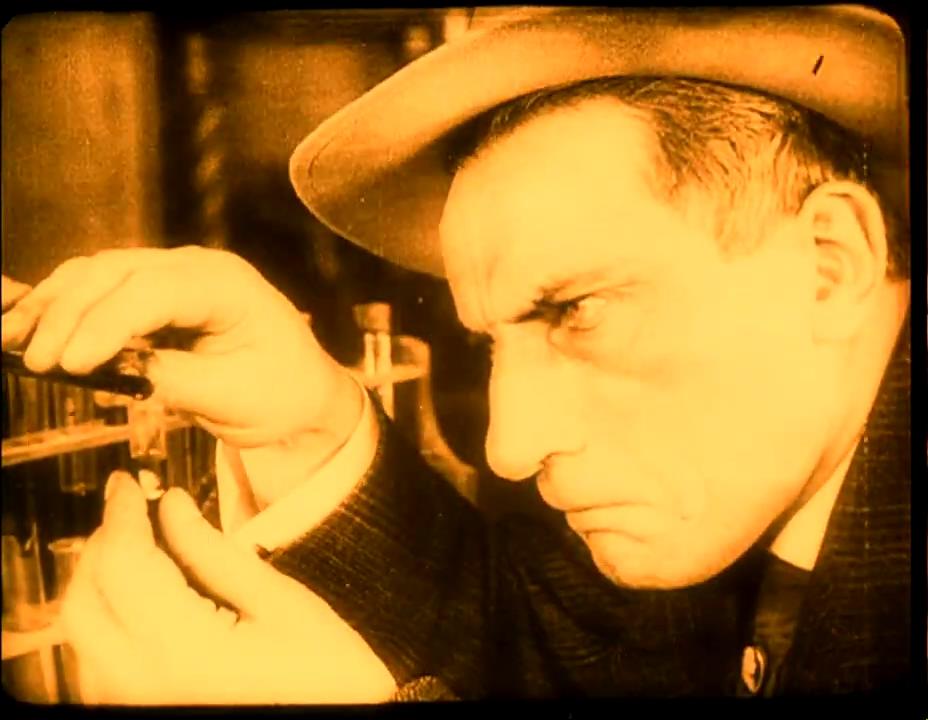
Richard Oswald’s Lady Hamilton arrives like a blood-orange pressed against white linen: the juice impossible to contain, the stain indelible. While British studios were still fawning over naval reenactments, the German director seized the scandalous liaison between Emma Hamilton and Horatio Nelson and twisted it into...

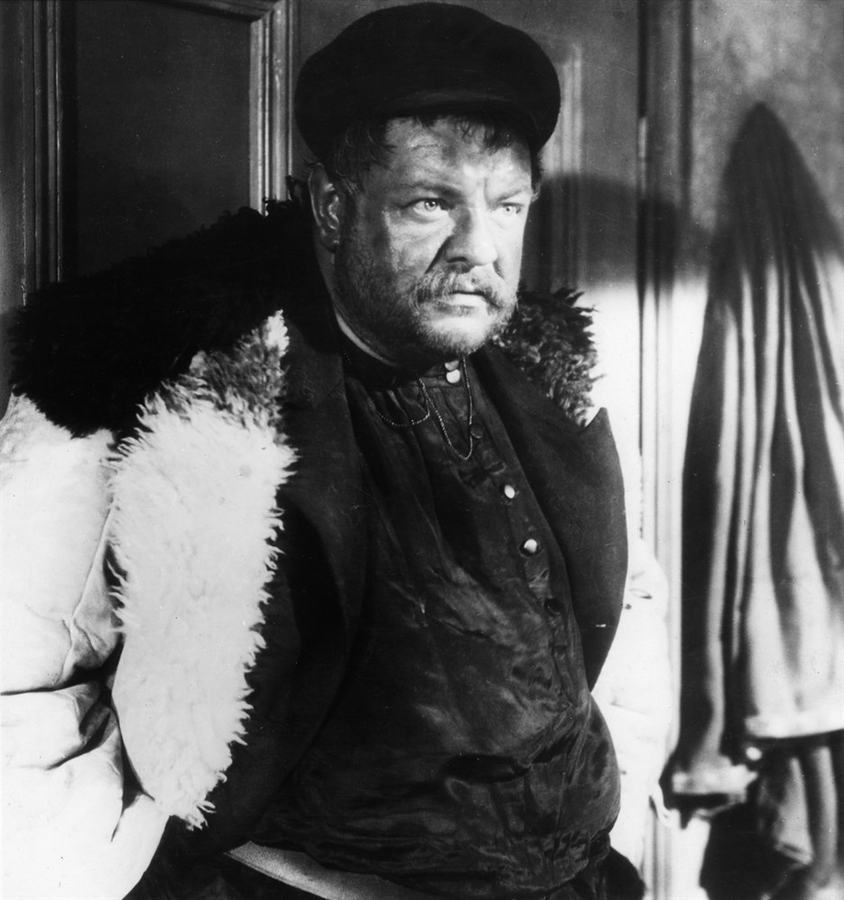
still_frame
Comparing the cinematic DNA and archive impact of two defining moments in cult history.
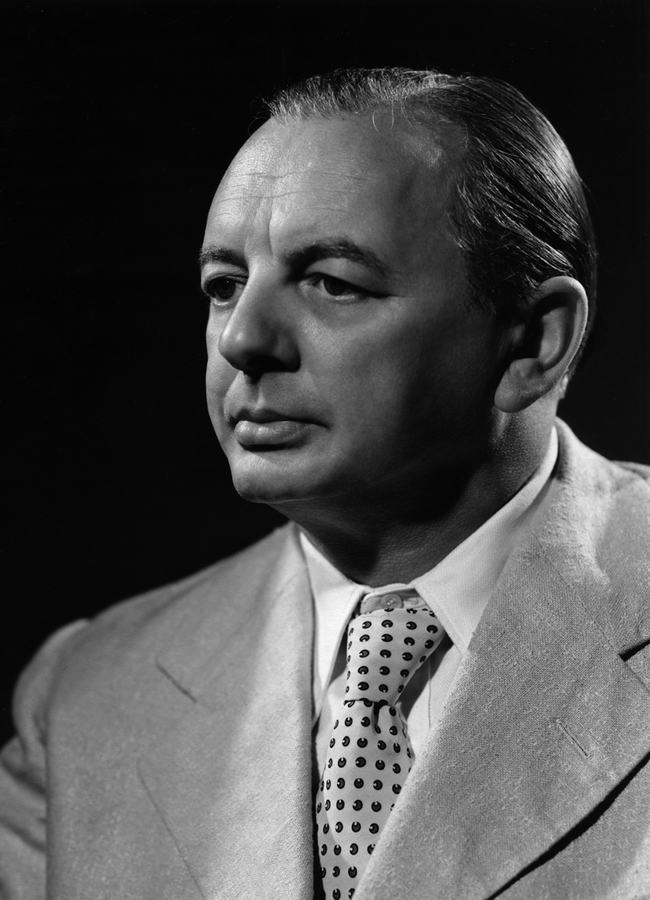
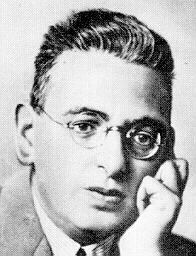
Richard Oswald
Richard Oswald
Community
Log in to comment.
" Richard Oswald’s Lady Hamilton arrives like a blood-orange pressed against white linen: the juice impossible to contain, the stain indelible. While British studios were still fawning over naval reenactments, the German director seized the scandalous liaison between Emma Hamilton and Horatio Nelson and twisted it into an expressionist fever dream that anticipates both Diplomacy and Hearts of Men in its cynical view of desire as geopolitical currency. The first tremor of genius strikes in the m..."
Heinrich Vollrath Schumacher, Richard Oswald
Germany
Deep dive into the cult classic
Discover similar cinematic experiences
A Directorial Spotlight on Richard Oswald