DbcultAccessing Vault...
Cult Review
Senior Film Conservator
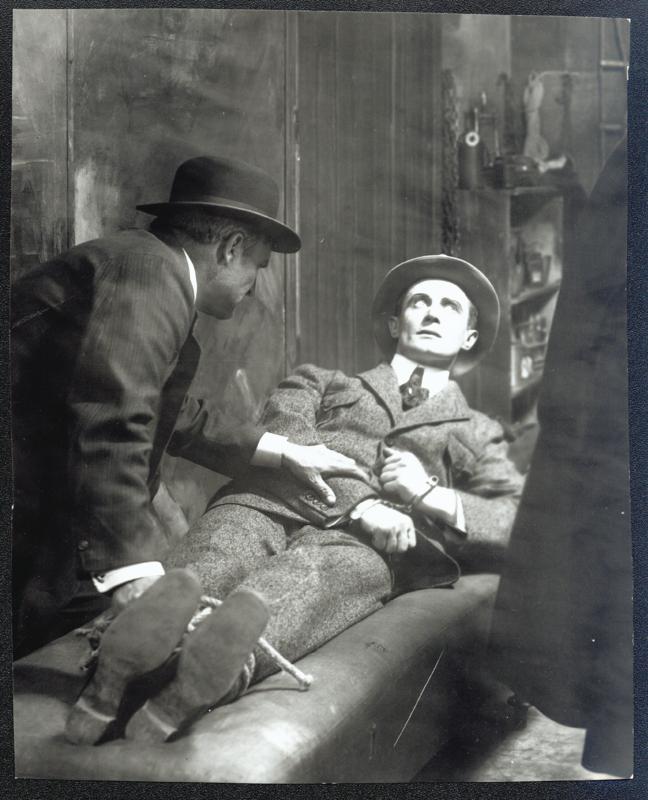
From the moment the opening credits unfurl, casting their stark, angular shadows across the screen, it becomes immediately apparent that A.W. Sandberg's Manden med de ni Fingre III is not merely a film; it is an experience, a plunge into the psychological abyss that defines the very best of early cinematic thrillers. This isn't just a sequel; it's a deepening, a further excavation into the tormented souls of its protagonist and antagonist, solidifying its place not just within Danish cinema, but as a towering achievement in the broader landscape of European suspense. Sandberg, the masterful architect of this macabre ballet, demonstrates an unparalleled command of atmosphere, weaving a narrative tapestry so intricate, so fraught with tension, that it grips the viewer from its first enigmatic frame to its last, lingering shot.
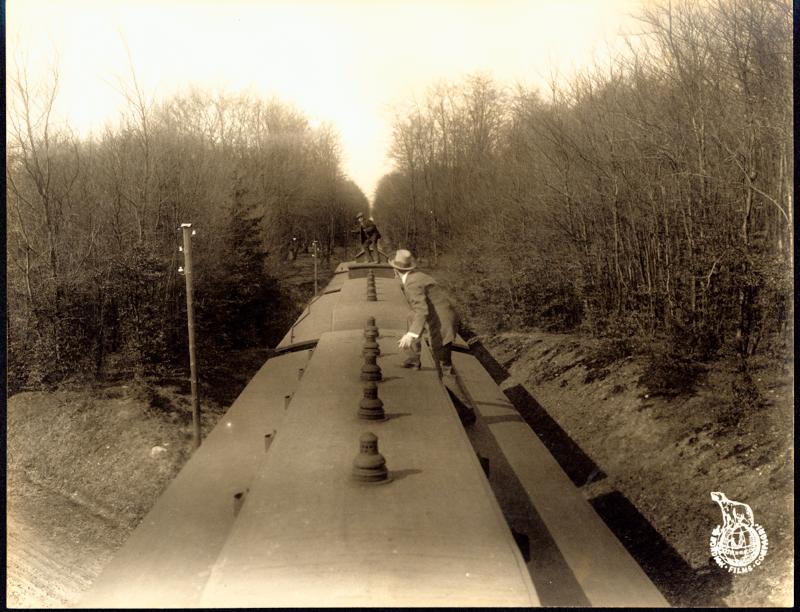
The plot, a veritable Gordian knot of intrigue, centers on the re-emergence of 'The Enigma,' a criminal whose notoriety precedes him like a chilling whisper on a winter's wind. His signature — a solitary, meticulously crafted nine-fingered glove left at the scene — is less a clue and more a taunt, a psychological weapon designed to unnerve and demoralize. The target this time is the 'Star of Denmark' sapphire, a national treasure housed within the Royal Museum, a fortress thought impregnable. Yet, The Enigma's ambition transcends mere material gain. This is a villain whose machinations are fueled by a desire to dismantle the very fabric of society, to expose the hypocrisy lurking beneath the polished veneer of respectability. He orchestrates a series of public shames, meticulously framing figures of unimpeachable standing, such as the austere banker Robert Schmidt and the seemingly benevolent socialite Fru Asgar Meier. Their meticulously constructed lives crumble under the weight of his accusations, sowing a pervasive distrust that threatens to unravel the city's moral core. This element of psychological warfare elevates the film beyond a simple heist narrative, echoing the complex moral quandaries found in contemporary works like Das Laster, where the true crime is often not the act itself, but the erosion of virtue.
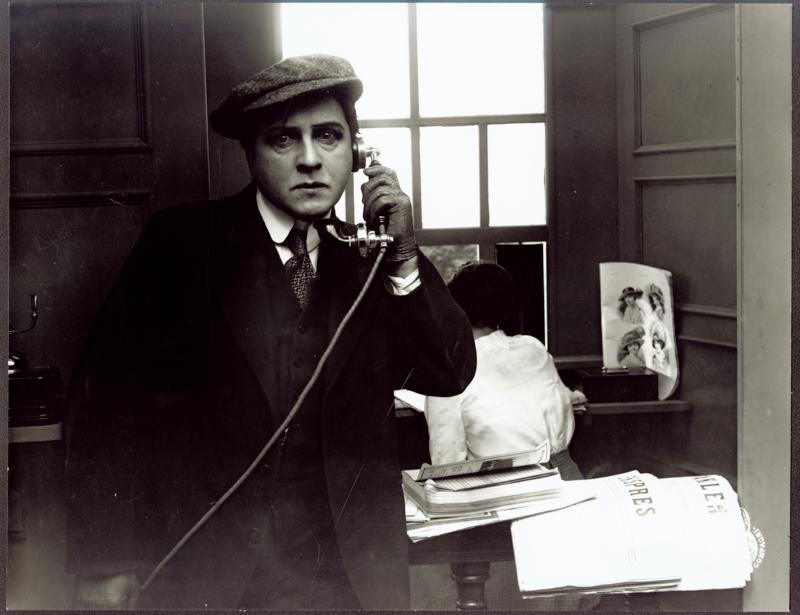
At the heart of this maelstrom stands Detective Inspector Jørgensen, portrayed with a raw, visceral intensity by Peter Nielsen. Nielsen's performance is a masterclass in controlled anguish, a man haunted by past encounters with The Enigma, each one leaving an indelible scar on his psyche. This isn't the stoic, infallible detective of pulp fiction; Jørgensen is deeply human, burdened by personal loss he implicitly attributes to his nemesis. His obsession is palpable, a smoldering fire beneath a veneer of professional resolve. He is driven not just by duty, but by a profound need for retribution, for closure. Nielsen conveys this internal turmoil through subtle gestures, haunted eyes, and a taut physicality that speaks volumes without a single word. His Jørgensen is a character perpetually on the brink, mirroring the societal tension that The Enigma so deftly exploits. The emotional depth Nielsen brings to the role is remarkable, allowing the audience to empathize with his struggle, to feel the weight of his personal crusade. It's a performance that stands shoulder-to-shoulder with the most compelling portrayals of investigators in cinematic history, a deep dive into the psychological toll of relentless pursuit.
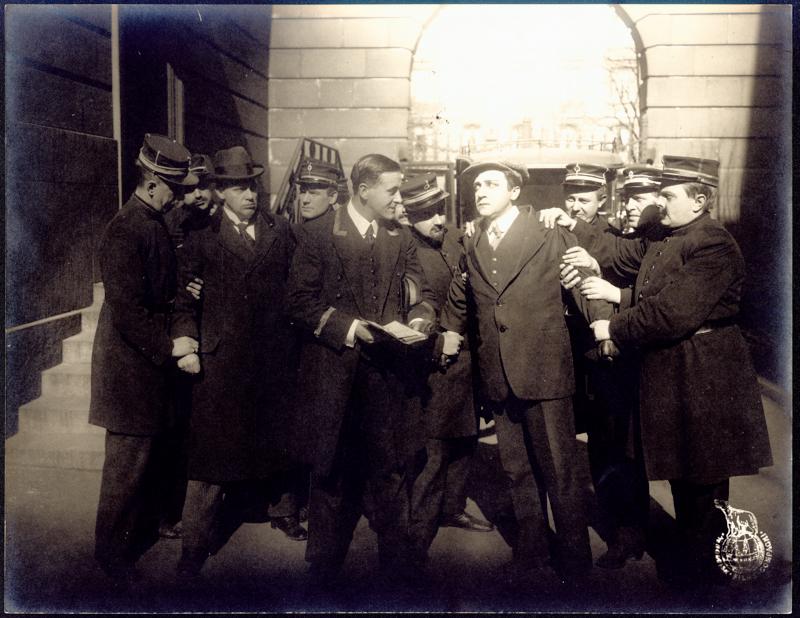
A.W. Sandberg's directorial hand is evident in every meticulously composed frame. His use of expressionistic lighting, contrasting stark blacks with piercing highlights, creates a world that feels both real and dreamlike, a perfect visual metaphor for the film's thematic exploration of illusion versus reality. The city itself becomes a character, a sprawling, shadowed entity with its own secrets and dangers. Sandberg masterfully employs deep focus and long takes during scenes of pursuit, immersing the audience directly into Jørgensen's breathless chase. Consider the sequence involving the opera house: the opulent grandeur juxtaposed with the clandestine whispers, the sweeping camera movements that transition seamlessly from the stage's dramatic spectacle to the hidden machinations in the box seats. This visual storytelling is not merely aesthetic; it's narrative, enhancing the sense of paranoia and the omnipresent threat. The editing, sharp and precise, builds tension with an almost unbearable efficacy, particularly in the climactic confrontation within the deserted clock tower. Each tick of the unseen mechanism seems to echo the dwindling time for Jørgensen, amplifying the stakes. Sandberg's ability to craft such a rich, atmospheric world with the technical limitations of his era is nothing short of astounding, a testament to his visionary approach to filmmaking.
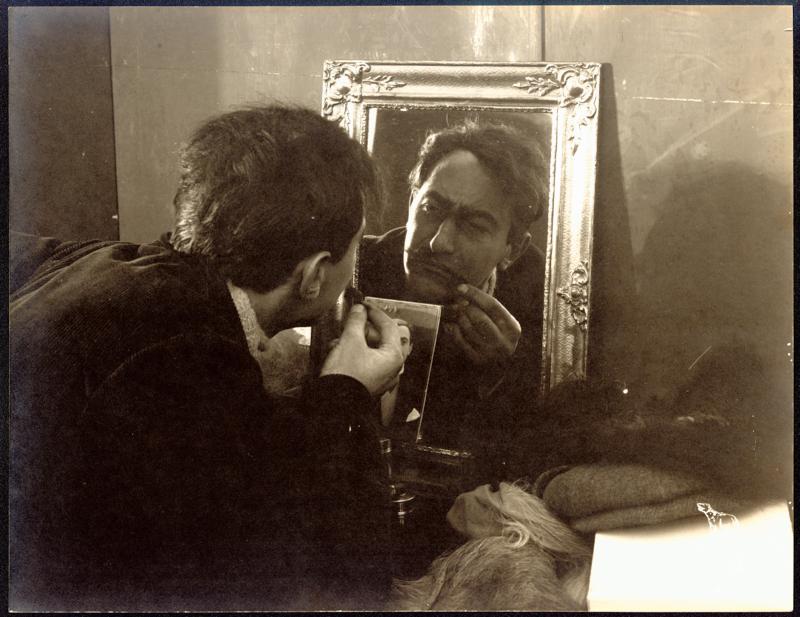
While Nielsen anchors the film, the supporting cast provides essential texture and depth to Sandberg's intricate world. Aage Hertel, as The Enigma, maintains a spectral presence throughout, his appearances fleeting but impactful, his true face often obscured by shadow or disguise. His performance relies heavily on body language and the chilling implications of his actions, rather than overt exposition, making him a truly formidable and enigmatic foe. Erik Holberg, in his role as Jørgensen's loyal but increasingly beleaguered subordinate, offers a grounding presence, his exasperation and unwavering faith in his superior providing a crucial emotional counterpoint to Jørgensen's spiraling obsession. Fru Asgar Meier's portrayal of the disgraced socialite is particularly poignant, capturing the devastating impact of The Enigma's psychological warfare on an individual's reputation and sanity. Robert Schmidt, as the ostensibly upright banker, embodies the societal pillars The Enigma seeks to crumble, his descent into suspicion and paranoia a microcosm of the city's broader plight. Henry Seemann, in a smaller but vital role, contributes to the sense of a grand, interconnected conspiracy. Each actor, under Sandberg's meticulous direction, contributes to the unsettling atmosphere, painting a vivid picture of a society grappling with unseen forces and eroding trust. Their collective efforts ensure that the world of Manden med de ni Fingre III feels robust and terrifyingly real.
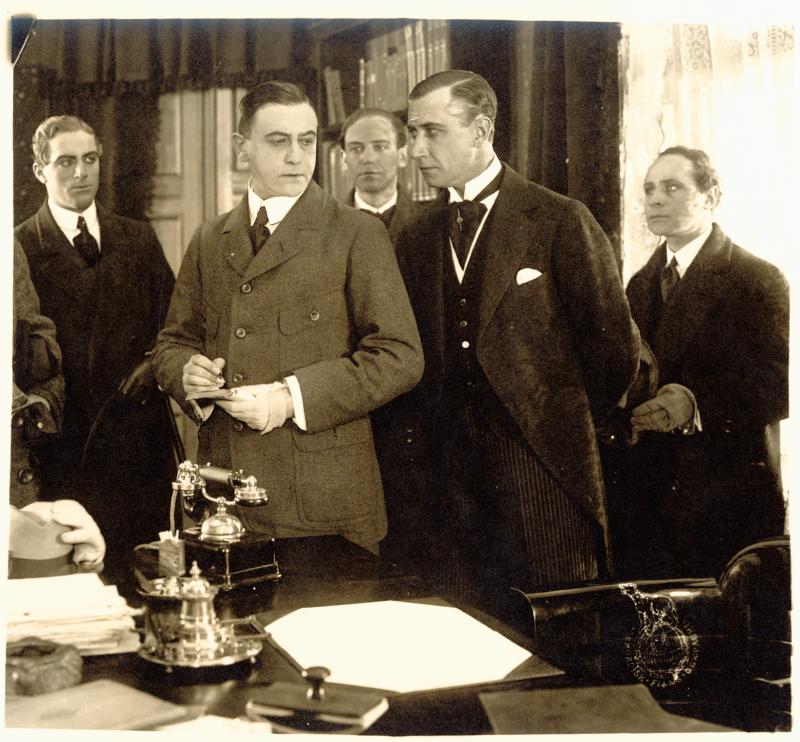
At its core, Manden med de ni Fingre III delves into profound thematic territory. The central conflict between Jørgensen and The Enigma is a battle not just of wits, but of ideologies. Jørgensen represents the established order, the unwavering pursuit of justice, even when it costs him dearly. The Enigma, conversely, embodies chaos, a nihilistic desire to expose the fragility of societal constructs and the inherent hypocrisy of those in power. This exploration of moral ambiguity is startlingly sophisticated for its time, anticipating the nuanced characterizations that would define later thrillers. The motif of identity is also paramount: The Enigma's mastery of disguise, his ability to manipulate perceptions, forces Jørgensen to question everything and everyone. This psychological warfare, where trust is a liability and appearances are perpetually deceiving, creates a pervasive sense of paranoia that permeates every scene. The film asks fundamental questions: What is the true cost of maintaining order? Can justice ever truly be served when the lines between good and evil are so skillfully blurred? These are questions that resonate deeply, drawing parallels to the intricate moral dilemmas posed by films such as The Evangelist, which similarly grapples with the corruption of ideals.
The film's influence on the burgeoning crime and suspense genres is undeniable. Its intricate plotting and psychological depth set a high bar for future endeavors. One can observe echoes of its cat-and-mouse dynamic in the taut pursuits of Stop Thief!, though Sandberg’s film elevates the stakes with a far more profound existential dread. The meticulous planning of The Enigma rivals the cunning of the criminal minds depicted in films like Mysteriet paa Duncan Slot, yet Manden med de ni Fingre III injects a distinctly personal, almost operatic, rivalry that makes the stakes feel immeasurably higher. Sandberg's innovative use of visual language to convey internal states and external threats laid groundwork for the visual grammar of film noir, predating its more recognized emergence. The film's exploration of a detective haunted by his past and locked in a personal battle with a recurring nemesis would become a trope, but here, it feels fresh and agonizingly real. Even the subtle hints of societal decay and the corruption of institutions, while not as overtly political as War Is Hell, provide a potent undercurrent that grounds the fantastical elements of the criminal mastermind in a tangible, relatable world.
The film builds inexorably towards its breathtaking climax, a confrontation in a deserted clock tower that is a masterclass in suspense. The towering gears, the echoing silence, the interplay of light and shadow – every element conspires to create an atmosphere of impending doom. Jørgensen, physically and mentally exhausted, must not only outwit The Enigma's final, most intricate trap but also confront the shocking truth about his adversary's identity or motives. The revelation, when it comes, is not merely a plot twist; it is a punch to the gut, forcing Jørgensen, and the audience, to re-evaluate everything that has transpired. It challenges the very notion of justice, suggesting that sometimes, the pursuit of order can lead to an understanding of chaos that is profoundly unsettling. The final moments leave an indelible mark, a lingering sense of unease that speaks to the film's enduring power. It doesn't offer easy answers, instead opting for a morally ambiguous conclusion that forces introspection. This willingness to explore the darker, more complex facets of human nature is what truly sets Manden med de ni Fingre III apart from its contemporaries, solidifying its status as a timeless piece of cinematic art.
A.W. Sandberg, through Manden med de ni Fingre III, crafted not just a thrilling sequel, but a seminal work that pushed the boundaries of cinematic storytelling. His adept direction, coupled with the compelling performances of Peter Nielsen, Aage Hertel, Erik Holberg, Fru Asgar Meier, Robert Schmidt, and Henry Seemann, creates a rich, immersive experience. The screenplay, attributed to Sandberg himself, is a testament to sophisticated plotting and character development, ensuring that the film's intellectual puzzles are matched by its emotional depth. It stands as a powerful example of how early cinema, often underestimated, could achieve profound artistic and narrative complexity. The film's continued relevance lies in its timeless themes: the struggle between good and evil, the erosion of trust, and the psychological toll of obsession. It is a masterpiece of suspense, a chilling psychological drama, and a vital piece of cinematic history that continues to captivate and provoke thought. For those seeking a deeper understanding of the origins of the crime thriller genre and the artistry of early European cinema, Manden med de ni Fingre III remains an essential, unforgettable viewing experience.
IMDb —
1934
Community
Log in to comment.