DbcultAccessing Vault...
Cult Review
Senior Film Conservator
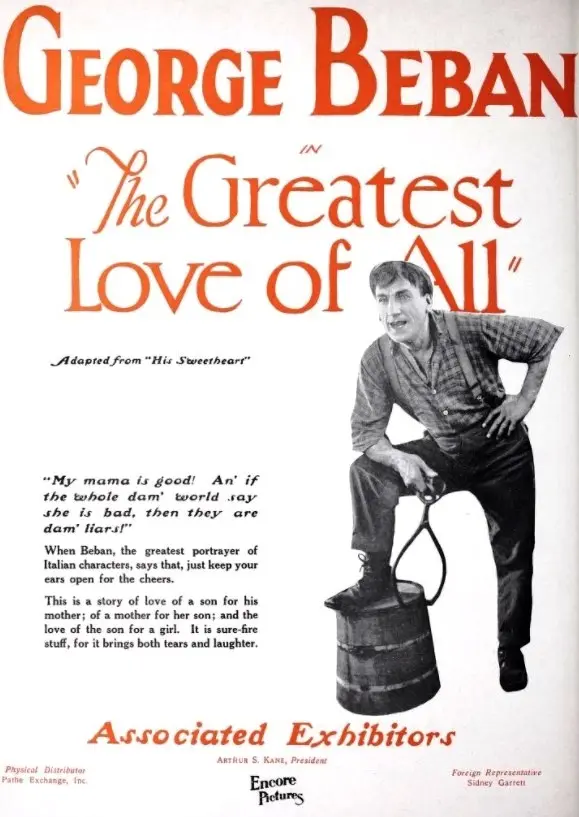
The cinematic landscape of the early 20th century was often a canvas for tales of migration and the American dream, and 'The Greatest Love of All' stands as a poignant example of this genre. Baby Evelyn, in the lead role, portrays Joe, a destitute iceman from Italy, whose aspirations are both humble and ambitious. Joe's arduous journey is not just a physical one but a spiritual and emotional metamorphosis, fueled by the desire for a better life for his mother and himself.
The narrative unfolds with the introduction of Trina, played by Nettie Belle Darby, whom Joe is engaged to. Their relationship forms the emotional core of the film, a testament to the enduring nature of love in the face of adversity. The backdrop of New York City serves as a stark contrast to the impoverished village from which Joe hails, symbolizing hope and the promise of a new beginning. The journey to America is both a literal and figurative one, each step bringing them closer to their dreams but also presenting new challenges.
Joe's mother, a character of remarkable depth, played by Maria Di Benedetta, plays a pivotal role in the plot. Her journey to America to help her son and daughter-in-law is a testament to the lengths a mother will go to ensure her family's happiness. However, the plot takes a dramatic turn when a diamond bracelet belonging to the District Attorney, Mr. Kelland, goes missing. The subplot of the stolen bracelet introduces a layer of suspense and legal intrigue into the narrative, elevating the film beyond a simple love story.
The discovery of the bracelet in the laundry bag, which Joe's mother had been working to clean, sets off a chain of events that threatens to unravel the family's hard-earned happiness. The arrest of Joe's mother as a thief is a poignant moment, highlighting the harsh realities of life in a new country. The moral dilemma of Joe to avenge his mother by setting a trap for the D. A. is a stark reflection of the desperation and anger that can arise in the face of injustice. However, the intervention of Trina, played by Wanda Lyon, who proves that the Kellands' daughter was responsible, provides a critical turning point in the narrative, allowing for redemption and forgiveness.
The resolution of the plot is both satisfying and emotionally resonant. The release of Joe's mother from jail and the subsequent happiness of the young couple in a little home in the country serve as a bittersweet conclusion to the film. The film's themes of love, justice, and redemption are woven into the fabric of the story, providing a powerful commentary on the immigrant experience and the complexities of human relationships.
Comparatively, 'The Greatest Love of All' shares thematic similarities with 'Crime and Punishment' (1923) and 'Not Guilty' (1921), both of which delve into the moral and ethical dilemmas faced by characters from immigrant backgrounds. 'The Greatest Love of All' excels in its portrayal of the nuanced emotions and the intricate web of relationships that bind the characters. The performances by the cast, particularly Baby Evelyn and Nettie Belle Darby, are compelling and add depth to the narrative. The supporting cast, including William Howatt and George Humbert, contribute to the overall richness of the film.
From a technical standpoint, the film's production values are commendable. The cinematography captures the stark contrasts between the rural and urban landscapes, effectively conveying the characters' emotional journey. The score, while not as prominent as in modern films, adds to the overall mood and atmosphere of the narrative. The editing is smooth, ensuring that the pacing remains engaging throughout the film.
While 'The Greatest Love of All' may not be without its flaws, it is a film that resonates deeply with its audience. The story's focus on the immigrant experience, the pursuit of the American dream, and the complex relationships between characters make it a compelling watch. The film's ability to balance high drama with moments of tenderness and humor is a testament to its enduring appeal. For those interested in the early days of cinema and the immigrant experience, 'The Greatest Love of All' is a must-watch film that offers both entertainment and a deeper understanding of the human condition.
IMDb 6.1
1936
Community
Log in to comment.