DbcultAccessing Vault...
8.9/10
Senior Film Conservator

A definitive 8.9/10 rating for a film that redefined the boundaries of cult cinema. The Greek Interpreter remains a cornerstone of transgressive art.
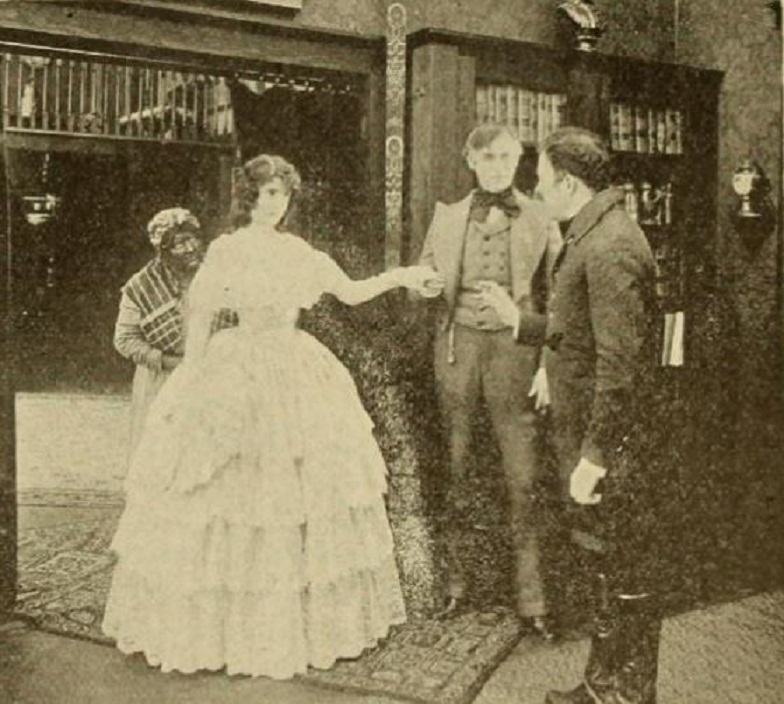
The Greek Interpreter, a silent film from 1922, is a cinematic masterpiece that delves into the intricacies of human communication and the psychological effects of coercion. Directed by Geoffrey Malins and Patrick L. Mannock, this film is an adaptation of a story by the renowned Arthur Conan Doyle. The narrative revolves around the kidnapping of a Greek interpreter, played by Robert Vallis, who is forced to serve as a medium for the gang's demands to an abductee who only speaks Greek.
The film's plot is a complex interplay of power dynamics, with the gang, led by Joseph R. Tozer, exerting control over the interpreter and the abductee. The interpreter, caught in the middle, must navigate this treacherous situation while maintaining his own moral integrity. The character of the abductee, played by Mme. d'Esterre, adds an air of mystery to the narrative, as her reactions and responses are filtered through the interpreter's translations.
One of the standout aspects of The Greek Interpreter is its exploration of the theme of language as a tool of power. The gang's reliance on the interpreter to convey their demands highlights the importance of communication in shaping relationships and exerting control. This theme is reminiscent of other films, such as The Mystery of Room 13, which also examines the role of language in shaping human interactions.
The film's cinematography, handled by Hubert Willis and H. Wheeler, is noteworthy for its use of lighting and composition to create a sense of tension and foreboding. The scenes are often dimly lit, with deep shadows that add to the overall sense of unease. This visual style is comparable to that of Nice and Friendly, which also employs a similar aesthetic to convey a sense of unease.
The cast of The Greek Interpreter delivers strong performances, with Robert Vallis standing out as the titular character. His portrayal of the interpreter's moral dilemma is nuanced and compelling, adding depth to the narrative. The supporting cast, including Cecil Dane, Eille Norwood, and Edith Saville, also deliver solid performances that enhance the overall impact of the film.
In comparison to other films of the era, such as Vicenta and How Kitchener Was Betrayed, The Greek Interpreter stands out for its thought-provoking themes and intricate plot. The film's exploration of language, power, and human psychology is both captivating and unsettling, making it a must-see for fans of silent cinema.
The film's influence can also be seen in later works, such as L'imprevisto and The Mysteries of Souls, which also explore the complexities of human communication and relationships. The use of language as a tool of power is a theme that continues to resonate in contemporary cinema, with films like What's Bred... Comes Out in the Flesh and Oh, Baby! examining the role of language in shaping human interactions.
In conclusion, The Greek Interpreter is a masterful film that explores the intricacies of human communication and the psychological effects of coercion. With its thought-provoking themes, intricate plot, and strong performances, this film is a must-see for fans of silent cinema. Its influence can be seen in later works, and its themes continue to resonate in contemporary cinema, making it a timeless classic that will continue to captivate audiences for years to come. For fans of One of Many, The Fall of Babylon, The Vampires: The Thunder Master, Her Bargain Day, The Marriage Price, Gubijinsô, and The Play House, The Greek Interpreter is a film that will not disappoint.
IMDb —
1926
Community
Log in to comment.