DbcultAccessing Vault...
6.2/10
Senior Film Conservator
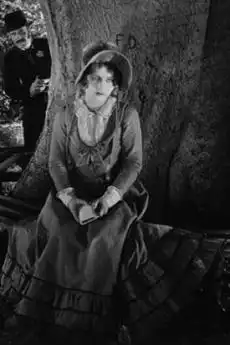
A definitive 6.2/10 rating for a film that redefined the boundaries of cult cinema. The Greenwood Tree remains a cornerstone of transgressive art.
So, The Greenwood Tree. You know, the 1929 silent film about a village organist. Is it worth tracking down today? Probably not for everyone.
If you're a serious film historian or just curious about very early British cinema, absolutely, give it a look. But if you’re hoping for a gripping drama or something with modern pacing, you'll find yourself fidgeting pretty quickly. It's a real slice of its time, which can be both charming and a bit tedious.
The story itself is... well, it’s quaint. A young woman, Roberta Abel's character, gets the job as the village organist. This apparently leads to the existing choir getting the boot, and the whole village, or at least a good chunk of it, is not happy about this. You can almost feel the whispers going around.
It’s a drama built on the kind of petty squabbles that feel huge in a small, closed-off community.
Roberta Abel, as the organist, has this really earnest presence. You feel for her. There’s a scene where she’s playing, and the camera just sits on her for a beat too long. It’s not a bad thing, but it gives you time to think about what a big deal this gig must have been for a young woman back then. A proper job, but also stepping on toes.
The choir, "The Gotham Singers" according to the cast list, really does seem to be the *villain* of the piece, sort of. Or maybe just a group of grumpy old traditions. When they're singing, there’s a moment – though it’s hard to tell for sure with the old prints – where they seem almost... *off-key*. Or maybe that’s just my modern ears. But it definitely felt like they weren't exactly world-beaters. You can see why a new, fresh talent might have been brought in.
The film has this gentle, almost sleepy rhythm. Intertitles pop up, explaining things quite directly. Sometimes a little *too* directly. You wish they'd let the actors' faces tell a bit more of the story. But then, it *is* 1929, so you adjust.
The expressions are often quite broad, which is standard for silent films, but some of the subtler moments are actually the most effective. Like a quick glance from Maud Gill’s character, perhaps a nosy villager, that says more than a whole paragraph of text.
One thing that sticks with you is the sense of place. The village feels real, even if it's clearly a set. There are these wide shots of the church and the surrounding area that just make you feel like you've stepped back in time. It’s not flashy, not a "visually stunning cinematic experience" by any stretch, but it's *authentic* in its own quiet way. 🌿
The whole premise, this big drama over a church organist versus a choir, feels so incredibly *small* now. Yet, the film treats it with absolute seriousness. There’s no irony, no wink to the camera. It’s a genuine conflict for these people. And in that, there’s a certain charm. It’s a snapshot of what mattered then.
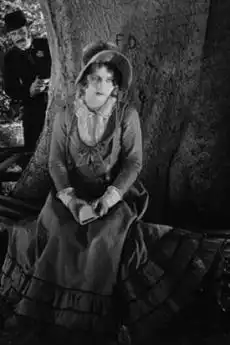
I kept thinking about how much pressure she must have been under. To be the new kid, the one who shakes things up, in a place where everyone knows everyone else’s business. The silent films really rely on the actors to convey emotion, and Roberta Abel does a pretty good job of showing that internal struggle, even if the outward expressions are a bit exaggerated at times.
The real drama here isn't explosions or big betrayals, it's the sheer weight of *village opinion*. Everyone seems to have a say, or at least a strong feeling, about this new organist. You see it in the way people gather outside the church, the little huddles of women whispering. It’s all very subtle, but it builds this sense of unease around our protagonist.
The tension comes from these disapproving looks and closed-off conversations, not from any overt conflict. It’s one of those films where you realize how different daily life was. The church organist, a *huge* deal! And the choir, a matter of local pride.
Losing that spot, or seeing someone else take it, must have felt like a significant blow to the community’s fabric. John Batten and Syd Ellery, playing some of the male townsfolk, often have these stern, almost judgmental expressions. They are clearly representing the old guard.
There’s a part where the organist is just walking through the village, and you can practically *feel* the silent treatment she's getting from certain quarters. It's a very effective bit of visual storytelling for a silent film, showing isolation without a single word. Roberta Abel's posture in those scenes really sells the quiet burden she carries.
And then there's the music. Or, rather, the *lack* of original scoring if you're watching an unpreserved print. Silent films are always a bit of a gamble with their musical accompaniment. The version I saw had a generic piano score, which was fine, but you wonder what the original intentions were. A different score could totally change the emotional weight of a scene.
Imagine a really powerful, almost mournful organ piece during her moments of struggle. It’s interesting to see how the film tries to build up stakes around something so seemingly minor. The *passion* these characters have for their church and its traditions is palpable. It’s easy to dismiss as quaint, but it really was a central pillar of life for many then. So, when that pillar gets a shake-up, it’s not just about a new organist; it's about a change in their established world.
The performances by the supporting cast, particularly the "Gotham Singers" members like Peggie Robb-Smith and Antonia Brough, convey this mix of pride and indignation pretty well. They don't have many individual moments, but as a collective, their disapproval is a *presence*. You can almost hear their collective huffs.
The ending, without giving anything away, felt a little bit... *neat*. Almost too tidy for the amount of fuss that was made earlier. But maybe that's just how stories were supposed to wrap up back then.
So, yeah. If you’re into the deep cuts, the really early stuff, and don't mind a leisurely pace, give The Greenwood Tree a try. But definitely go in with the right mindset. It’s less a rollercoaster and more a quiet stroll through a very specific, almost forgotten moment in time. 🕰️ It’s a niche watch, for sure.
IMDb 5.9
1934
Community
Log in to comment.