DbcultAccessing Vault...
6.9/10
Senior Film Conservator
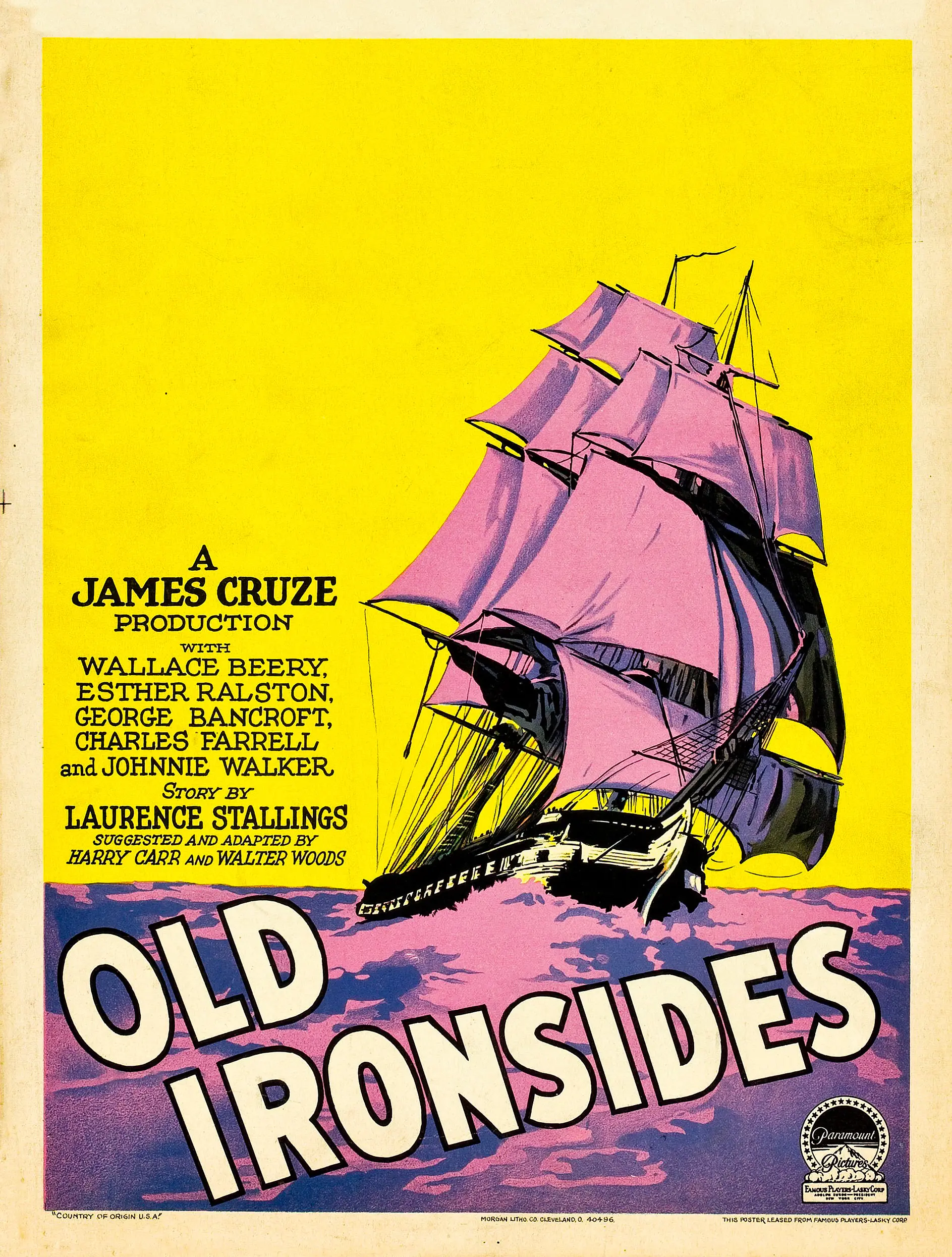
A definitive 6.9/10 rating for a film that redefined the boundaries of cult cinema. Old Ironsides remains a cornerstone of transgressive art.
Should you dedicate your evening to a silent film from 1926 about the Barbary Pirates? Short answer: yes, but only if you have an appetite for technical scale and can tolerate the molasses-slow pacing of 1920s romantic subplots.
This film is a treasure map for history buffs and a grueling marathon for those used to modern pacing. It is for the cinephile who wants to see the exact moment Hollywood learned how to blow things up properly. It is not for the viewer who needs snappy dialogue or a plot that moves faster than a ship in a dead calm.
1) This film works because: The physical production is staggering; James Cruze used actual full-scale ships and thousands of extras, creating a sense of weight and danger that CGI simply cannot replicate.
2) This film fails because: The mid-section is bogged down by a generic and unconvincing romance that feels like it belongs in a lesser film like Sealed Lips rather than a high-seas epic.
3) You should watch it if: You want to witness the "Magnascope" effect—an early attempt at widescreen—and see a young, unrecognizable Boris Karloff before he became a household name.
Yes, Old Ironsides remains a vital piece of cinematic history for its sheer ambition. While the acting styles are dated, the technical execution of the naval battles is superior to many films made decades later. It offers a rare, high-budget look at the early American navy that feels both patriotic and visceral.

When James Cruze set out to film Old Ironsides, he wasn't just making a movie; he was staging a naval invasion. Following the success of his pioneer epic The Covered Wagon, Cruze applied that same sense of "manifest destiny" to the ocean. The result is a film that feels massive. It breathes salt air. You can almost smell the gunpowder through the screen.
The film’s greatest strength is its refusal to take shortcuts. In the 1920s, if you wanted a fleet of ships, you built them. If you wanted a fort to explode, you packed it with real dynamite. This physicality gives the film a grounded reality. When the USS Constitution pulls alongside a pirate vessel, the creaking of the wood and the splashing of the water feel heavy. There is no digital shimmer here. It is raw, wood-on-wood violence.
However, the film suffers from a split personality. On one hand, it is a gritty war movie. On the other, it tries to be a lighthearted adventure. This tonal whiplash is common in films of this era, such as Tol'able Romeo, but here the stakes are so high that the comedic interludes often feel intrusive. Wallace Beery, playing the boatswain, is a force of nature. He is loud, physical, and occasionally exhausting. He provides the "human" element, but his antics sometimes distract from the looming threat of the Barbary pirates.

One cannot discuss Old Ironsides without mentioning Magnascope. During its original theatrical run, certain sequences—specifically the battle scenes—used a specialized projection technique to enlarge the image on the screen. It was the IMAX of 1926. Even watching it on a modern flat screen, you can feel where the film wants to burst its seams.
The cinematography by Karl Brown is exceptional. He captures the scale of the Mediterranean with wide shots that make the ships look like toys against the horizon, only to suddenly plunge the viewer into the chaos of a boarding party. The camera work during the storm sequence is particularly harrowing. It lacks the polish of modern stabilized rigs, which actually works in its favor. The camera shakes. It feels like it's on a deck that is about to capsize.
Compare this to the more static, stage-bound feel of The Tongues of Men. Cruze is pushing the boundaries of what a camera can do in an outdoor environment. He isn't interested in the theater; he's interested in the spectacle of the real world. The lighting, mostly natural, creates a stark contrast between the bright, punishing sun of the North African coast and the dark, cramped quarters of the ship's interior.
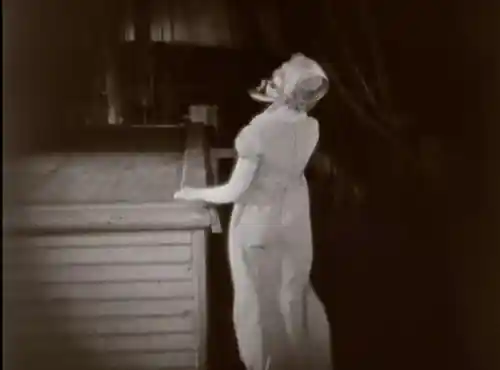
The cast is a fascinating time capsule. Wallace Beery is the undisputed anchor of the film. His performance is broad, typical of the silent era, but he possesses a charisma that bridges the gap to modern audiences. He is the "tough guy with a heart of gold" archetype perfected. Beside him, Charles Farrell provides the youthful idealism. Farrell’s performance is a bit one-note, lacking the nuance found in his later collaborations with Frank Borzage, but he serves the purpose of the "everyman" caught in the gears of history.
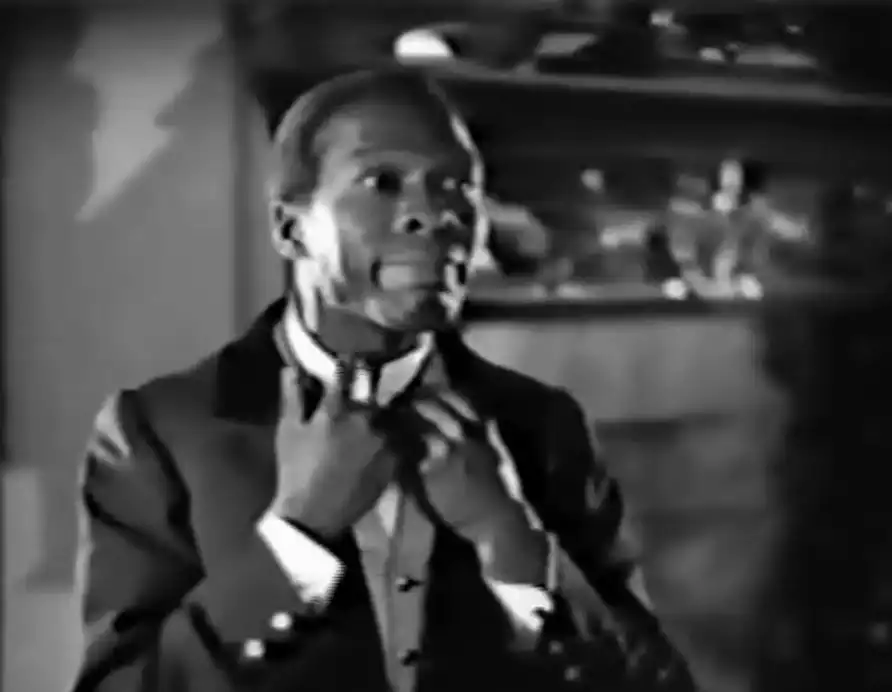
Then there is the curiosity of the supporting cast. Seeing Boris Karloff as a Saracen guard is a jolt to the system. Even in this minor, early role, Karloff has a physical presence that commands attention. He doesn't have the heavy makeup of his later Universal monster roles, but his eyes carry that same intensity. It’s a reminder that even the biggest stars had to start somewhere, often in the background of epics like this or The Upheaval.
The female lead, Esther Ralston, is unfortunately given very little to do. She is the "damsel" in every sense of the word. Her character exists to be rescued and to provide a romantic motivation for the male leads. It’s a disappointing use of her talent, especially when you consider that one of the writers was Dorothy Arzner, who would go on to become one of the most significant female directors in Hollywood history. One wonders if Arzner’s influence was diluted by the five other male writers credited on the script.
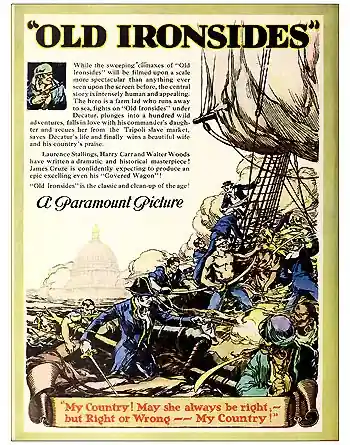
Let’s be honest: the first hour is a struggle. Like many silent epics, Old Ironsides takes its sweet time getting to the point. There is a lot of standing around, a lot of long title cards, and a lot of repetitive character beats. If you aren't a fan of the medium, you might find yourself reaching for your phone during the recruitment scenes. It lacks the tight narrative economy of a film like Erotikon, which manages to convey complex emotions with far less screen time.
But then, the final act happens. The transition from the slow buildup to the siege of Tripoli is one of the most effective gears-shifts in silent cinema. Once the cannons start firing, the film finds its rhythm. The editing becomes faster, the stakes become clearer, and the sheer scale of the production finally pays off. It is a masterclass in how to film action. You always know where the ships are in relation to each other. You understand the geography of the fort. It is clear, coherent, and brutal.
The violence is surprisingly blunt. Men fall from rigging; explosions tear through decks. There is a sense of genuine peril. This isn't the sanitized swashbuckling of the Errol Flynn era. It’s closer to the grit of a modern war movie, just told through the language of 1926. It works. But it’s flawed.
Pros:
- Incredible use of real ships and locations.
- A rare look at the Barbary Wars, a period often ignored by Hollywood.
- Strong, physical performance by Wallace Beery.
- Historical significance as a pioneer of widescreen technology.
Cons:
- Excessive runtime for the amount of story actually being told.
- Female characters are relegated to passive roles.
- Some of the comedic elements haven't aged well.
Old Ironsides is a flawed giant. It is a film that demands patience but rewards it with some of the most spectacular imagery of the silent era. James Cruze understood that to tell a story about the birth of a navy, he needed to capture the terrifying power of the sea and the men who tried to tame it. While the human drama is often overshadowed by the masts and cannons, the film succeeds as a technical achievement. It is a loud, proud, and occasionally exhausting tribute to naval history. If you can look past the 1920s tropes, you'll find a film that still has plenty of fire in its belly. It’s not a masterpiece, but it is a monument.
"Cruze didn't just film a movie; he launched a fleet. The result is a visceral, wood-splintering epic that makes modern blockbusters look like they're playing in a bathtub."
IMDb 6.8
1935
Community
Log in to comment.