DbcultAccessing Vault...
Cult Review
Senior Film Conservator
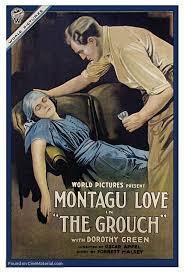
Clara Beranger and Forrest Halsey’s screenplay drips with humid symbolism: shackles that outlive iron, swamps that swallow names, fires that baptize. Director David Smith—never hailed among the era’s titans—nevertheless wields chiaroscuro like a backwoods Rembrandt, letting kerosene lamps carve gold crescents across Al Hart’s gaunt cheekbones while the Florida everglades exhale something feral beyond the window frames.
The film’s prologue hurtles through Donald’s trial with Eisensteinian montage—gavel, lace veil, newspaper type slapping the screen—then slams us into a chain-gang tableau where sweat glistens like flypaper. The audience is not eased into misery; it is shoved, head-first, into the muck.
Al Hart plays Donald with a perpetual half-snarl, yet watch the micro-tremor around his eyes when Fleurette offers him a stolen peach; the rasp softens, almost imperceptibly. It’s silent-film acting at its most granular—no intertitle can replicate that flicker. Fleurette—Margaret Linden in her career-defining turn—oscillates between fawn-like terror and swamp-cat resolve. When she spits out “I’d rather burn with honesty than glitter with lies,” the line card glows like a hot coal.
Montagu Love’s John Cabin Branch oozes silk-vest menace; every time he straightens his cravat you half-expect blood to drip from the starch. His comeuppance, delivered via telegraphed market crash, feels oddly modern—an early cinematic glimpse of algorithmic revenge long before algorithm meant anything beyond an algebra textbook.
Cinematographer Arthur A. Cadwell shot on location in Georgia’s blackwater basin, hauling hand-cranked Bell & Howells through mosquito-drone savannas. The result? Frames that look tea-stained even in pristine 4K restoration: umber Spanish moss, jade duckweed, cyan sky sliced into strips by tupelo branches. When Fleurette’s white dress flits across this palette, she becomes a living brushstroke of hope.
Interiors of the clubhouse were built on a soundstage yet drenched in artificial humidity—glycerin sweat beads, visible breath in supposed summer—conjuring a liminal space between dream and rot. The climactic inferno blends practical fire (courageous for 1925) with double-exposure ghosts, prefiguring the expressionist horror cycles soon to ooze out of German studios.
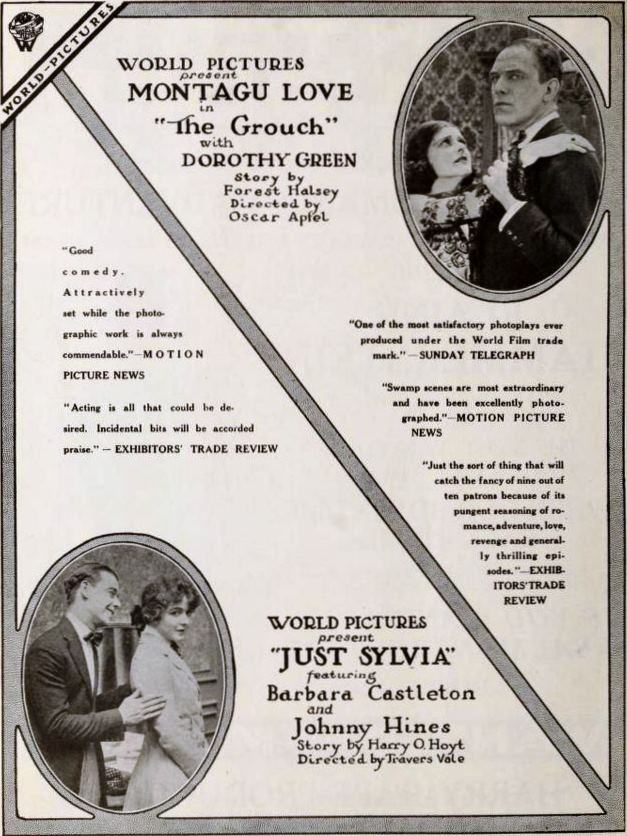
While the original Vitaphone discs are lost, contemporary festivals often commission new scores. I caught a 2022 Brooklyn revival with a bluegrass quintet—banjo providing staccato anxiety, fiddle weaving lullabies that curdle into dissonance. The absence of synchronized dialogue lets the Okefenokee’s night choir—cicadas, gators, distant thunder—serve as diegetic ambience. Suddenly every cough from the audience feels like swamp gas escaping.
The Grouch belongs to a micro-canon of Southern noirs that flourished before noir had a name. Its DNA splashes across:
Yet none of those titles dared ignite a plantation house as a means of psychic cauterization; that narrative flare would be recycled decades later in Burning Atlanta (1958) and Mudbound (2017).
Corinne and Fleurette form a dialectic of feminine survival. Corinne weaponizes beauty as commodity, trading husbands like poker chips; Fleurette wields fire as moral solvent. The film refuses to judge either exclusively—Corinne’s final plea “I only wanted safety” lands with uncomfortable sincerity. Their confrontation among crackling timbers is silent cinema’s answer to the witch-trial pyre: women rewriting justice when courts fail.
Trade papers of 1925 praised Hart’s “grizzled authenticity” but dismissed the plot as “chain-gang Melodrama.” The film underperformed in Kansas and Michigan—too Southern, too swampy—yet packed houses from Jacksonville to New Orleans where audiences recognized the smell of rotting tupelo. Today it survives only in a 35mm partial held by the Library of Congress and a 9.5 mm French abridgement titled Le Grincheux. Pray for a 2K restoration; the footage that exists hints at hues that could make Satyajit Ray weep.
The Grouch is not merely a curio for completists mining pre-code sentiment. It’s a cinematic treatise on how landscapes brand the psyche—how a swamp can teach you to distrust solid ground, how money can buy retribution yet never peace. In an era of algorithmic outrage and perpetual grudge, Donald’s arc feels eerily topical: vengeance ignites, forgiveness extinguishes, and somewhere between smoke and dawn we decide which story we’ll inhabit.
Seek it out at any archive festival; if unavailable, lobby your local cinematheque. Bring live musicians, let the banjo pluck your guilt, let the cello bow your mercy. Walk home smelling phantom moss, half-afraid your own heart might harbor an Okefenokee of grievance—and half-hopeful a Fleurette might yet wander out of the mist to set it ablaze.
IMDb —
1919
Community
Log in to comment.