DbcultAccessing Vault...
6.5/10
Senior Film Conservator
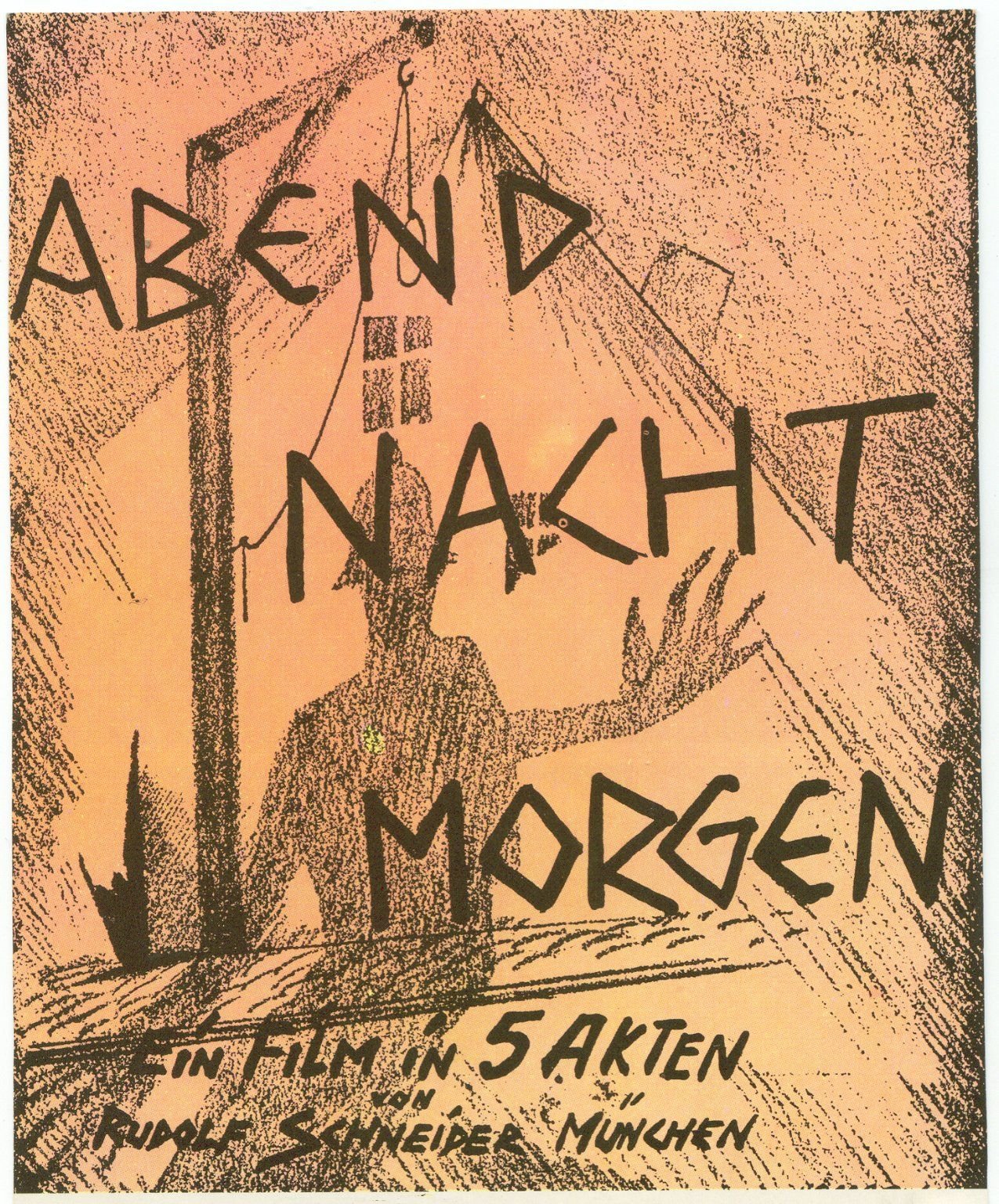
A definitive 6.5/10 rating for a film that redefined the boundaries of cult cinema. Evening - Night - Morning remains a cornerstone of transgressive art.
To witness the 1920 cinematic relic Evening - Night - Morning is to step into a pre-Expressionist fever dream that anticipates the psychological density of Weimar cinema's zenith. While many critics reflexively pivot to the more celebrated works of the era, this specific collaboration between Rudolf Schneider and the legendary Conrad Veidt offers a visceral examination of the parasitic relationship between capital and desire. The film does not merely tell a story; it architecturally constructs a trap for its protagonists, utilizing the three phases of the day as a metaphor for the inevitable decay of human integrity when subjected to the pressures of the 'demimonde'.
The narrative thrust centers on Cheston, a millionaire whose existence is defined by the sterility of his success. In a performance that showcases his uncanny ability to project both power and profound vulnerability, Conrad Veidt imbues Cheston with a sense of tragic isolation. Much like the characters we see grappling with the weight of existence in Lost in Darkness, Cheston is a man seeking a genuine connection in a landscape where everything—and everyone—is a commodity.
Gertrude Welcker’s portrayal of Maud is a masterclass in silent-era pathos. Maud is not the typical femme fatale of the noir tradition; she is a victim of her own social proximity to the underworld, a woman whose beauty is her only currency and her greatest liability. Her brother, Brilburn, played with a chilling, serpentine opportunism by Carl von Balla, represents the rot at the heart of the social ladder. Brilburn is the shadow that follows the light of Cheston’s wealth, a man who sees his sister not as kin, but as a lever to pry open the millionaire’s coffers.
The central conflict—the demand for an expensive pearl necklace—serves as the film's moral fulcrum. Unlike the aspirational struggles found in The Price of Happiness, where the acquisition of wealth is framed through a lens of societal advancement, here the pearls are a weight that drags the characters into the abyss. The necklace is a physical manifestation of the 'Night' phase of the film: cold, hard, and reflective of the darkness surrounding it.
The aesthetic choices in Evening - Night - Morning are remarkably sophisticated for 1920. The use of space within Cheston's mansion creates a sense of agoraphobic dread. The high ceilings and sprawling corridors do not suggest freedom, but rather the vast, empty distances between people. This visual strategy is reminiscent of the haunting atmospheric work in Sea Sirens, where the environment itself becomes an active antagonist.
The lighting transitions are particularly noteworthy. As the film moves from the soft, diffused glow of the 'Evening' into the stark, high-contrast shadows of the 'Night', the cinematography begins to mirror the psychological disintegration of the cast. We see the influence of early expressionism taking root—the way a shadow falls across Brilburn’s face reveals more about his character than any intertitle ever could. It is a precursor to the jagged, distorted realities explored in Human Clay.
Conrad Veidt remains one of the most enigmatic figures of the silent screen. In this film, his physicality is transformative. He possesses an elongated, almost spectral presence that seems to vibrate with an internal tension. When he presents the necklace to Maud, his expression is not one of triumph, but of a man surrendering a piece of his soul. This level of nuanced acting is often missing from the broader strokes of contemporary melodramas like Her Atonement.
Veidt’s Cheston is a man who knows he is being used, yet chooses to lean into the deception because the alternative—total loneliness—is far more terrifying. This existential dread is the engine that drives the film toward its inevitable 'Morning'. The silence of the medium amplifies the internal screams of a man who has bought everything and realized he owns nothing.
When placing Evening - Night - Morning within the broader canon of early 20th-century cinema, one cannot help but draw parallels to the socio-political anxieties of the era. The film acts as a microcosm of a collapsing aristocracy, much like the thematic undercurrents in Chains of the Past. There is a palpable sense that the old world is dying, and the new world is being born in the shadows of greed and manipulation.
Interestingly, the film eschews the moralistic hand-wringing often found in The Melting Pot. Instead, it adopts a more fatalistic, almost nihilistic tone. The characters are not seeking social reform or spiritual enlightenment; they are simply trying to survive the night. This grit provides a sharp contrast to the more exoticized narratives of the time, such as A Japanese Nightingale or the sprawling vistas of Constantinople, the Gateway of the Orient.
The pearl necklace itself deserves status as a character. In the 'Evening', it represents a bridge between Cheston and Maud. By 'Night', it becomes a tether to the criminal underworld. In the 'Morning', it is the evidence of a crime that cannot be undone. This cycle of symbolic evolution is a technique rarely executed with such precision in the early 20s. It reminds one of the high stakes found in The Last of the Mafia, though here the violence is more psychological than physical.
The brilliance of Rudolf Schneider’s script lies in its economy. He doesn't waste time on superfluous subplots. Every scene is a step toward the inevitable sunrise that will expose the wreckage of the previous twelve hours. This tight narrative structure is a precursor to the modern thriller, a far cry from the episodic nature of Sleepy Sam, the Sleuth.
As the 'Morning' finally arrives, the audience is left with a profound sense of exhaustion—not from the film's runtime, but from the emotional gauntlet it demands. The resolution is not a happy one; it is a truthful one. The film suggests that while the sun always rises, it does not always bring warmth. For Cheston, Maud, and Brilburn, the morning light is merely a spotlight on their various failures.
In the landscape of silent cinema, Evening - Night - Morning stands as a towering achievement of mood and performance. It captures a specific moment in German history when the shadows were growing longer, and the brilliance of the 'Evening' was about to be swallowed by the 'Night'. It is a film that demands to be seen not just as a historical curiosity, but as a living, breathing piece of art that continues to resonate with its themes of exploitation and the high cost of human connection. If you have explored the depths of Brisem i sudim or the existential queries of Det finns inga gudar på jorden, this film is the essential next step in your cinematic journey. It is a haunting reminder that some jewels are too heavy to wear, and some nights are too long to survive unscathed.
IMDb 6.9
1931
Community
Log in to comment.