DbcultAccessing Vault...
6.7/10
Senior Film Conservator

A definitive 6.7/10 rating for a film that redefined the boundaries of cult cinema. The Eyes of Julia Deep remains a cornerstone of transgressive art.
The Eyes of Julia Deep (1920) emerges as a poignant relic from the silent film era, weaving a narrative of redemption and resilience that transcends its historical context. Directed with a delicate balance of restraint and emotional fervor, the film captures the essence of early cinematic storytelling through its nuanced character development and atmospheric settings. At its core lies Julia Deep, portrayed with subtle intensity by Mary Miles Minter, whose performance transcends the constraints of dialogue, relying instead on expressive glances and calculated physicality to convey her inner turmoil and fortitude.

Terry Hartridge, played by Allan Forrest, begins as a figure emblematic of the Roaring Twenties' excess, a man whose fortune has crumbled beneath the weight of his vices. His initial encounter with Julia—a moment steeped in desperation and saved from self-destruction—forms the bedrock of the film's emotional architecture. This pivotal scene, shot in stark chiaroscuro, underscores the duality of Terry's character: the shadow of his past hedonism contrasted against the light of Julia's moral clarity. The cinematography here is noteworthy, with long takes allowing the audience to absorb the gravity of Terry's realization and Julia's quiet resolve.
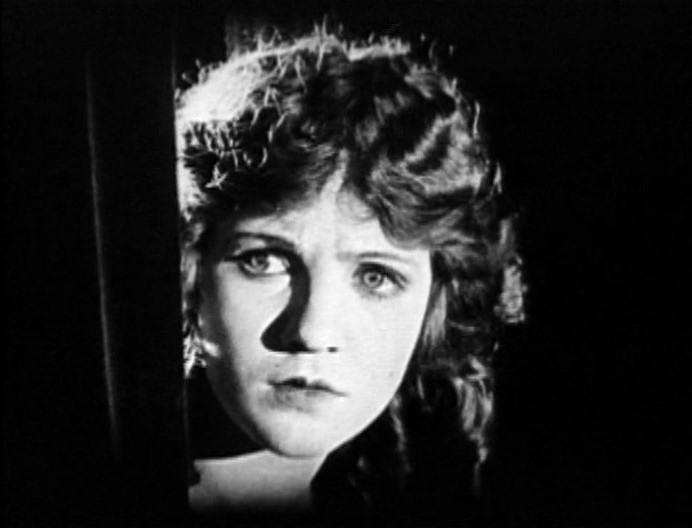
The film's setting, Mrs. Turner's boardinghouse, serves as both a microcosm of societal norms and a crucible for personal transformation. The cramped, dimly lit interiors mirror the confined existence of its inhabitants, while the bustling department store where Julia works symbolizes the promise of upward mobility and the pressures of consumerist culture. These environments are not mere backdrops but active participants in the narrative, their textures and lighting choices echoing the protagonists' emotional journeys.
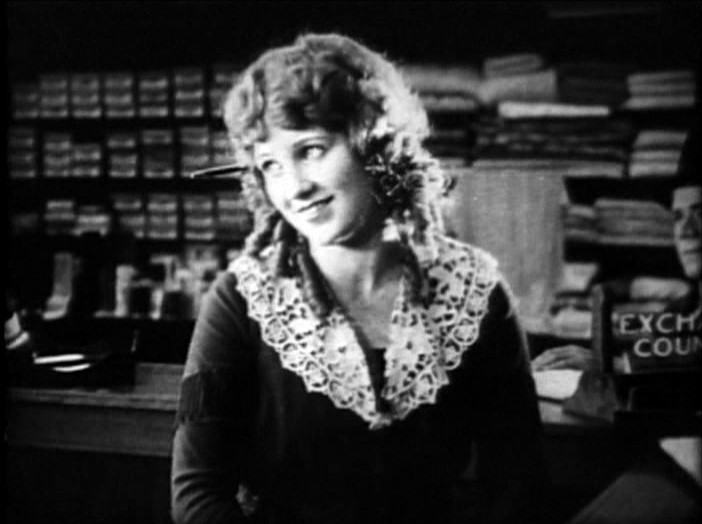
What elevates 'The Eyes of Julia Deep' beyond a simple redemption story is its exploration of interdependence. Julia and Terry's relationship evolves from one of rescuer and rescued to equals navigating the complexities of partnership. Their decision to pool resources and build a life together is a testament to the film's progressive undertones, subtly critiquing the economic precarity of the time while celebrating solidarity. The secondary characters—Mrs. Turner's disapproving gaze, Terry's ex-flame Lottie's theatrical interventions—further enrich the tapestry, each representing societal forces that seek to undermine or challenge the protagonists.

Technically, the film showcases the ingenuity of silent cinema. The use of intertitles is sparing and precise, allowing the actors' expressions to carry the narrative weight. The score, though not explicitly mentioned in the plot summary, likely enhances the emotional beats with a melancholic yet hopeful undertone. The editing, particularly in the transition from Terry's moment of crisis to his newfound purpose at Timothy Black's store, is seamless, reflecting the era's emerging mastery of narrative pacing.
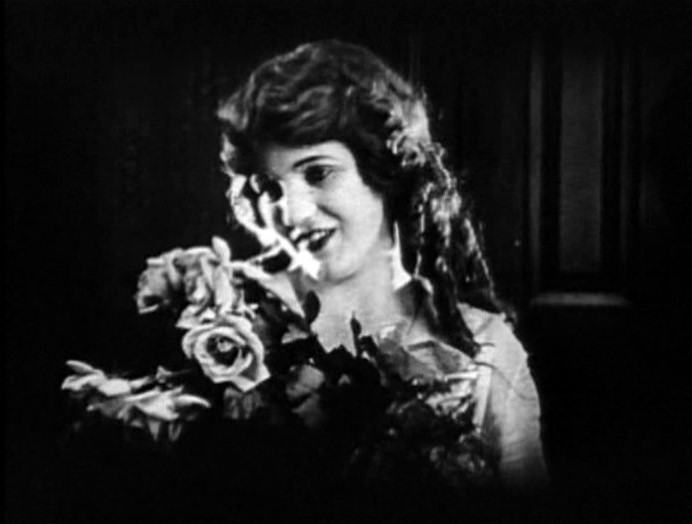
Comparisons can be drawn to other early 20th-century dramas like 'Northern Lights' and 'Purity,' which similarly grapple with themes of moral integrity and societal constraints. However, 'The Eyes of Julia Deep' distinguishes itself through its focus on the quiet strength of its female lead. Mary Miles Minter's portrayal of Julia, devoid of overt melodrama, invites parallels with modern character studies, where internal conflict is often more powerful than external action. Her chemistry with Allan Forrest is understated yet believable, a rarity in films where emotional authenticity can be overshadowed by performative excess.
The film's historical significance cannot be overstated. As a product of the silent era, it represents a time when cinema was still finding its voice, experimenting with form and narrative structure. The absence of synchronized dialogue forces a reliance on visual storytelling, a technique that 'The Eyes of Julia Deep' employs with commendable subtlety. For contemporary audiences, the film offers a window into early 20th-century social mores, particularly the gender dynamics and class struggles that shaped personal destinies.
Critics of the time lauded the film for its "sensitive portrayal of human frailty and the redemptive power of companionship." Modern analyses might critique its occasional reliance on tropes—such as the fallen man's redemption through female guidance—but the film's sincerity and craftsmanship largely mitigate such concerns. The final act, where Julia and Terry settle into a modest yet harmonious life, is a fitting denouement, emphasizing that happiness is often found in simplicity rather than grand gestures.
In the pantheon of silent films, 'The Eyes of Julia Deep' holds a special place for its blend of emotional depth and technical execution. It is a film that rewards close attention, with each frame layered with meaning. The contrast between the opulence of Terry's past and the spartan dignity of his new life is a visual metaphor for the film's central thesis: true fulfillment lies not in wealth but in the integrity of one's choices and the bonds forged with others.
For cinephiles interested in the evolution of cinema, this film is an essential viewing. It also serves as a compelling study for students of film history, illustrating the transition from theatrical storytelling to the more intimate, camera-driven narratives that would come to define the medium. The legacy of 'The Eyes of Julia Deep' is not just in its story but in its contribution to the cinematic lexicon, a lexicon that continues to evolve yet remains rooted in the innovations of its predecessors.
Those seeking similar narratives might explore 'Chris and His Wonderful Lamp' for its fantastical elements or 'The Siren's Song' for its exploration of temptation and consequence. However, 'The Eyes of Julia Deep' stands apart as a testament to the power of human connection, a theme as relevant today as it was a century ago. In an age where the complexities of individual and collective identity are more pronounced than ever, this film offers a timeless reminder of the resilience inherent in the human spirit.
IMDb 4.1
1900
Community
Log in to comment.