DbcultAccessing Vault...
Cult Review
Senior Film Conservator
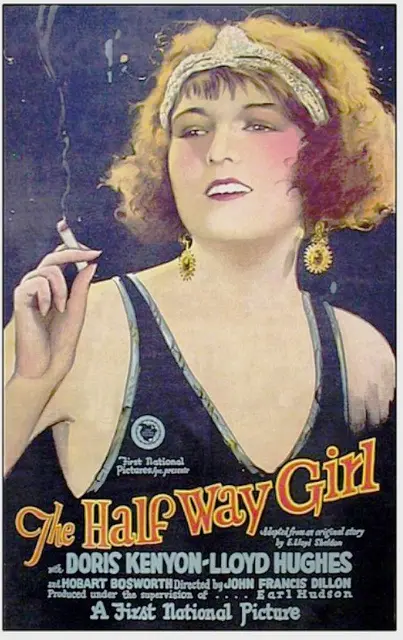
The cinematic landscape of 1925 was often defined by its ability to transmute geographical exoticism into profound psychological interiority. The Half-Way Girl, directed with a keen eye for the shadows of the human condition, stands as a testament to the era’s fascination with the 'fallen' woman and the colonial fringe. While many contemporary critics might dismiss silent-era melodramas as relics of histrionic simplicity, this particular work demands a more nuanced interrogation. It is a film that breathes through its atmosphere, utilizing the sweltering, unyielding pressure of Singapore not merely as a backdrop, but as an active antagonist that strips away the social masks of its characters.
At the heart of this narrative labyrinth is Poppy, a character whose trajectory mirrors the precariousness of the creative spirit in a mercantilist world. When her theatrical troupe dissolves, the transition from the boards of the stage to the floor of a seedy bar is depicted with a jarring lack of sentimentality. The Branded Woman explored similar themes of social ostracization, but where that film relied on a more traditional moral framework, The Half-Way Girl leans into the visceral grime of the waterfront. The bar scenes are masterfully lit, capturing the flicker of lanterns against sweat-slicked brows, creating a visual language of exhaustion that precedes the actual conflict.
The introduction of the down-on-his-luck Englishman (Lloyd Hughes) provides the catalyst for the film's shift into noir territory. His character is a portrait of colonial decay—a man who has lost his compass and finds it again only through the violent necessity of survival. The fight sequence, which results in a fatal blow delivered in self-defense, is choreographed with a frantic energy that belies the technical limitations of the mid-twenties. It is here that the film’s moral ambiguity begins to crystallize. Poppy’s decision to shield a killer is not born of a grand romantic gesture, but rather a recognition of a shared marginalization. They are both 'half-way' people, caught between the lives they once led and the oblivion that threatens to consume them.
Enter Hobart Bosworth as Sam, the shady plantation owner. Bosworth, a titan of the silent screen, imbues Sam with a terrifyingly quiet authority. He does not need to twirl a mustache to signal his villainy; it is present in the way he occupies space, the way his eyes linger on Poppy with a proprietary coldness. His plantation, far from being a refuge, is portrayed as a feudal estate where the laws of the city are replaced by the whims of a single man. The tension between Sam’s outward offer of assistance and his underlying machinations provides the film’s most gripping sequences. This dynamic echoes the isolation found in The Isle of the Dead, where physical confinement mirrors psychological entrapment.
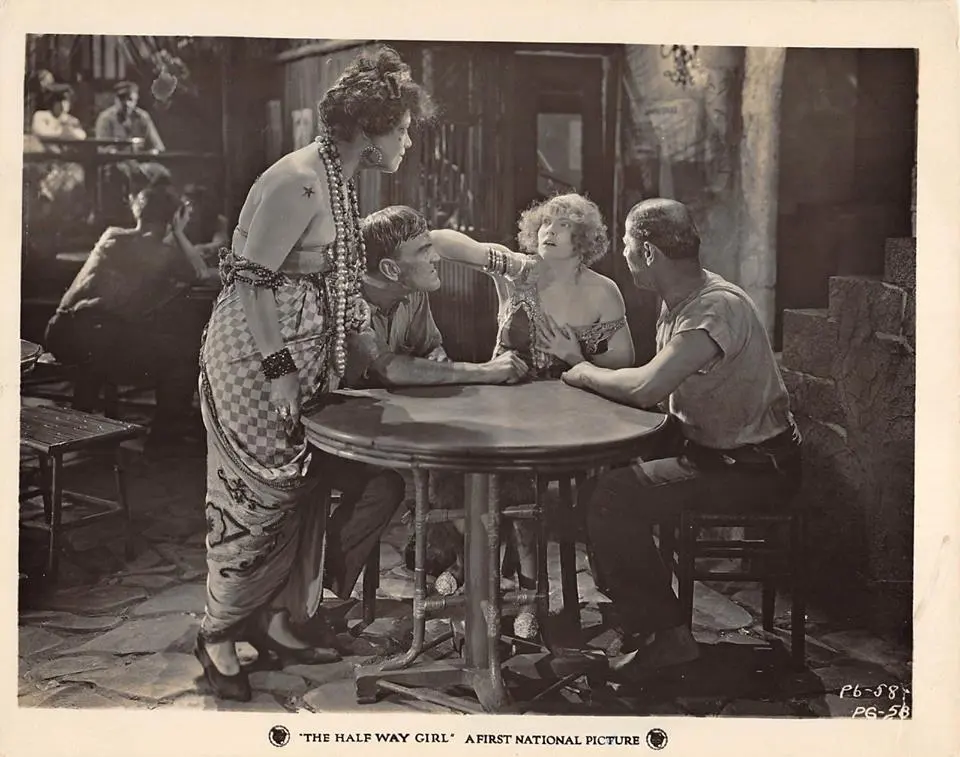
The screenplay, penned by the formidable trio of E. Lloyd Sheldon, Joseph F. Poland, and Earle Snell, avoids the pitfalls of repetitive dialogue (or rather, title cards). Instead, it allows the subtext to flourish within the silences. The dialogue cards are sparse, used only to punctuate the mounting dread. There is a specific sequence where Sam attempts to isolate Poppy from her fugitive companion that serves as a masterclass in suspense. The use of deep focus—or the silent era's equivalent through clever blocking—allows the viewer to see the Englishman lurking in the shadows of the veranda while Sam exerts his influence in the foreground. It is a visual representation of the protagonist’s split loyalties and her narrowing options.
One cannot discuss The Half-Way Girl without acknowledging the sheer lexical diversity of its visual compositions. The cinematography moves from the claustrophobic, horizontal lines of the Singaporean docks to the sprawling, vertical dominance of the plantation’s flora. This shift in scale reflects Poppy’s changing status—from a woman crushed by the city to a woman being swallowed by the wild. The film’s pacing is deliberate, eschewing the frantic cuts of contemporary action for a slow-burn approach that allows the dread to marinate. It shares a certain stylistic DNA with Trapped by the London Sharks, particularly in its depiction of the predatory nature of the urban environment.
The supporting cast, including Tully Marshall and Doris Kenyon, provides a rich tapestry of human frailty. Marshall, in particular, delivers a performance that is both pathetic and repulsive, embodying the parasitic elements of the colonial outpost. Kenyon’s performance is the film’s emotional anchor. She possesses a rare ability to convey complex internal monologues through subtle shifts in her posture and the micro-expressions of her eyes. She is not a damsel in distress; she is a strategist. Her interactions with Sam are a high-stakes game of chess, where she uses her perceived vulnerability as a shield.
The film touches upon the 'Half-Way' motif in multiple dimensions. It refers to the geographical midpoint of Singapore, a crossroads of empires and identities. It refers to the social status of the characters—neither fully respectable nor entirely criminal. But most importantly, it refers to the moral state of the protagonists. They are in a purgatorial space, waiting for a chance to either ascend back to 'civilization' or descend into the abyss. This thematic depth is what elevates the movie above its contemporaries like Broadway Gold, which often favored spectacle over substance.
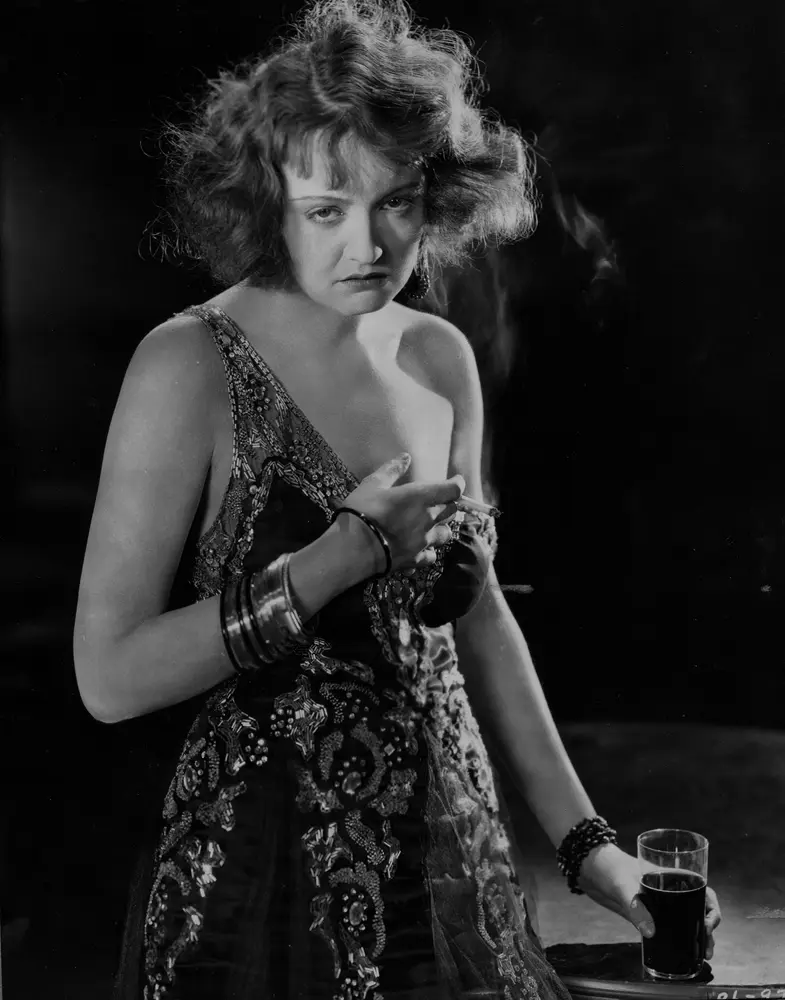
In the final act, the film’s tension boils over into a confrontation that is as much about class and power as it is about romantic jealousy. Sam’s refusal to allow Poppy any agency is the ultimate expression of his character’s pathology. The Englishman’s return to save her is not merely a plot device, but a necessary reclamation of his own humanity. By choosing to risk his life for Poppy, he transcends his status as a 'down-on-his-luck' drunk and becomes a man of action once more. The resolution is bittersweet, acknowledging that while they may escape Sam’s plantation, the scars of Singapore and the memory of the man killed in that bar will follow them forever.
To view The Half-Way Girl today is to witness the birth of tropes that would later define the film noir and the tropical thriller. It is a work of significant artistic ambition that manages to balance its melodramatic impulses with a gritty, realistic undercurrent. The collaboration between the writers and the cast results in a cohesive vision of a world where the sun is as much a threat as the shadows. While it may not have the name recognition of other silent classics, its influence is palpable in the way it handles the themes of exile and redemption.
The film’s legacy is preserved in its refusal to offer easy answers. It doesn't shy away from the ugliness of its setting or the flaws of its heroes. It is a sophisticated piece of storytelling that utilizes the unique strengths of the silent medium—the power of the gaze, the eloquence of gesture, and the evocative nature of light and shadow—to craft a narrative that remains surprisingly modern. For those interested in the evolution of the thriller, or for those who simply appreciate a well-told story of survival against the odds, this film is an essential watch. It stands alongside works like Green Eyes and The Shuttle as a fascinating example of how silent cinema navigated the complexities of the human heart in an ever-changing world.
Ultimately, the brilliance of this production lies in its restraint. It allows the humidity of the Singaporean night to seep into the viewer's consciousness, creating a sense of immersion that few films of any era manage to achieve. It is a haunting, beautiful, and profoundly cynical piece of art that deserves a prominent place in the pantheon of silent cinema. The performances, particularly those of Kenyon and Bosworth, are timeless, reminding us that the core of cinema has always been the human face and the secrets it tries to hide.
IMDb —
1919
Community
Log in to comment.