DbcultAccessing Vault...
6.6/10
Senior Film Conservator
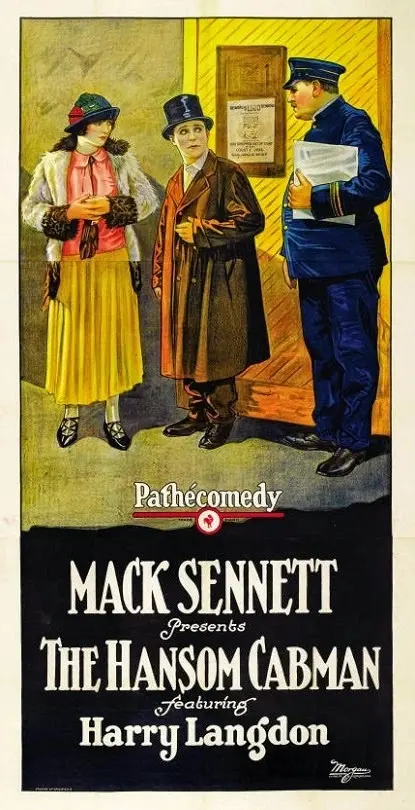
A definitive 6.6/10 rating for a film that redefined the boundaries of cult cinema. The Hansom Cabman remains a cornerstone of transgressive art.
In the early days of cinema, films often served as a canvas for exploring profound human emotions and societal issues through intricate narratives. 'The Hansom Cabman', directed by an anonymous filmmaker, stands as a testament to this era's artistic ambition. Set in the bustling cityscape of the early 20th century, the film revolves around the protagonist, Harry, who finds himself in an incredibly complex and confounding situation on the morning of his wedding day.
Harry, played by the charismatic Thelma Hill, awakens with a harrowing hangover, a stark reminder of his night of debauchery. However, his world takes an even more shocking turn when a woman, dressed in an enigmatic and captivating manner, enters his room and declares that she is his wife. This revelation sets off a chain of events that not only disorients Harry but also confounds and angers his fiancée and her mother, leading to a chaotic and ultimately tragic sequence of events that culminate in his arrest.
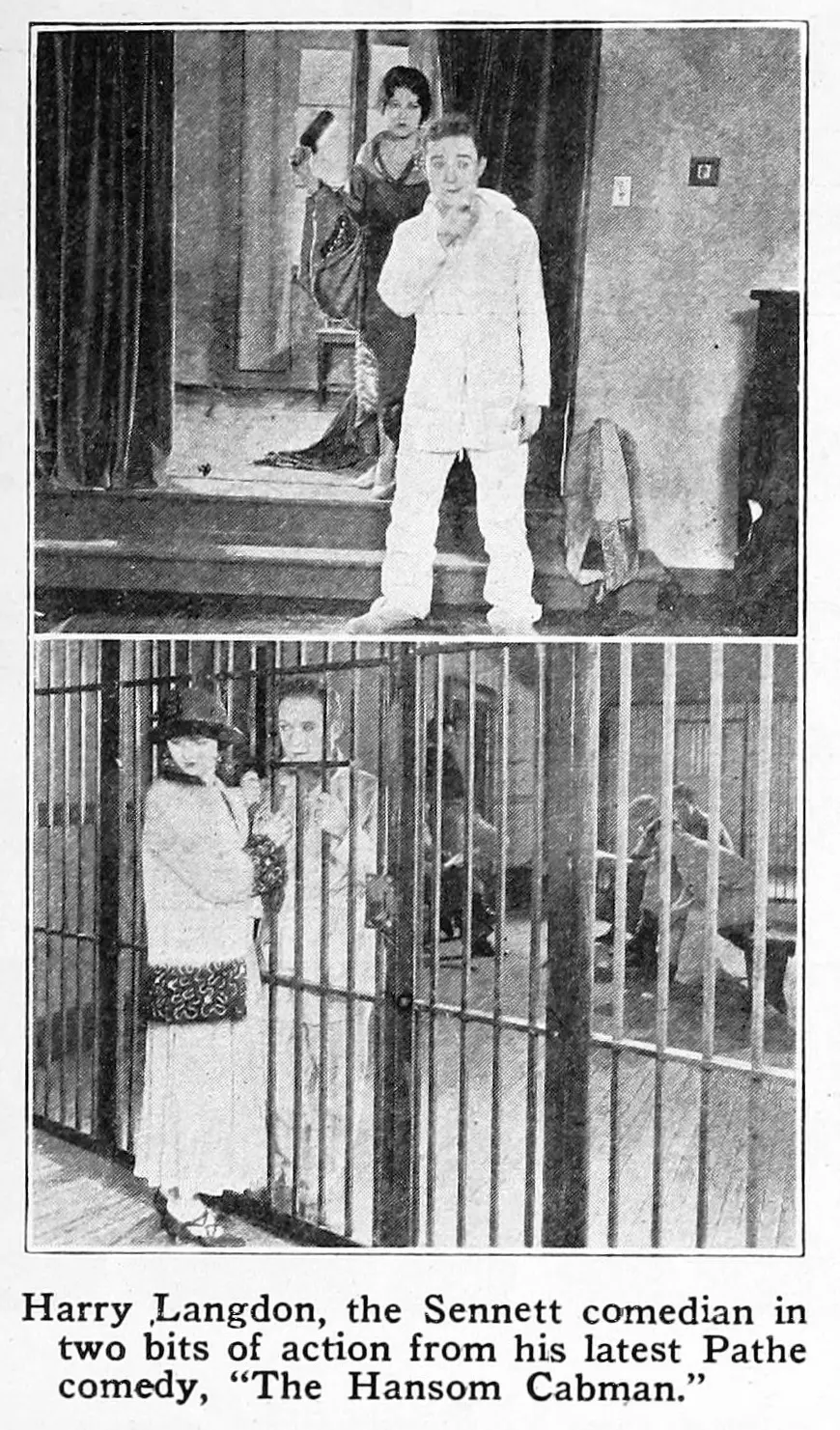
The film's narrative is a masterclass in suspense and intrigue. The director employs a series of flashbacks and fragmented sequences to unravel the mystery of how Harry and the woman ended up in this predicament. The cinematography, a hallmark of silent films, utilizes close-ups and medium shots to capture the intense emotions of the characters, particularly Harry, as he grapples with the reality of his situation.
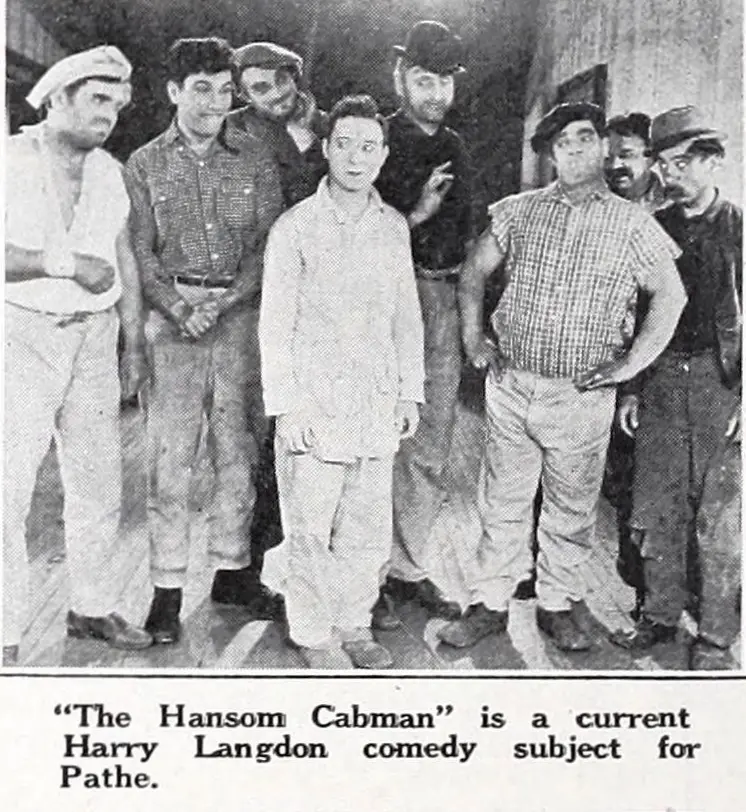
The performances are commendable, with Thelma Hill delivering a nuanced and compelling portrayal of a man torn between his past and his future. Charles Force, as the fiancée, and Andy Clyde, as the mother, add depth to the story through their reactions and interactions with Harry. The supporting cast, including Madeline Hurlock and William Blaisdell, further enrich the narrative with their well-crafted performances.
Thematically, 'The Hansom Cabman' explores the thin line between reality and illusion, memory and identity. The film challenges the audience to question what constitutes truth and how our actions, no matter how fleeting or foolish, can have profound and enduring consequences. This exploration is particularly poignant given the societal norms and expectations of marriage and fidelity at the time the film was produced.
Comparatively, 'The Hansom Cabman' shares thematic similarities with other silent films of its era. For instance, 'Reported Missing' and 'Prima Vera' also delve into the complexities of identity and memory, albeit in different contexts and settings. However, 'The Hansom Cabman' stands out with its intricate plot and psychological depth, making it a standout in the genre.
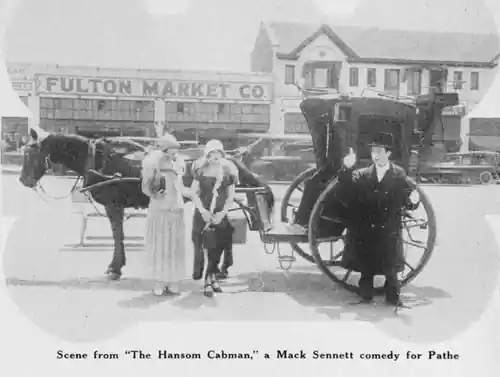
Technically, the film is a fascinating piece of early cinema. The use of lighting and shadow, a crucial aspect of silent films, is employed effectively to create mood and atmosphere. The transition from the intimacy of the bedroom to the public spaces of the city, symbolizing the shift from the private to the public, is executed with precision. The use of the hansom cab, a common mode of transportation in the early 20th century, serves not only as a backdrop but also as a metaphor for the journey of the protagonist from confusion to clarity.
While the film is undoubtedly a product of its time, its timeless themes and compelling narrative make it a worthy watch for both film enthusiasts and those interested in the evolution of storytelling. 'The Hansom Cabman' is a reminder of the power of cinema to provoke thought, evoke emotion, and challenge our understanding of the world around us.
IMDb 6.4
1919
Community
Log in to comment.