DbcultAccessing Vault...
Cult Review
Senior Film Conservator
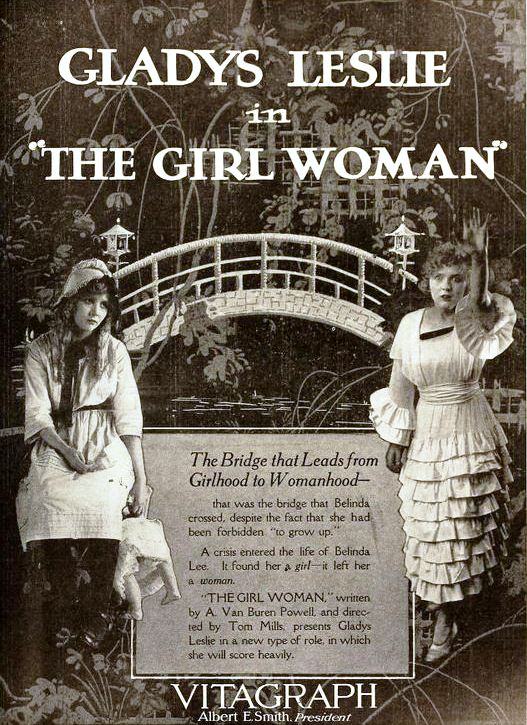
In the grand tapestry of early cinema, where narratives often painted in broad strokes held audiences captive, a film like "The Girl-Woman" emerges as a surprisingly nuanced and deeply resonant piece. Released in an era when motion pictures were rapidly evolving from mere novelties to sophisticated storytelling mediums, this particular offering stands as a testament to the power of silent film to convey complex emotional landscapes and societal critiques without uttering a single spoken word. It’s a compelling drama that delves into themes of youth, justice, rebellion, and the unexpected intersections of fate, all presented with a dramatic flair characteristic of its time yet possessing a timeless quality that continues to intrigue.
At its heart, "The Girl-Woman" is a character study, primarily focusing on Belinda, portrayed with a captivating blend of youthful defiance and burgeoning maturity by the inimitable Gladys Leslie. Leslie, a prominent figure in silent cinema, was known for her expressive eyes and ability to convey a myriad of emotions with subtle gestures, a skill that would have been absolutely crucial in bringing Belinda to life. Here, she embodies the universal struggle of adolescence – the yearning for autonomy, the frustration with being underestimated, and the desperate desire to be seen for who one truly is, rather than who society, or in this case, a doting but perhaps overprotective father, dictates. Her performance, even through the lens of history, would undoubtedly have been a magnetic force, grounding the film’s dramatic ambitions in a relatable human experience.
Belinda’s predicament is one that resonates deeply even today: the intelligent, spirited young woman trapped by the conventions of a small Southern village and the well-meaning but stifling control of her father, Judge Lee. Judge Lee, a figure of authority both in his home and community, likely represents the patriarchal structures that often dictated the lives of young women in that period. His perception of Belinda as a "small child" is not merely a personal quirk but a reflection of a broader societal tendency to prolong childhood for girls, delaying their entry into adulthood and agency. Belinda's frustration, therefore, is not just personal pique; it's a nascent feminist statement, a quiet but potent rebellion against circumscribed expectations. Her decision to orchestrate a "growing-up" party is a stroke of narrative genius, a tangible manifestation of her internal struggle. It’s her audacious declaration, a theatrical performance designed to shatter the infantilizing image others hold of her.
The transformation described – dressed "to the nines" in an elegant gown, with her hair and face meticulously made up – is more than just a costume change; it's a metamorphosis. It’s Belinda actively seizing control of her own image, presenting herself to the world not as a child, but as the woman she believes herself to be. This act of self-styling is a powerful symbol of independence, a deliberate step into the realm of adult presentation, challenging the very perceptions that have bound her. One can imagine the hushed gasps, the subtle disapproving glances, and perhaps the grudging admiration from the partygoers, all conveyed through the expressive pantomime of silent film actors. This scene alone would have been a pivotal moment, a visual feast of defiance and determination.
Just as Belinda’s personal drama reaches its crescendo, the external world violently intrudes in the form of Sanford, an escaped convict. His arrival is not random; it is driven by a singular, potent desire for revenge against Judge Lee, the man who sent him to prison. This plot element introduces a stark contrast to Belinda's internal conflict. While she grapples with societal expectations and personal identity, Sanford represents the harsh, unforgiving realities of justice, retribution, and the consequences of one's actions. The collision of these two narratives – Belinda’s coming-of-age and Sanford’s quest for vengeance – is where the film truly begins to weave its magic, promising a dramatic tension that would have kept audiences on the edge of their seats.

The "big surprise" alluded to in the plot summary is the narrative’s most tantalizing element. What could possibly unite or fundamentally alter the trajectories of a defiant debutante and a hardened criminal? This is where the brilliance of writers Edward J. Montagne and A. Van Buren Powell shines through. Their ability to craft a scenario where two seemingly disparate individuals are brought together under extraordinary circumstances, leading to an unexpected mutual revelation, speaks volumes about the sophisticated storytelling prevalent even in early cinema. Perhaps Belinda, in her newly declared womanhood, displays an unexpected courage or empathy that disarms Sanford. Or perhaps Sanford, confronted by Belinda’s vulnerability or strength, sees beyond his thirst for revenge, recognizing a shared humanity or a reflection of his own lost innocence. This element of surprise is what elevates "The Girl-Woman" beyond a simple melodrama, hinting at deeper psychological currents.
While Gladys Leslie’s portrayal of Belinda would undoubtedly be the film’s anchor, the supporting cast plays a crucial role in building the world and escalating the drama. Actors like Walter Horton, Joseph Burke, Maurice Costello, Frank Norcross, W.E. Lawrence, Julia Swayne Gordon, and Priestly Morrison would have contributed to the rich tapestry of character and emotion. In silent films, every gesture, every facial expression, every movement had to convey a wealth of information that would later be handled by dialogue. The success of a film often rested on the actors' ability to project complex inner lives onto the screen, and a strong ensemble was essential for creating a believable and engaging cinematic experience. The dynamic between Judge Lee (presumably played by one of the male leads) and Belinda, for instance, would require a delicate balance of authority and underlying affection, while Sanford's menace and eventual transformation would demand a performance of considerable range.
The visual language of silent cinema is an art form unto itself. Directors and cinematographers relied on stark contrasts, dramatic lighting, and carefully composed shots to tell their stories. One can imagine the scene of Belinda’s party, bathed in the soft glow of lamps, suddenly plunged into shadow by Sanford’s intrusion. The close-ups on the characters' faces during moments of high emotion would have been particularly impactful, allowing the audience to connect directly with their internal struggles. The visual storytelling, guided by the script of Montagne and Powell, would have been paramount in communicating the nuances of the plot and the emotional arcs of its characters.
Beyond the immediate thrills of its plot, "The Girl-Woman" invites deeper contemplation on several timeless themes. The struggle for identity, particularly for young women, is central. Belinda's journey from a "girl" to a "woman" is not just about age; it's about agency, self-definition, and challenging preconceived notions. This theme resonates with other films of the era that explored female independence and societal roles, such as The Antics of Ann or even the more dramatic Maternity, which often depicted women navigating complex social landscapes.
The film also grapples with the concept of justice. Judge Lee embodies the formal, legalistic side of justice, but Sanford’s appearance forces a confrontation with its more primal, retributive aspects. The "surprise" element likely introduces a moral ambiguity, questioning whether justice is always black and white, or if empathy and understanding can play a role in its true administration. This exploration of justice, its flaws, and its unexpected manifestations, draws parallels with other films like The Flames of Justice or Going Straight, which often examined the paths of criminals and the possibility of redemption or rehabilitation. The German film Der Weg, der zur Verdammnis führt, 1.Teil - Das Schicksal der Aenne Wolter, for example, also delves into the harsh realities of fate and consequence, albeit with a different cultural lens.
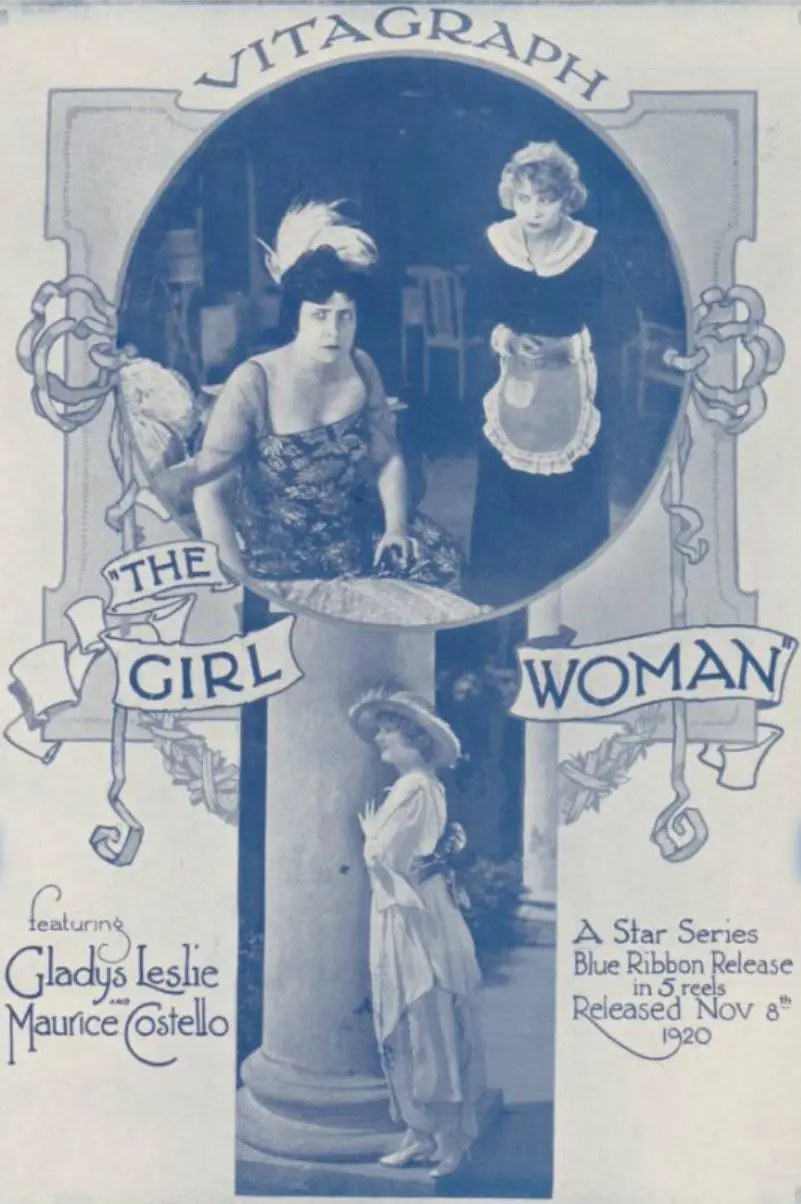
Furthermore, the film touches upon the power of perception and the breaking down of stereotypes. Belinda is perceived as a child; Sanford, as a hardened criminal. The pivotal encounter challenges these fixed identities, suggesting that people are often more complex than their labels. This theme of challenging assumptions and revealing deeper truths about characters is a hallmark of compelling storytelling and can be seen in films that explore hidden motives or societal pressures, such as The Serpent's Tooth or Hungry Eyes.
"The Girl-Woman", while a product of its time, transcends its historical context through its universal themes and masterful execution. It reminds us of the profound impact silent films had, not just as technological marvels, but as powerful vehicles for dramatic narrative and social commentary. The film's ability to create such intricate character dynamics and thematic depth without dialogue is a testament to the artistry of its creators and performers. It's a reminder that true cinematic power lies not just in what is said, but in what is shown, felt, and ultimately, understood.
For modern viewers, encountering "The Girl-Woman" offers a fascinating glimpse into the origins of cinematic storytelling. It allows us to appreciate the foundational techniques that paved the way for the complex narratives we enjoy today. More than just a historical artifact, it's a vibrant piece of art that continues to speak to the enduring human desire for self-determination, the complexities of justice, and the unexpected connections that can arise even in the most dire of circumstances. It’s a film that, despite its lack of spoken words, communicates volumes, leaving an indelible impression on those willing to listen to its silent, yet eloquent, voice.
In an era where films like A Wife's Sacrifice or Temptation explored moral quandaries and personal choices, "The Girl-Woman" carved its own niche by blending a deeply personal coming-of-age story with a thrilling, unexpected external conflict. It's a film that promises not just entertainment, but a thoughtful exploration of what it means to grow up, to face consequences, and to find unexpected common ground in a world often divided by roles and expectations. Its narrative structure, beginning with a personal rebellion and culminating in a dramatic, external threat, creates a compelling arc that speaks to the interconnectedness of individual lives and the broader societal forces at play. This film, like many of its contemporaries such as The Morals of Hilda or The House of Tears, uses personal drama to reflect on universal truths.
The nuanced performances, particularly from Gladys Leslie, would have been key to conveying the film's emotional depth. Her ability to transition from youthful petulance to determined womanhood, and then to a state of surprise or even empathy during the confrontation with Sanford, would have required immense skill. This kind of acting, dependent entirely on physical expression and subtle shifts in demeanor, is a lost art that films like "The Girl-Woman" perfectly exemplify. The creative team behind this production clearly understood the medium's capabilities, pushing the boundaries of what silent cinema could achieve in terms of character development and dramatic impact. The writers, Montagne and Powell, crafted a narrative that, while perhaps melodramatic by modern standards, contained significant psychological insight for its time, laying groundwork for future character-driven dramas. It's a testament to their vision that the premise still holds such intrigue, even a century later. The film's legacy lies in its bold attempt to weave a tale of personal growth with a high-stakes encounter, demonstrating that even in the quietest moments, the loudest statements can be made. For anyone interested in the rich history of cinema, or simply a compelling human story, "The Girl-Woman" remains a fascinating and worthwhile subject of study.
IMDb 8.2
1928
Community
Log in to comment.