DbcultAccessing Vault...
Cult Review
Senior Film Conservator
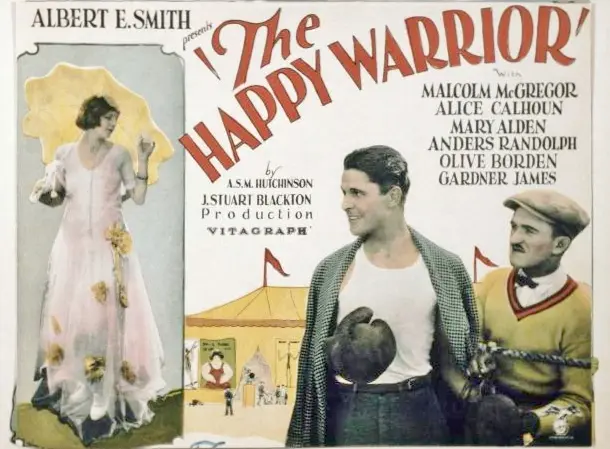
Set against the vibrant backdrop of a traveling circus, ‘The Happy Warrior’ (1925) introduces Malcolm McGregor (Jack Herrick), a seemingly ordinary performer who captures the attention of Olive Borden (Andrée Tourneur), a captivating and mysterious woman. Their romance unfolds amid the colorful chaos and camaraderie of the circus, where Malcolm's world is turned upside down when he discovers he is a titled Lord, a revelation that dramatically alters his life.
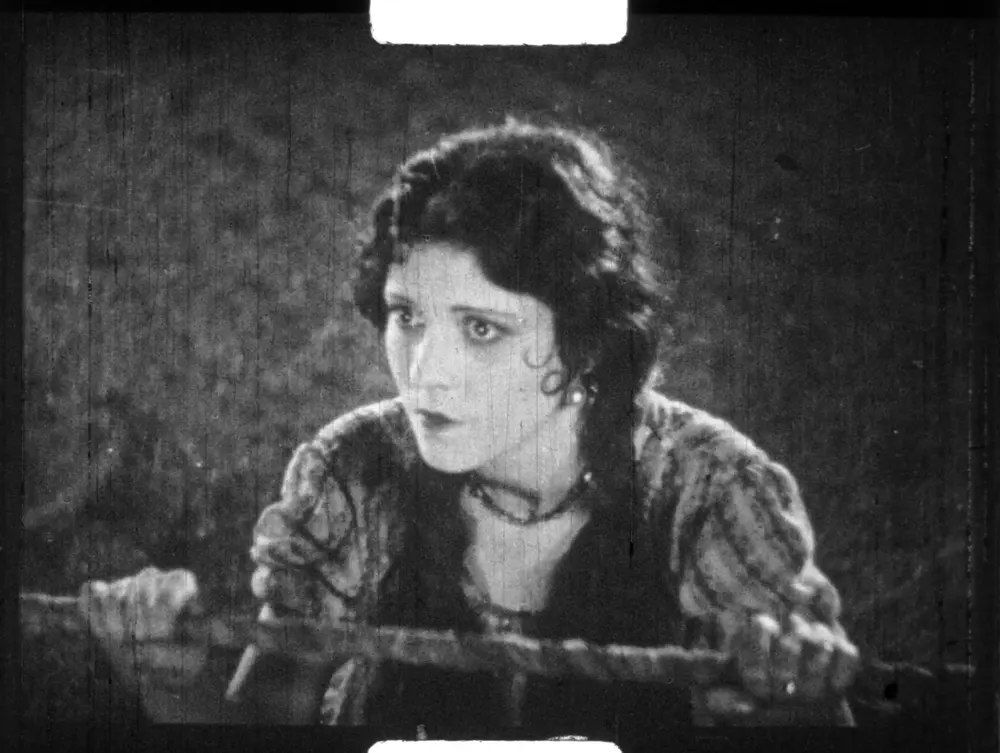
The film masterfully intertwines the comedic elements of circus life with the dramatic twists of discovering one's noble heritage. This narrative structure allows the audience to experience the full spectrum of emotions, from the joy and excitement of circus performances to the profound impact of this life-altering discovery. The characters are richly drawn, each contributing to the evolving dynamics of the story.
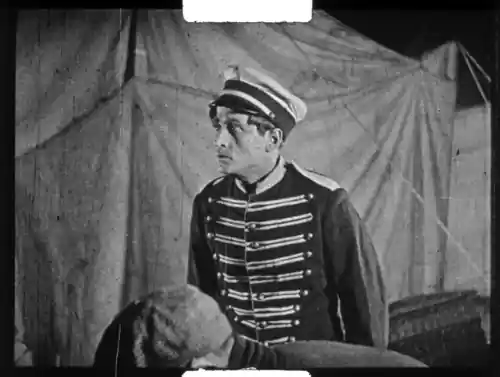
Malcolm's transformation is a central theme, reflecting the broader exploration of identity and the societal roles one inherits versus those they choose. His journey from a humble performer to a man of noble birth is not without its challenges, particularly in navigating the expectations and prejudices of both the circus and the aristocracy. Through his interactions with various characters, including his newfound family and the diverse cast of circus performers, Malcolm learns valuable lessons about honor, duty, and the true essence of happiness.
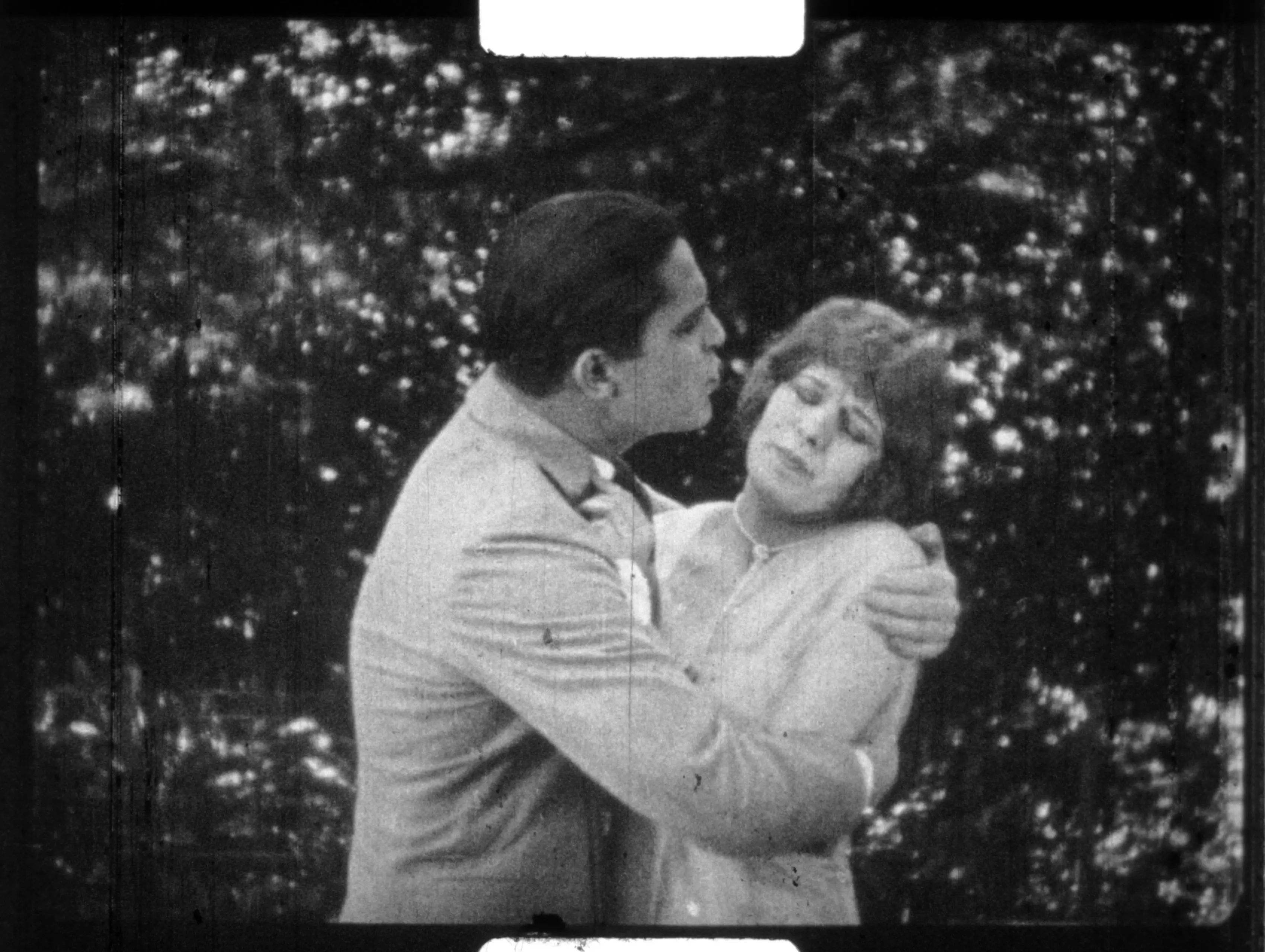
The film’s use of visual storytelling is particularly noteworthy. The circus scenes are depicted with a sense of wonder and spectacle, capturing the magic of a bygone era. The blend of silent film techniques with the occasional use of intertitles effectively conveys dialogue and narrative progress, enhancing the viewer's immersion into the story.
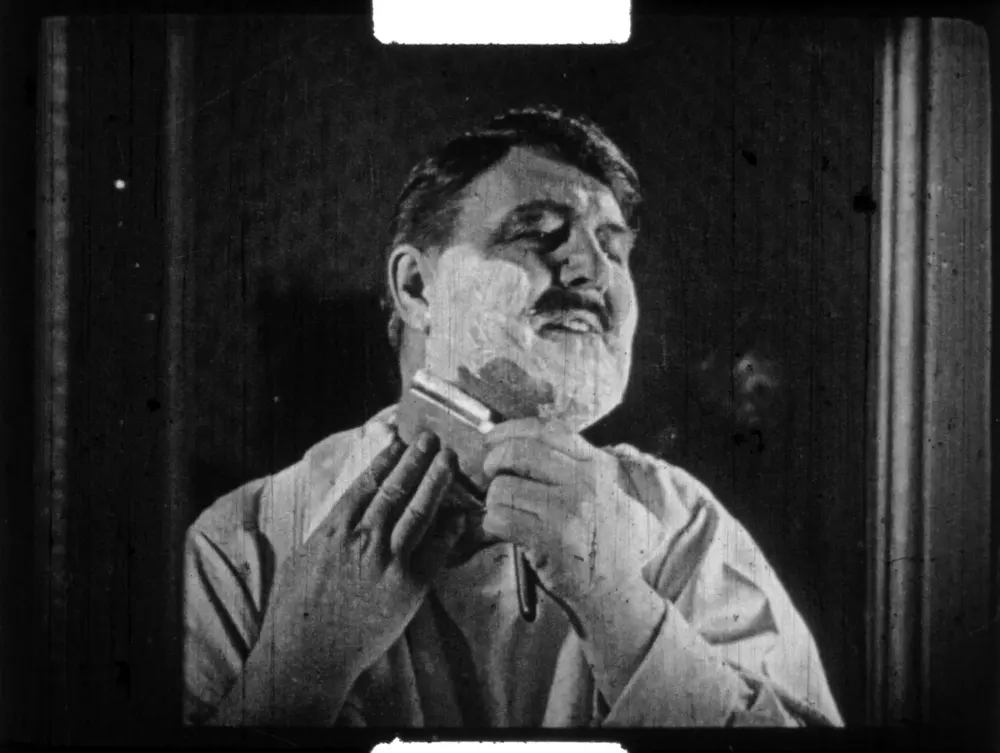
‘The Happy Warrior’ stands out as a unique piece within its genre, blending elements of romance, comedy, and social commentary. It offers a fresh perspective on the concept of nobility and the inherent values that transcend societal status. The characters are multi-dimensional, and their relationships are complex, making for a deeply engaging and emotionally resonant viewing experience.
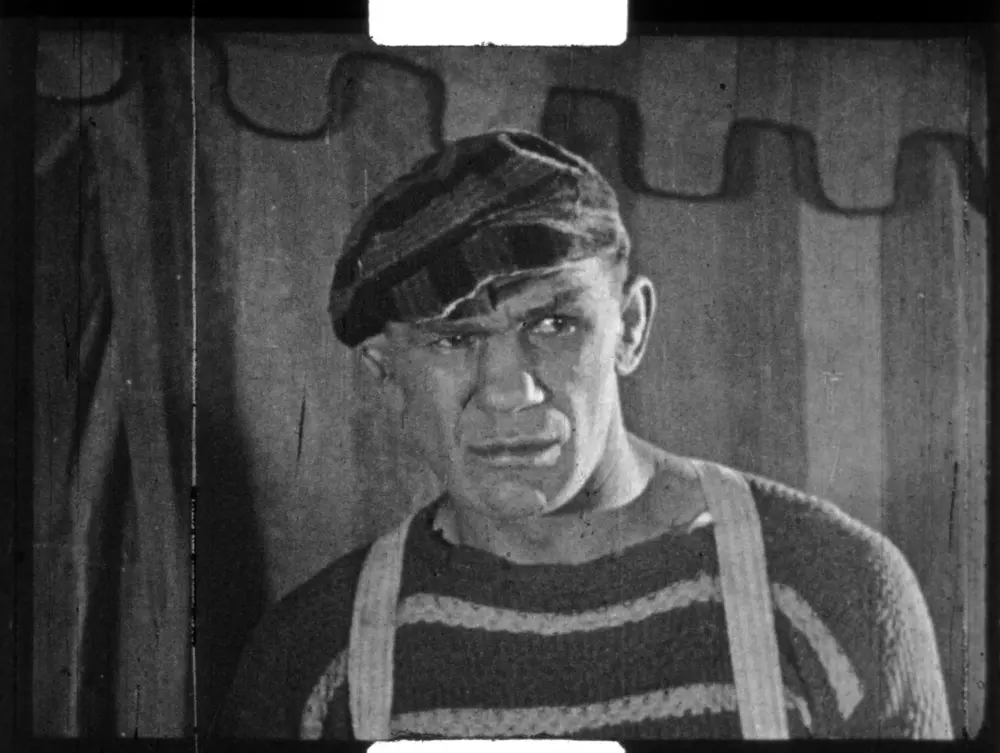
Compared to contemporaneous films such as 'All Wet' (1925) and 'Unclaimed Goods' (1925), ‘The Happy Warrior’ distinguishes itself by its more nuanced exploration of character development and the societal implications of one's background. While these films often focus on the physical and often farcical aspects of their plots, ‘The Happy Warrior’ delves into the psychological and emotional landscapes of its characters, making it a standout in its era.
The performances, particularly by Jack Herrick as Malcolm McGregor, are a highlight of the film. His portrayal captures the essence of a man grappling with unexpected change, embodying both the joy and the turmoil of his journey. The supporting cast, including Wilfrid North, Anders Randolf, and Olive Borden, also excel in their roles, adding depth and authenticity to the narrative.
Technologically, the film is a testament to the ingenuity of its time. The use of innovative camera techniques and the seamless integration of the circus setting contribute to a visually stunning and captivating viewing experience. The film’s ability to balance humor, drama, and social commentary is a testament to the skill of its writers, Marian Constance Blackton and A.S.M. Hutchinson, who masterfully crafted a story that resonates across generations.
‘The Happy Warrior’ (1925) is a remarkable film that not only entertains but also challenges the viewer to consider the complexities of identity and the importance of personal integrity. It is a true gem of early cinema, deserving of recognition and appreciation for its artistic merit and its timeless themes. For those interested in exploring the rich history of silent films or those seeking a refreshing and thoughtful cinematic experience, ‘The Happy Warrior’ is an invaluable choice.
Considered alongside other notable films of the era, such as 'All Wet,' 'Unclaimed Goods,' and 'Smarty,' ‘The Happy Warrior’ emerges as a significant contribution to the genre. Its unique blend of romance, comedy, and social commentary sets it apart, making it a must-watch for film enthusiasts and history buffs alike.
Ultimately, ‘The Happy Warrior’ (1925) is a film that transcends its time, offering a poignant and humorous exploration of identity and the unexpected turns life can take. Its enduring appeal lies in its ability to connect with audiences on multiple levels, making it a classic piece of cinema that continues to captivate and inspire.
IMDb —
1930
Community
Log in to comment.