DbcultAccessing Vault...
4.3/10
Senior Film Conservator
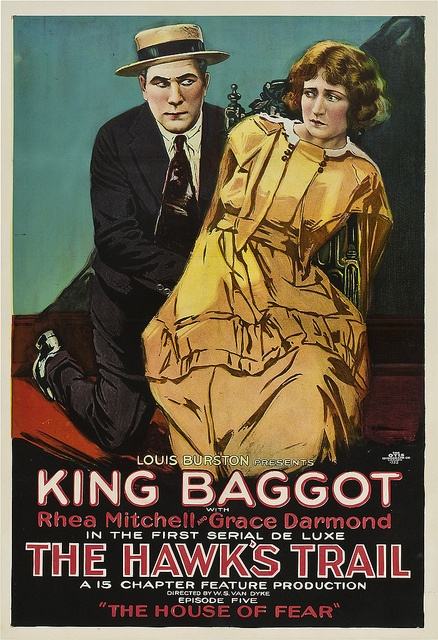
A definitive 4.3/10 rating for a film that redefined the boundaries of cult cinema. The Hawk's Trail remains a cornerstone of transgressive art.
The opening frames of *The Hawk's Trail* establish a brooding atmosphere, the camera lingering on the crumbling façade of an ancestral manor that once radiated opulence. The viewer is introduced to a charismatic interloper, portrayed by Harry Lorraine, whose polished veneer masks a ruthless agenda. By presenting a forged will, he masquerades as the long‑lost brother of the deceased landowner, a ruse that instantly destabilizes the fragile equilibrium of the estate.
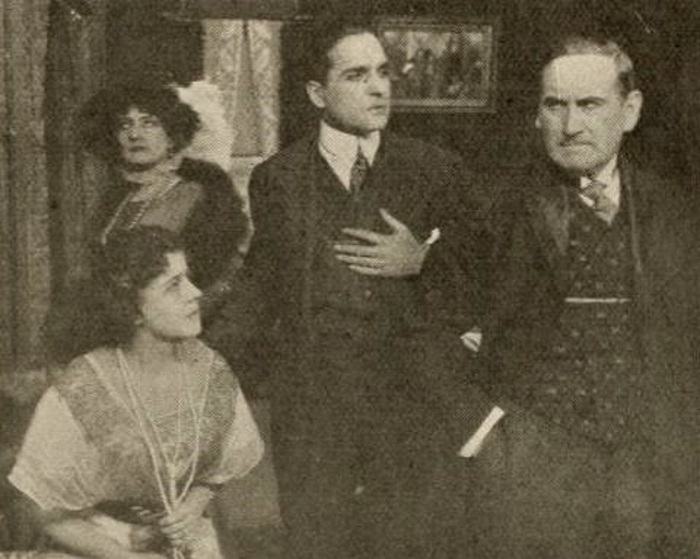
Two sisters, embodied by Louise Emmons and Grace Darmond, become the narrative’s emotional anchors. The elder, a sharp‑witted matriarchal figure, instantly senses the impostor’s duplicity, while the younger, tender and enamoured with the forger’s son (played by Carl Stockdale), is drawn into a vortex of conflicted loyalties. The film’s tension escalates as the villain orchestrates a series of machinations designed to eliminate the sisters—ranging from subtle legal maneuverings to outright physical threats.
Interspersed with moments of quiet introspection, the story navigates hidden corridors and secret chambers, each revelation peeling back another layer of deception. The climax erupts in a storm‑laden confrontation where truth, love, and vengeance collide, ultimately delivering a resolution that feels both inevitable and cathartic.
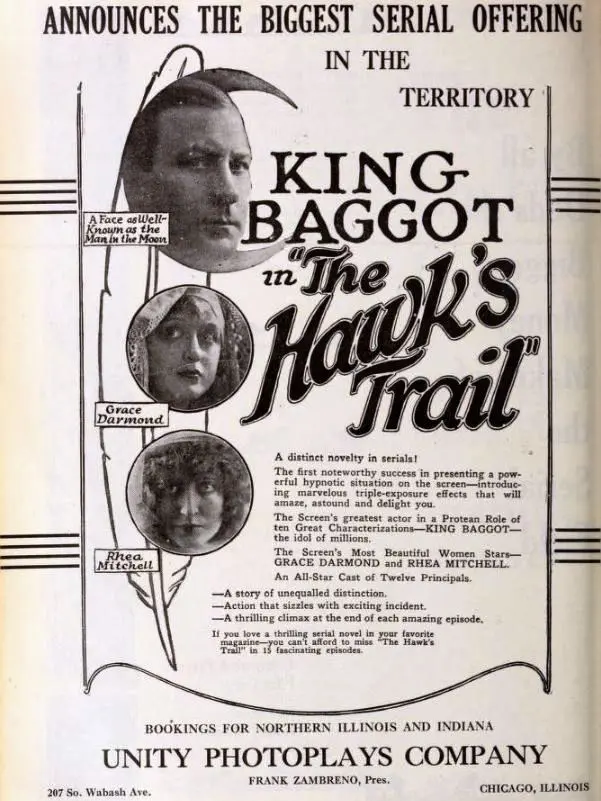
Harry Lorraine’s portrayal of the duplicitous heir is a masterclass in silent‑era nuance. His eyes, perpetually narrowed, convey a calculating intellect, while his gestures—precise, almost surgical—expose the character’s relentless ambition. Lorraine’s ability to oscillate between charm and menace without uttering a word anchors the film’s psychological tension.
Louise Emmons, as the elder sister, brings a steely resolve that counters the villain’s machinations. Her stare, unflinching and resolute, commands the screen, imbuing her character with a palpable sense of agency. Grace Darmond’s performance, on the other hand, is suffused with vulnerability; her delicate hand‑gestures and lingering glances toward Stockdale’s son articulate a love that is both tender and doomed.
Supporting actors such as Nigel De Brulier (the scheming solicitor) and George Siegmann (the loyal foreman) provide textured layers to the narrative. De Brulier’s measured diction and solemn posture lend gravitas to the legal subplots, while Siegmann’s rugged physicality reinforces the film’s thematic undercurrent of class conflict.
The directorial hand, guided by the seasoned vision of John B. Clymer and Nan Blair, crafts a visual rhythm that mirrors the story’s escalating stakes. Long, static shots linger on the manor’s decaying grandeur, allowing the audience to absorb the oppressive atmosphere. When tension spikes, the camera adopts rapid pans and tight close‑ups, emphasizing characters’ internal turmoil.
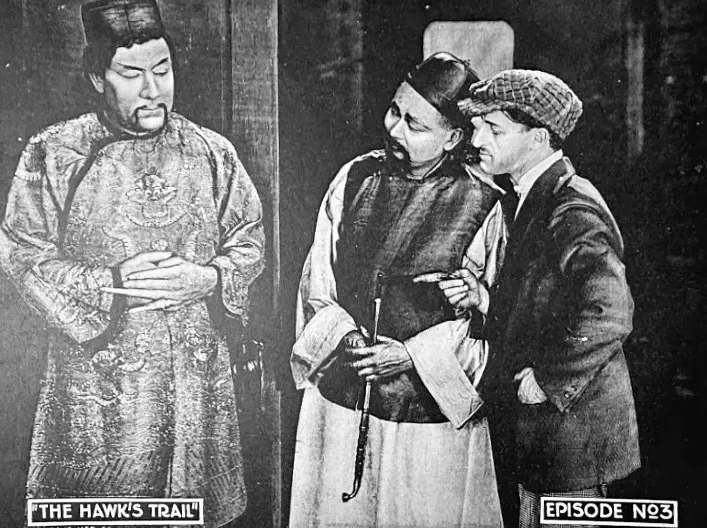
Particularly striking is the use of chiaroscuro lighting. The interplay of deep shadows against stark highlights creates a chiaroscuro tableau reminiscent of German Expressionism, a stylistic choice that heightens the sense of dread. In the climactic rain‑soaked showdown, the cinematographer employs backlighting to silhouette the protagonists, turning the storm‑laden night into a visual metaphor for the characters’ moral tempest.
At its core, *The Hawk's Trail* interrogates the corrosive nature of greed. The forged will is not merely a plot device; it symbolizes the fragility of societal structures when confronted with unscrupulous ambition. The film also delves into questions of identity—how assumed personas can destabilize entire families, and how truth ultimately reasserts itself.
Equally compelling is the film’s treatment of female agency. Both sisters, despite operating within a patriarchal framework, demonstrate decisive action. The elder sister’s investigative tenacity and the younger’s emotional courage challenge the era’s conventional gender norms, positioning the film as a subtle feminist text.
When juxtaposed with High Finance, *The Hawk's Trail* shares a fascination with financial manipulation, yet diverges in tone—where *High Finance* leans toward melodramatic excess, *The Hawk's Trail* maintains a restrained, almost clinical precision.
Similarly, the familial intrigue in The Little Duchess finds a darker counterpart here; the latter’s light‑hearted misadventures contrast sharply with the relentless, predatory scheming of Clymer’s antagonist.
In terms of narrative complexity, the film aligns with Sins of Ambition, both weaving intricate webs of deception that culminate in morally charged climaxes. However, *The Hawk's Trail* distinguishes itself through its visual austerity and its nuanced portrayal of female resilience.
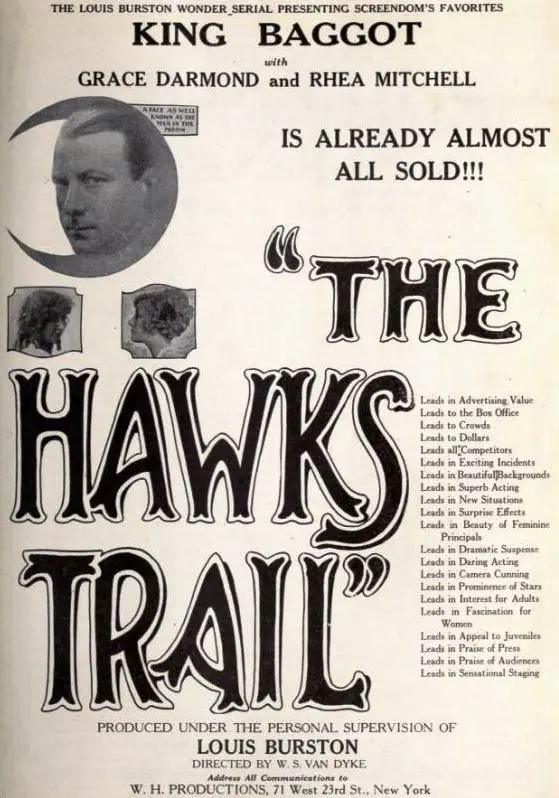
The manor itself functions as a silent protagonist. Its looming arches, cracked marble staircases, and overgrown gardens echo the decay of inherited privilege. The set designers employ a muted palette of grays and browns, allowing the occasional flash of the dark orange #C2410C in period‑appropriate furnishings to punctuate scenes of tension.
Costuming follows a similar logic. The villain’s attire—tailored in somber charcoal with subtle accents of yellow #EAB308—signals his duplicitous nature, while the sisters’ dresses, rendered in soft creams and sea blue #0E7490, embody both innocence and quiet strength.
Though a silent film, the accompanying score—performed live in many original screenings—utilizes a string quartet interlaced with mournful woodwinds. The music swells during moments of revelation, underscoring the emotional weight without overwhelming the visual narrative. The occasional percussive staccato mirrors the ticking of a clock, a subtle reminder of time’s inexorable march toward justice.
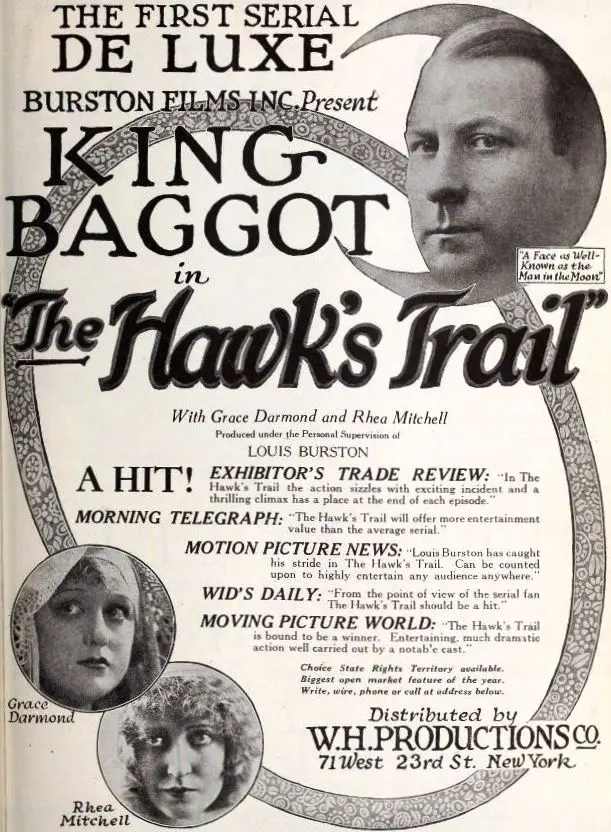
While *The Hawk's Trail* never achieved the commercial fame of contemporaries like The Forbidden City, its sophisticated storytelling and visual daring have earned it a cult following among silent‑film scholars. Recent restorations have highlighted its relevance to modern discussions about gender dynamics and the perils of unchecked ambition.
Film historians often cite it as a precursor to later noir classics, noting its early adoption of morally ambiguous protagonists and its chiaroscuro aesthetic. The film’s influence can be traced in later works that explore inheritance disputes, such as Rimrock Jones, where the tension between land, legacy, and deception remains central.
In sum, *The Hawk's Trail* stands as a testament to the power of silent cinema to convey intricate narratives without reliance on dialogue. Its layered performances, meticulous direction, and thematic depth render it an essential viewing for enthusiasts of early twentieth‑century film. The movie invites repeated viewings, each revealing new nuances in its portrayal of greed, identity, and the indomitable spirit of its female protagonists.
IMDb 7.6
1913
Community
Log in to comment.