DbcultAccessing Vault...
Cult Review
Senior Film Conservator
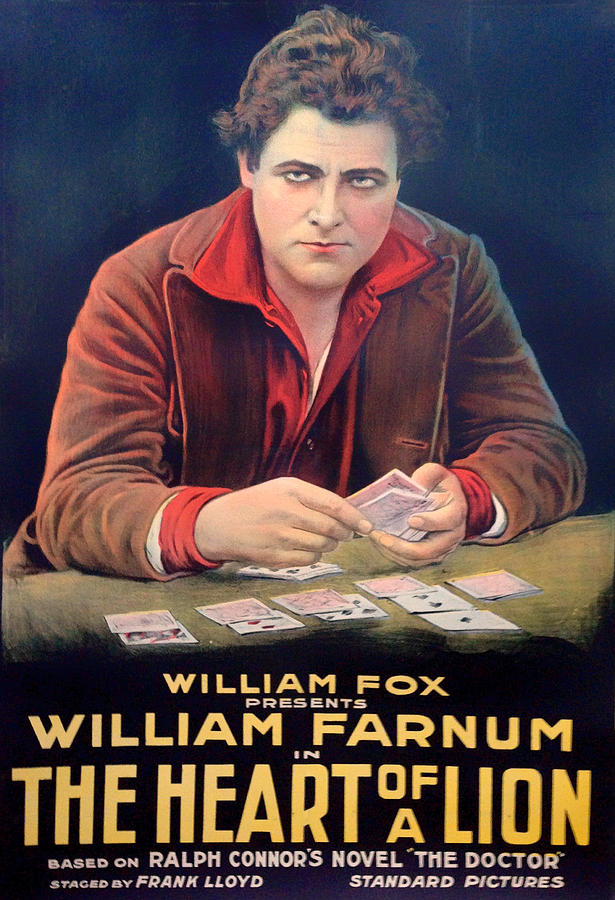
Frank Lloyd’s 1919 cedar-scented epic arrives like a half-remembered hymn whistled through splinters: equal parts psalm and sawdust, equal parts scripture and sin.
The film’s prologue roots itself in ochre farmland, photographed with a luminosity that makes every wheat blade resemble a struck match. Barney Kemper—embodied by William Farnum with shoulders that seem hewn from the very elm he chops—never utters a syllable on the intertitles that isn’t freighted with biblical cadence. Notice how the iris-in on his mud-caked boots repeats later when he stands in the nave of a makeshift forest chapel: a visual rhyme that converts soil into sacred space.
Dick’s collegiate debauchery is rendered in chiaroscuro so voluptuous you can almost smell the bourbon lacquering the piano keys.
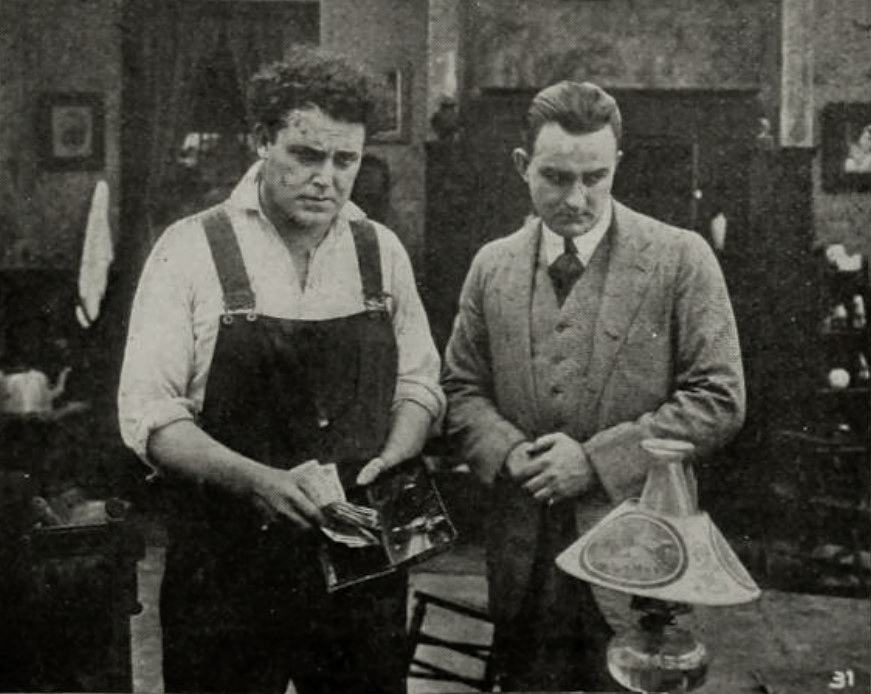
Enter Margaret Danford, played by Mary Martin with eyes that hold the weary glint of someone who has already read the last page of your tragedy and chooses to love you anyway. She slips Barney a second-hand copy of Idylls of the King; the book itself becomes a relic—its pages flutter like dove wings whenever Barney’s faith wavers. In a lesser film this would be mere prop; here it is synecdoche for every autodidact who ever clawed toward light through ink and lamplight.
She is filmed in double-exposure halo, a trick that silently announces: this one will ghost you. Barney’s infatuation is shot from a low angle so that the actress looms like a paper moon—beautiful, distant, flammable. The moment he discovers her in Dick’s arms, Lloyd cuts to a thunderous close-up of a hand crushing a pocket-watch: time murdered in one squeeze.
The westward exodus unfolds on a real lumber-camp location—rare authenticity for 1919. Cinematographer William Fildew lets the camera linger on a colossal felled sequoia; its rings resemble topographical maps of old wounds. Barney’s axe work is intercut with scripture verses on intertitles, forging a dialectic between destruction and redemption that feels almost Eisensteinian avant la lettre.
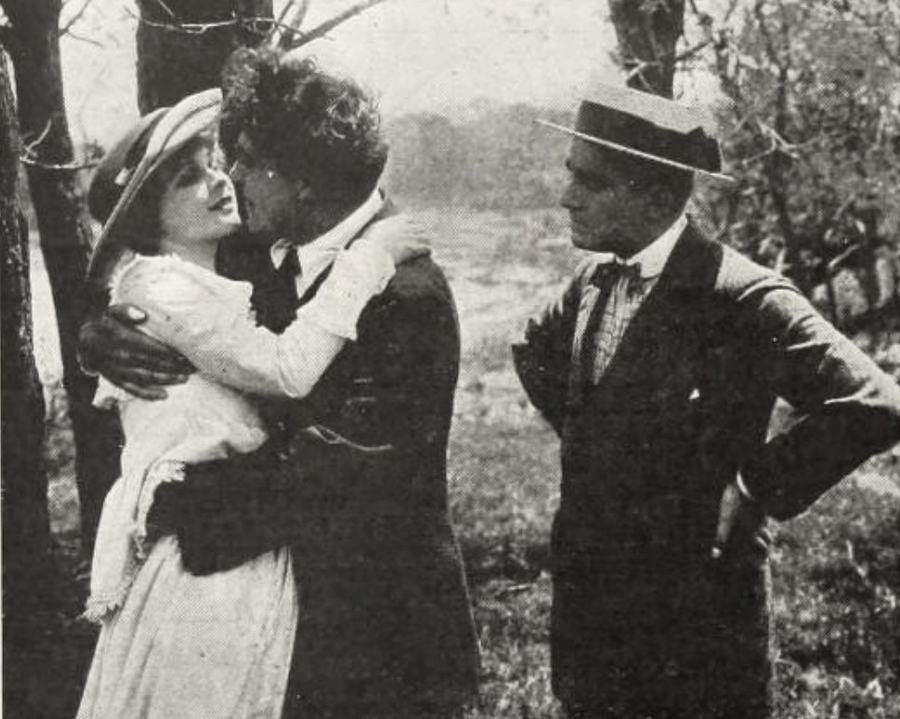
Dick’s reformation could have slid into mawkish territory; instead, Marc B. Robbins plays him with the twitch of a man who trusts grace but fears gravity.
When Dick’s ministerial appointment returns him to Barney’s frontier purgatory, the brothers’ reunion is staged in a bunkhouse whose rafters drip with candle tallow. No words, only glances: a whole concordance of regret exchanged in the time it takes a pine knot to pop in the stove.
Walter Law plays him like a man who has memorized every cruelty in Leviticus and discarded the mercy. The saloon-girl frame-up is shot through beveled glass, distorting faces into gargoyles; morality becomes fun-house reflection. When Tex fires the fatal bullet, Lloyd rejects melodramatic thunder, opting for the hush of snow-muffled gunpowder—death as anti-climax, which paradoxically feels more obscene.
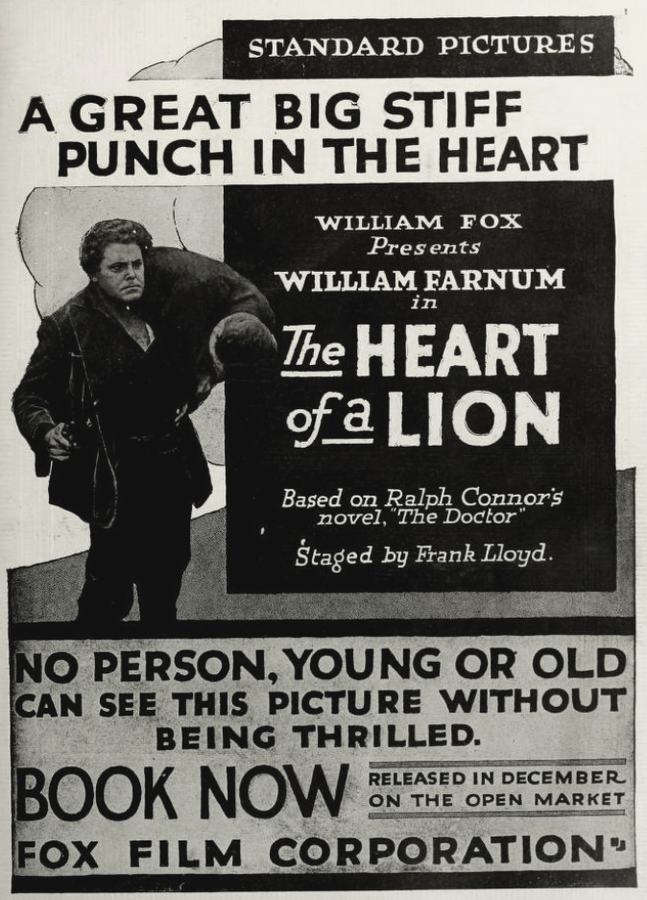
Barney’s climactic sermon, delivered in a rough-hewn chapel fragrant with pine tar, is intercut with Tex stalking outside among cross-shaped tree stumps. The montage crescendos until Barney’s voice (via intertitle) quotes “I will lift mine eyes unto the hills”—at which point Tex bursts in, only to meet the avenging shepherd. The murder happens off-frame; we see Barney’s face illuminated by muzzle-flare, a momentary sun that scorches his soul.
Margaret’s hospital subplot—often trimmed in reissue prints—deserves restoration. She negotiates with hard-bitten lumberjacks using a mixture of scripture and iodine, forging a makeshift ward from sap-stained canvas. Note the feminist undertow: a woman building civilization with nothing but conviction and gauze.
Farnum’s eyes—cavernous, charcoal-smudged—carry the weight of Greek tragedy without the mask. In the coda, when he and Margaret stand over Dick’s grave, the camera retreats until the two become miniature against a cathedral of redwoods: humans dwarfed by creation yet enlarged by love. It is one of the earliest examples in American cinema of the extreme long shot as spiritual punctuation.
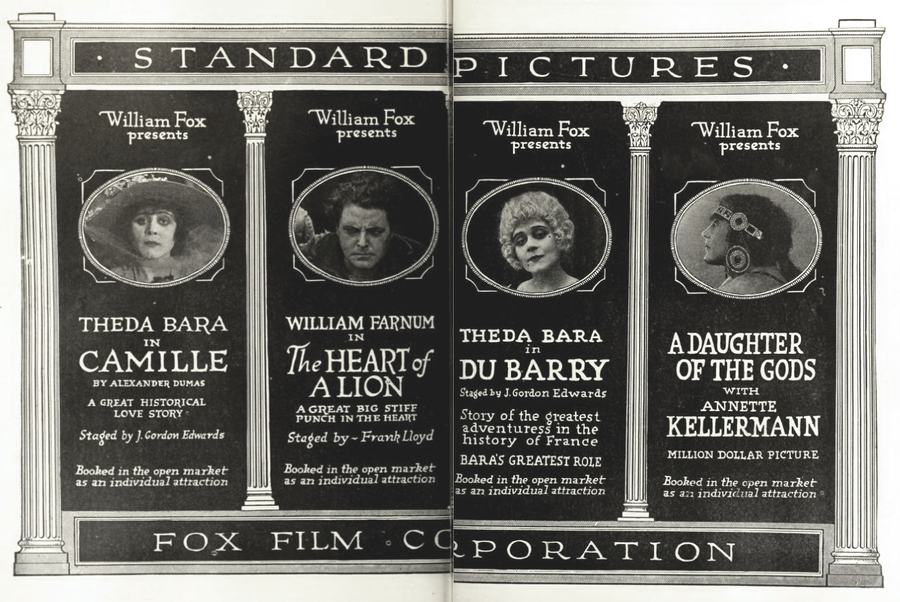
Compare this to Lloyd’s own The Moment Before where characters are trapped in drawing-room stasis; here, the wilderness breathes and judges. Or weigh it against The Eye of God, whose divine gaze is symbolic; in The Heart of a Lion the Almighty is the wind itself, rattling branches like pages of an unread testament.
Night exteriors are bathed in cerulean, camp interiors in amber, and the fatal shoot-out in a sickly green that presages two-strip Technicolor nightmares. The archival 4K restoration (available on Blu-ray from Edition Eclipse) reveals subtle iris flickers once thought lost to nitrate rot.
Yet for all its grandeur, the film is not immune to era-specific moral simplification. The saloon girl who abets Tex is never granted a backstory; she remains a cautionary cipher. Indigenous laborers in the camp are glimpsed only as silhouettes, an erasure that sours the film’s humanist ambition. These blind spots deserve critique, not excuse.
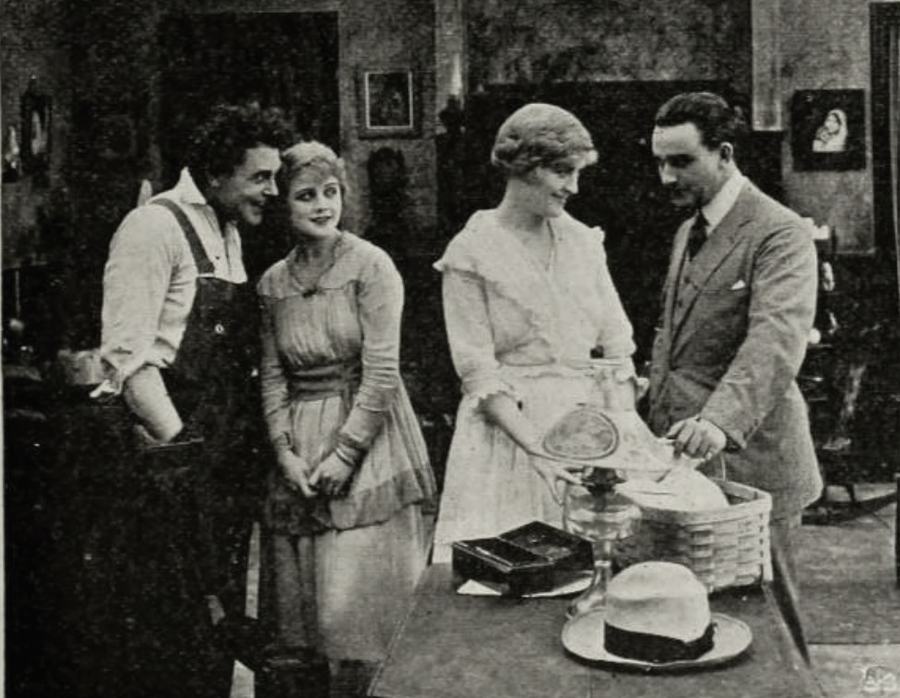
Still, the final image—Barney and Margaret framed by a rising sun that transforms sawdust into sacrament—achieves a transcendent equilibrium.
As the last intertitle fades, we are left with the echo of an axe, the hush of repentance, and the certainty that somewhere in the cathedral of cinema, silent frames still burn with lion-hearted fire.
Verdict: A redwood among saplings—see it on the largest screen you can find, preferably at dusk, when the world itself feels intertitled by twilight.
IMDb —
1914
Community
Log in to comment.