DbcultAccessing Vault...
6.4/10
Senior Film Conservator
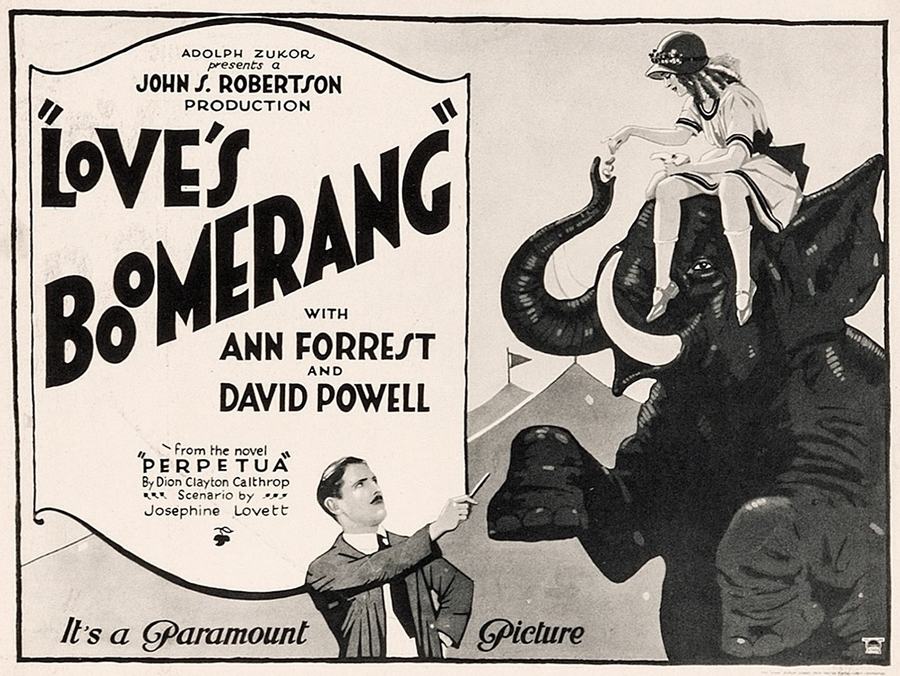
A definitive 6.4/10 rating for a film that redefined the boundaries of cult cinema. Love's Boomerang remains a cornerstone of transgressive art.
The cinematic landscape of Love's Boomerang is a complex tapestry, woven from the threads of deception, loyalty, and the unyielding power of love. As the story unfolds, the audience is transported to the picturesque backdrop of 1920s France, where the lives of the affluent and the downtrodden intersect in a delicate dance of fate. The film's narrative is a masterclass in suspense, echoing the dramatic flair of Torchy Turns Cupid and Reported Missing, as it delves into the darker aspects of human nature.
At the heart of the film lies the intricate relationship between a father and his daughter, played by Frank Stanmore and Lillian Walker, respectively. The father's Machiavellian plan to frame his daughter for the poisoning of her rich husband sets off a chain reaction of events, as the daughter navigates the treacherous landscape of her family's deceit and betrayal. The performances are nuanced and multifaceted, bringing depth and complexity to the characters, much like the character-driven narratives of Ambrose's Bungled Bungalow and The Blood of His Fathers.
As the story progresses, the audience is introduced to a cast of characters, each with their own distinct voice and perspective. The character of Roy Byford brings a sense of levity to the film, his comedic timing and charm serving as a counterbalance to the darker themes. In contrast, the character of Florence Wood embodies a sense of vulnerability and innocence, her performance serving as a poignant reminder of the devastating consequences of deceit and betrayal. The supporting cast, including Ollie Emery, Bunty Fosse, and David Powell, adds depth and nuance to the narrative, their characters serving as a testament to the film's masterful character development.
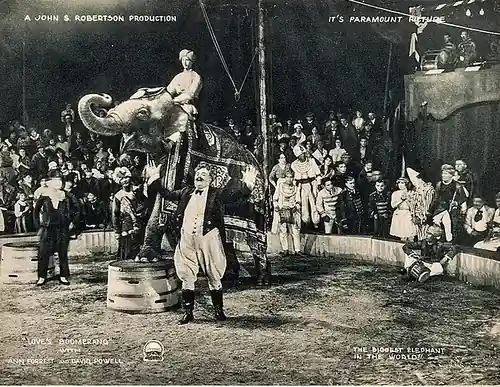
The film's writers, Dion Clayton Calthrop and Josephine Lovett, have crafted a narrative that is both engaging and thought-provoking. The story is a complex exploration of the human condition, delving into themes of love, loyalty, and redemption. The dialogue is witty and engaging, with a keen sense of pacing that propels the narrative forward. The film's use of suspense and tension is masterful, echoing the dramatic flair of The Secret Formula and Trumpet Island.
The cinematic style of Love's Boomerang is a testament to the film's masterful direction. The use of lighting and camera angles serves to create a sense of tension and suspense, drawing the audience into the world of the film. The cinematography is breathtaking, capturing the picturesque landscapes of 1920s France with a sense of elegance and refinement. The film's score is equally impressive, with a haunting melody that serves to underscore the narrative's emotional resonance.
In comparison to other films of the era, Love's Boomerang stands out for its masterful storytelling and complex characters. The film's themes of love and redemption are reminiscent of A Pair of Sexes and Goin' Thro' the Rye, while its use of suspense and tension echoes the dramatic flair of Unus, der Weg in die Welt. Der Fürst der Berge - 2. Teil and Dead Easy. The film's character-driven narrative is also noteworthy, bringing to mind the masterful character development of An Even Break and The False Friend.
In conclusion, Love's Boomerang is a cinematic masterpiece, a film that masterfully explores the complexities of human nature and the power of love and redemption. With its intricate narrative, complex characters, and masterful direction, the film is a must-see for fans of the genre. The film's themes of love, loyalty, and deceit are timeless, resonating deeply with audiences and serving as a testament to the film's enduring appeal. As a work of cinematic art, Love's Boomerang is a true masterpiece, a film that will continue to captivate audiences for generations to come.
IMDb 5.1
1931
Community
Log in to comment.