DbcultAccessing Vault...
Cult Review
Senior Film Conservator
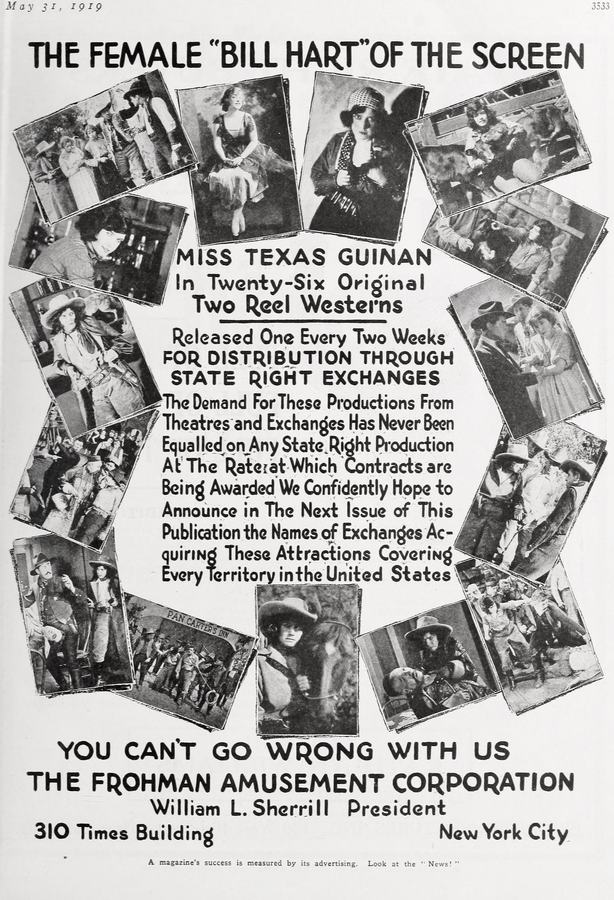
There are films that merely tell a story, and then there are those that etch themselves into the very bedrock of cinematic memory, echoing with a resonance that transcends their era. Mildred Sledge's 'The Heart of Texas,' a silent-era gem, belongs unequivocally to the latter category. It is a work that, even a century removed from its genesis, pulsates with a raw, untamed energy, much like the vast, sun-scorched landscapes it so vividly portrays. This isn't just a Western; it's a profound meditation on identity, legacy, and the relentless march of progress, framed against the backdrop of a Texas grappling with its own tumultuous transformation. The film, a testament to the evocative power of silent cinema, manages to communicate volumes without a single spoken word, relying instead on the nuanced expressions of its formidable cast and Sledge’s masterful visual storytelling.
At the narrative's fiery core is Belle Starrwood, portrayed with an electrifying intensity by the incomparable Texas Guinan. Guinan, a force of nature in her own right, embodies Belle not merely as a character, but as an elemental extension of the Texan spirit itself. Her Belle is a woman of unyielding will, her eyes reflecting both the fierce independence of the prairie and the deep-seated love for the land that has nourished generations of her family. The Starrwood ranch is more than just property; it is a living entity, a symbol of a way of life threatened by the insatiable appetite for oil. Guinan’s performance is a masterclass in silent acting, conveying defiance, heartbreak, and unwavering resolve through subtle shifts in posture, the flash of her gaze, and the determined set of her jaw. One can almost hear the crackle of her spirit, a testament to her legendary stage presence translating seamlessly to the silver screen. Her portrayal elevates Belle beyond a simple heroine, making her an enduring icon of resilience.
The catalyst for the film's central conflict is Silas Thorne, brought to life with chilling precision by Tom London. London, a prolific character actor of the era, crafts Thorne as the quintessential villain – not merely malicious, but driven by an almost pathological greed. He is the personification of the industrial frontier, a man who sees the vast Texan landscape not as a sacred trust, but as a resource to be plundered. His machinations to acquire the Starrwood ranch, ostensibly for its oil potential, are depicted with a calculating coldness that makes him a truly formidable antagonist. The film masterfully builds tension around Thorne's encroaching presence, turning the very ground beneath Belle's feet into a battleground for her family's future. One might draw parallels to the ruthless land-grabbing common in other period dramas, though Sledge imbues Thorne with a particularly insidious charm that makes his villainy all the more potent. The struggle here is not just over acreage, but over the very soul of a burgeoning state, caught between its pastoral past and its industrial future.
Adding layers of emotional complexity is Jedediah 'Jed' Cooper, Belle's childhood sweetheart, portrayed by Bud Larson. Larson delivers a nuanced performance as a man caught in a moral maelstrom. Returning from war, perhaps disillusioned or seeking a new path, Jed is an easy target for Thorne's manipulative promises of wealth. His initial siding with the oil baron is not born of inherent malice, but rather a tragic susceptibility to temptation and a misguided belief in progress. This internal conflict is exquisitely rendered through Larson’s expressions – the flicker of doubt in his eyes, the hesitant gestures that betray his underlying decency. His arc is one of redemption, a slow, painful awakening to the true cost of Thorne's vision. The audience witnesses his struggle, empathizing with his predicament even as they yearn for him to see the light. This human element, this exploration of moral ambiguity, elevates 'The Heart of Texas' beyond a simple good-versus-evil narrative, positioning it closer to the thematic depth found in films like The Broken Law, which often explored the complex interplay of personal ethics and societal pressures.
Dorothy Oliver, as the mysterious Lily Mae, injects an element of captivating intrigue into the proceedings. Lily Mae is not immediately defined; she drifts into the narrative like a tumbleweed, seemingly unmoored, yet her presence quickly becomes indispensable. Oliver imbues her with an ethereal quality, a knowing silence that hints at a hidden past. As her story gradually unfolds, revealing a profound and personal connection to Thorne’s nefarious history, she transforms from an outsider to a pivotal player in Belle’s fight. Her alliance with Belle is forged not out of simple friendship, but a shared experience of injustice and a desire for retribution. This complex female dynamic, where women find strength and solace in unexpected bonds, is a remarkably progressive element for its time, adding a rich texture to the film’s exploration of resilience. Her character arc serves as a stark reminder that justice often requires unconventional alliances, much like the unexpected turns in psychological dramas such as The Secret of the Moor, where hidden truths are slowly brought to light by unlikely protagonists.
Mildred Sledge, as the sole writer, deserves immense credit for constructing such a robust and emotionally resonant narrative. Her script, translated through visual language, is a masterclass in economy and impact. Every intertitle feels essential, every scene meticulously crafted to advance the plot and deepen character understanding. Sledge’s keen understanding of human nature and the socio-economic forces at play in early 20th-century Texas is palpable. She doesn't shy away from depicting the harsh realities of the oil boom, the desperation it bred, and the moral compromises it demanded. The thematic richness of 'The Heart of Texas' speaks volumes about Sledge's ability to weave complex ideas into a compelling, accessible story. This narrative sophistication positions the film as a significant contribution to the silent era, demonstrating that even without spoken dialogue, profound societal critiques could be delivered with powerful effect. The film’s ability to evoke such strong emotions and convey intricate plot points through purely visual means is a testament to Sledge's genius, akin to the detailed world-building seen in literary adaptations of the era like King Solomon's Mines, where the narrative scope was immense.
The cinematography, while typical of the era in some respects, truly shines in its depiction of the Texan landscape. Wide shots emphasize the sheer scale and isolation of the Starrwood ranch, contrasting it sharply with the encroaching, almost industrial blight of Thorne’s oil operations. The use of natural light adds a stark realism, making the heat and dust almost palpable. Close-ups are employed judiciously, magnifying the emotional weight of key moments – a tear tracing a path down Belle's cheek, the flicker of greed in Thorne's eyes, the dawning realization on Jed's face. The pacing, a crucial element in silent film, is expertly managed, building slowly through exposition and character development, then accelerating into a thrilling, dramatic climax that keeps the audience utterly captivated. The visual grammar of the film is articulate and expressive, ensuring that the audience understands every nuance of the plot and every beat of the emotional journey without the need for auditory cues.
'The Heart of Texas' is more than a simple narrative; it's a tapestry woven with rich thematic threads. The conflict between tradition and modernity, represented by the ranch versus the oil derricks, is a central motif. It explores the enduring question of whether progress, often synonymous with industrialization, truly benefits humanity or if it irrevocably sacrifices something vital in its relentless pursuit. The film subtly critiques the unchecked avarice that accompanied the oil boom, a period of immense wealth creation but also significant social upheaval and environmental degradation. Belle's fight becomes symbolic of a larger struggle to preserve heritage, to protect the land from exploitation, and to uphold a moral compass in an increasingly materialistic world. This thematic depth allows the film to transcend its genre, offering insights into human nature that remain relevant today. It echoes the profound social commentary found in films like Prostitution, which, despite its different subject matter, similarly dissected the societal forces that shape individual destinies and moral choices.
The portrayal of gender roles, particularly through Belle Starrwood, is also noteworthy. In an era where female characters were often relegated to damsel-in-distress roles, Belle stands as a beacon of fierce independence and agency. She is not waiting to be rescued; she is actively fighting for her future, demonstrating a strength and resilience that was both inspiring and, perhaps, challenging to contemporary audiences. Texas Guinan’s larger-than-life persona perfectly complements this character, making Belle an unforgettable figure who defies easy categorization. Her leadership, her strategic thinking, and her physical bravery shatter conventional expectations, offering a proto-feminist icon for the silent screen. This strong female protagonist distinguishes 'The Heart of Texas' from many of its contemporaries, placing it in a select group of films that dared to present women as complex, capable individuals, perhaps even resonating with the independent spirit found in characters from films like Op hoop van zegen, where women often faced and overcame immense hardship with quiet strength.
The film builds to a dramatic crescendo, a breathtaking confrontation that encapsulates all the simmering tensions and emotional stakes. The climax is a masterclass in silent film spectacle, utilizing dynamic action sequences, meticulously choreographed interactions, and heightened emotional performances to deliver a truly impactful resolution. The fate of the Starrwood ranch, Belle's legacy, and the very moral fabric of the community hang in the balance. It is here that Jed's redemption is fully realized, his actions speaking louder than any words could. Lily Mae's role in the denouement is equally crucial, bringing her personal quest for justice to a satisfying conclusion. The visual storytelling during these pivotal moments is incredibly effective, with every gesture, every facial expression, every movement contributing to the overwhelming sense of urgency and eventual triumph. The resolution, while satisfying, avoids simplistic answers, acknowledging the lingering scars of conflict even as it celebrates the victory of integrity over greed. The sheer intensity and emotional payoff of this sequence are comparable to the climactic struggles in action-packed silent features like The Devil's Trail, where the stakes were similarly high and the resolution hard-won.
'The Heart of Texas' stands as a vital piece of silent film heritage, a powerful testament to the artistry and storytelling capabilities of its era. Its themes of environmental preservation, corporate greed, personal integrity, and female empowerment remain strikingly relevant, ensuring its continued resonance with contemporary audiences. The performances, particularly Guinan's iconic turn, are captivating, reminding us of the immense talent that graced the early silver screen. Mildred Sledge's writing imbues the narrative with a timeless quality, ensuring that Belle Starrwood's struggle against the forces of exploitation continues to inspire. While silent films can sometimes be perceived as archaic, 'The Heart of Texas' shatters such preconceptions, proving that a compelling story, brought to life by dedicated artists, transcends technological limitations. It is a film that deserves to be rediscovered and celebrated, not just as a historical artifact, but as a vibrant, engaging piece of cinematic art that speaks to the enduring strength of the human spirit. Its impact on the Western genre, and its subtle yet significant contributions to the portrayal of women in film, solidify its place as an important work. One can imagine its influence on subsequent films that celebrated the rugged individualism of the American West, much like how films such as Half Breed explored identity within similar frontier settings.
In conclusion, 'The Heart of Texas' is far more than a period piece; it is a timeless narrative of courage, conviction, and the unbreakable bond between people and their land. It is a powerful reminder that the true wealth of a nation lies not in its subterranean resources, but in the integrity and resilience of its citizens. This film, with its compelling characters, intricate plot, and profound thematic depth, offers a rich viewing experience that continues to resonate, proving that the heart of Texas, and indeed the heart of compelling cinema, beats strong and true, regardless of the passage of time. It is a cinematic experience that challenges, inspires, and ultimately, rewards the viewer with its enduring message.
IMDb —
1920
Community
Log in to comment.