DbcultAccessing Vault...
4.8/10
Senior Film Conservator
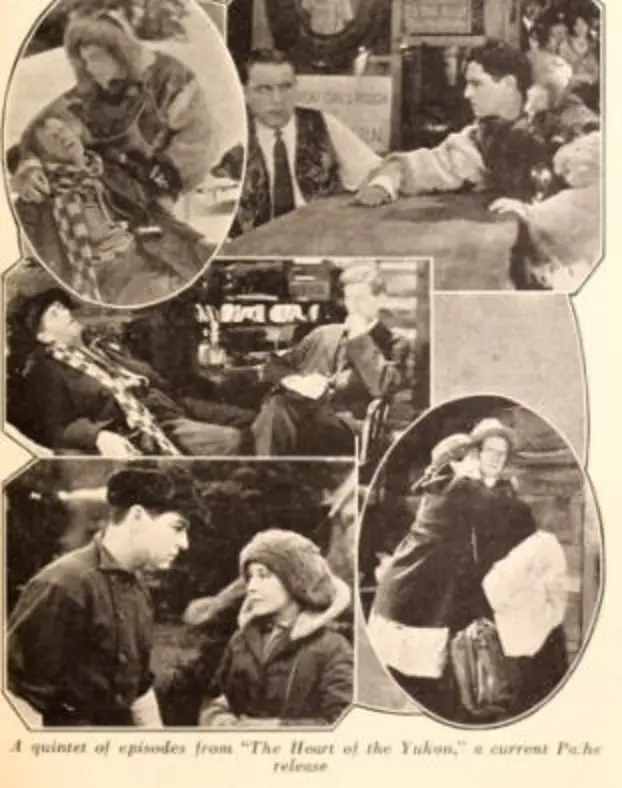
A definitive 4.8/10 rating for a film that redefined the boundaries of cult cinema. The Heart of the Yukon remains a cornerstone of transgressive art.
Is The Heart of the Yukon worth watching today? Short answer: yes, but with significant caveats. This 1921 silent drama, directed by W.S. Van Dyke, offers a fascinating glimpse into early Hollywood's ambition and a compelling narrative, even if its execution occasionally falters under the weight of its era's conventions. It's a film for those with an appreciation for silent cinema, historical context, and character-driven melodrama set against a breathtaking, if studio-bound, wilderness.
Conversely, if you're seeking fast-paced action, modern narrative subtlety, or a film free from the exaggerated performances typical of the silent era, this might test your patience. Its slower pace and reliance on visual storytelling demand a different kind of engagement, one that not all contemporary viewers are prepared to offer.
The Heart of the Yukon, co-written by director W.S. Van Dyke and Everett C. Maxwell, plunges us into the rugged world of the Klondike Gold Rush, albeit through a highly romanticized lens. The story centers on Anita Wayne (Nell Barry Taylor), a young heiress who discovers her long-lost father is alive and prospecting in Alaska. This premise alone is rich with possibility, tapping into universal themes of identity, belonging, and the search for family.
Anita's journey north sets the stage for a classic frontier narrative, pitting innocence against the harsh realities of a lawless land. The film quickly introduces us to a gallery of stock characters: the villainous saloon keeper, the heroic miner, and the tragic drunkard. While these archetypes are familiar, the film's strength lies in its ability to imbue them with enough pathos and purpose to drive the emotional core of the story.
The film works because it commits wholeheartedly to its melodramatic premise, delivering a compelling story of familial discovery and redemption against a dramatic backdrop. Nell Barry Taylor, though working within the stylistic constraints of silent film acting, brings a genuine earnestness to Anita that makes her quest feel urgent and sympathetic. The narrative, for all its contrivances, maintains a strong emotional through-line, culminating in a satisfying, if predictable, resolution.
This film fails because its pacing can feel glacial by modern standards, and some of the characterizations are paper-thin, even for the era. The villain, "Cash" Gynon, while effectively menacing, lacks the depth that would elevate him beyond a two-dimensional antagonist. Furthermore, the film's depiction of the Klondike, while visually ambitious, often feels more like a stage set than a truly immersive wilderness.
You should watch it if you're a student of early cinema, a fan of W.S. Van Dyke's later work (like The Thin Man series), or simply curious about the dramatic storytelling conventions of the 1920s. It offers a valuable historical perspective on popular entertainment.
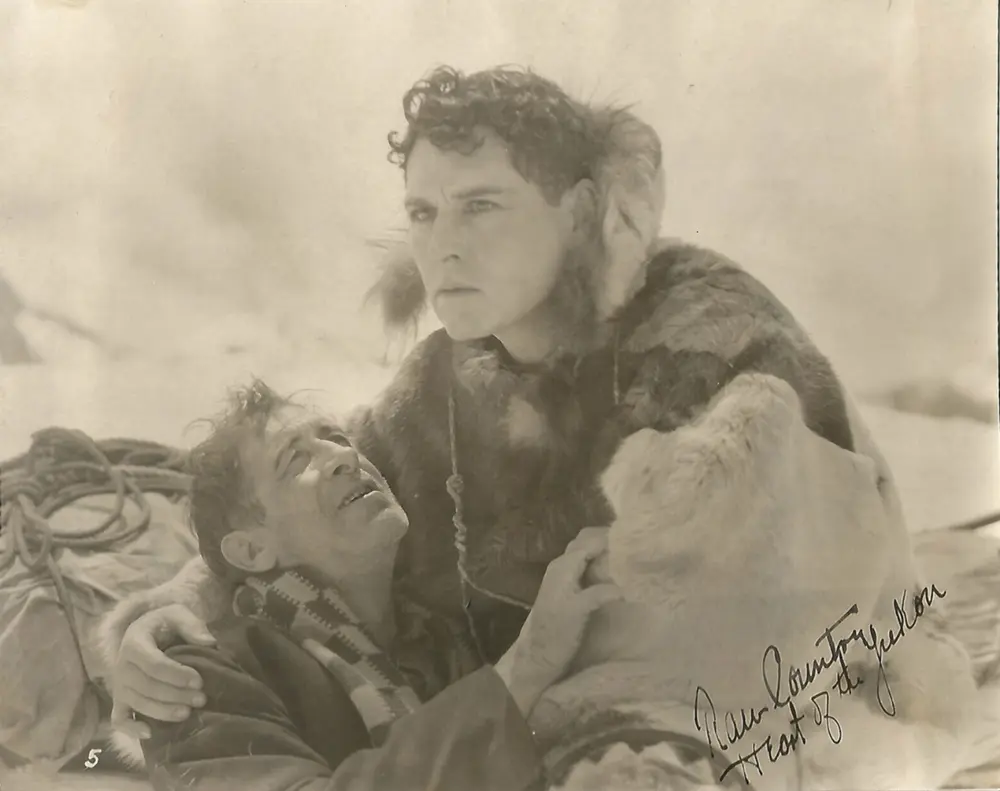
The acting in The Heart of the Yukon is a masterclass in silent film performance, relying heavily on exaggerated facial expressions and dramatic body language to convey emotion. Nell Barry Taylor as Anita Wayne is particularly effective. Her wide, expressive eyes and sweeping gestures communicate Anita's naiveté, determination, and eventual heartbreak with clarity. One particularly striking moment is her initial encounter with "Cash" Gynon (Frank Campeau), where her subtle shift from hopeful anticipation to dawning suspicion is palpable, even without dialogue.
John Bowers, playing the heroic Jim Winston, embodies the stoic, virtuous prospector archetype. His heroism is less about brute force and more about quiet resolve, a quality that shines through in his interactions with Anita. His discovery of gold, while a plot device, is presented with a grounded excitement that anchors his character.
Frank Campeau, as the villainous "Cash" Gynon, leans heavily into the theatricality of his role. His sneering expressions and aggressive posturing make him an effective, if somewhat one-note, antagonist. He embodies the corrupting influence of the frontier, a stark contrast to Jim Winston's moral compass. His performance, while broad, is precisely what the film requires to establish clear stakes.
Perhaps the most compelling performance comes from Russell Simpson as Old Skin Full, Anita's true father. Simpson masterfully portrays the character's descent into alcoholism and his eventual, heartbreaking redemption. His transformation from a pathetic figure to one of quiet dignity is genuinely moving, providing the film with its most potent emotional punch. The scene where he is finally recognized by Anita is a powerful display of silent acting, conveying profound regret and a glimmer of hope through subtle shifts in his posture and gaze.
W.S. Van Dyke’s direction, even in this early stage of his career, shows flashes of the efficiency and storytelling prowess that would define his later work. He understands the mechanics of silent film narrative, using cross-cutting and close-ups to build tension and emphasize emotional beats. While the film doesn't boast the groundbreaking visual experimentation of some contemporaries, Van Dyke ensures the story is always clear and engaging.
The cinematography, while not revolutionary, effectively captures the intended atmosphere. The film makes good use of location shots (or convincing studio sets that mimic them) to establish the harshness of the Klondike. Shots of snow-covered landscapes and bustling saloon interiors, though perhaps not as grand as those seen in later epics, serve their purpose in immersing the viewer in the setting. There's a particular sequence involving Gynon's demise in a crevasse that, while rudimentary by today's standards, effectively uses shadow and depth to create a sense of peril.
The use of intertitles is standard for the period, efficiently moving the plot forward and conveying dialogue. However, it's the visual storytelling that truly stands out, with Van Dyke often relying on the actors' expressions and actions rather than excessive text to convey critical information. This preference for visual narrative foreshadows his future success.
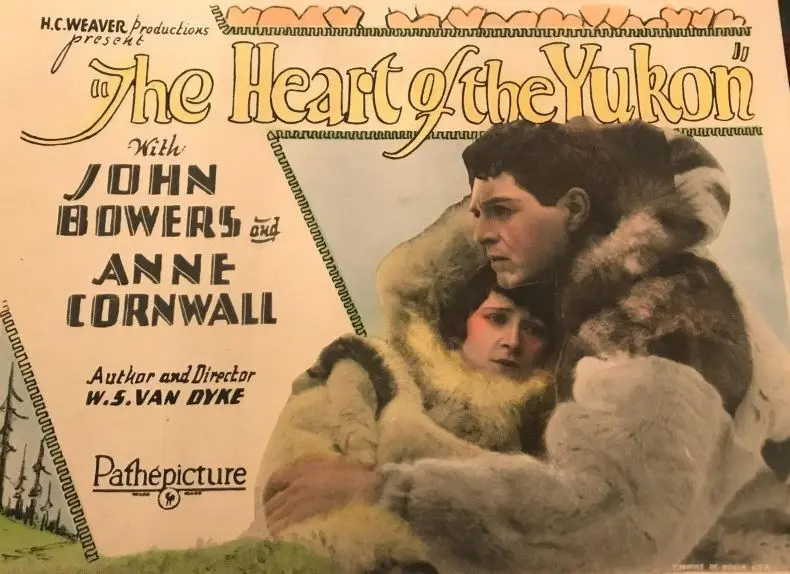
The pacing of The Heart of the Yukon is undeniably a product of its time. It unfolds at a deliberate, almost leisurely pace, allowing scenes to breathe and emotions to register fully. This can be both a strength and a weakness. For viewers accustomed to modern cinema's rapid-fire editing, the film might feel slow, particularly in its expositional sequences. However, for those willing to adjust their expectations, this slower rhythm allows for a deeper appreciation of the character arcs and the unfolding drama.
The tone is overtly melodramatic, swinging between moments of tender sentimentality, thrilling adventure, and stark villainy. There's little room for subtlety, but this directness is also part of its charm. The film isn't afraid to embrace its emotional highs and lows, a characteristic that defines much of silent era storytelling. The dramatic fight between Jim Winston and Gynon, for instance, is a visceral, no-holds-barred confrontation that perfectly encapsulates the film's commitment to high drama.
It’s a film that demands patience but rewards it with genuine emotional beats. Its simplicity is its strength, yet also its most glaring limitation.
Absolutely, if you approach it with the right mindset. The Heart of the Yukon is more than just a historical artifact; it's a competently crafted silent film that tells a compelling human story. While it may not possess the groundbreaking artistry of a Griffith or a Murnau, it represents solid, popular entertainment of its era.
It serves as an excellent entry point for those curious about early 20th-century cinema, offering a clear narrative and strong performances. It's a testament to the enduring power of classic storytelling, even when stripped of sound and color.
For fans of adventure and melodrama, especially those interested in the Klondike setting, it holds a certain rugged appeal. Compare it to other early frontier films like This Ancient Law, and you'll find similar themes of justice and survival, but Yukon's focus on a daughter's search adds a unique emotional layer.
The Heart of the Yukon is a sturdy, if unspectacular, piece of silent cinema. It works. But it’s flawed. Its strengths lie in its heartfelt melodrama, the committed performances of its leads—especially Russell Simpson—and its ability to transport the viewer to a bygone era of adventure and moral clarity. While it certainly won't appeal to everyone, those with an appreciation for the history of film or a fondness for classic tales of good versus evil in rugged settings will find much to admire.
It’s a film that, despite its age and a few creaky moments, still beats with a genuine heart. It's not a forgotten masterpiece, but it's a solid, enjoyable relic that deserves to be seen by those who cherish the foundational stories of cinema. It’s certainly more compelling than some of its contemporaries, like the rather forgettable The Bachelor's Romance or the obscure Blue Blood and Red. Give it a chance, and you might just find a surprising amount of charm in this Klondike quest.
IMDb 6
1931
Community
Log in to comment.