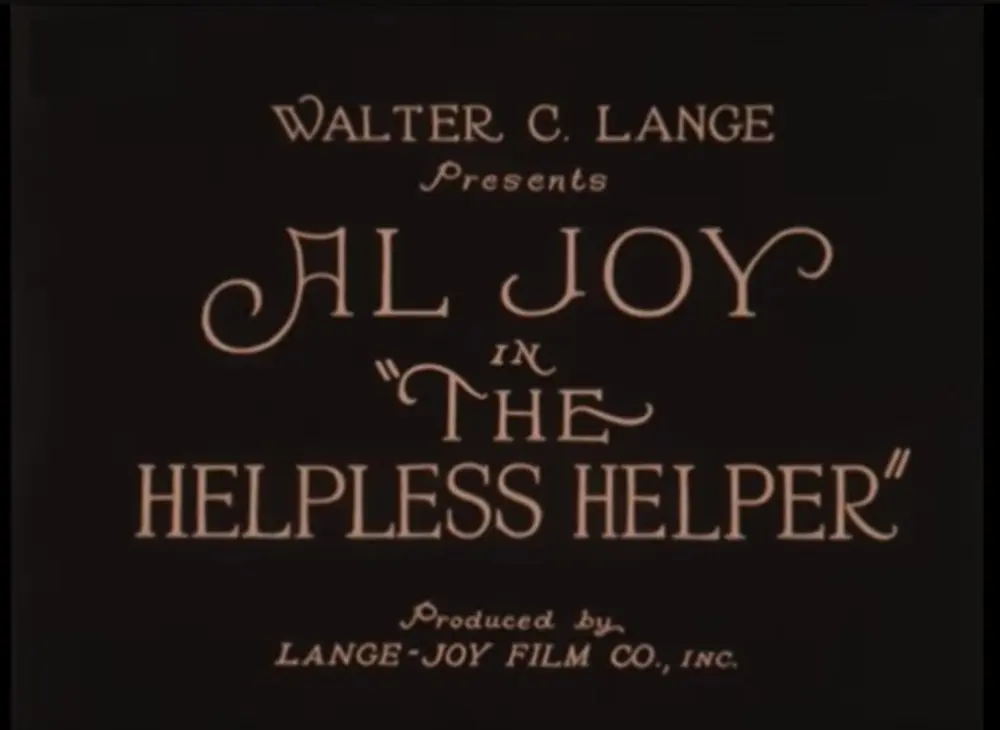
A definitive 4.8/10 rating for a film that redefined the boundaries of cult cinema. The Helpless Helper remains a cornerstone of transgressive art.
Is 'The Helpless Helper' worth watching today? Short answer: For silent film aficionados and those curious about early romantic comedies, absolutely. For viewers seeking modern pacing, complex character arcs, or high-stakes drama, it's likely to test your patience with its quaint simplicity.
This 1910s silent film offers a fascinating window into early cinematic storytelling, showcasing both the nascent charm and the inherent limitations of the era. It's a film that demands a certain generosity from its audience, a willingness to step back in time and appreciate the foundational elements of narrative cinema.
This film works because of its unpretentious charm and the earnest performances that, despite their exaggerated nature by today's standards, convey a genuine innocence. It captures a specific moment in film history with a story that, while simple, resonates with timeless themes of love and class struggle.
This film fails because its plot is remarkably thin, relying heavily on well-worn tropes that even for its time might have felt a tad predictable. Character development is minimal, and the urgency often feels manufactured rather than organically earned.
You should watch it if you have an appreciation for silent cinema, are studying early film history, or simply enjoy a lighthearted, old-fashioned romance with a clear hero and villain dynamic. It's an accessible entry point into the silent era.
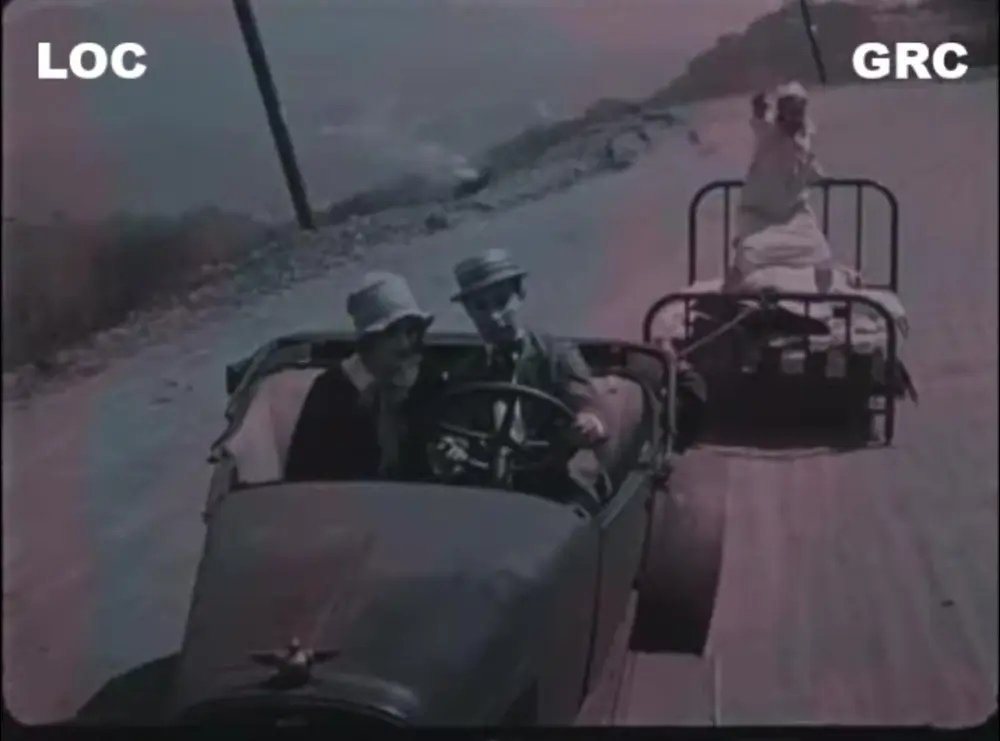
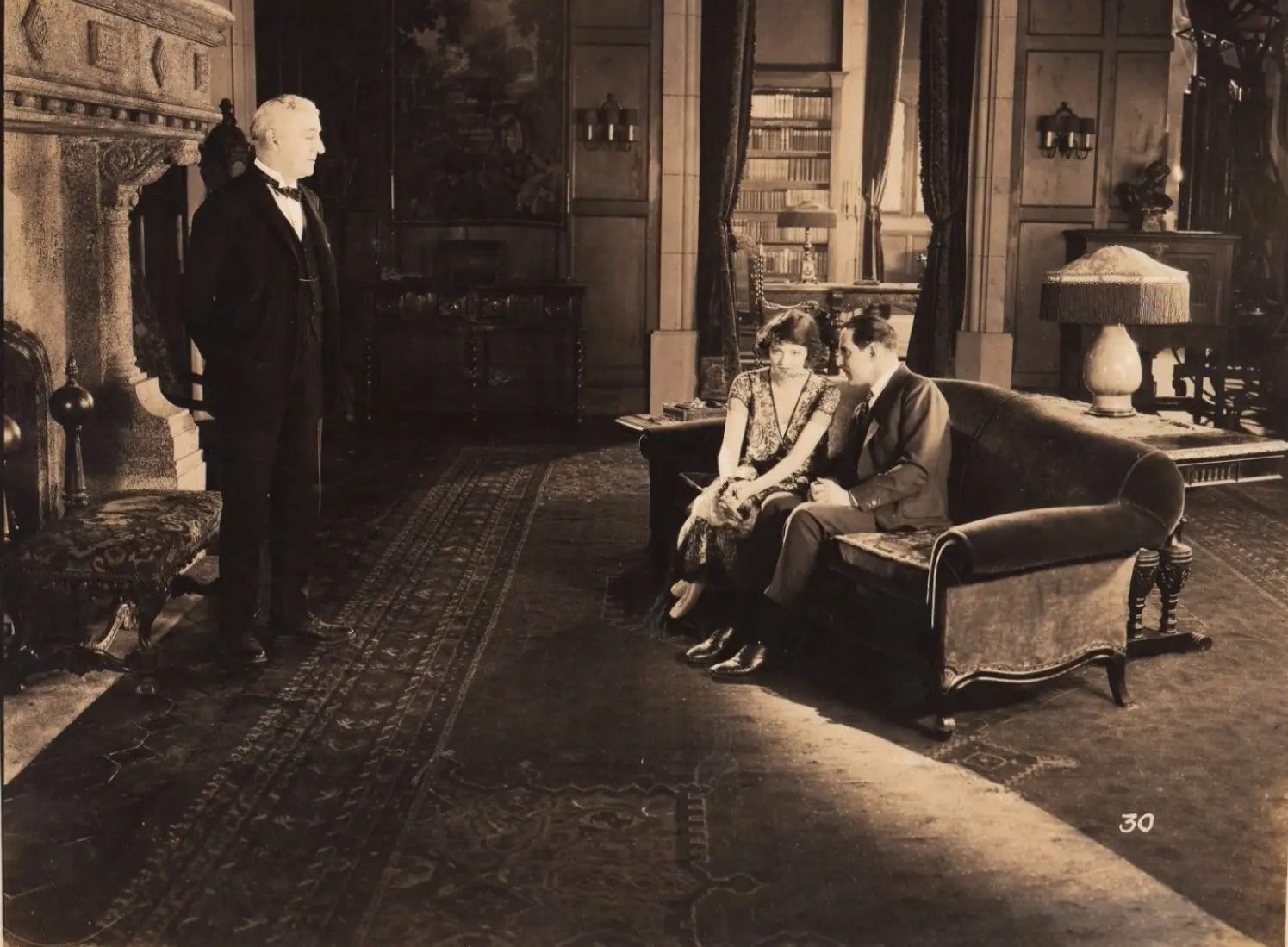
Scene from The Helpless Helper
Cinematic perspective: Exploring the visual vocabulary of The Helpless Helper (1927) through its definitive frames.
A Love Story Against the Odds: Deconstructing the Plot
'The Helpless Helper' unfolds as a classic tale of forbidden love amidst scientific ambition and material greed. At its core is Al Joy, played by Jack Hopkins, a character who embodies the archetypal 'helper' – invaluable to Professor Rockenrye's work, yet socially subordinate. His quiet devotion to Rose, the professor's daughter (Rose May), forms the emotional anchor of the narrative. This isn't a grand, sweeping romance; it's a tender, almost clandestine affection born of proximity and shared circumstance.
The conflict arrives in the formidable shape of Oscar Filtch (Mack Fluker), a businessman whose interest in Professor Rockenrye's scientific formula is inextricably linked to his desire for Rose. This transactional approach to marriage, common in the social fabric of the time, immediately positions Filtch as the antagonist. His pursuit of Rose isn't born of love, but of acquisition – a desire to consolidate power and wealth, with Rose as merely another asset in his portfolio.
The story, penned by Joseph Basil, leans into the simplicity inherent in early cinema. It’s a clear-cut confrontation between genuine affection and mercenary ambition. The decision by Al and Rose to escape together is not merely a romantic gesture but a desperate act of rebellion against a system that seeks to dictate their lives. This particular narrative choice, while providing a clear resolution, also highlights the limitations of the screenplay, which prefers flight over confrontation or clever strategizing.
The film's title itself – The Helpless Helper – is a fascinating misnomer or perhaps a subtle irony. Al Joy is anything but helpless in his dedication to Rose, even if his social standing renders him seemingly powerless. It’s a story that, for its era, must have resonated with audiences who understood the rigid class structures and the limited agency available to those without significant means.
Silent Stars, Eloquent Gestures: The Performances
The acting in 'The Helpless Helper' is a masterclass in silent film performance, characterized by exaggerated expressions and broad physical gestures designed to convey emotion without dialogue. Rose May, as Rose, carries the burden of the damsel in distress with a grace that prevents her from becoming merely a passive object. Her wide, pleading eyes and subtle shifts in posture effectively communicate her distress and her burgeoning love for Al, even when the narrative gives her little dialogue to work with.
Scene from The Helpless Helper
Cinematic perspective: Exploring the visual vocabulary of The Helpless Helper (1927) through its definitive frames.
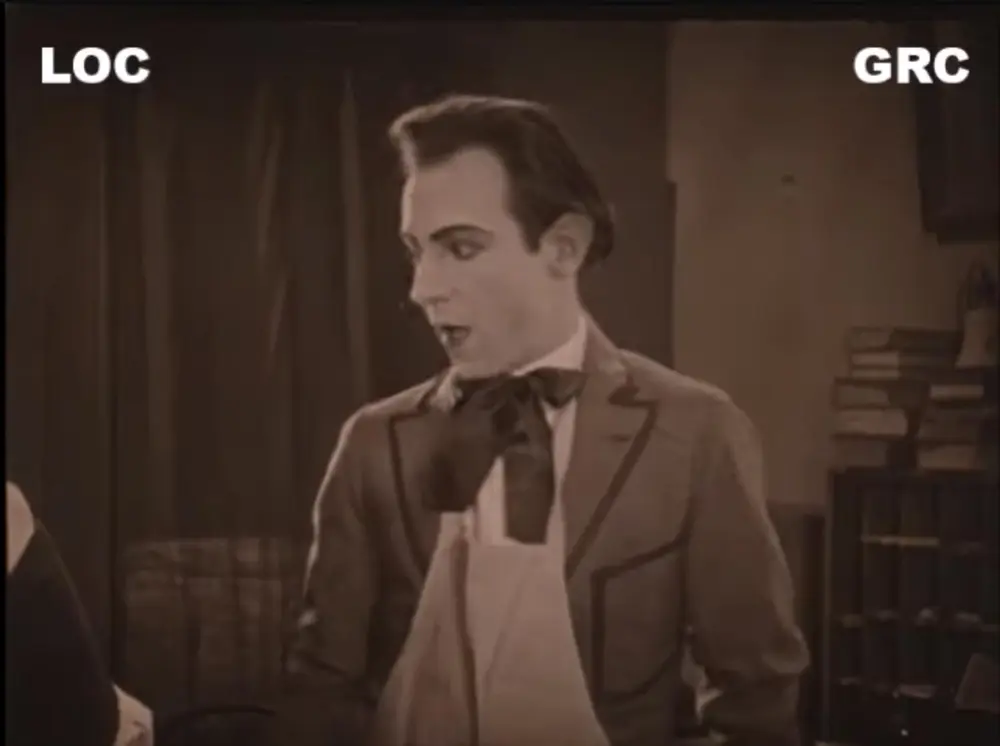
Jack Hopkins, in the role of Al Joy, is perhaps the film's most compelling presence. He embodies the quiet strength of the underdog. His gestures are often more restrained than those of his counterparts, conveying a sense of inner turmoil and quiet determination. There’s a particular scene where Al watches Rose and Filtch interact; Hopkins's subtle clenching of his jaw and the almost imperceptible tremor in his hands speak volumes about his suppressed anguish and resolve, making his character feel surprisingly grounded despite the era's performance conventions.
Mack Fluker, as Oscar Filtch, embraces the villainous archetype with gusto. His sneering expressions, aggressive posturing, and proprietary gaze towards Rose leave no doubt as to his nefarious intentions. While his performance might seem over-the-top to modern viewers, it was precisely the kind of clear, unambiguous characterization necessary for audiences to follow the story without spoken words. His portrayal is effective, if somewhat one-dimensional, serving his purpose as the obstacle for our lovers.
The supporting cast, though given less screen time, contributes to the overall atmosphere. Professor Rockenrye, for instance, is depicted with an almost oblivious dedication to his work, making him vulnerable to Filtch’s machinations and somewhat blind to his daughter’s plight. This portrayal, while perhaps a cliché, effectively highlights the isolation of the young lovers.
Joseph Basil's Direction: A Steady Hand in a Shifting Medium
Joseph Basil's direction is competent and straightforward, typical of the early silent era. The film largely relies on static shots and clear blocking to convey the narrative, allowing the actors' physicality to drive the emotional beats. There are few audacious camera movements or complex editing techniques, which is to be expected for a film of this vintage. Basil prioritizes clarity and storytelling efficiency over stylistic flourishes.
The pacing, while slow by contemporary standards, is deliberate. Each scene is given ample time to play out, allowing audiences to absorb the visual information and the emotional subtext. This measured rhythm, often seen in films like The Boat or The Prince of Pilsen, was essential for the format, where intertitles provided narrative bridges rather than dialogue. Basil understands this, never rushing a moment that requires an emotional beat to land.
Scene from The Helpless Helper
Cinematic perspective: Exploring the visual vocabulary of The Helpless Helper (1927) through its definitive frames.
One particularly effective directorial choice is the use of close-ups (relatively speaking for the era) on the actors' faces during moments of intense emotion. While not as tight as later close-ups, these shots allow the audience to connect directly with the characters' feelings, enhancing the drama. For instance, a shot focusing on Rose’s tear-filled eyes as she contemplates her fate is a simple yet powerful technique that resonates even today.
The film's tone is consistently romantic and earnest, with a clear moral compass. There's no ambiguity about who the audience should root for. This clear delineation of good and evil, characteristic of many early films, makes 'The Helpless Helper' an accessible and emotionally direct experience, despite its age. Basil's direction ensures the audience is never lost, even without the benefit of sound.
Visual Storytelling: Cinematography and Art Direction
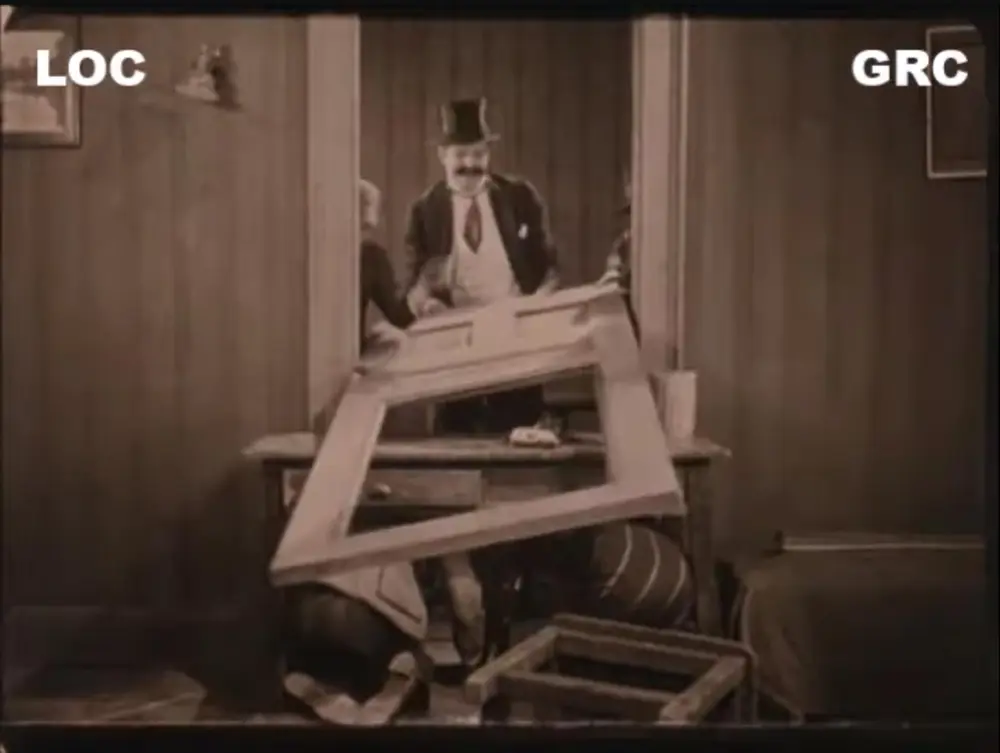
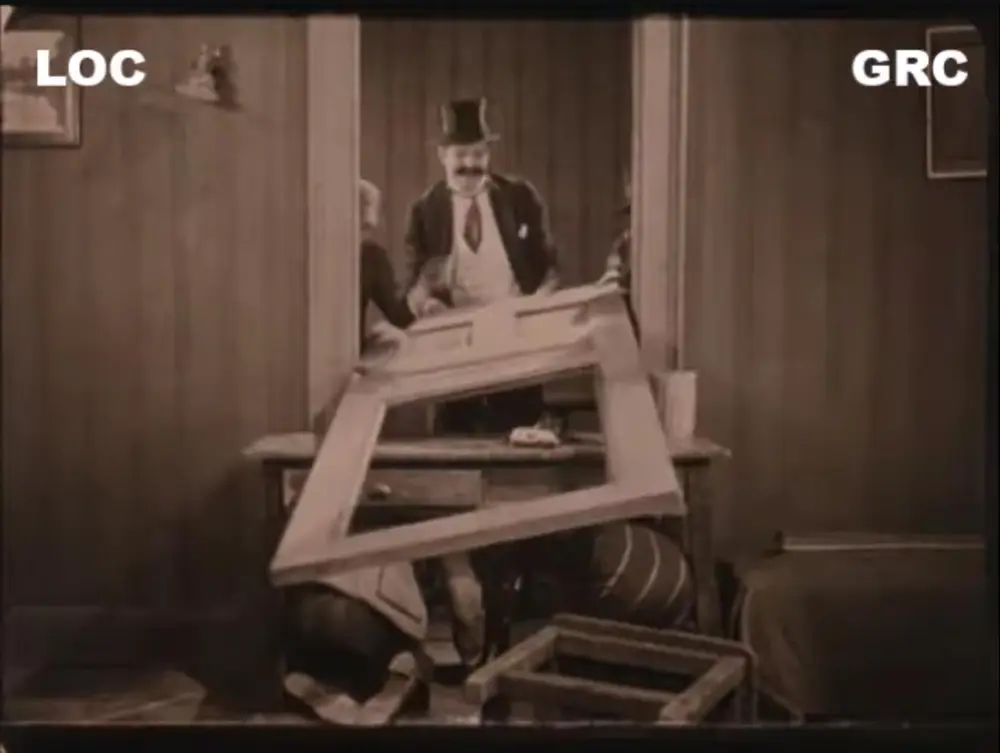
The cinematography of 'The Helpless Helper' is functional, focusing on clear visibility and framing the actors effectively within the scene. Lighting is generally flat, relying on natural light or broad, even illumination, which was standard for the period. There are no dramatic shadows or complex lighting schemes to heighten tension, but the clarity allows the audience to fully appreciate the performances and the simple yet effective set designs.
The art direction, while modest, is thoughtfully executed. Professor Rockenrye's laboratory, for instance, is filled with the kind of apparatus one would expect of a scientific genius, even if some of it now looks like whimsical contraptions. This attention to detail, however rudimentary, helps establish the world of the film. Similarly, the domestic settings are rendered with an air of comfortable, if slightly old-fashioned, respectability.
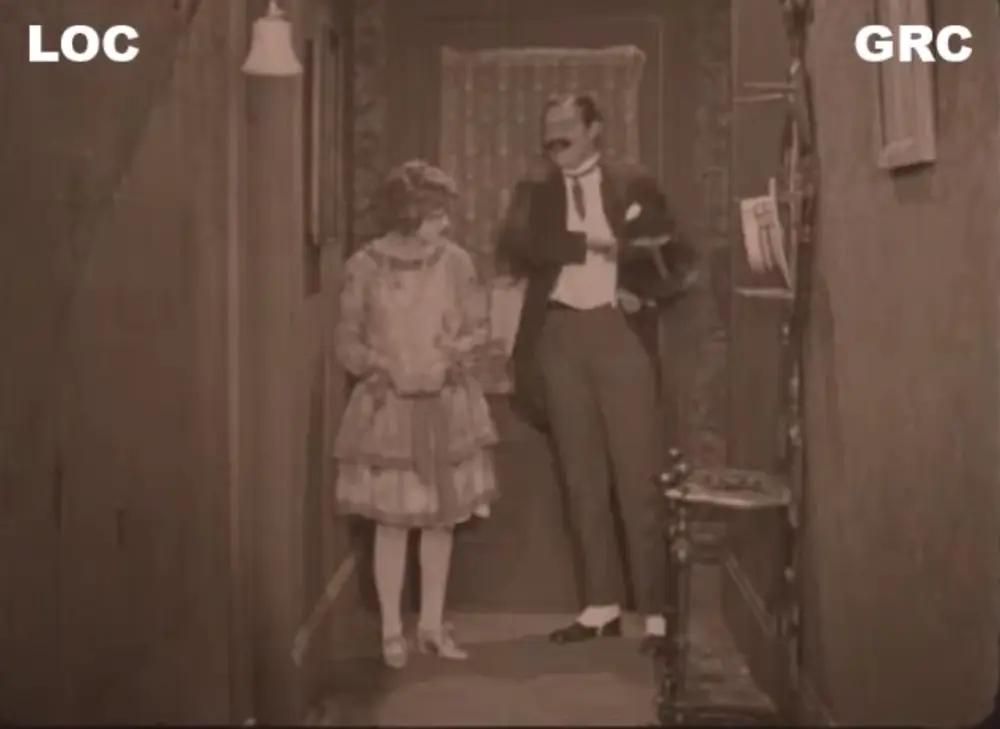
Costumes play a significant role in defining character. Rose’s dresses are modest yet elegant, reflecting her gentle nature and societal position, while Al Joy’s simpler attire reinforces his working-class status. Oscar Filtch, on the other hand, is often seen in more formal, imposing suits, visually emphasizing his power and wealth. These visual cues were crucial in an era without spoken dialogue, quickly communicating character traits and social standing to the audience.
Scene from The Helpless Helper
Cinematic perspective: Exploring the visual vocabulary of The Helpless Helper (1927) through its definitive frames.
The film's visual language is direct. It’s a cinema of clarity, where every prop, every costume, and every gesture serves to advance the narrative or deepen character understanding. While it lacks the visual poetry of later silent films, its straightforward approach has its own charm, making it an honest representation of early filmmaking.
Is 'The Helpless Helper' Worth Watching Today?
Yes, 'The Helpless Helper' is worth watching today, but with specific expectations.
It's a valuable historical document, showcasing early narrative techniques.
The film offers a glimpse into the social mores and romantic ideals of the 1910s.
It's best for those interested in film history or classic silent cinema.
Scene from The Helpless Helper
Cinematic perspective: Exploring the visual vocabulary of The Helpless Helper (1927) through its definitive frames.
Modern viewers seeking fast-paced action or complex narratives might struggle.
Its simplicity is both its greatest strength and its most significant limitation.
The Helpless Helper's Legacy: Beyond the Formula
While 'The Helpless Helper' might not stand shoulder-to-shoulder with the recognized 'masterpieces' of the silent era, it holds its own as a charming, if somewhat unsophisticated, example of early romantic drama. Its enduring appeal lies not in its groundbreaking techniques but in its earnest portrayal of universal human emotions: love, jealousy, and the desire for freedom. It works. But it’s flawed.
One unconventional observation is how the film subtly critiques the commodification of both scientific discovery and human relationships. Professor Rockenrye's formula, a product of pure intellect, becomes a pawn in a capitalist game, much like Rose's hand in marriage. This theme, often overshadowed by the romance, suggests a deeper social commentary than many contemporary films dared to explore explicitly. It's a surprisingly sharp undercurrent for a film that otherwise feels so innocent.
I firmly believe that films like 'The Helpless Helper' are crucial for understanding the evolution of cinema. Dismissing them as merely 'old' or 'slow' is to miss the foundational lessons they offer. They represent the very first attempts to tell stories on screen, laying the groundwork for everything that followed. Its simplicity is not a weakness, but a testament to the raw power of visual storytelling at its genesis.
Compared to other films of its time, such as Nobody's Business or Pigtails and Peaches, 'The Helpless Helper' feels less like a comedic romp and more like a straightforward dramatic piece, albeit with a hopeful ending. It lacks the experimental flair of some contemporaries but compensates with emotional directness.
Pros and Cons
Pros:
Authentic glimpse into early silent film aesthetics and performance styles.
Jack Hopkins's understated yet effective portrayal of Al Joy.
Clear, accessible narrative that is easy to follow.
Historical value as a document of early cinema.
Charming innocence that can be a refreshing change of pace.
Cons:
Thin, predictable plot that adheres strictly to tropes.
Slow pacing by modern standards, potentially testing patience.
Minimal character depth beyond archetypes.
Lack of stylistic innovation or memorable visual flair.
Reliance on melodrama for emotional impact.
Key Takeaways
Best for: Silent film enthusiasts, film history students, and those seeking a simple, old-fashioned romance.
Not for: Viewers expecting modern pacing, complex plots, or nuanced character development.
Standout element: Jack Hopkins's earnest and subtly expressive performance as Al Joy, transcending some of the era's common over-acting.
Biggest flaw: A narrative that, even for its time, feels remarkably straightforward and lacks significant twists or deeper exploration.
Verdict
'The Helpless Helper' is more than just a relic; it's a tender, if rudimentary, piece of cinematic history that reminds us of cinema's humble beginnings. It’s a film that asks for patience and a historical lens, rewarding those who offer it with a genuine, if somewhat naive, love story. While it won't redefine your understanding of film, it will certainly deepen your appreciation for how far the medium has come, and the fundamental human stories that have always driven it. Go in with an open mind and a respect for the past, and you'll find a quiet charm that lingers. It's not a film to be lauded for its innovation, but cherished for its historical heart.