A definitive 5.4/10 rating for a film that redefined the boundaries of cult cinema. The Hero of the Circus remains a cornerstone of transgressive art.
Is The Hero of the Circus worth watching today? Short answer: yes, but with significant caveats that demand a specific taste. This silent epic from 1924 will enthrall those with a deep appreciation for the early days of cinema and the foundational myths of cinematic strongmen, yet it will likely test the patience of viewers accustomed to modern narrative pacing and sophisticated character development. It’s a fascinating historical document, a testament to the sheer ambition of early Italian cinema, but it is unequivocally not for everyone.
For cinephiles, historians, and admirers of silent-era spectacle, The Hero of the Circus offers a unique window into a bygone era of filmmaking where physical prowess and grand, often improbable, adventures reigned supreme. It’s a film that asks you to adjust your expectations, to lean into its anachronisms, and to appreciate its craft for what it was, not what it might be by today's standards. Conversely, if your film diet consists primarily of fast-paced, dialogue-heavy contemporary features, or if you struggle with the inherent theatricality and broad acting styles of the silent era, this particular Maciste adventure will feel like an arduous journey rather than a thrilling ride.
Scene from The Hero of the Circus
Cinematic perspective: Exploring the visual vocabulary of The Hero of the Circus (1926) through its definitive frames.
Why "The Hero of the Circus" Matters (and Where It Stumbles)
To cut straight to it, here's the core of our assessment:
This film works because of Bartolomeo Pagano's undeniable screen presence as Maciste, the sheer audacity of its premise, and the surprisingly effective practical effects and animal wrangling that still impress nearly a century later. It’s a raw, unfiltered slice of early cinematic spectacle.
Scene from The Hero of the Circus
Cinematic perspective: Exploring the visual vocabulary of The Hero of the Circus (1926) through its definitive frames.
This film fails because its narrative structure is often simplistic to a fault, its pacing can be agonizingly slow by modern standards, and the supporting characters rarely rise above one-dimensional archetypes, leaving Maciste to carry the entire emotional and physical weight.
You should watch it if you are a dedicated student of silent cinema, fascinated by the origins of action heroes, or simply curious about the specific brand of epic filmmaking that flourished in Italy during the 1910s and 20s. It offers a crucial historical context for the evolution of the strongman archetype.
Scene from The Hero of the Circus
Cinematic perspective: Exploring the visual vocabulary of The Hero of the Circus (1926) through its definitive frames.
The Grand Safari: A Critic's Take on the Narrative Core
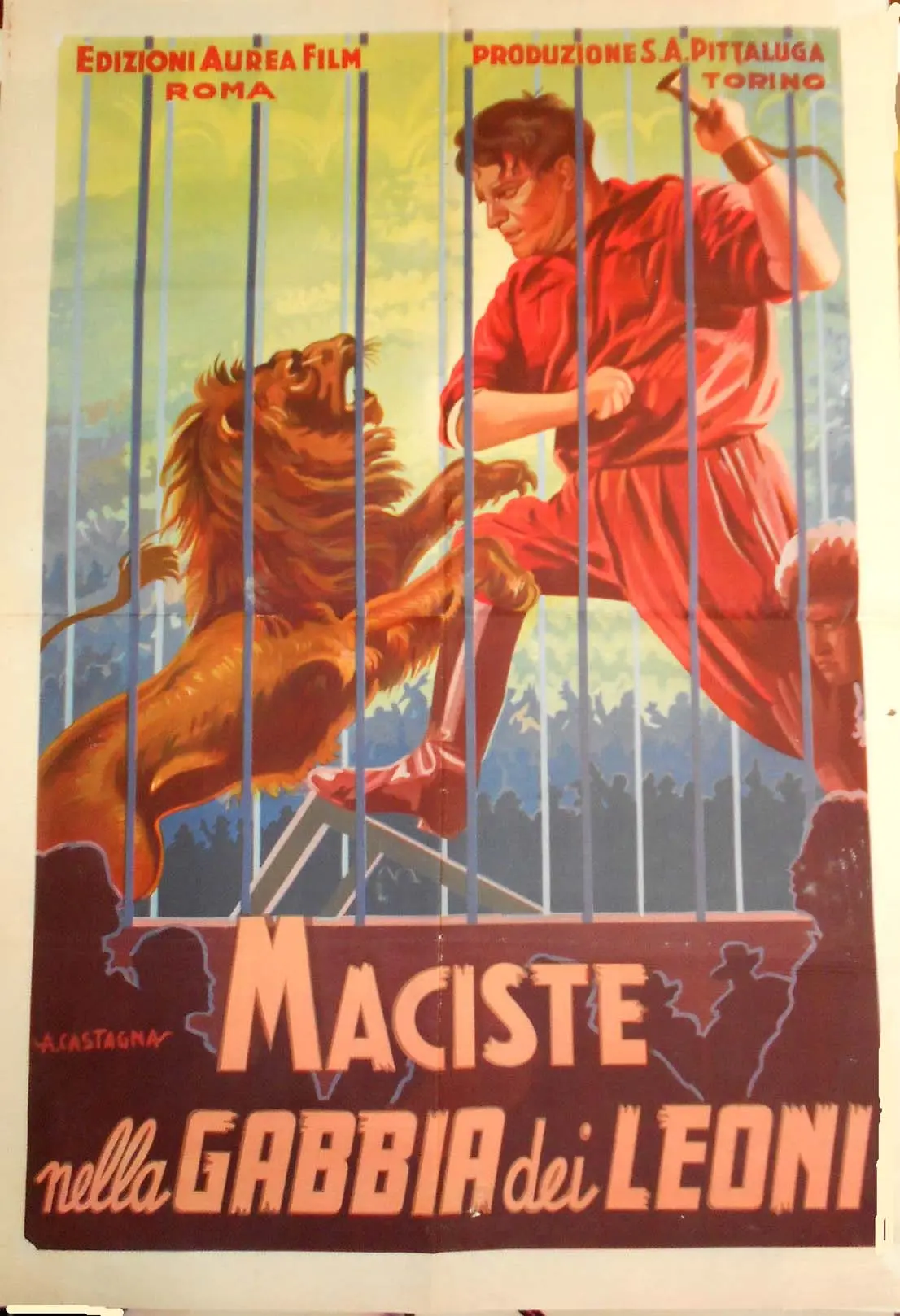
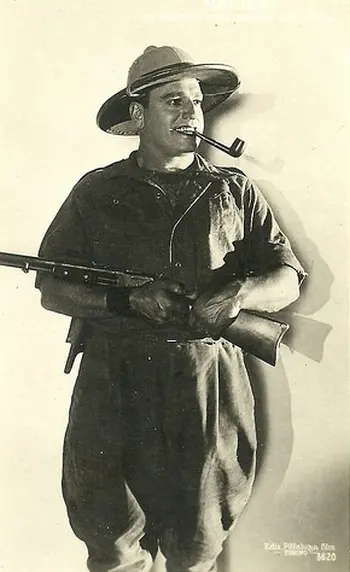
At its heart, The Hero of the Circus isn't a complex tapestry of intrigue or character arcs, but rather a straightforward, almost mythological quest. We witness Maciste, the colossal strongman, being dispatched to the untamed expanses of Africa by a rather unscrupulous circus impresario. His mission is deceptively simple: to capture live lions, thereby injecting a much-needed jolt of exoticism and danger into the circus's flagging appeal. This isn't merely a task; it's a symbolic confrontation between civilization's desire for spectacle and nature's raw power, with Maciste as the intermediary. The narrative setup, while thin, serves its purpose as a vehicle for grand set pieces and a showcase for Pagano's physical prowess against formidable beasts.
The journey itself becomes the story, with the challenges of the African landscape and its inhabitants, both human and animal, serving as episodic obstacles. It’s less about intricate plot twists and more about the primal struggle for dominance and survival. The film, in this regard, feels less like a conventional drama and more like a series of daring vignettes strung together by the singular, magnetic force of its protagonist. The motivations are clear, if somewhat shallow, and the stakes, though often exaggerated, are always present: Maciste’s life, the circus’s future, and the sheer audacity of man challenging the wild.
Bartolomeo Pagano: The Embodiment of Maciste
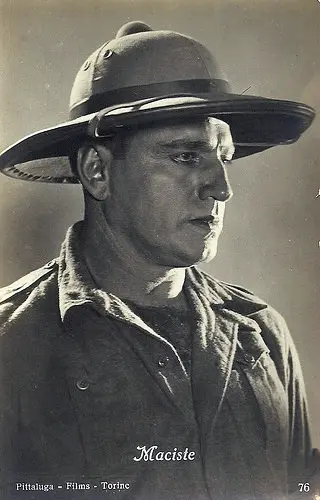
No discussion of The Hero of the Circus can bypass the towering figure of Bartolomeo Pagano. As Maciste, he is not merely an actor; he is the very embodiment of the role, a physical force of nature. Pagano, a former dockworker, brought an authenticity to the strongman archetype that few others could match. His performance is less about subtle emotional nuance and more about raw, visceral power and an unwavering sense of moral fortitude. When Maciste lifts, struggles, or confronts a lion, you believe it. There’s no artifice, only a compelling display of human strength and resolve.
His facial expressions, though broad by today's standards, perfectly convey Maciste's stoicism, determination, and occasional flashes of gentle humanity. Consider the scenes where he interacts with the local African tribes; there's a quiet dignity in his bearing, a sense of respect that transcends language barriers. This is not the caricature of a brute, but a hero who uses his strength for good. His interactions with the captured lions are particularly striking, showcasing a blend of dominance and, surprisingly, a form of understanding, as seen in the way he handles the animals, not just with force, but with a certain command.