DbcultAccessing Vault...
Cult Review
Senior Film Conservator
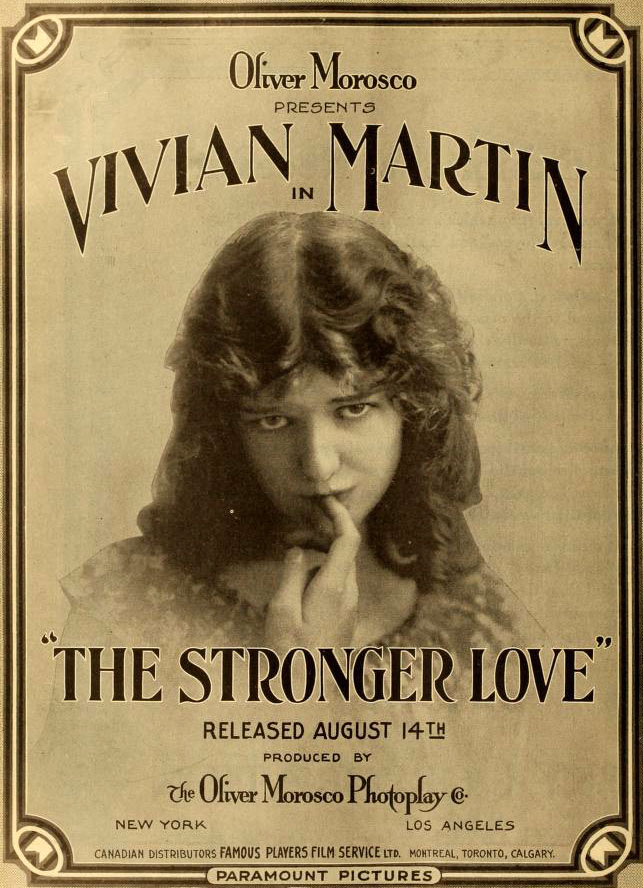
In the annals of early cinema, where narratives often hinged on grand gestures and stark emotional contrasts, Julia Crawford Ivers and Alice von Saxmar penned a story for 'The Stronger Love' that, even a century later, resonates with an almost primal force. This 1914 production, a testament to the era's burgeoning narrative sophistication, plunges us into a world defined by rugged landscapes and even more rugged loyalties. It's a tale of mountain folk, their lives interwoven with the land, their feuds as ancient and unyielding as the very peaks that cradle their existence. The film, starring the evocative Alice Knowland as Nell, alongside Herbert Standing and Vivian Martin, offers a compelling glimpse into a society where honor, family, and the raw dictates of the heart clash in spectacular fashion.
The narrative unfurls in a remote, untamed region, a dominion where the Serviss and Rutherford families have, for generations, cultivated a bitter rivalry. This is not merely a squabble over land or resources; it is a deep-seated animosity, passed down like an heirloom, shaping identities and dictating alliances. Nell, a member of the Serviss clan, is depicted as a woman of striking beauty and, more importantly, an inner strength that belies her seemingly conventional role. She is betrothed to Jim Serviss, the undisputed head of their family, a man whose presence undoubtedly embodies the very spirit of his kin's defiance and pride. Their engagement is more than a personal commitment; it is a strategic alliance, a reinforcement of familial solidarity against the perpetual threat of the Rutherfords. The stage is set for a drama of inter-family strife, a familiar trope in the early 20th century, yet 'The Stronger Love' manages to infuse it with a fresh, poignant urgency.
The delicate balance of this entrenched animosity is shattered by the arrival of a stranger, a man whose presence is as enigmatic as it is disruptive. He is a guest of the Rutherford family, an immediate cause for suspicion among the Servisses, but it is his peculiar habits that truly set the mountaineers on edge. This man spends an inordinate amount of time examining and chipping away at rocks, a pursuit utterly alien to the practical, survival-driven rhythm of mountain life. His actions spark an intense curiosity, rapidly morphing into widespread suspicion. The prevailing theory among the wary locals is that he is a 'revenuer,' an undercover agent for the government, sniffing out illicit stills. This fear is not baseless; the mountain communities, often isolated and self-reliant, frequently engaged in moonshining, making the threat of federal intervention a constant, palpable anxiety. The film deftly uses this societal suspicion to build tension, painting a picture of a community on edge, distrustful of outsiders and fiercely protective of their way of life.
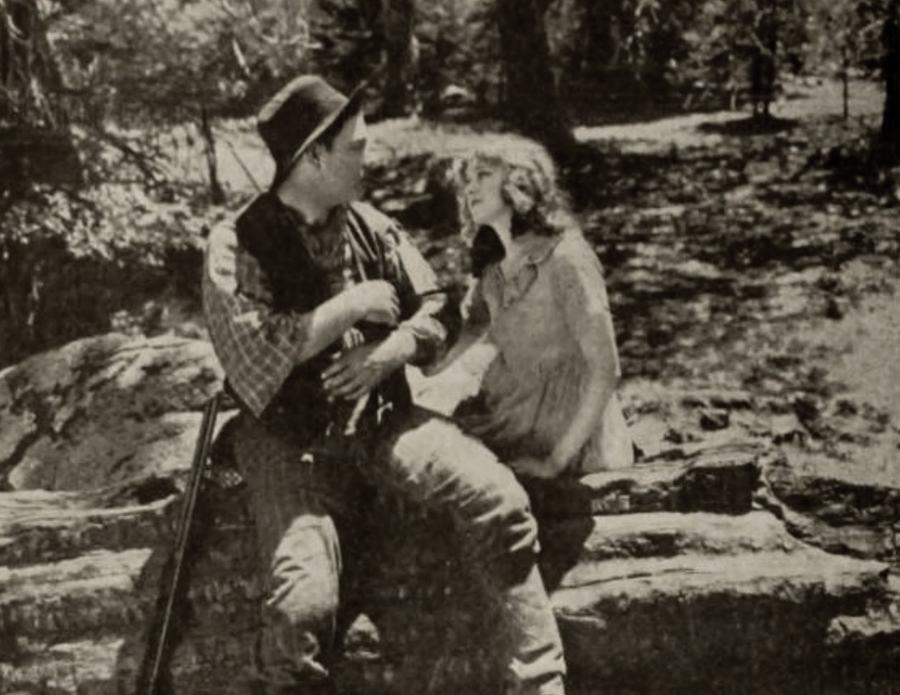
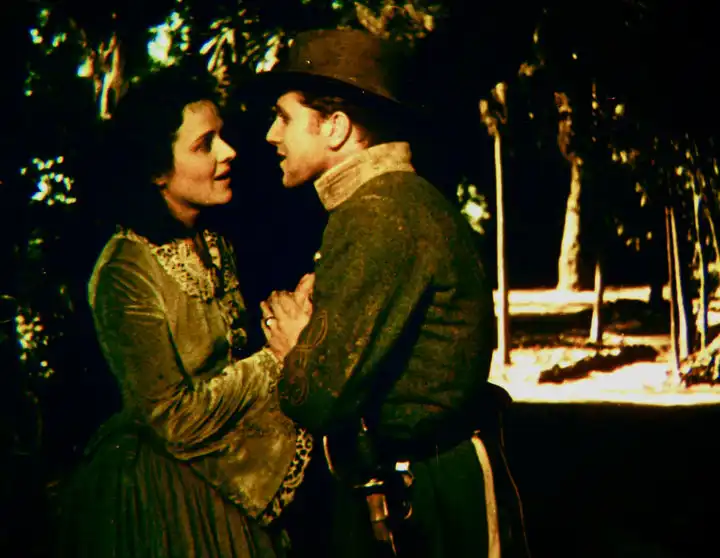
It is against this backdrop of suspicion and simmering conflict that Nell and the stranger meet. Their encounter is accidental, yet possessed of an almost fated quality. Despite the immediate social barriers – her engagement to Jim, his association with the rival Rutherfords, and the general mistrust he inspires – an undeniable infatuation blossoms between them. Alice Knowland, as Nell, conveys this burgeoning attraction with a subtle grace, her expressions and gestures speaking volumes in the absence of dialogue. The stranger, portrayed by John McKinnon, carries an air of quiet intensity, his scholarly pursuits contrasting sharply with the rough-hewn world around him. This forbidden romance forms the emotional core of the film, echoing themes seen in later works like `Secret Love` (1916), where societal constraints and personal desires collide with devastating consequences. The sheer audacity of Nell's feelings, given her circumstances, immediately elevates her character beyond a mere damsel in distress; she is a woman driven by a powerful, if dangerous, emotional truth.
As their clandestine meetings continue, the stranger eventually reveals the true purpose of his rock-chipping expeditions: he is searching for radium, a then-novel and immensely valuable element. This revelation shifts the mountaineers' perception of him from a 'revenuer' to something else entirely – perhaps a madman, perhaps a prospector of unimaginable wealth. For Nell, however, this confession solidifies their bond, transforming their infatuation into a shared secret, a trust that transcends the familial divides. In an act of profound, almost reckless, intimacy, she leads him to a significant deposit of radium-rich ore. The location of this discovery, however, is fraught with peril: it lies tantalizingly close to the Serviss family's illegal still. This detail is crucial; it intertwines the stranger's scientific quest with the very fabric of the Serviss family's illicit livelihood, setting the stage for an inevitable, catastrophic collision.
The dramatic tension escalates on the night of a major community dance, a rare occasion for revelry and temporary truce among the feuding families. The festive atmosphere is abruptly shattered by a devastating event: the Serviss still is raided and burned by revenue officers. The timing is impeccable, the consequences immediate and severe. In the ensuing chaos and recrimination, the mountain people, already suspicious of the stranger's peculiar activities, are instantly convinced that he is to blame. Their earlier suspicions of him being a 'revenuer' are seemingly confirmed, feeding into their deep-seated distrust of outsiders and authority. The film masterfully builds this sense of collective outrage, making the stranger an instant pariah, a scapegoat for the community's economic and social disruption. This moment is a powerful commentary on how readily fear and prejudice can coalesce into a unified, albeit misguided, accusation. The silent film format, relying heavily on visual cues and dramatic intertitles, would have amplified the raw emotion of this scene, making the audience feel the collective anger and the stranger's sudden isolation.
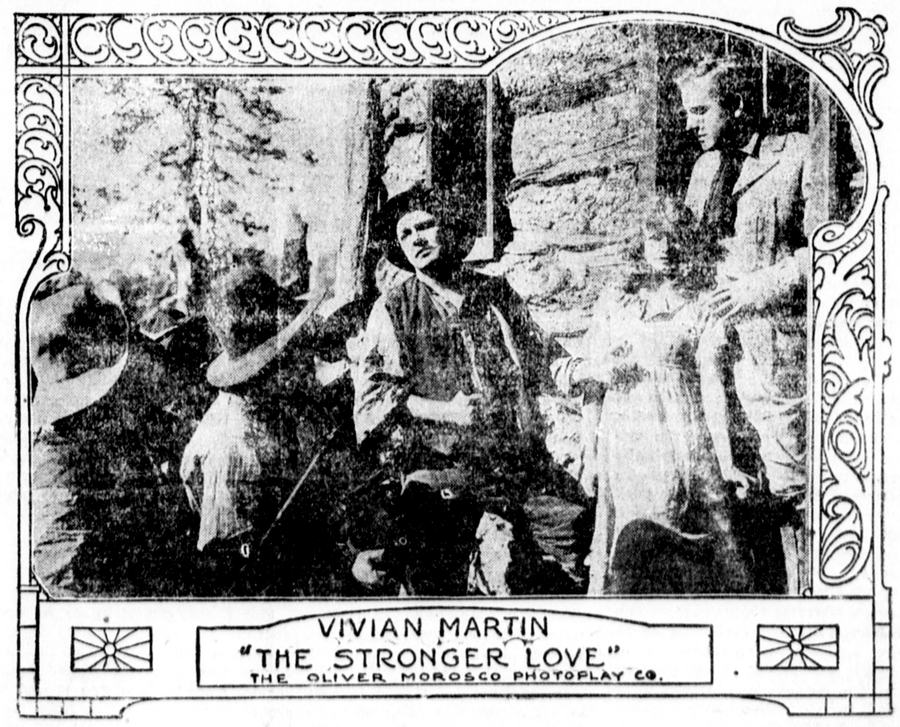
Driven by a desperate impulse to protect the man she loves, Nell rushes to the Rutherford cabin, where the stranger is staying, to warn him of the impending mob justice. It is in this moment of heightened peril that the film delivers its most significant revelation: the stranger is not merely an outsider, but Rolf Rutherford, a member of the rival family. This twist intensifies the conflict exponentially, transforming a romantic entanglement into a full-blown inter-family crisis. Nell's beloved is not just an 'other'; he is the embodiment of everything her family despises. This revelation adds layers of complexity to her choice, elevating her personal dilemma to a matter of life and death, not just for Rolf, but potentially for Jim and the entire community.
The confrontation is swift and brutal. Jim Serviss, consumed by rage and a desire for vengeance, arrives at the Rutherford cabin, intent on confronting and likely killing Rolf. It is here that Nell performs the ultimate act of sacrifice, a moment that gives the film its potent title. To save Rolf's life, to prevent Jim from committing murder and forever tainting his soul, Nell declares that she will marry the stranger. This declaration is a lie, a desperate fabrication born of immediate necessity, but its impact is profound. It's a choice that shatters her own heart, betrays her loyalties, and irrevocably alters the course of her life. The emotional weight of this scene, conveyed through the powerful, often exaggerated, acting style of the silent era, would have been immense. Alice Knowland's portrayal of Nell's anguish, her internal conflict between love, duty, and self-preservation, would have been central to its success.
The immediate crisis is averted. Jim, stunned and heartbroken by Nell's declaration, retreats. Yet, the film understands that such a profound lie cannot stand. Soon after Jim leaves, Nell, unable to bear the weight of her deception and the true longing of her heart, goes after him. In a raw, vulnerable confession, she admits that it is only Jim whom she truly loves, and that her earlier declaration was a desperate ruse to save him from becoming a murderer. This final twist is perhaps the most compelling aspect of 'The Stronger Love.' It elevates the narrative beyond a simple love triangle, transforming it into a nuanced exploration of sacrifice, the nature of truth, and the enduring power of genuine affection. Nell's act, initially appearing as a betrayal, is revealed as the ultimate affirmation of her love for Jim, a love so strong it compelled her to lie to protect his very soul. This kind of moral complexity, where right and wrong are blurred by the intensity of human emotion, is a hallmark of compelling drama, regardless of the era.
The performances in 'The Stronger Love' are, by necessity, a masterclass in silent film acting. Alice Knowland’s Nell is not a passive figure; she is a woman of agency, making difficult choices under immense pressure. Her expressions, her body language, and her interactions with both Jim and Rolf must convey the depth of her internal turmoil without the aid of spoken dialogue. Herbert Standing, likely as Jim Serviss, would have embodied the fierce pride and possessiveness of the mountain patriarch, his anger and heartbreak palpable. John McKinnon as Rolf Rutherford, the intellectual outsider, would have needed to project a vulnerability and an underlying strength to make his character believable as the object of Nell’s desperate affection. The film’s success hinges on these actors' ability to communicate the intricacies of human emotion through non-verbal means, a skill that defined the early cinematic landscape.
From a technical perspective, early 20th-century filmmaking, especially in 1914, was still evolving. 'The Stronger Love' would have relied on established cinematic conventions of the time: static shots, intertitles for dialogue and exposition, and perhaps some early forms of parallel editing to build suspense during the climax. However, the strength of the screenplay by Ivers and von Saxmar, combined with the evocative performances, would have transcended any technical limitations. The dramatic arc is clear, the stakes are high, and the emotional journey of the characters is deeply felt. This focus on character-driven drama, even within the confines of a silent film, is what allows 'The Stronger Love' to remain compelling. It speaks to universal themes of love, loyalty, sacrifice, and the often-painful choices demanded by the heart, themes that resonate across different cultures and time periods. It stands as a testament to the power of storytelling itself, illustrating that even without sound, cinema could achieve profound emotional depth.
Comparing 'The Stronger Love' to other films of its era highlights its particular strengths. While films like ‘Sangue blu’ (1914) might explore aristocratic melodrama and ‘Manden med de ni Fingre II’ (1915) delve into more sensationalistic crime, 'The Stronger Love' grounds its drama in the very real, often brutal, conditions of rural life. It shares a thematic kinship with other 'mountain dramas' or 'rural melodramas' of the period, often showcasing the clash between traditional ways and encroaching modernity, or the fierce independence of communities living on the fringes. The exploration of scientific discovery (radium) as a catalyst for conflict is also a fascinating element, placing the film at the intersection of evolving societal interests – the allure of scientific progress against the backdrop of traditional, almost archaic, feuds.
Ultimately, 'The Stronger Love' is more than just a historical curiosity; it is a finely crafted piece of cinema that explores the intricate dance between duty and desire. Nell's journey, from dutiful fiancée to conflicted lover to selfless protector, is a testament to the complexities of human emotion. Her final confession to Jim, where she clarifies her true affections despite the lie, is a powerful moment of redemption and reaffirmation of her genuine love. It’s a narrative that challenges the audience to consider the nature of sacrifice – is it truly selfless if it causes pain to others, or is the intention to protect a loved one paramount? The film suggests that the 'stronger love' is not necessarily the most passionate or the most convenient, but the one that compels an individual to make the most profound and painful choices for the well-being of another, even if it means temporary heartbreak for all involved. This enduring message, delivered through the evocative artistry of silent film, ensures its place as a compelling and emotionally resonant work in the early cinematic canon.
IMDb —
1928
Community
Log in to comment.