DbcultAccessing Vault...
6.3/10
Senior Film Conservator
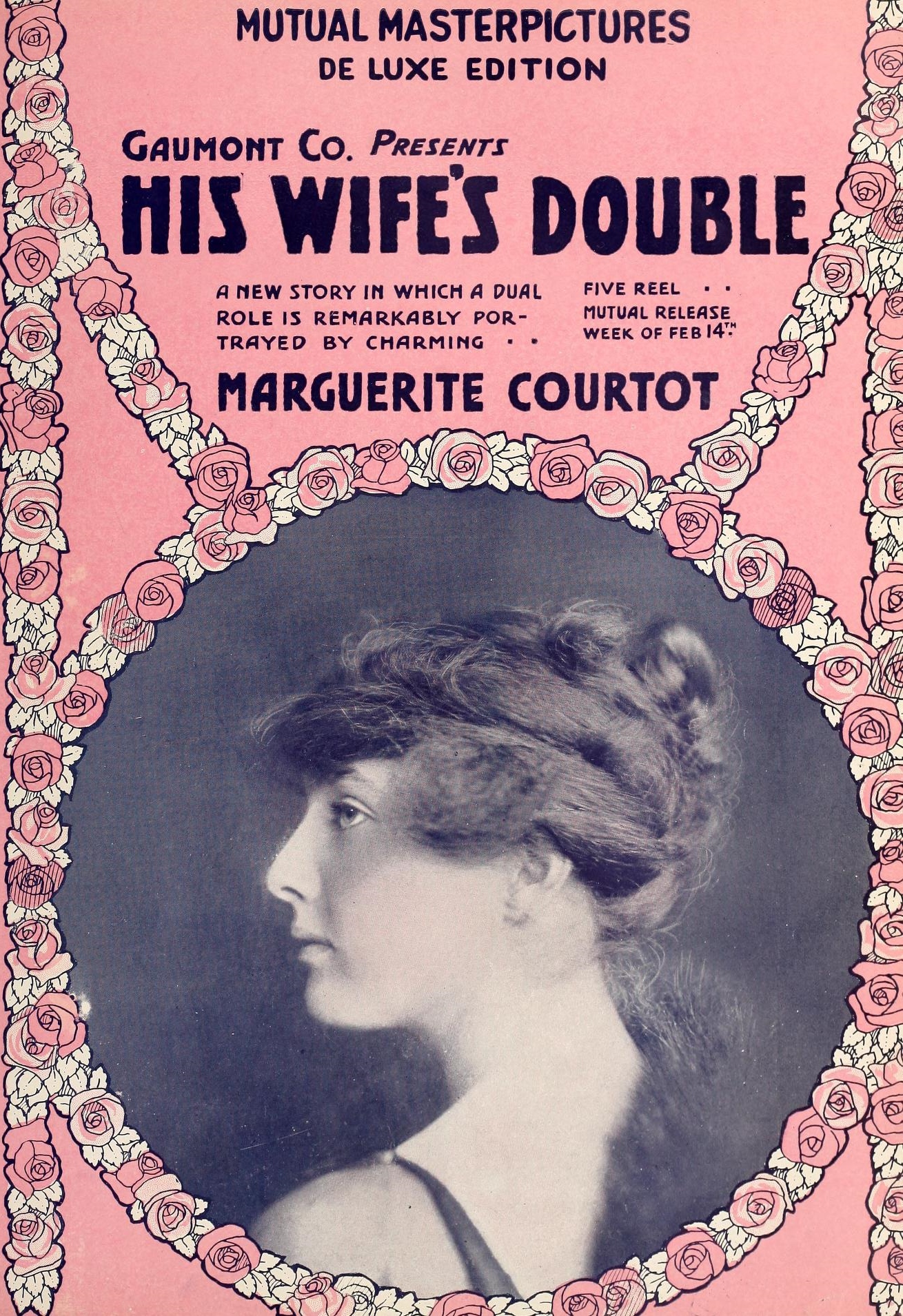
A definitive 6.3/10 rating for a film that redefined the boundaries of cult cinema. The Dead Alive remains a cornerstone of transgressive art.
There are silents that merely flicker, and then there are silents that detonate behind your eyes—The Dead Alive belongs to the latter tribe. Shot on the frayed cusp of 1923, this 63-minute cigarette burn of a film arrives like a telegram from a séance: creased, ominous, and smelling faintly of ether.
Let’s dispense with nostalgia right away. The print I viewed, newly struck from a 2022 MoMa restoration, is so crisp you can read Ardini’s gambling receipts and count the rhinestones on Mary’s revue corset. That clarity becomes a moral liability: every deception gleams, every tear beads like mercury.
Henry J. Vernot’s screenplay weaponizes the doppelgänger motif long before it became noir’s favorite toy. Jessie and Mary—both played by Marguerite Courtot with a nuance that borders on sorcery—are not the saccharine “good/bad twin” binary Hollywood later loved. Jessie’s rectitude trembles; Mary’s exuberance carries a whiff of panic. Watch how Courtot tilts her chin two millimeters higher when Mary rehearses her vamp number: it is the same face, yet suddenly freighted with appetite.
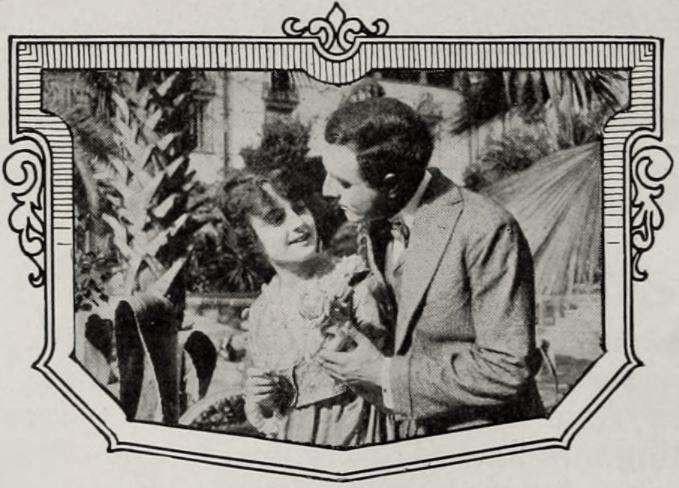
The city itself twins: department-store daylight versus chorus-girl midnight. Cinematographer James Levering bathes the former in soft argent grays, the latter in urinous amber. When Jessie, now Mrs. Stuyvesant, glides through her marble foyer in a coat of white fox, the image feels refrigerated—wealth as cryogenic chamber.
Sidney Mason’s Ardini never twirls a mustache; instead he radiates the velvet bonhomie of a man who has memorized your nightmares. His gambling den—low-ceilinged, fogged with cigar exhaust—feels less like a club than a bronchial infection. When he slips Jim a stack of chips “on the arm,” the gesture is both kindness and indictment: compassion weaponized into servitude.
Later, rebranded as “Prince Selim,” swami to the bereaved, Ardini dons a turban that looks stolen from a bargain-bin Faust. The séance sequences, lit solely by a hand-cranked hypnodisc, prefigure the oppressive strobes of 1960s psychedelia. Every time he intones “ veil is thin tonight,” the film splice itself seems to shiver.
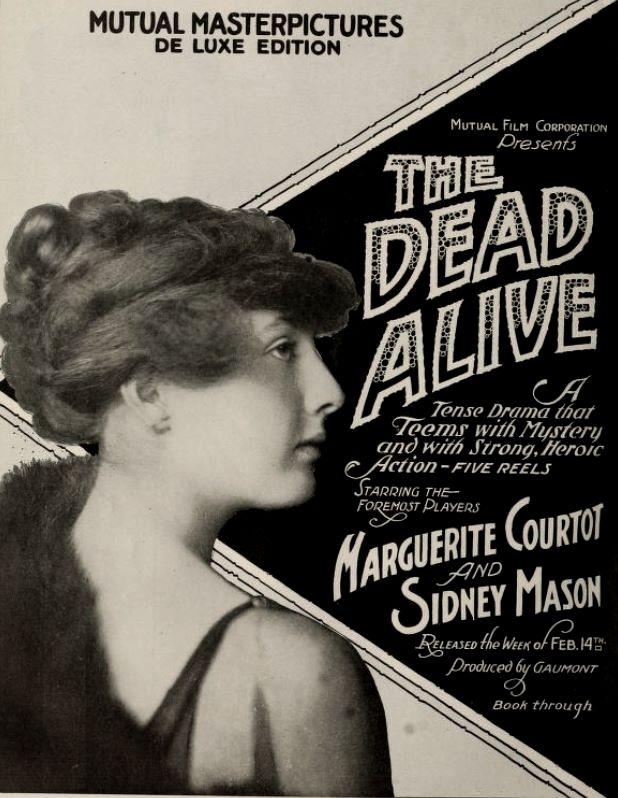
Jim’s refusal to reveal his surname under oath is the story’s most harrowing hinge. Here, shame mutates into ancestral curse: the twins must disown their own blood to survive. The courtroom sketch—rendered in Expressionist charcoal strokes—shows Jim’s silhouette shrinking inside a wooden cage that resembles nothing so much as a child’s cot. Ten years swallowed at a stroke.
Meanwhile Jessie’s automobile death is staged with an austerity that anticipates Keep Moving’s fatalism: a screech, a cut to a spinning hubcap, then darkness. No flaming wreckage, no découpage chaos—just the abrupt erasure of one timeline and the ghastly opening of another.
The booby-trapped safe is Chekhov’s revolver literalized. When Ardini’s trembling fingers violate its dial, the revolver’s single shot sounds less like gunfire than a judge’s gavel. The death is both poetic and absurd: a man murdered by the very secrets he tried to unlock. The sight of his body splayed beneath a stained-glass window depicting Saint Anthony—patron of lost things—lands as cosmic punchline.
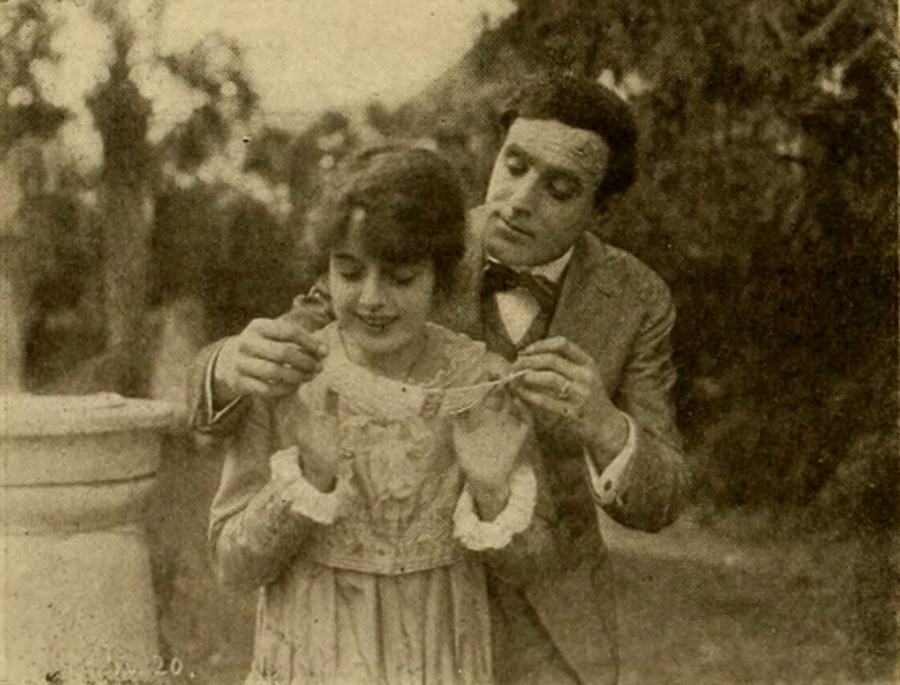
That Stuyvesant weds Mary minutes after her confession could read as patriarchal expedience, yet Vernot complicates the calculus. Watch Pemberton’s micro-movements: the widower’s eyes keep flicking toward the door, as though expecting Jessie’s ghost to veto the vows. The final kiss is shot from behind, their silhouettes dissolving into the train-station steam—an echo of the earlier séance vapor, only this time the phantom is memory itself.
Modern viewers may flinch at the film’s casual acceptance of carceral logic—Jim’s decade for manslaughter versus Ardini’s three months for running a vice den. Yet the asymmetry feels intentional: a pre-Code indictment of a system that punishes poverty more harshly than predation. Compare it to the moral algebra of The Merchant of Venice or the proto-feminist rage in The Daughters of Men.
Equally jarring is the film’s racial imaginary: Ardini’s orientalized charlatan act trades on 1920s yellow-peril tropes. Still, Mason undercuts the caricature by letting a flicker of self-disgust cross his eyes whenever he bows. The performance is a confidence game about confidence games—a mise en abyme of cultural ventriloquism.
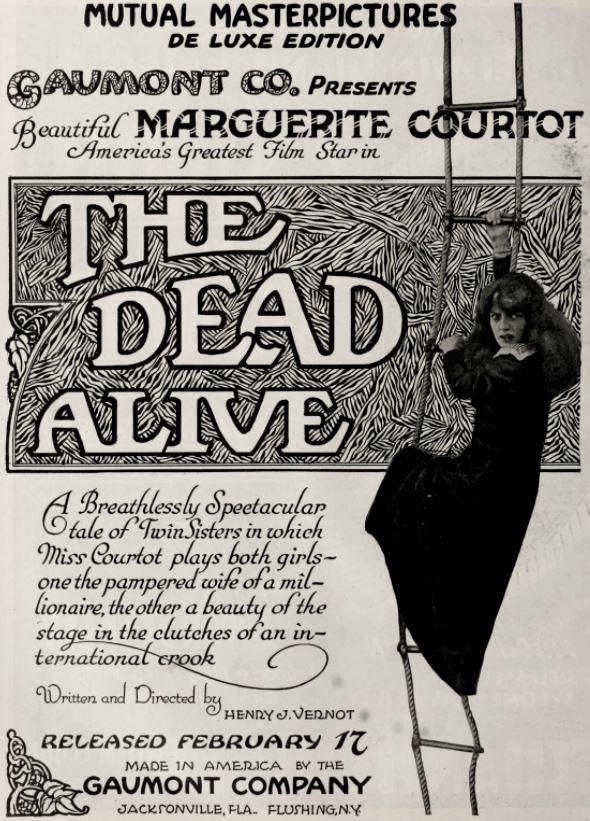
The new 4K scan exposes the hand-cranked variable frame rate; motion pools and accelerates like breath. Composer Donald Sosin’s commissioned score—piano, clarinet, and a single tam-tam—leans into the asymmetry: ragtime riffs splinter into twelve-tone clusters whenever Ardini appears. The effect is like watching Scott Joplin get mugged by Schoenberg.
Note the tinting strategy: amber for interiors, cerulean for exteriors, and a sickly lavender for the séance. These hues aren’t mere vintage ornament; they chart the characters’ moral thermosphere. When Jessie dies, the film stock itself seems drained of pigment—a foreshadowing of the monochrome world her widower will inhabit.
Place The Dead Alive beside Nell Gwynne and you see how both weaponize the female gaze against patriarchal ownership. Contrast it with Jess of the Mountain Country, where pastoral purity wins the day; here, the city is neither cesspool nor carnival but a mirror maze where every exit doubles as entrance.
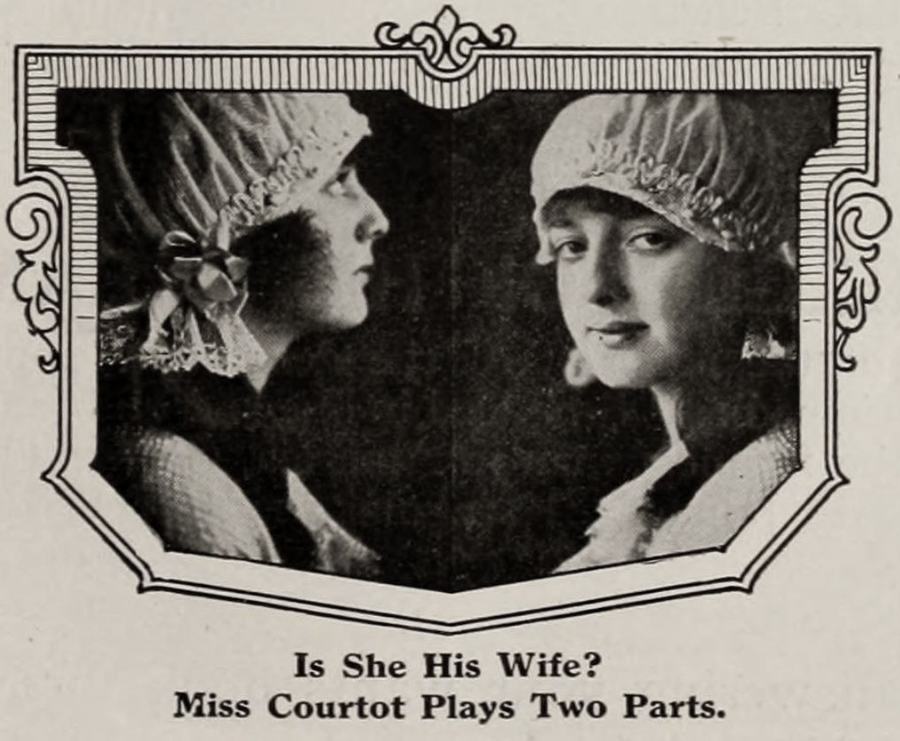
If On the Spanish Main offers swashbuckling moral absolutes, The Dead Alive traffics in the queasy relativism of the modern: love is both salvation and snare, family a nest of vipers wearing your own face.
Great art doesn’t merely depict sin; it makes you complicit in it. By the time the end card fades, you realize you have been rooting for the con, craving the séance’s lie, hungering for the twin swap. The film implicates your voyeurism, then has the gall to offer a happy ending that feels like probation.
Watch it at midnight, with the windows open and the city’s sodium lights bleeding across the ceiling. You will smell Ardini’s cigars, hear the safe’s mechanical heartbeat, feel the asphalt shiver beneath Jessie’s tires. And when the screen goes black, do not bother to blink; the next image is already burning inside your eyelids, a reminder that the dead stay alive only as long as we keep their secrets spinning in the dark.

IMDb 6.3
1926
Community
Log in to comment.