DbcultAccessing Vault...
Cult Review
Senior Film Conservator
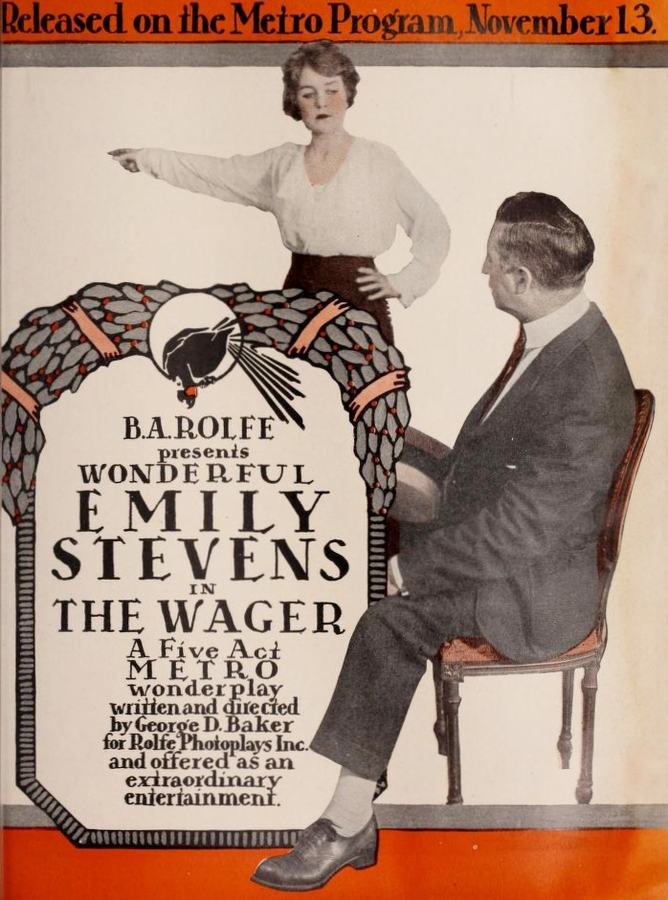
Stepping back into the nascent days of cinematic storytelling, one encounters a fascinating tapestry of human emotion, grand gestures, and moral quandaries, often painted with broad strokes on a flickering canvas. The Wager, a compelling dramatic offering from 1913, stands as a testament to the era's burgeoning narrative sophistication. Penned by George D. Baker, this silent epic delves into the treacherous waters of ambition, betrayal, and the relentless pursuit of redemption, all against the backdrop of an unforgiving urban landscape where fortunes are made and lost with dizzying speed. It’s a film that, even a century removed, resonates with a timeless quality, its core themes as pertinent today as they were in its initial release.
At the heart of this intricate drama lies Arthur Sterling, portrayed with a compelling blend of youthful idealism and eventual world-weariness by Hugh Jeffrey. Sterling, a man of noble lineage but diminishing means, finds himself ensnared in the seductive promises of Elias Thorne, a financier of formidable, almost predatory, acumen, brought to life with chilling precision by Lyster Chambers. Thorne proposes a 'wager' – a high-risk, high-reward investment in a volatile market – that Sterling, blinded by love for Clara Beaumont (Emily Stevens) and a desperate desire to secure their future, unwisely accepts. What begins as a calculated gamble swiftly devolves into a meticulously orchestrated trap, a financial guillotine designed by Thorne to systematically dismantle Sterling's legacy and spirit. The sheer audacity of Thorne's machinations, coupled with Sterling's tragic naiveté, sets the stage for a narrative arc that is both heartbreaking and ultimately, profoundly inspiring.
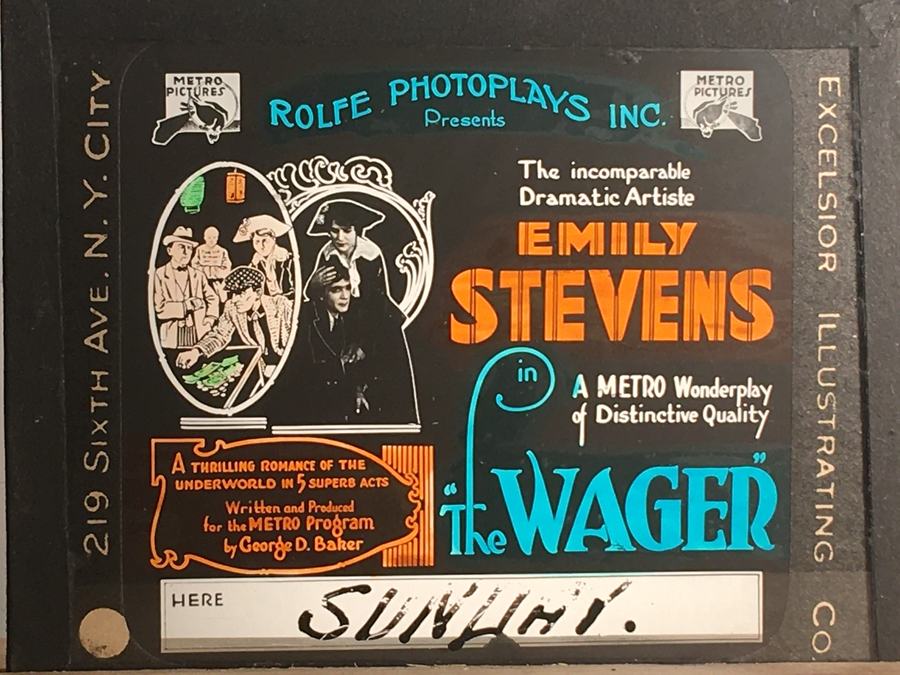
The film’s portrayal of early 20th-century capitalist society is particularly incisive. It’s a world where the lines between shrewd business and outright chicanery are often blurred, where personal ethics are frequently sacrificed at the altar of profit. Thorne embodies this predatory aspect, his character a chilling precursor to many a cinematic villain who would follow. Chambers’ performance, relying heavily on exaggerated facial expressions and body language—a hallmark of silent cinema—nevertheless conveys a subtle menace that feels genuinely unsettling. One might draw parallels to the stark social commentary found in films like Traffic in Souls, which also exposed the darker underbelly of urban life, though The Wager focuses more acutely on individual moral failings within the financial elite rather than systemic exploitation of the vulnerable. The societal pressures on Sterling to maintain appearances, to provide for his beloved, are palpable, driving his fateful decision and making his downfall all the more poignant.
Emily Stevens, as Clara Beaumont, delivers a performance that transcends the often-formulaic 'damsel in distress' archetype of the era. Her despair at Sterling’s ruin, her quiet strength in the face of adversity, and her enduring hope for his redemption imbue Clara with a compelling depth. Stevens’ ability to convey profound emotion through gesture and gaze is a masterclass in silent acting, making Clara a truly memorable figure. Her journey, while secondary to Sterling's, is nonetheless crucial, serving as both his initial motivation and his ultimate beacon. The emotional intensity she brings to the screen is reminiscent of Francesca Bertini's raw, visceral portrayal in Assunta Spina, though Stevens’ character operates within a more refined, if equally unforgiving, social stratum.
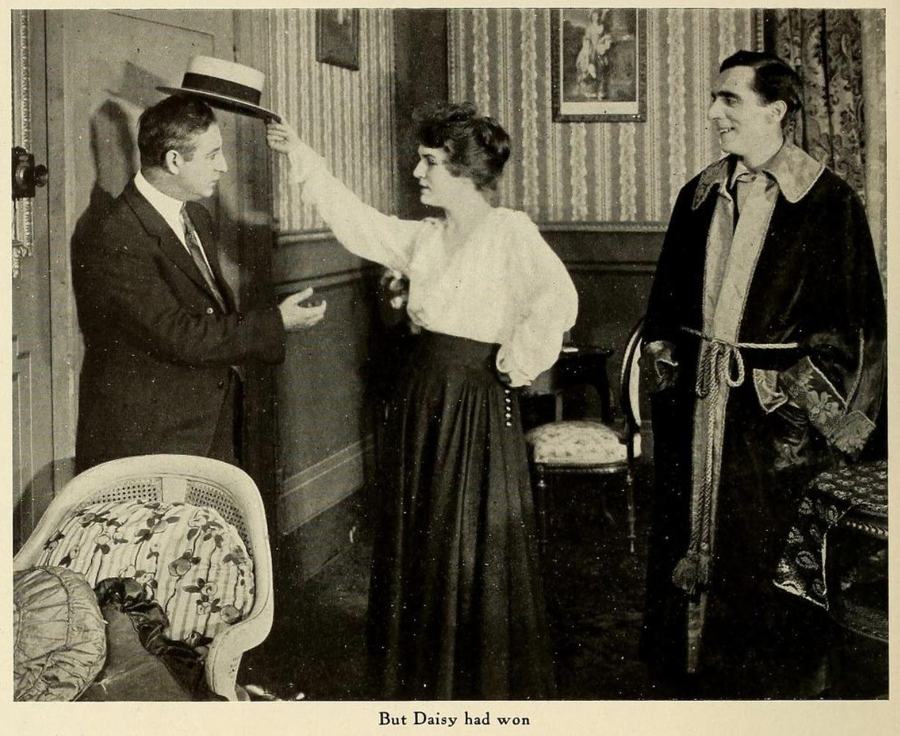
George D. Baker’s narrative construction is remarkably robust for its time. The plot unfolds with a relentless momentum, each setback for Sterling feeling genuinely earned, each small victory hard-won. The pacing is deliberate, allowing the audience to fully absorb the weight of Sterling’s plight and the insidious nature of Thorne’s schemes. The supporting cast—Frank Currier, Charles Bowser, Harry Mayo, and Daniel Jarrett—each contribute nuanced performances that flesh out the world. Currier, perhaps as a loyal confidante or a disillusioned associate, adds layers of moral ambiguity or steadfast support, depending on the role’s interpretation. Bowser, Mayo, and Jarrett likely inhabit the roles of Thorne’s sycophantic cronies or unwitting pawns, each contributing to the rich tapestry of complicity and consequence that defines the film's milieu.
The directorial choices, while attributed to Baker as writer, likely involved a collaborative effort in the early studio system, creating a visual language that is both functional and occasionally breathtaking. The use of close-ups to emphasize emotional states, a technique still relatively nascent, is employed effectively, drawing the viewer into the characters' inner turmoil. The cinematography, though restricted by the technology of the era, manages to capture the stark contrast between the opulent world of the financial elite and the grim reality of destitution, further amplifying the film’s social commentary. The visual storytelling, devoid of dialogue, relies heavily on these visual cues, making every gesture, every set piece, every costume choice incredibly significant. This meticulous attention to visual detail is a hallmark of the era, seen also in the grand historical epics like Joan the Woman, albeit on a much more intimate scale here.
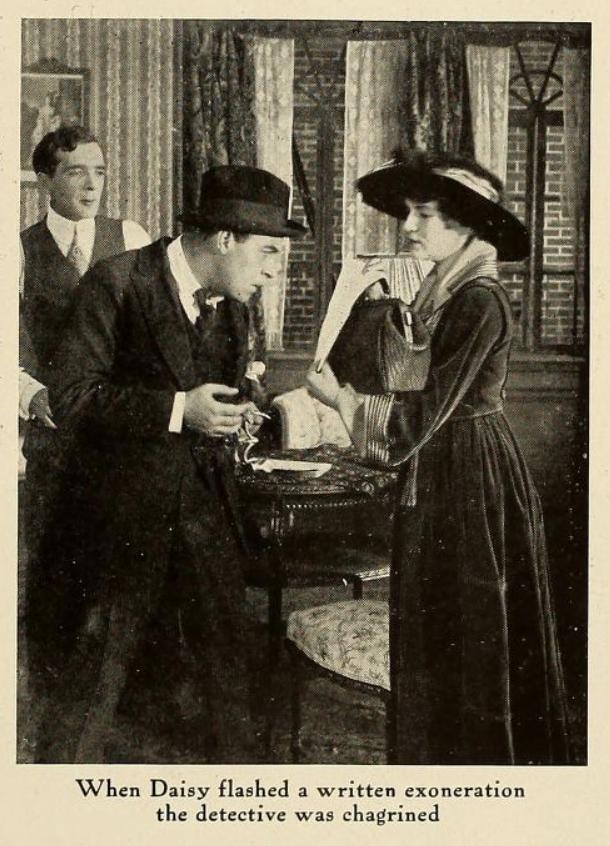
One of the most compelling aspects of The Wager is its exploration of redemption. Sterling’s journey from disgraced gentleman to a man hardened by experience, yet still guided by an unwavering moral compass, is truly captivating. His re-emergence, under an assumed identity, to confront Thorne is not merely about reclaiming lost wealth, but about restoring his name, his honor, and ultimately, his self-worth. This arc of personal transformation, born from immense suffering and fueled by a righteous desire for justice, provides the film with its enduring emotional core. It speaks to the universal human desire for a second chance, for the opportunity to right past wrongs. This theme of personal reckoning and societal justice can be found in other contemporary works, such as Judge Not, which similarly grappled with moral dilemmas and the consequences of human judgment.
The film’s climax, a masterclass in silent film melodrama, is both taut and emotionally charged. The confrontation between Sterling and Thorne is a battle of wills, intellect, and moral fortitude, culminating in a powerful resolution that feels both satisfying and earned. The intricate web of deceit spun by Thorne slowly unravels, exposing his villainy to the light, while Sterling’s perseverance ultimately triumphs. It’s a testament to Baker’s writing that such a complex narrative, with its numerous twists and turns, remains coherent and compelling without the benefit of spoken dialogue. The emotional payoff is immense, leaving the audience with a sense of catharsis and a renewed belief in the triumph of good over evil. The dramatic tension built towards the end is palpable, a skill seen in many silent thrillers and dramas, where every flicker of emotion on an actor's face, every grand gesture, is magnified to convey the narrative's thrust.
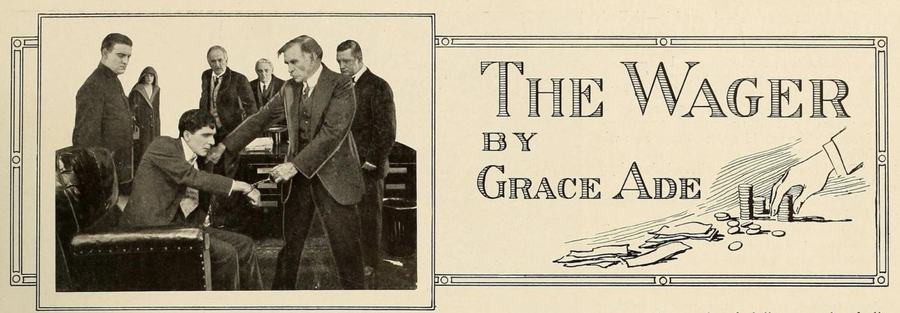
When considering The Wager within the broader context of 1913 cinema, it stands out for its thematic ambition and character development. While films like The Tigress or The Princess of India might have offered exotic locales or adventure, The Wager grounds itself in the stark realities of urban existence and personal integrity. Its focus on the psychological toll of financial ruin and the moral imperative of seeking justice elevates it beyond mere entertainment. It’s a film that asks profound questions about the nature of wealth, the corrupting influence of power, and the resilience of the human spirit. The film’s nuanced approach to morality, where even the 'good' characters make questionable choices, adds a layer of realism often absent in more simplistic narratives of the era.
Furthermore, the film's exploration of class distinctions and the seemingly insurmountable barriers between social strata is handled with a delicate yet firm touch. Sterling's initial fall is not just a financial one, but a social one, stripping him of his standing and forcing him to confront the harsh realities faced by those without privilege. His eventual rise is therefore not just a personal triumph, but a symbolic challenge to the rigid social hierarchies of the time. This thematic depth is something that echoes in other socially conscious dramas of the period, such as Das Recht aufs Dasein (The Right to Exist), which similarly explored the struggles of individuals against systemic injustices. The film's ability to weave personal drama with broader social commentary is truly commendable.
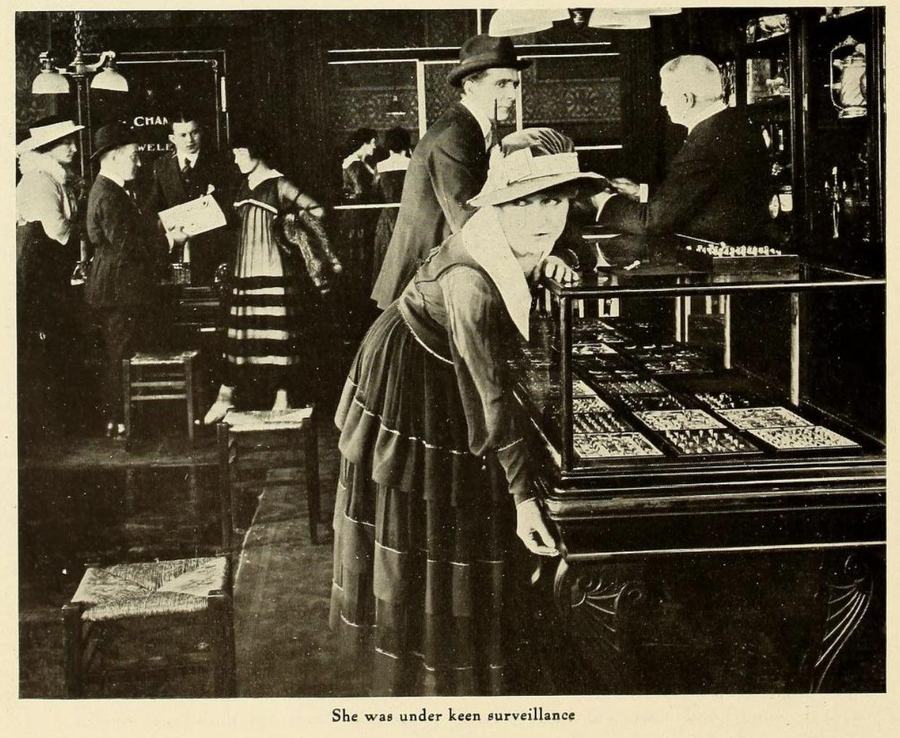
The impact of The Wager on subsequent cinema, while perhaps not as overtly monumental as some of D.W. Griffith's epics, is nevertheless significant. It helped solidify the dramatic template for countless tales of financial intrigue, personal betrayal, and ultimate vindication. The character archetypes established—the ambitious but naive hero, the calculating villain, the steadfast love interest—would become staples of Hollywood storytelling for decades to come. Its influence can be seen in later films that explore similar themes of economic manipulation and moral reckoning, providing a foundational text for a specific genre of dramatic storytelling. Even in more lighthearted fare like Pufi - Hogyan lett ünnepelt hös egy jámbor pesti férjböl?, the underlying mechanics of a 'wager' driving the plot are evident, showing the pervasive appeal of such narrative devices.
In conclusion, The Wager remains a compelling artifact of early cinema, a film that transcends its technical limitations through the sheer power of its storytelling and the compelling performances of its cast. It is a testament to the enduring appeal of a well-crafted narrative, one that explores the depths of human fallibility and the heights of human resilience. For cinephiles and historians alike, it offers a window into the dramatic sensibilities of a bygone era, proving that even in the silent age, cinema possessed an unparalleled capacity to stir the soul and provoke thought. Its legacy lies not just in its dramatic prowess but in its subtle yet profound commentary on the human condition, a commentary that continues to echo through the annals of film history. It stands as a powerful reminder of how much could be conveyed without a single spoken word, relying instead on the universal language of emotion and visual artistry. Much like Lydia Gilmore, it showcases the profound emotional capacity of early cinema. Truly, a cinematic experience that holds its own, even against the most elaborate productions of its time, like The Honorable Friend or Father John; or, The Ragpicker of Paris, by focusing on the timeless struggle for integrity. The nuanced portrayal of character and circumstance ensures its place as a significant dramatic work, far beyond being a mere historical curiosity. Its examination of moral fortitude amidst immense pressure is a recurring theme in films across eras, from The Flirt to The Waif, underscoring its timeless relevance. The film’s ability to evoke such strong reactions without a spoken word, a testament to the actors' craft and the director's vision, is something modern cinema often strives to emulate, proving its enduring artistic merit. It's a journey into the heart of human ambition and the price of redemption, a narrative as potent and relevant today as it was over a century ago. The meticulous construction of its plot, the compelling performances, and its unwavering gaze into the darker corners of human nature make The Wager a film that demands rediscovery and appreciation. Its silent eloquence speaks volumes, echoing the very essence of human struggle and triumph, a truly remarkable achievement in early cinematic art. The enduring power of this film lies in its ability to strip away the superficial and delve deep into the universal human experiences of love, loss, and the relentless pursuit of justice, themes that resonate irrespective of the technological advancements in filmmaking. It's a masterclass in the art of visual storytelling, showcasing how much narrative weight can be carried by a glance, a gesture, or a single, poignant intertitle, much like the intricate drama woven in C.O.D. or the stark realities presented in Drankersken.

IMDb 6
1931
Community
Log in to comment.