DbcultAccessing Vault...
Cult Review
Senior Film Conservator
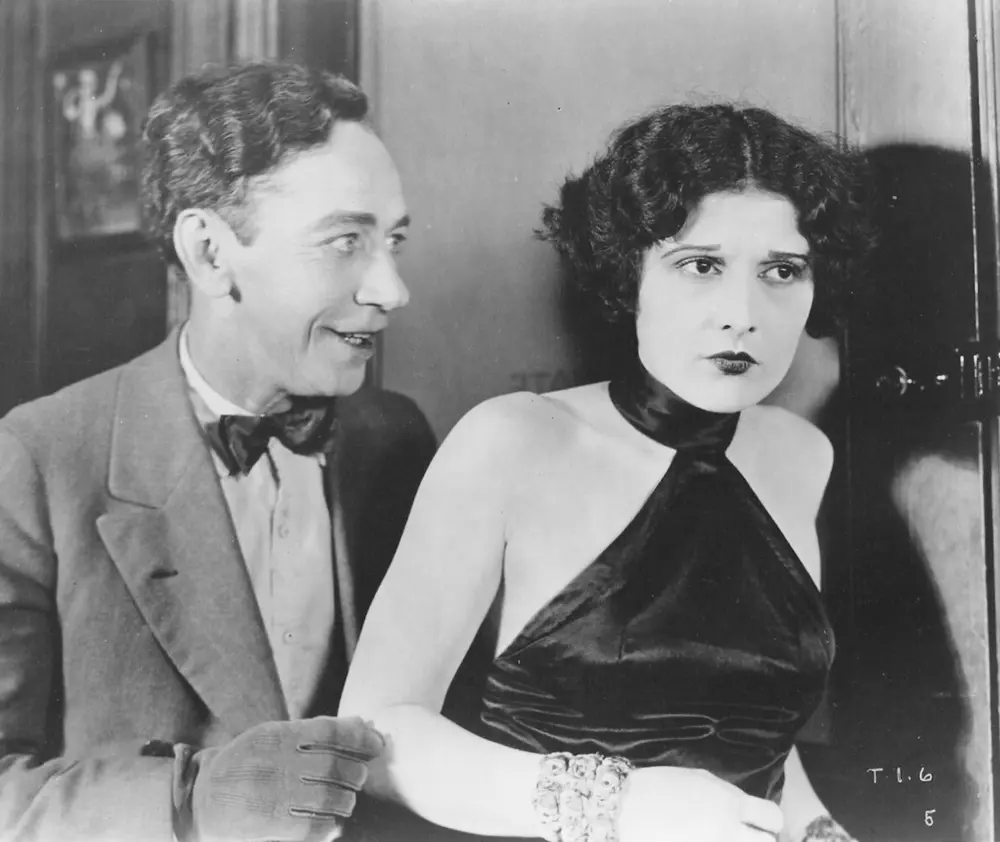
Short answer: yes, but it’s a complex tale that requires a discerning eye. 'The Impostor' is a 1926 silent film that delves into themes of deception, social mobility, and personal redemption, making it a compelling choice for film enthusiasts and historians. However, it’s not for everyone; the narrative can be dense and the pacing might feel slow to contemporary viewers. Whether you appreciate the intricate storyline and historical context, or find the film too slow and outdated, 'The Impostor' offers a unique and rewarding viewing experience.
Does this film work because... It works because of its intricate plot, rich character development, and the compelling journey of its protagonist, Judith. The film masterfully weaves together elements of drama, romance, and social commentary, creating a multi-layered narrative that keeps viewers engaged.
Does this film fail because... It fails because the pacing can be sluggish, and the silent film format can make it challenging for modern audiences to fully connect with the characters and the story. The dialogue-heavy scenes and the lack of sound can be a barrier to immersion.
You should watch it if... You should watch it if you are interested in early 20th-century social dynamics, the complexities of deception and identity, or if you enjoy the art of storytelling through visual and performance elements. This film is a fascinating piece of cinematic history that showcases the strengths of silent film era storytelling.
Is 'The Impostor' worth watching today? Yes, but with the caveat that it requires a certain level of patience and a keen interest in historical storytelling. The film’s intricate plot and deep characters make it a worthwhile experience, especially for those who appreciate the nuances of silent film era storytelling.
Carroll Nye delivers a nuanced performance as Judith, portraying her transformation from a street girl to a determined and resourceful protagonist. Her chemistry with James Morrison, who plays the reporter Bruce Gordon, adds a layer of romance to the film. However, the silent film format can sometimes limit the depth of their interactions, as dialogue is limited to gestures and expressions.
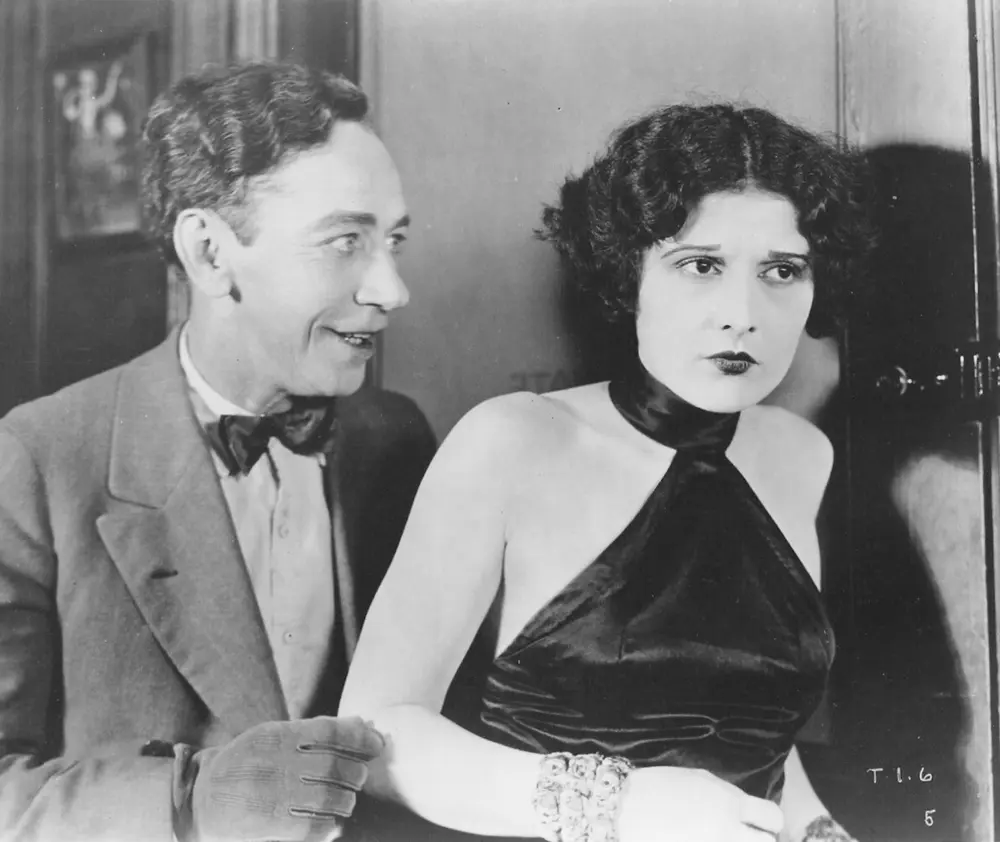
Is 'The Impostor' a standout in its portrayal of deception? Yes, in the context of silent films, 'The Impostor' excels in its portrayal of deception and identity. Through subtle performances and clever writing, the film explores the complexities of assuming false identities and the consequences of such actions.
The cinematography of 'The Impostor' is striking, with its lush, period settings and evocative use of light and shadow. However, the pacing can be slow at times, particularly in the dialogue-heavy scenes. The film’s reliance on visual storytelling means that the narrative can feel drawn out, which might not appeal to modern audiences accustomed to fast-paced narratives.
Are the visual elements of 'The Impostor' worth the slow pace? The visual elements are indeed worth the slow pace; the film’s art direction and cinematography are a testament to the craftsmanship of early 20th-century filmmaking. The elaborate sets and costumes provide a vivid backdrop to the story, enhancing the overall aesthetic of the film.
Is the narrative engaging despite the slow pace? Despite the slow pace, the narrative is engaging due to its intricate plot and the compelling journey of Judith. The film’s ability to balance drama, romance, and social commentary makes it a compelling watch, even if it requires patience.
Are the characters well-developed? The characters are well-developed, particularly Judith and Bruce Gordon. Their journey from deception to redemption is a compelling narrative arc, even if it is slow in execution. Other supporting characters, such as De Mornoff, add depth and complexity to the story.
Is the film’s historical context relevant today? The film’s historical context adds a layer of depth to the narrative, providing insight into early 20th-century social dynamics and the challenges of social mobility. However, this context might not resonate as strongly with modern audiences, who may find the period setting less relatable.
While 'The Impostor' may not be for everyone, it is a fascinating and complex piece of early 20th-century filmmaking that rewards those willing to engage with its intricate narrative and rich visual storytelling. The film’s historical context and the compelling journey of its protagonist make it a worthwhile experience for enthusiasts of silent film and historical dramas. However, it is not without its flaws, particularly in its pacing and reliance on silent film techniques, which may limit its appeal to a broader audience.
IMDb —
1934
Community
Log in to comment.