DbcultAccessing Vault...
7.1/10
Senior Film Conservator
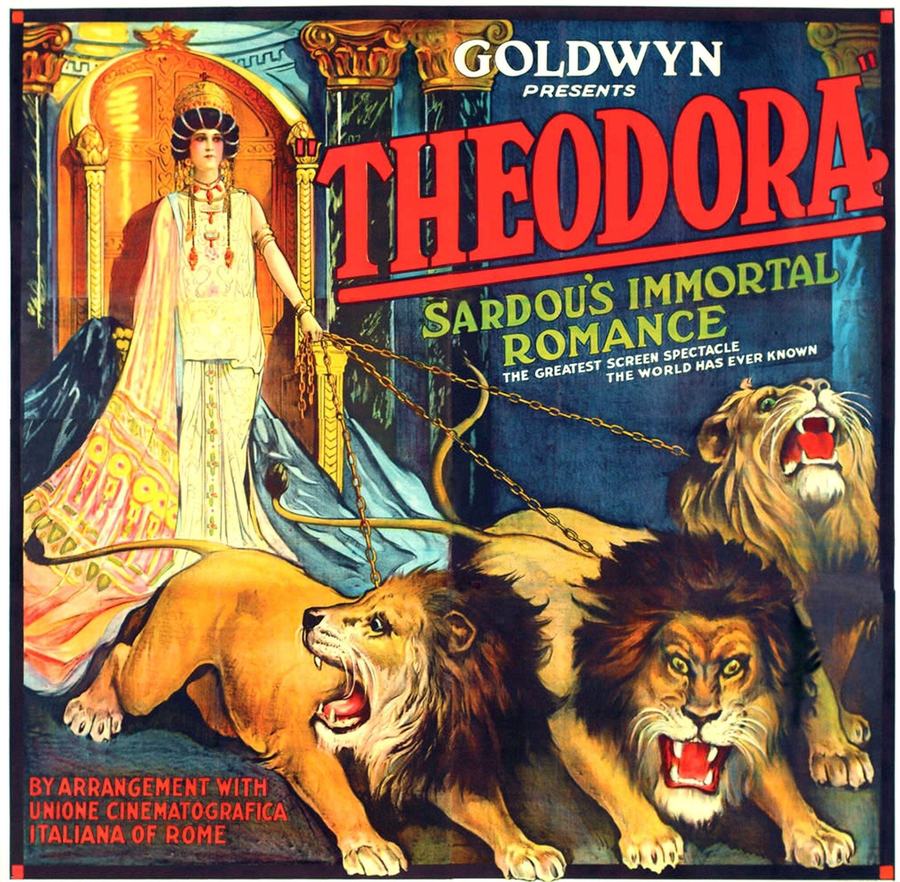
A definitive 7.1/10 rating for a film that redefined the boundaries of cult cinema. Theodora remains a cornerstone of transgressive art.
The film Theodora is a sweeping epic that transports viewers to the grandeur of ancient Rome, where the intrigue of imperial politics and the passion of forbidden love entwine like the tender shoots of a vine. Against the richly textured backdrop of Byzantium, the story of Teodora, a former slave girl turned Empress of Rome, unfolds with all the drama and spectacle of a Shakespearean tragedy. With a talented cast, including Giuliano Gardini, Mariano Bottino, and Emilia Rosini, the movie brings to life the complex and often fraught world of ancient Rome, where the pursuit of power and the thrill of romance can lead even the most well-intentioned individuals down a perilous path.
One of the most striking aspects of Theodora is its thoughtful exploration of the social and cultural norms of ancient Rome. The film sheds light on the limited options available to women in a society dominated by men, where even the most privileged females were often relegated to secondary roles. Teodora's remarkable rise to power, facilitated by her marriage to the Roman emperor Justinian, serves as a powerful commentary on the social mobility of the time, highlighting the ways in which exceptional individuals could transcend the constraints of their circumstances through a combination of intelligence, cunning, and determination.
The cinematography in Theodora is a visual feast, with lush landscapes, opulent interiors, and a keen attention to period detail that immerses the viewer in the world of ancient Rome. The film's use of color is particularly noteworthy, with a muted palette that reflects the somber tones of the era, punctuated by flashes of dark orange and yellow that evoke the warmth and vitality of the Mediterranean sun. The sea blue hues that dominate the film's aquatic sequences add a sense of depth and tranquility, providing a poignant counterpoint to the turmoil and upheaval that characterizes much of the narrative.
In terms of performances, the cast of Theodora delivers a range of compelling portrayals that bring depth and nuance to the story. Giuliano Gardini shines as the Roman emperor Justinian, conveying the complexity and vulnerability of a leader torn between his duty to the empire and his passion for his wife. Emilia Rosini, meanwhile, brings a sense of fierce determination and unyielding spirit to her portrayal of Teodora, capturing the essence of a woman who refuses to be bound by the conventions of her time. The chemistry between the leads is palpable, and their romance serves as a powerful catalyst for the events that unfold.
The themes of Theodora are timeless and universal, speaking to fundamental human concerns such as the pursuit of power, the danger of desire, and the corrupting influence of ambition. The film's exploration of these themes is both thought-provoking and deeply unsettling, inviting viewers to confront the darker aspects of human nature and the devastating consequences that can result when individuals prioritize their own interests above the well-being of others. In this regard, Theodora can be seen as a cautionary tale, warning against the dangers of unchecked power and the importance of accountability in leadership.
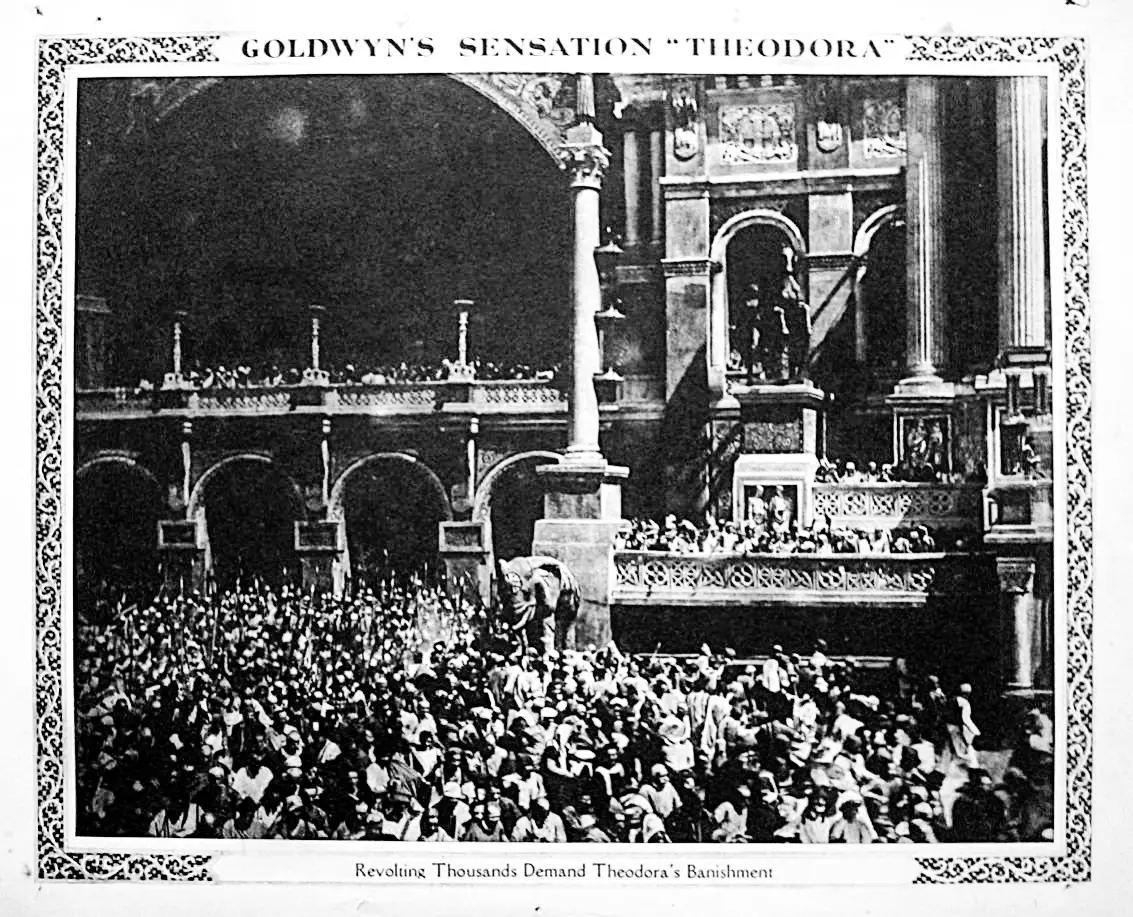
In comparison to other films of the era, such as The Social Highwayman and The Empress, Theodora stands out for its epic scope and sweeping narrative, which encompasses a broad range of characters, locations, and historical events. The film's attention to period detail and its commitment to historical accuracy also set it apart from more fanciful or romanticized portrayals of ancient Rome, such as Romeo's Dad or Youth's Endearing Charm. At the same time, Theodora shares some similarities with other films that explore the complexities of human relationships and the consequences of desire, such as The Lad and the Lion or The Ghost House.
Ultimately, Theodora is a film that will appeal to viewers who appreciate epic storytelling, complex characters, and historical drama. With its richly textured world, compelling performances, and thought-provoking themes, the movie offers a cinematic experience that is both entertaining and enriching. As a work of historical fiction, Theodora is a testament to the power of film to transport us to another time and place, and to inspire us to reflect on the universal human experiences that transcend the boundaries of culture and history. Whether you are a fan of Isobel or the Trail's End, The Black Gate, or Captain Kidd's Kids, you are sure to find Theodora a compelling and unforgettable viewing experience.
The film's exploration of the human condition is also reminiscent of other classic tales, such as The Snarl or An Arabian Knight, which similarly probe the complexities of human relationships and the consequences of desire. At the same time, Theodora offers a unique perspective on the experiences of women in ancient Rome, one that is both deeply personal and broadly universal. As such, the movie provides a fascinating counterpoint to other films that explore the lives of women in different historical contexts, such as A Romance of Billy Goat Hill or The Cinderella Man.
In conclusion, Theodora is a masterpiece of cinematic storytelling, one that will captivate viewers with its epic scope, compelling characters, and thought-provoking themes. With its richly textured world, nuanced performances, and historical accuracy, the film offers a truly immersive viewing experience that is both entertaining and enriching. Whether you are a fan of historical drama, epic storytelling, or simply great cinema, Theodora is a must-see film that will leave you spellbound and inspired. So why not explore the world of Theodora for yourself, and discover the magic of this timeless and unforgettable tale?
The legacy of Theodora can also be seen in other films that have followed in its footsteps, such as Something New or Lorena, which similarly explore the complexities of human relationships and the consequences of desire. As a work of historical fiction, Theodora has paved the way for a new generation of filmmakers to experiment with epic storytelling, complex characters, and thought-provoking themes. The film's influence can be seen in a wide range of genres, from historical drama to epic adventure, and its impact will continue to be felt for years to come.
IMDb —
1928
Community
Log in to comment.